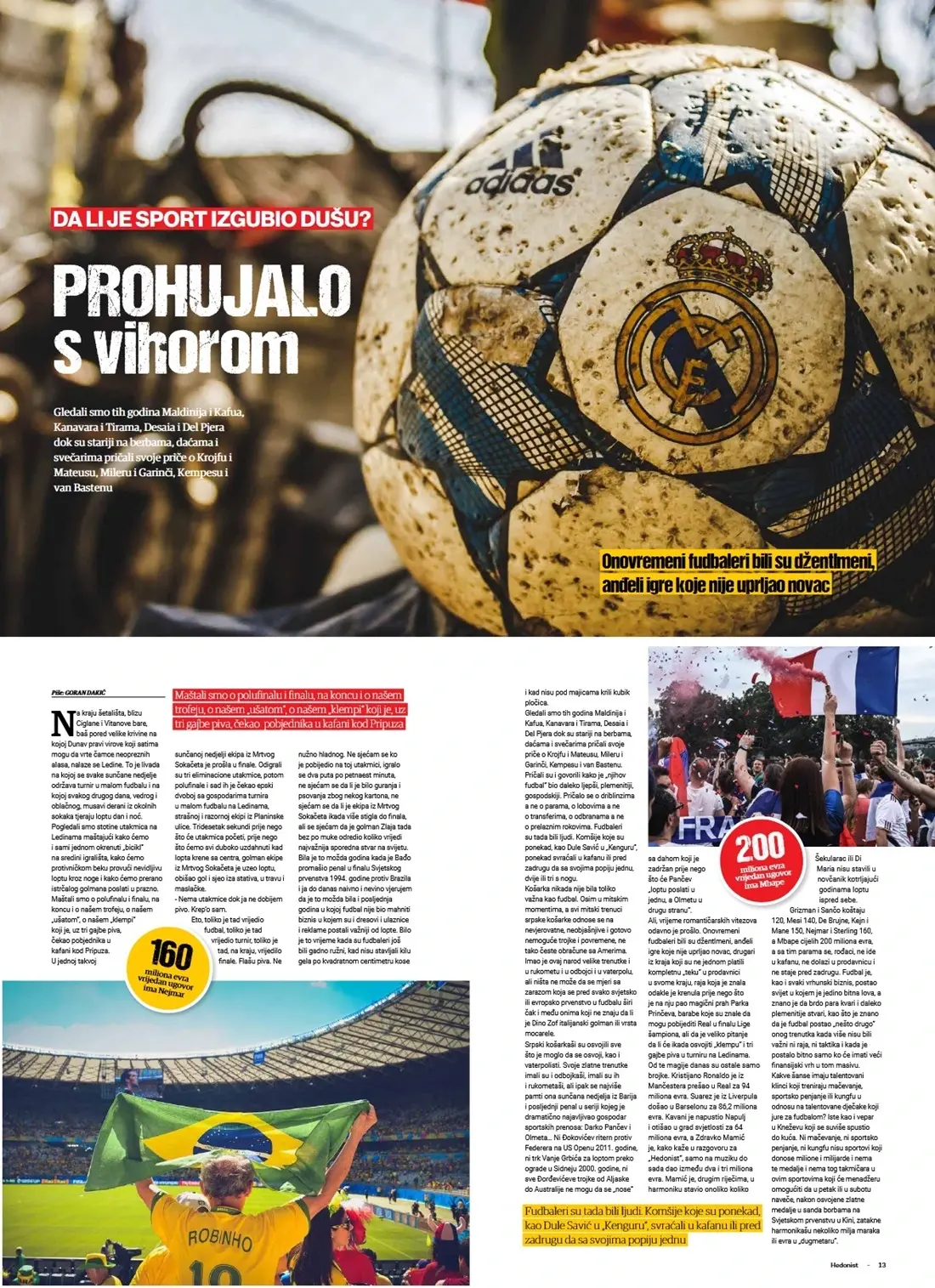
Gone with the Wind: Has Sport Lost Its Soul?
![[object Object]](https://api.hedonistmagazine.net/storage/images/2026/01/41886715-b2b2-40aa-b49e-510a974d599f.webp)
At the end of the promenade, near Ciglana and Vitanova Bara, right by the large bend where the Danube forms whirlpools capable of spinning the boats of careless fishermen for hours, lies Ledine. It is a meadow where a small-sided football tournament is held every sunny Sunday, and where, every other day, rain or shine, muddy kids from the surrounding alleyways chase a ball day and night.
We watched hundreds of matches on Ledine, dreaming of the day we would pull off a bicycle kick in the middle of the pitch, slip an invisible ball through an opponent’s legs, or send an over-eager goalkeeper the wrong way. We dreamed of semifinals and finals, and ultimately of our own trophy, our own “big ears,” our own “handle”, waiting for the winner, along with three crates of beer, at Pripuz’s tavern.
On one such sunny Sunday, the team from Mrtvo Sokače made it to the final. They had played three knockout matches, then the semifinal, and now an epic clash awaited them against the masters of small-sided football on Ledine - the terrifying, destructive team from Planinska Street. About thirty seconds before kickoff, just before we would all take a deep breath as the ball rolled from the center, the goalkeeper from Mrtvo Sokače picked up the ball, walked around the goal, and sat down behind the post, in the grass and dandelions.
No game until I get a beer. I’m dead.
That was how much football was worth back then. That was how much the tournament was worth. And, in the end, that was how much the final was worth: one bottle of beer. Not necessarily cold. I don’t remember who won that match. It was two halves of fifteen minutes; I don’t remember if there was any shoving or swearing over a card. I don’t remember whether the team from Mrtvo Sokače ever reached another final. But I do remember that goalkeeper Zlaja, without hesitation, set the value of the most important secondary thing in the world.
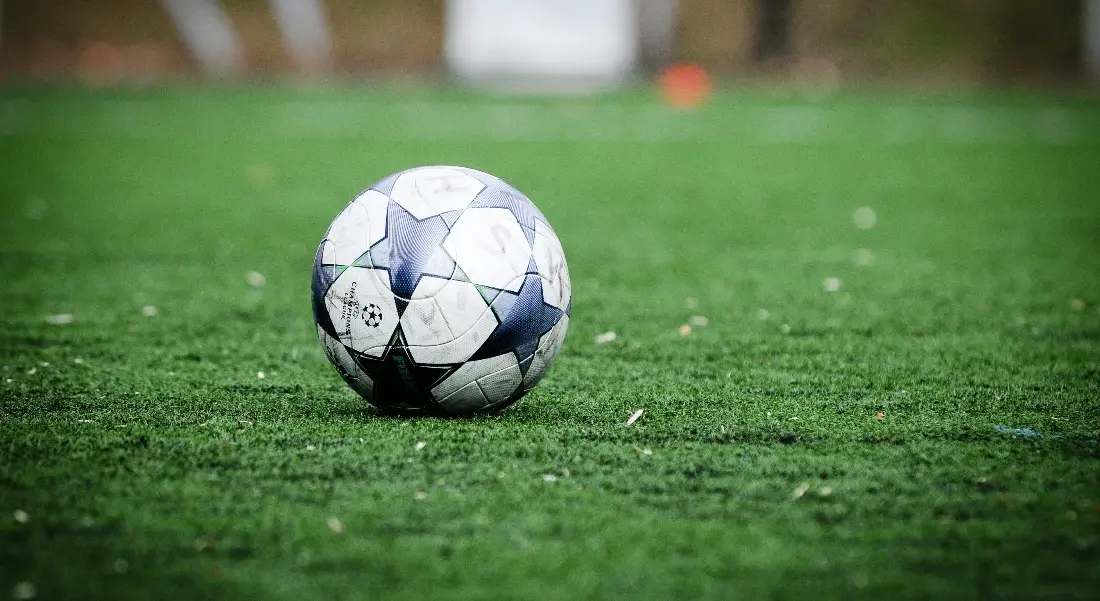
It may have been the year when Baggio missed the penalty in the 1994 World Cup final against Brazil, and to this day, I naïvely and innocently believe that it may also have been the last year when football was not yet a manic business in which kits, tickets, and advertising became more important than the ball. It was a time when footballers were still genuinely ugly, when they didn’t plaster a kilo of gel onto every square centimeter of hair, and when they didn’t hide cubic meters of abs beneath their shirts.
Footballers of that time were gentlemen, angels of a game not yet tainted by money.
In those years, we watched Maldini and Cafu, Cannavaro and Thuram, Desailly and Del Piero, while the older ones, at grape harvests, slavas, and celebrations, told their stories of Cruyff and Matthäus, Müller and Garrincha, Kempes and Van Basten. They spoke of how “their football” was far more beautiful, noble, and gentlemanly. They talked about dribbles, not money; about lobs, not transfers; about defenses, not transfer windows. Footballers were people then, neighbors who would sometimes, like Dule Savić in Kengur, drop by the local tavern or village store to have one, two, or three quick drinks with their own.
Basketball was never as important as football. Except in mythical moments, and all mythical moments of Serbian basketball relate to incredible, inexplicable, almost impossible three-pointers and the occasional, not-so-frequent clashes with the Americans. This nation has had great moments in handball, volleyball, and water polo as well, but nothing compares to the contagion that spreads before every World Cup or European Championship in football, even among those who don’t know whether Dino Zoff is an Italian goalkeeper or a type of mozzarella.
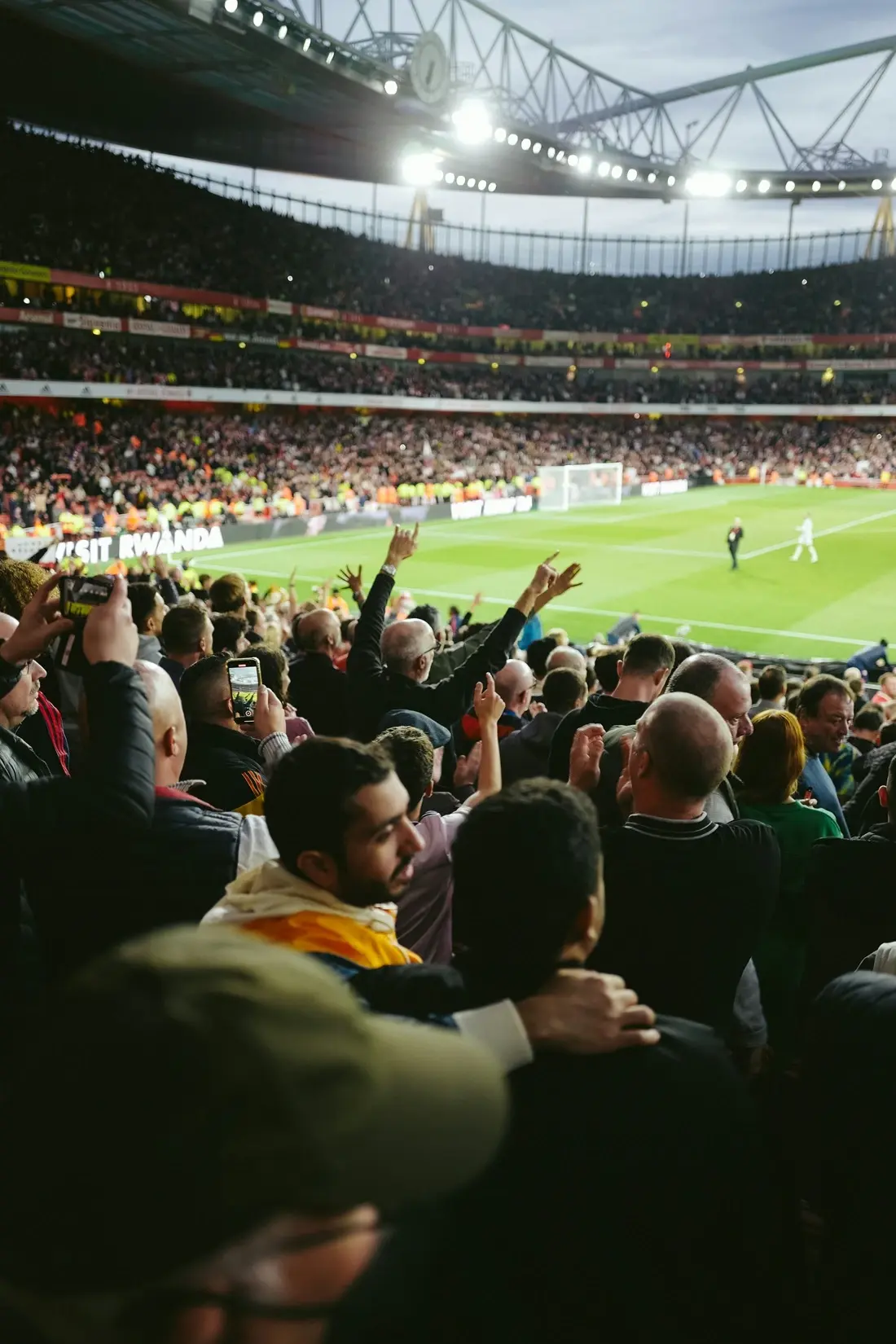
Serbian basketball players have won everything there is to win, as have the water polo players. Volleyball players had their golden moments, too, as did handball players. And yet, what is remembered most is that sunny Sunday in Bari and the final penalty in the shootout, dramatically announced by the master of sports commentary: Darko Pančev and Olmeta… Neither Djokovic’s return against Federer at the 2011 US Open, nor Vanja Grbić’s run for the ball over the fence in Sydney in 2000, nor all of Đorđević’s three-pointers from Alaska to Australia can compare to the breath held just before Pančev “sent the ball one way and Olmeta the other.”
Back then, footballers were just people. Neighbours who would sometimes, like Dule Savić in Kengur, drop by a local café or stand in front of the village store to have a drink with their own.
But the era of romantic knights is long gone. Footballers of that time were gentlemen, angels of a game not yet stained by money, guys from the neighborhood who more than once paid the entire tab at the local store, people who knew where they came from before the magic dust of the Parc des Princes fell on them, rogues who knew they could beat Real Madrid in a Champions League final, but also knew it was a big question whether they would ever win the “handle” and three crates of beer at the Ledine tournament.
Of that magic today, only numbers remain. Cristiano Ronaldo moved from Manchester to Real for 94 million euros. Suárez went from Liverpool to Barcelona for 86.2 million. Cavani left Naples for the City of Light for 64 million, while Zdravko Mamić, as he says in an interview for Hedonist, has spent between two and three million euros on music alone so far. In other words, Mamić stuffed more into an accordion than Šekularac or Di María ever put into a wallet while rolling the ball ahead of them for years.
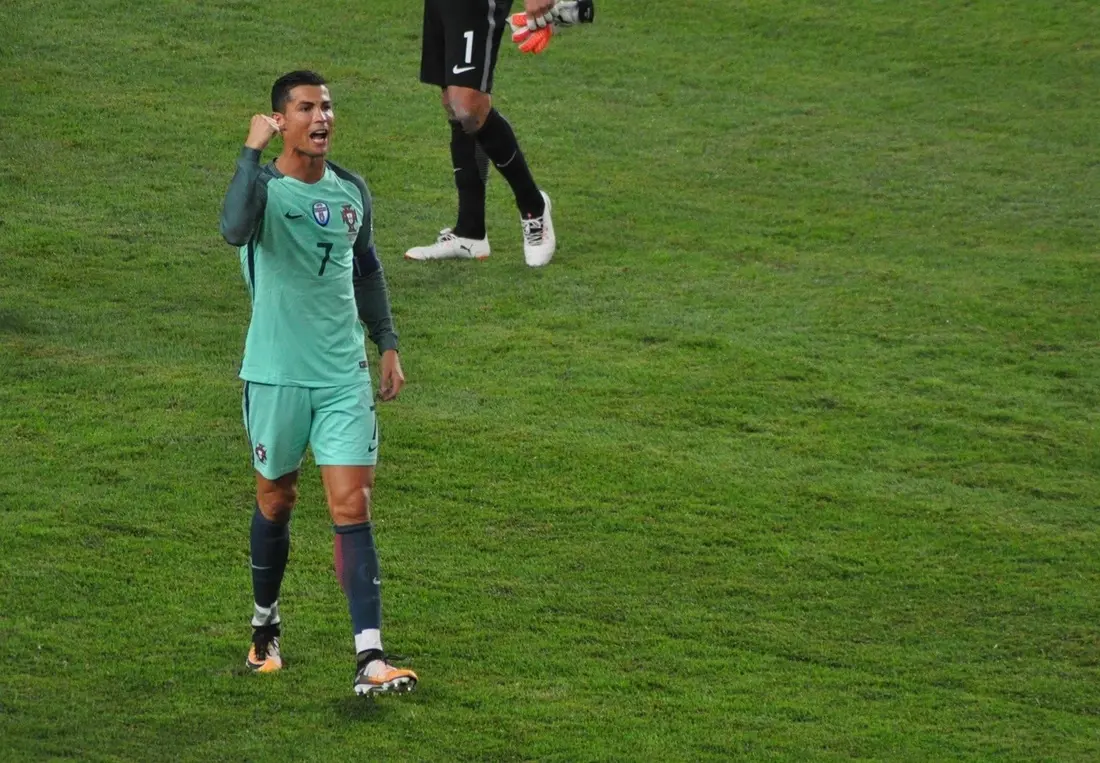
Griezmann and Sancho cost 120, Messi 140, De Bruyne, Kane, and Mané 150, Neymar and Sterling 160, and Mbappé a full 200 million euros, and with that kind of money, my friends, you don’t go to the tavern, you don’t drop by the local store, and you don’t stop in front of the cooperative. Football, like any top-tier business, has become a world in which only money matters. And it is well known that piles of cash corrupt far nobler things, just as it is well known that football became “something else” the moment neither people nor tactics mattered anymore, and the only thing that mattered was who would have the bigger financial peak in that mountain range.
What chances do talented kids training in fencing, sport climbing, or kung fu have compared to talented boys chasing a football? The same as a wild boar in Kneževo that wandered too close to the houses. Neither fencing, nor sport climbing, nor kung fu are sports that bring millions and billions, and there is no medal and no competitor in these disciplines who will allow a manager, on a Friday or Saturday night after a gold medal in sanda at the World Championships in China, to stuff a few thousand marks or euros into an accordionist’s bellows.
- By: Goran Dakić
- Originally published in HEDONIST magazine, Issue 06, 2021