
THE VILLAGE Our Roots and Our Character
![[object Object]](https://api.hedonistmagazine.net/storage/images/2026/01/1633f09e-fb5d-41e0-8451-1647ffc8e71a.webp)
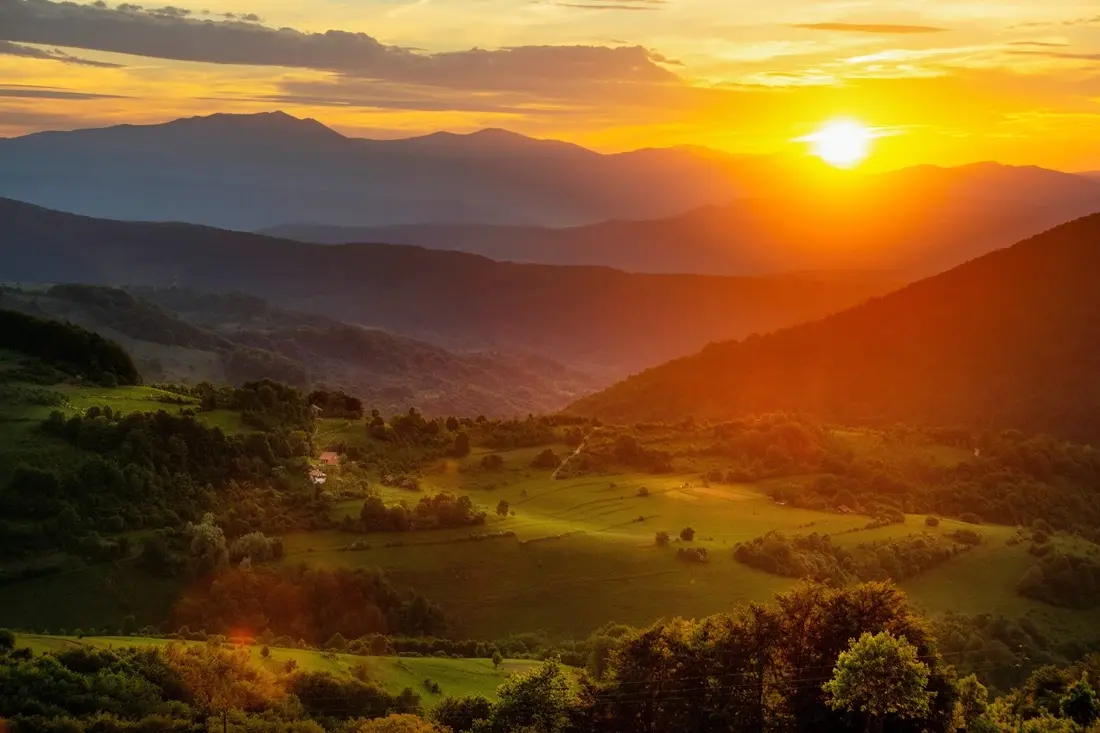
Heritage, tradition, nature, an authentic homemade table, enjoyment, and warm hospitality are the first associations with the village—places from which the roots of most people in the mountainous Balkans originate, but also enchanting areas that are becoming increasingly empty with each passing day.
We often hear the thesis that the countries formed after the breakup of the former state are “peasant countries”—regions where people lived for centuries in and with nature, from their own labor, livestock breeding, and agriculture, which shaped their character and mentality.
For centuries, our people have been deeply and inseparably connected to the land and rural areas, from which they gain not only material wealth but also peace—more precisely, things that cannot be bought with money.
Perhaps this bond seems forgotten and suppressed by modern and more profitable “businesses,” which promise a better life—but only seemingly so. There is no small number of people who have succeeded in the business world and secured a comfortable life even for their grandchildren, yet now return to the village and to essential, genuine satisfaction.
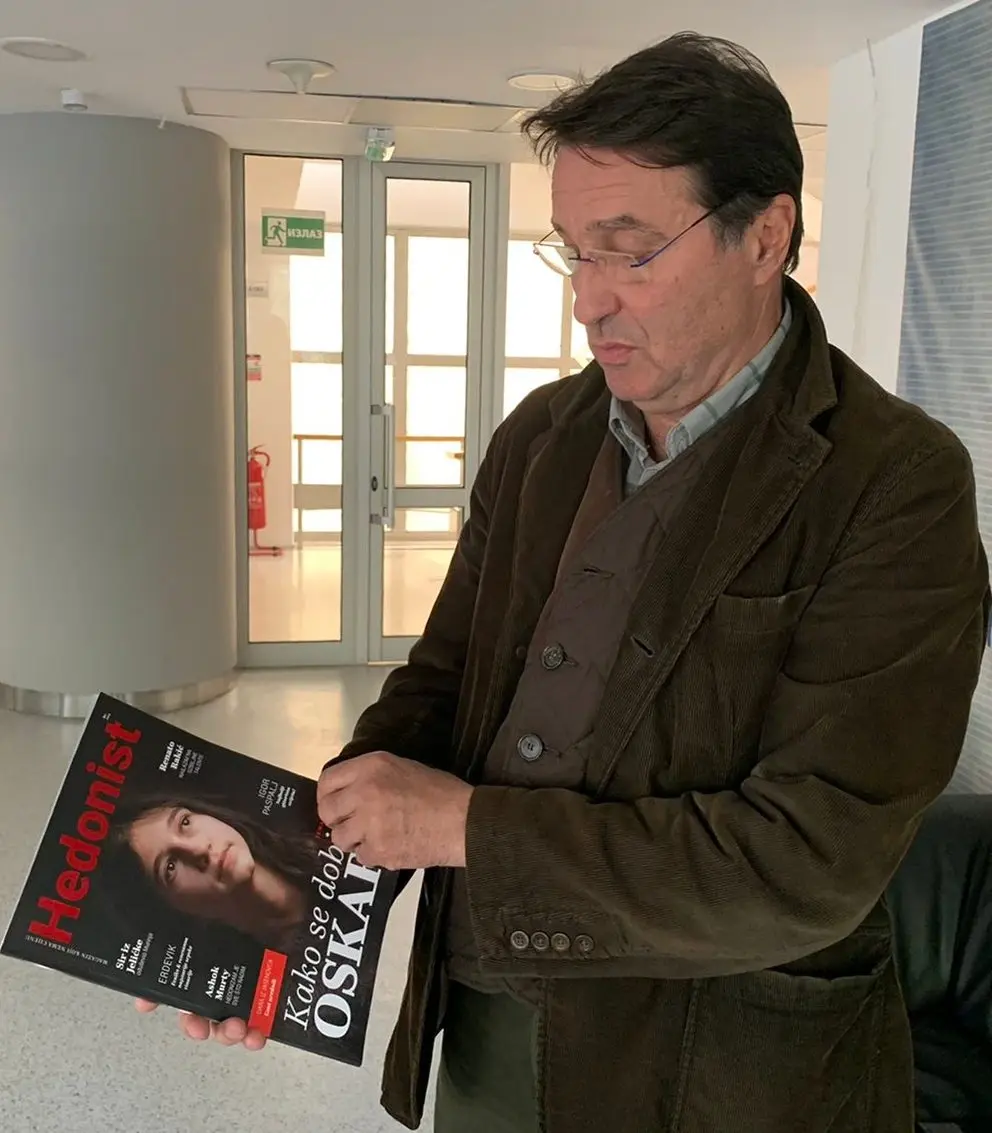
“Many people chase life in big cities—wealth, good cars, fashionable details—and once they achieve all that material success, they don’t know what to do with it. Only later in life do we realize how much peace and serenity we find in nature, in the food we produce ourselves, in the sight of flowing water. In Switzerland, only the wealthy can afford an apartment in the city and a house in the countryside, while here almost every person has that opportunity, yet we fail to appreciate it,” says for Hedonist Jovan Memedović, one of the region’s most beloved TV personalities, the author of the show Completely Natural and the host of the quiz show The Chase, who traded life in Belgrade’s elite Dedinje neighborhood for a log cabin in Bajina Bašta overlooking the Drina River.
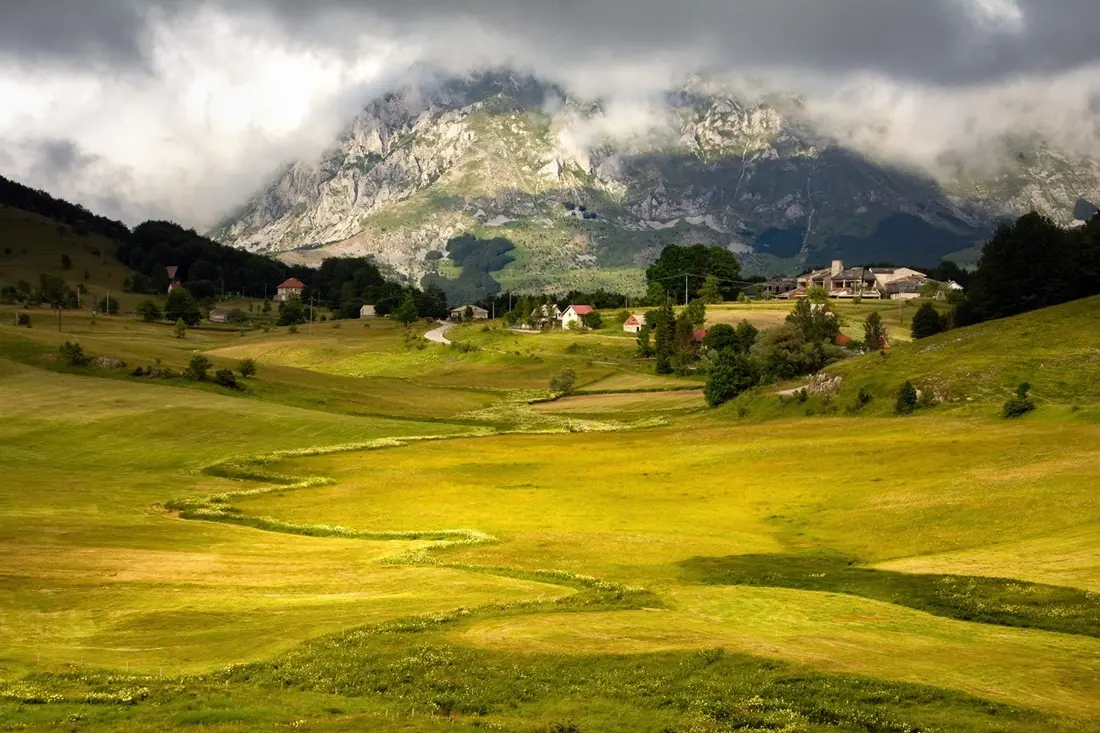
It is also true that the highest-quality wines and brandies, homemade food, and the healthiest organic products—and most importantly, a difficult-to-explain inner peace—are created precisely in villages which, according to experts, are facing extinction, leaving behind only eerie silence and magical natural beauty.
“To keep people in rural areas, it is necessary to improve the quality of life in villages through projects and modern infrastructure comparable to urban areas, such as internet access, health centers, modern schools and roads, as well as reliable electricity and water supply systems. In addition, rural tourism is expanding globally and can certainly influence the process of abandoning rural households,” explain demographers who study this issue.
That our villages are dying was confirmed by the 2013 census, which recorded more than 300 completely abandoned villages in Bosnia and Herzegovina alone. Statisticians note that in recent years, around 100,000 people from across BiH have moved to some twenty larger cities.
As a positive example of revitalizing an almost abandoned rural area, the village of Pecka near Mrkonjić Grad has stood out in recent years. There, the Pecka Visitor Center was established as an initiative by several enthusiasts with a mission to reconnect people with the village and its natural surroundings.
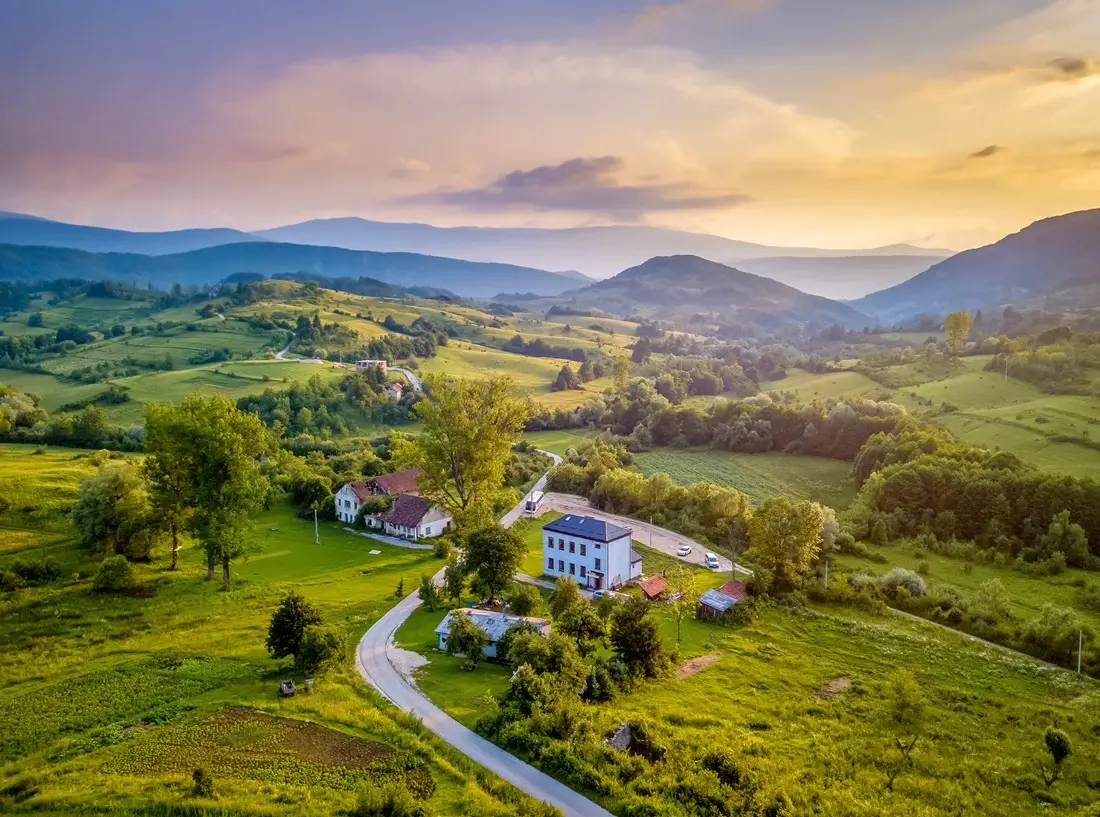
“The center is managed by the association ‘Greenways – Zelene staze,’ which brings together local experts and activists. Over the past fifteen years, we have been actively engaged in the development of rural and eco-tourism, providing sustainable solutions for regional development,” said Boro Marić from the Pecka Visitor Center. Nearby springs the Sana River, and close to its source lies the hydrological phenomenon known as an ‘estavelle,’ the Mračaj Cave.
Finally, in any story about the village and the villager, one must highlight their humor. Rural humor is a special category through which villagers, in a way, defy the modern world. It is healthy and accessible, not vulgar or crude, but simple—not focused on the body, but on wit—imbued with the sharp, calloused hardship that is an integral part of our people. Pleasure can be found everywhere, but the fact remains that the greatest elements of true hedonism are still preserved in the village. Let us preserve our villages—by doing so, we preserve our roots, our character, and who we truly are.
Differences Between Village and Rural Tourism
The terms “village” and “rural” tourism are often used interchangeably, but does the definition of village tourism encompass the same meaning as rural tourism?
Rural tourism refers to any tourist activity in a rural environment and, accordingly, includes mountain, adventure, eco, health, and various other specific forms of tourism. On the other hand, village tourism encompasses numerous activities that connect the village, agriculture, and tourism. Its most important—and also most popular—form is agro-tourism, specifically the trend of agricultural households offering hospitality and tourism services as part of their activities.