
Made in Seconds: What Remains Human When Machines Can Do Everything

![[object Object]](https://api.hedonistmagazine.net/storage/images/2026/10/0b4d2a25-a999-4b70-9519-0962a31b3a8a.webp)
From text and music to photography and design, AI is redefining creativity. What happens to talent, originality, and the value of work when a machine can produce something convincing in seconds?
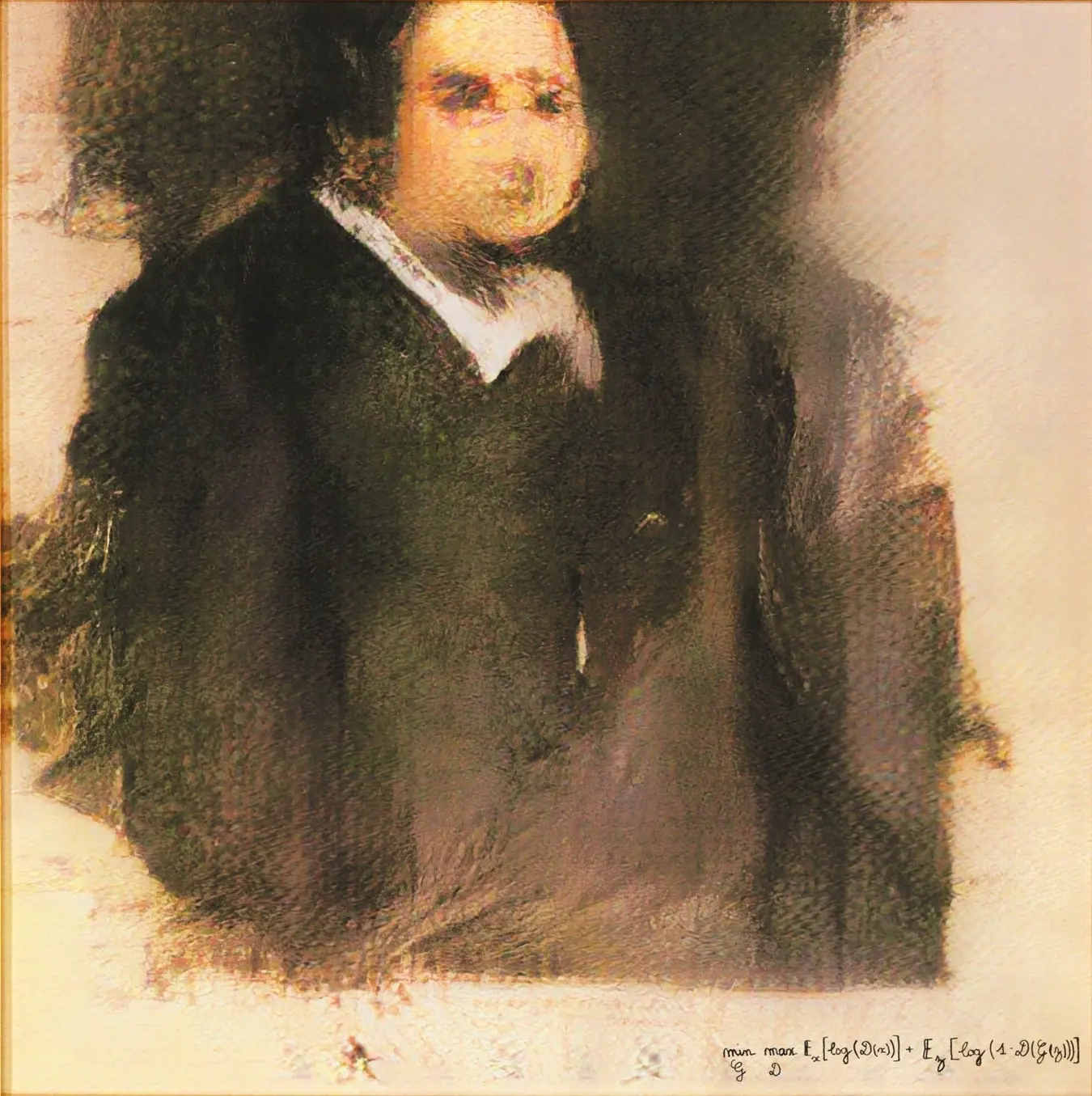
In October 2018, at Christie’s in New York, the hammer fell on a portrait of a blurry man in a dark coat, painted by no one, for $432,500. The estimate had been between $7,000 and $10,000. Edmond de Belamy was made by an algorithm, and where an artist’s signature would normally sit, in the lower right corner, there is a fragment of the mathematical formula on which that algorithm runs.
It was the first time a major auction house had sold a work of artificial intelligence, and the first time a formula had stood in for an artist’s name. A further irony followed: the code that produced the image was largely adapted from open-source work by a young programmer, Robbie Barrat, who was not among those who profited. Eight years on, the portrait looks like a toy from another era. The question it raised has not aged at all.
Prizes, Scandals and the Song Drake Never Sang
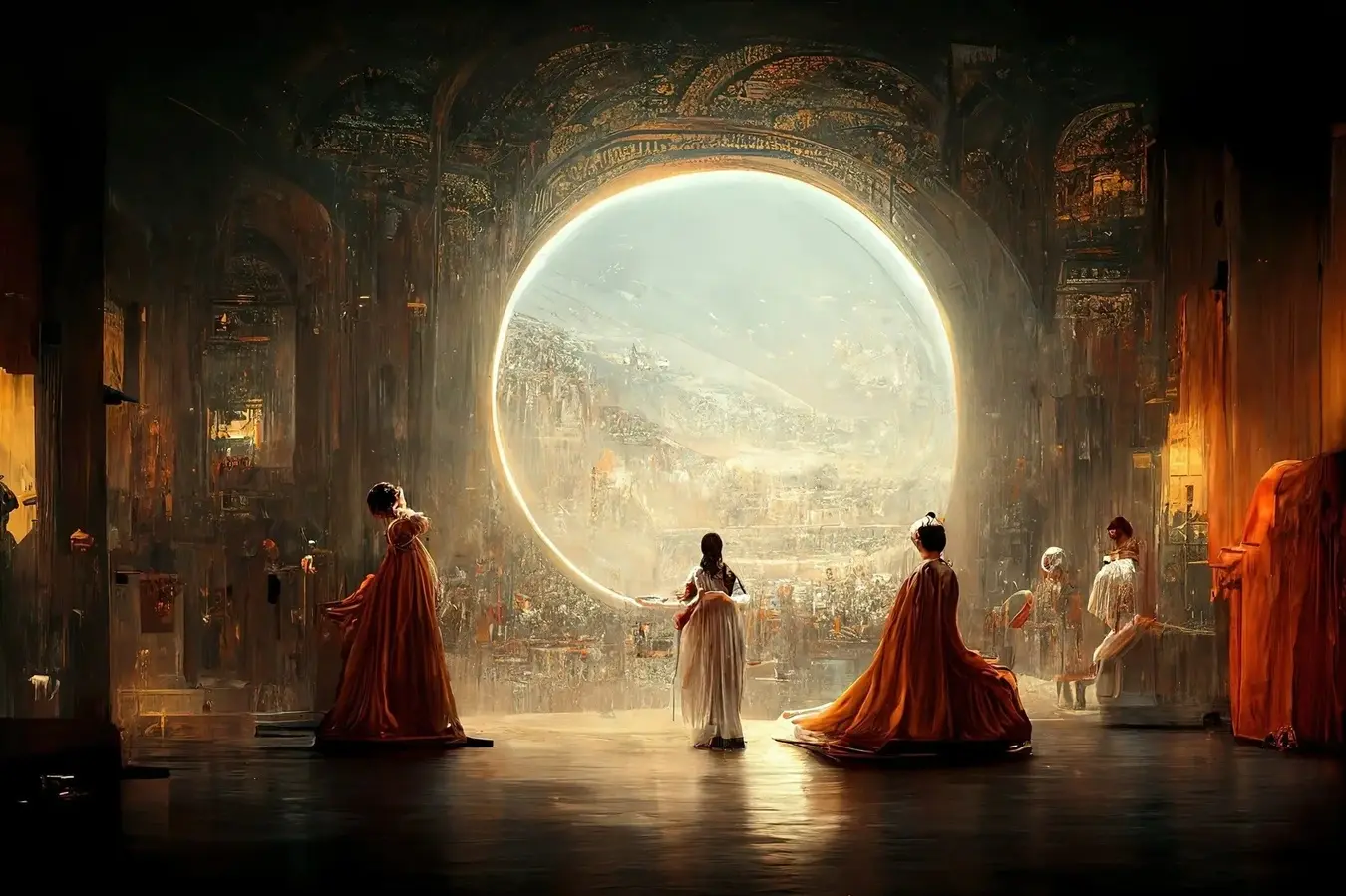
The portrait was followed by a series of questions for which nobody had an answer ready. At the Colorado State Fair in 2022, first prize in the digital art category went to Théâtre D’opéra Spatial, made with the program Midjourney. A year later, the photographer Boris Eldagsen declined a Sony World Photography Award for an image that was not a photograph at all but the product of artificial intelligence, saying he wanted to test whether such competitions were ready for what was coming. They were not.
In April 2023, a song called “Heart on My Sleeve” spread across the internet, featuring voices that sounded like Drake and The Weeknd but were generated, not recorded. Listeners shared it millions of times before it was pulled from streaming platforms at the request of a record label. Neither singer had opened his mouth.
The Average That Looks Like Perfection
What is most interesting about all this is not how convincing the results are, but why they are convincing. Language and image models learn what is probable: which word follows which, which color sits beside which, what a chorus people love sounds like. The result is something that resembles the best possible average.
Originality, however, is the opposite of the probable. A 2024 study in Science Advances found something telling: short stories written with the help of AI-generated ideas were rated individually as more creative, but taken together they were more similar to one another. Each writer ended up with a slightly better story, and all of them together ended up with less variety. The machine, in short, is an excellent tool for raising the floor, but left to itself it gravitates toward the middle.
We Have Been Here Before
The fear that technology will kill a craft is as old as technology. In 1859, the poet and critic Charles Baudelaire declared photography the refuge of every would-be painter too poorly gifted, or too lazy, to finish his studies. Painting survived, and many argue that photography actually liberated it from the duty of faithfully depicting the world, sending it off toward what the camera could not capture.
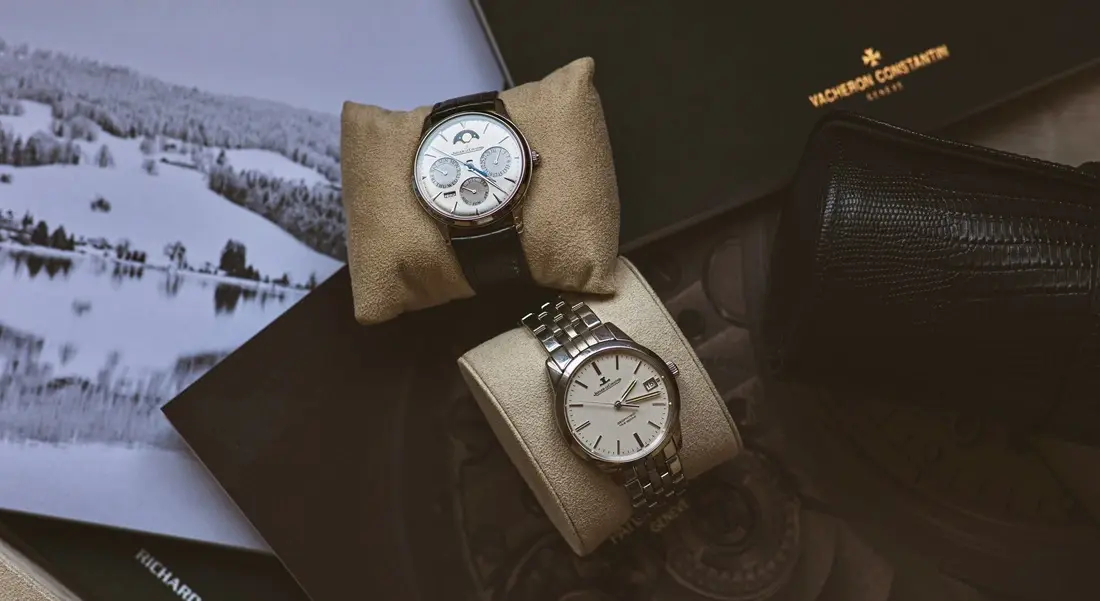
The story of the wristwatch is even more instructive. In the 1970s, the quartz movement produced a watch more accurate than any mechanical one, and for next to nothing. The Swiss industry lost a great many jobs. Then something nobody had planned happened: mechanical watches, costlier, slower and less accurate, became luxury objects. People now buy precisely what the machine made unnecessary, because it carries the trace of a hand and of time.
The Law Asks for a Hand
It is telling where society and the law have drawn their line. The US Copyright Office has repeatedly held that a work with no human author cannot receive copyright protection, and that a person must have made a genuine creative contribution. Something similar happened in Hollywood in 2023, when screenwriters struck for 148 days. One of the key outcomes was a contract stating that material generated by artificial intelligence cannot be considered literary material, and that a machine cannot be named as its author.
In other words, wherever money and accountability were at stake, a human being was required. Not because humans are better, but because someone has to sign.
What Cannot Be Produced in a Few Seconds?
If a machine can produce technical skill, what remains harder for it to steal is the fact that someone invested time, took a risk, and put something of themselves on the line. Several experiments show that people rate the very same work lower when told it was made by AI. Not because it is worse, but because it evidently matters to them that someone stands behind it, someone who could have gotten it wrong.
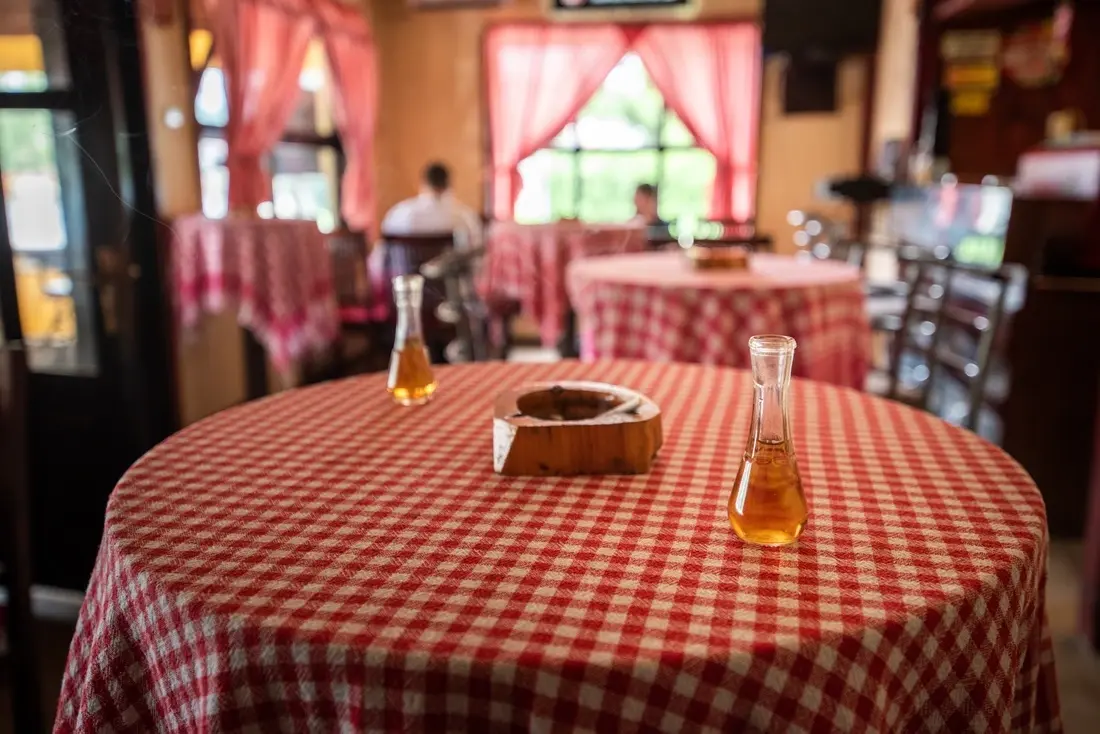
Anyone who has ever listened to a sevdalinka, the melancholy urban love songs of Bosnia, in a café late at night knows that the difference is not in the tone. A machine can write verses about parting and set them to a melody that will convincingly make us sad. But a sevdalinka is not sung by what is perfect. It is sung by someone who has lost someone, and an audience can hear that even when it does not know the story.
Perhaps, then, the question at the start is the wrong one. It is not a matter of what humans can still do better than machines. In many things the machine will be better, faster and cheaper. The question is what, in anyone else’s work, we ever cared about besides the result.
On the portrait from 2018, the signature was a formula. The next time we stand before a work looking for a signature, we may not be looking for a name at all, but for someone willing to stand behind it.
- Written by Ognjen Tešić / HEDONIST