

Medici in Hoodies: How a New Generation Is Changing the Rules of Giving - and What It Wants in Return

![[object Object]](https://api.hedonistmagazine.net/storage/images/2026/10/92f60497-98bc-41b8-b06d-0df012b3fb51.webp)
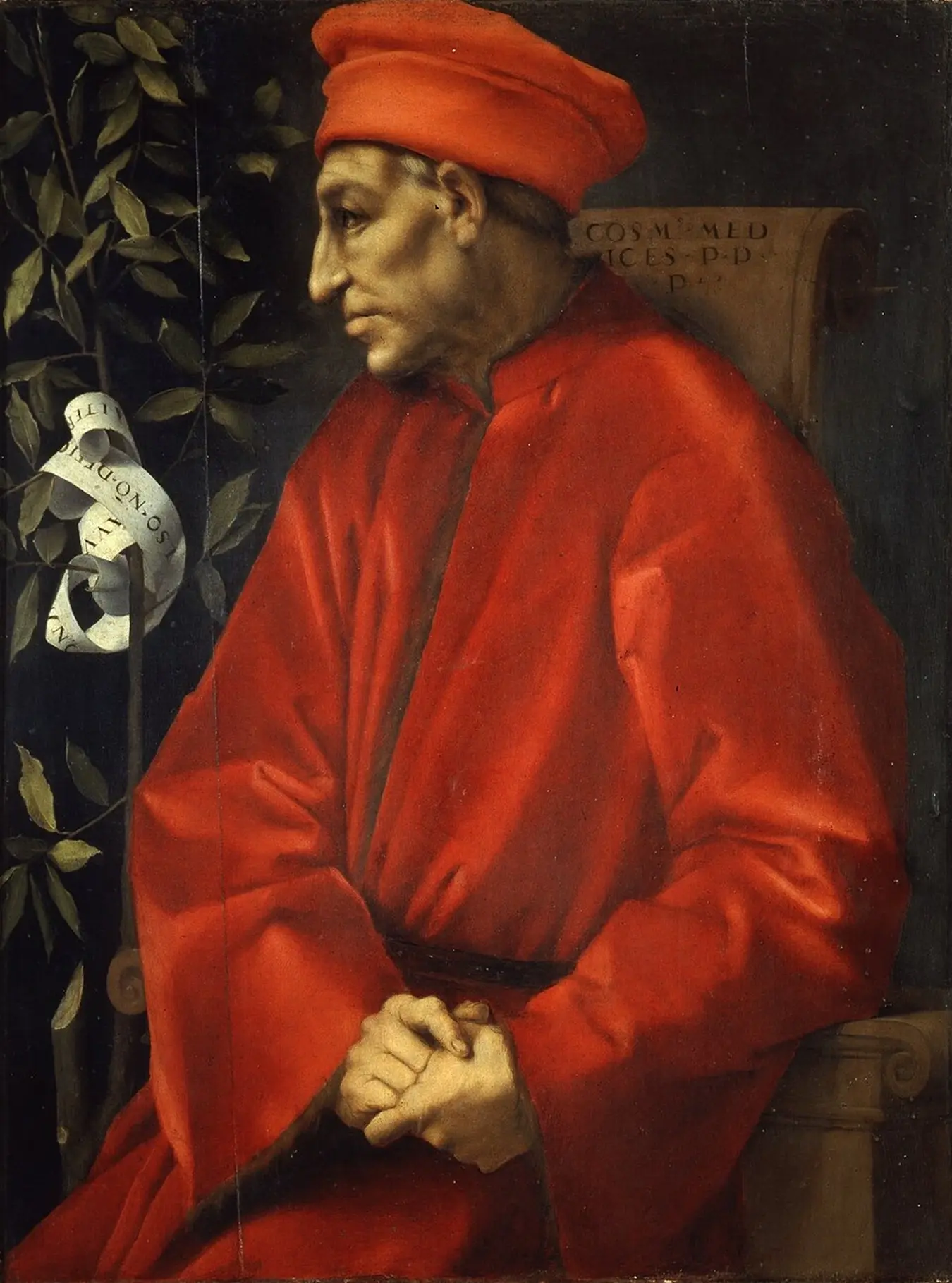
Before he began restoring the monastery of San Marco in Florence, the city’s most powerful banker turned to the pope. Cosimo de’ Medici dealt in money, and in the fifteenth century, money carried the burden of usury, a sin that was hard to absolve.
Pope Eugenius IV, also the Medici bank’s most important client, resolved the matter in a way that suited them both: in return for the enormous sum Cosimo invested in the Church, he issued a papal bull that effectively freed the banker from his sin. The monastery received Fra Angelico’s frescoes in every cell, Cosimo secured his place in art history, and Florence gained a man of whom Pope Pius II would later say that he decided matters of peace and war from his own home. Generosity was at once an act of penance, a form of publicity and a political instrument.
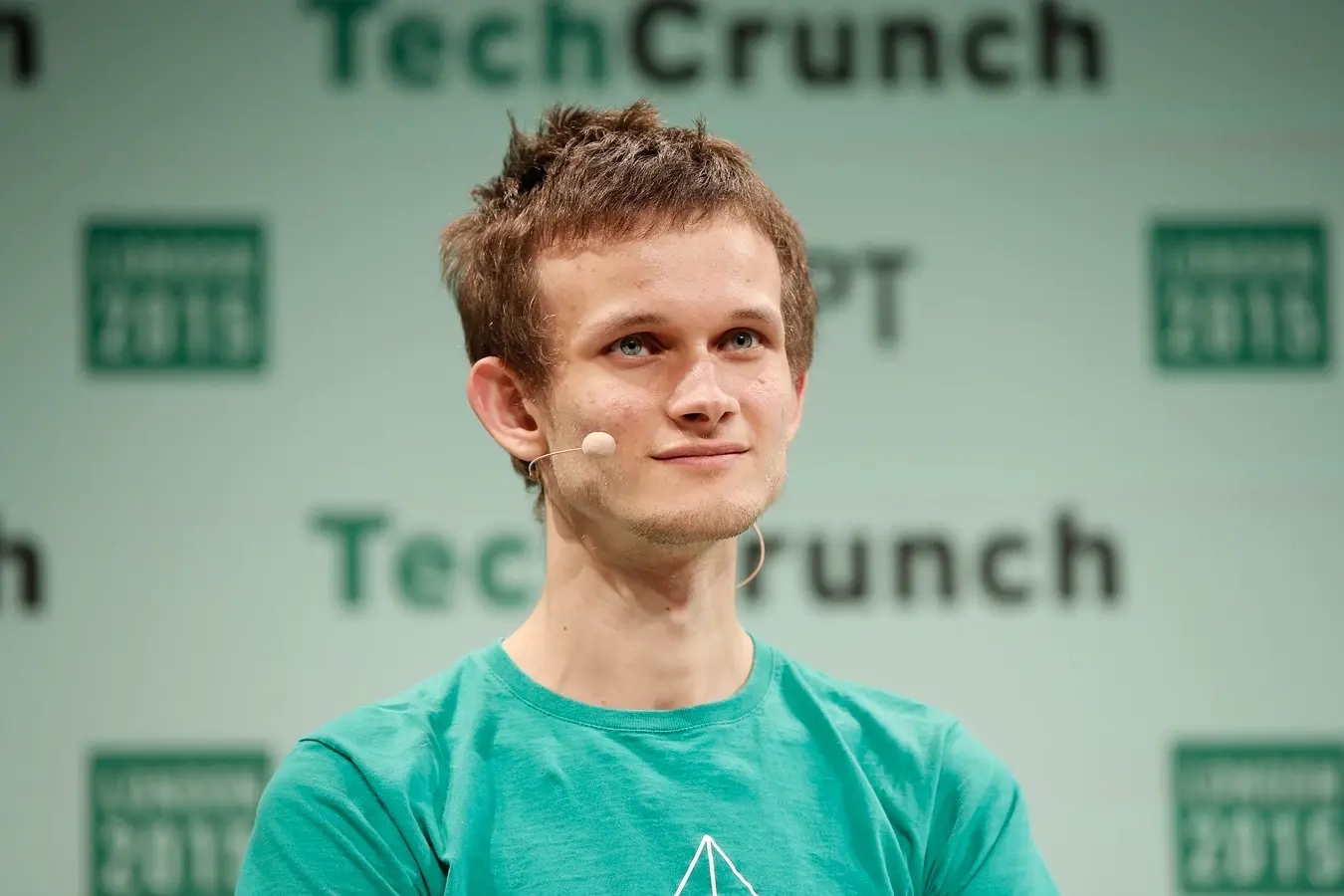
Nearly six centuries later, on 12 May 2021, 27-year-old programmer Vitalik Buterin made a single transaction sending more than 50 trillion Shiba Inu tokens - a cryptocurrency named after a Japanese dog breed - to a fund supporting India during the height of the pandemic. On paper, the donation was worth $1 billion. Episodes like this have given rise to a phrase heard with increasing frequency: the new Medici, a generation that sees giving less as a black-tie gala than as a startup for building a better future.
The label, however, may be premature. Buterin was born in 1994, making him technically a millennial, while Generation Z, generally defined as those born between 1997 and 2012, has only just begun to approach its thirties. But the direction in which money is moving and the way it is being given is already changing.
Who Are These Young Donors, Really?
The image of a twenty-something crypto billionaire saving the world in a hoodie is compelling. Research, however, points to a more prosaic reality. According to a survey by the Chronicle of Philanthropy, only 19 per cent of Gen Z respondents say they donate money, yet as many as 84 per cent support nonprofit organisations or causes in some way. A third volunteer, while a quarter follow and promote causes on social media.
A 2025 report from Indiana University adds another dimension: younger donors tend to give to causes rather than institutions, participate more frequently in crowdfunding, and increasingly support charities through influencer-led livestreams. They are also less likely than older generations to donate to educational institutions.
One of the most striking examples is a man who turned YouTube into a fundraising platform. Jimmy Donaldson, better known as MrBeast, was born in 1998. At 23, in 2021, he joined forces with Mark Rober to launch #TeamSeas, a campaign that aimed to raise $30 million and remove 30 million pounds of rubbish from the oceans. More than 8,000 creators from 145 countries took part. There was no gala dinner. There was a link in a video description.
Money That Moves at the Speed of the Internet
When Russia invaded Ukraine in 2022, a group of crypto activists brought together under the Ukraine DAO banner auctioned an NFT of the Ukrainian flag and raised 2,258 ether - worth approximately $6.75 million at the time - within days. More than 3,200 individual contributions were made, with the proceeds going to the Come Back Alive foundation. According to blockchain analytics firm Elliptic, cryptocurrency donations to Ukraine eventually exceeded $78 million.
Speed was only part of the story. The other novelty was visibility: every transfer can be traced on the blockchain, replacing the anonymous benefactor with a publicly accessible record.
Decentralised organisations, however, can get things wrong, too. In 2021, ConstitutionDAO raised more than $40 million in an attempt to buy a rare copy of the US Constitution. It lost at auction. Collective decision-making can be fast, but it is not infallible.
From Stone to Systems
Traditional donors often sought to leave their names in stone: a museum wing, a university hall, a library. In philanthropic circles, this impulse is known as the edifice complex.
Consider instead where Buterin sent the rest of his money that same day. Some $336 million went to the Methuselah Foundation, which focuses on regenerative medicine and extending the human lifespan, while more than 13,000 ether went to GiveWell, an organisation that identifies some of the world’s most effective charities. The remaining tokens went to the Future of Life Institute, which works on existential risks. According to Buterin, once converted into cash, that portion was worth around $500 million.
There were no buildings bearing anyone’s name on that list. There were lives, health, and the survival of the species.
The Cost of Speed
Speed has a downside. The value of Shiba Inu fell by roughly a third immediately after Buterin’s donation, and by July 2021 the fund that received it had managed to convert only about $20 million in tokens into cash, out of holdings then worth approximately $313 million.
The money raised by #TeamSeas came in within weeks, but the cleanup itself moved more slowly. By May 2023, 15.1 million pounds of rubbish had been removed - exactly half the target - with 112,000 volunteers participating across 63 countries.
The starkest lesson came from Sam Bankman-Fried, then 30, who summed up his philosophy as becoming “filthy rich” to give money away. His Future Fund, launched in February 2022, pledged around $160 million to projects ranging from pandemic prevention to artificial intelligence. When FTX collapsed in November 2022, the fund’s entire team resigned, warning that many of its promised grants would probably not be fulfilled.
Philanthropy built around a single source of profit inherits that source’s fragility.
Who Gets to Ask the Public?
In his book Just Giving, Stanford political philosopher Rob Reich argues that philanthropy is a form of power that deserves democratic scrutiny. Tax deductions disproportionately benefit the wealthy, while major foundations can spend decades imposing the priorities of donors who have long since died.
Reich also acknowledges philanthropy’s virtues: private money can fund experiments that governments and markets are unwilling to take on. But the question becomes more pressing when a single twenty-something can finance an entire field of research or a social movement overnight - without a vote, without oversight, and without anyone with the authority to say no.
The Medici, after all, had already shown where such power could lead when nobody asked questions.
A Great Wealth Transfer - and a Small Beginning
The figures most often cited in discussions of this shift concern the so-called “great wealth transfer”. According to Cerulli Associates, $124 trillion is expected to change hands in the United States by 2048, including approximately $105 trillion passed to heirs and around $18 trillion directed towards charitable causes. An earlier estimate, published in 2021 and still frequently quoted, put the total at $84 trillion.
The largest shares are expected to go to millennials, at around $46 trillion, and Generation X, at approximately $39 trillion. Generation Z’s turn is still largely ahead. For now, then, the new Medici are more a forecast than an established reality.
The Medici are remembered for the frescoes that adorned monastery cells, but also for the way one banking family helped buy the allegiance of an entire city through its generosity. Today’s generation has tools its predecessors could scarcely have imagined: public records, instant transfers and data that can measure impact.
Whether it will use those tools to give others a greater say - rather than simply to exercise more power itself - is a question that will be answered by the trillions still to come.