

The Pink Town on a Cliff: Spain’s Hidden Secret Few People Know About

![[object Object]](https://api.hedonistmagazine.net/storage/images/2026/06/d0eff9c4-76f7-431f-b35f-077343ff70ae.webp)
Some places seem as if they were created from a painter’s imagination rather than from history. Towns whose streets look like film sets, whose walls guard centuries of stories, and where every corner appears to be a perfect photograph. One such place lies in the heart of Spain, far from the crowds of Barcelona, Madrid, and Seville. Its name is Albarracín.
Perched on a rocky cliff above the Guadalaviar River, surrounded by mountains and almost completely hidden from the main tourist routes, Albarracín frequently appears on lists of Europe’s most beautiful medieval towns. Yet outside Spain, surprisingly few people have heard of it.
And that is part of its magic.
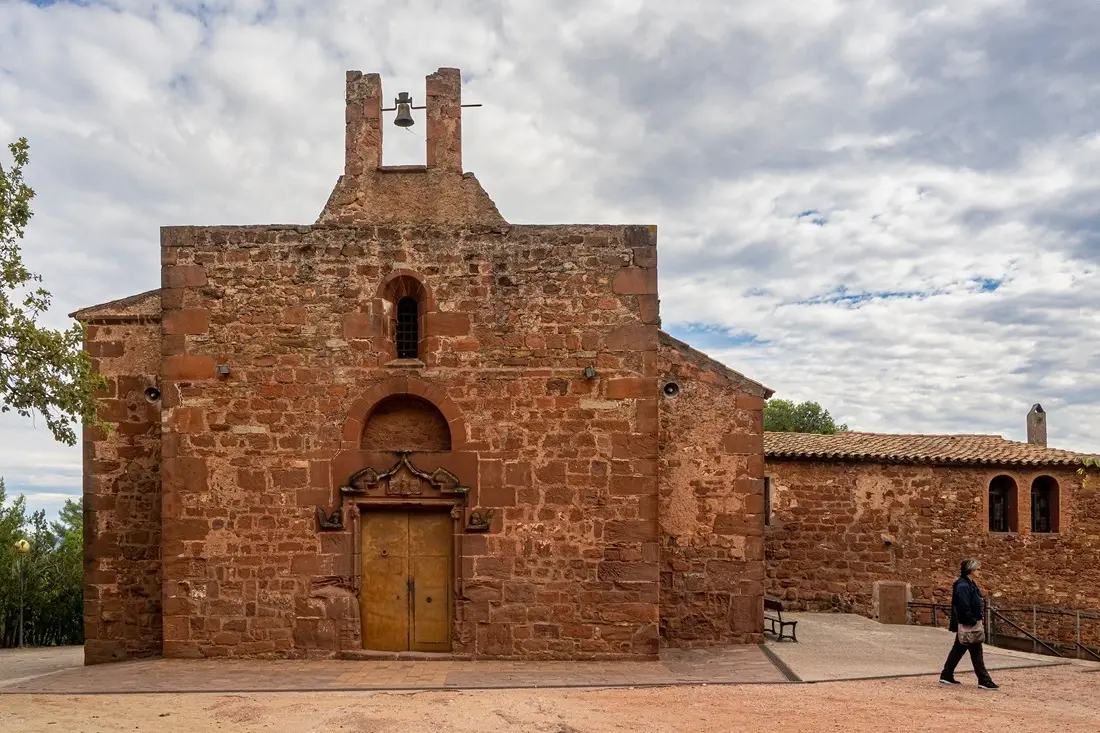
A Town That Preserved Time
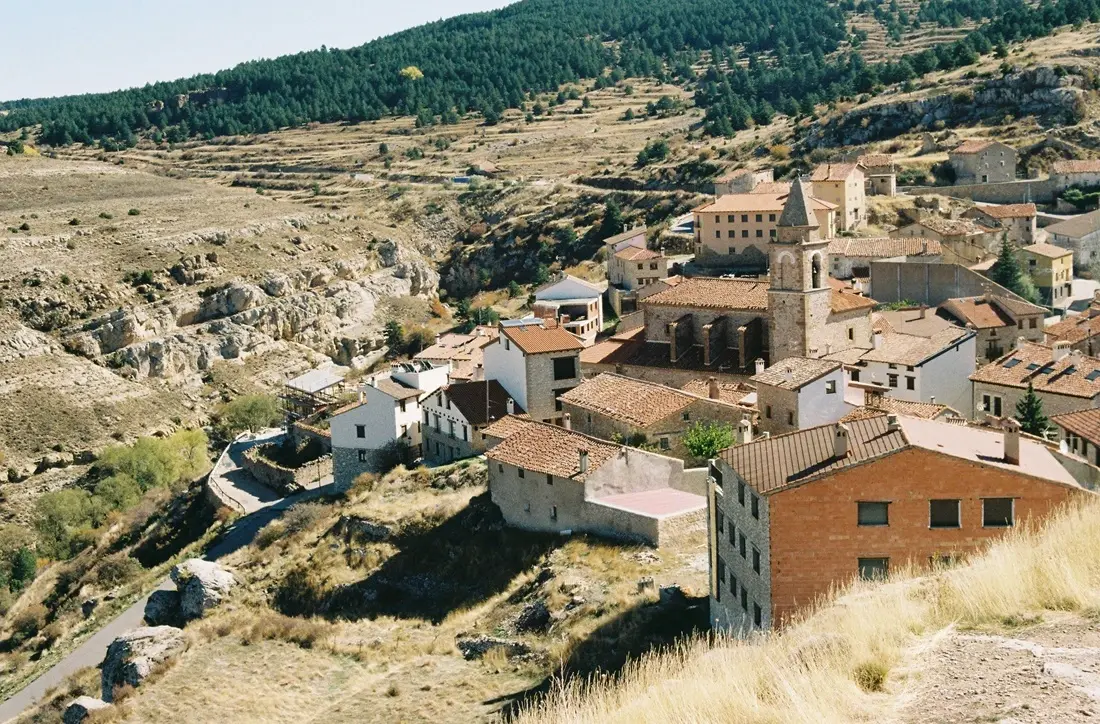
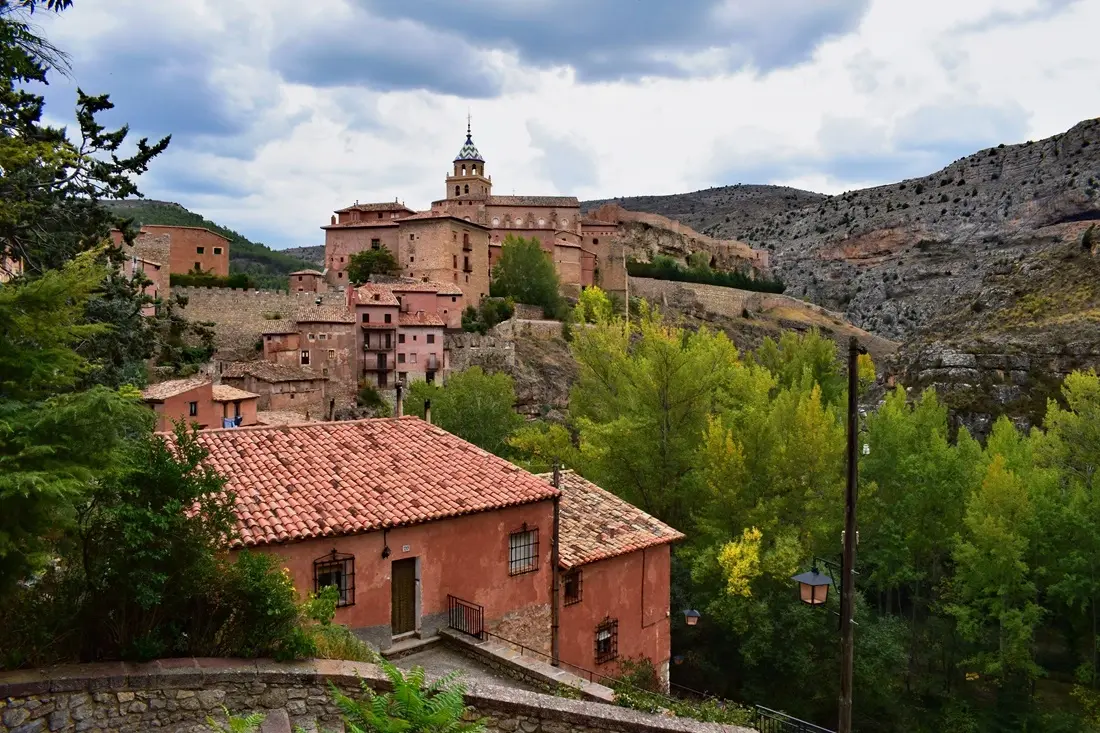
The first glimpse of Albarracín feels almost unreal. Terracotta-colored houses climb the steep hillside, ancient walls wind across the surrounding ridges, and narrow stone streets lead through a maze that has remained almost unchanged for centuries.
There are no modern buildings disrupting the panorama. No oversized advertisements, glass façades, or urban chaos. Everything looks as though it has been frozen in another era.
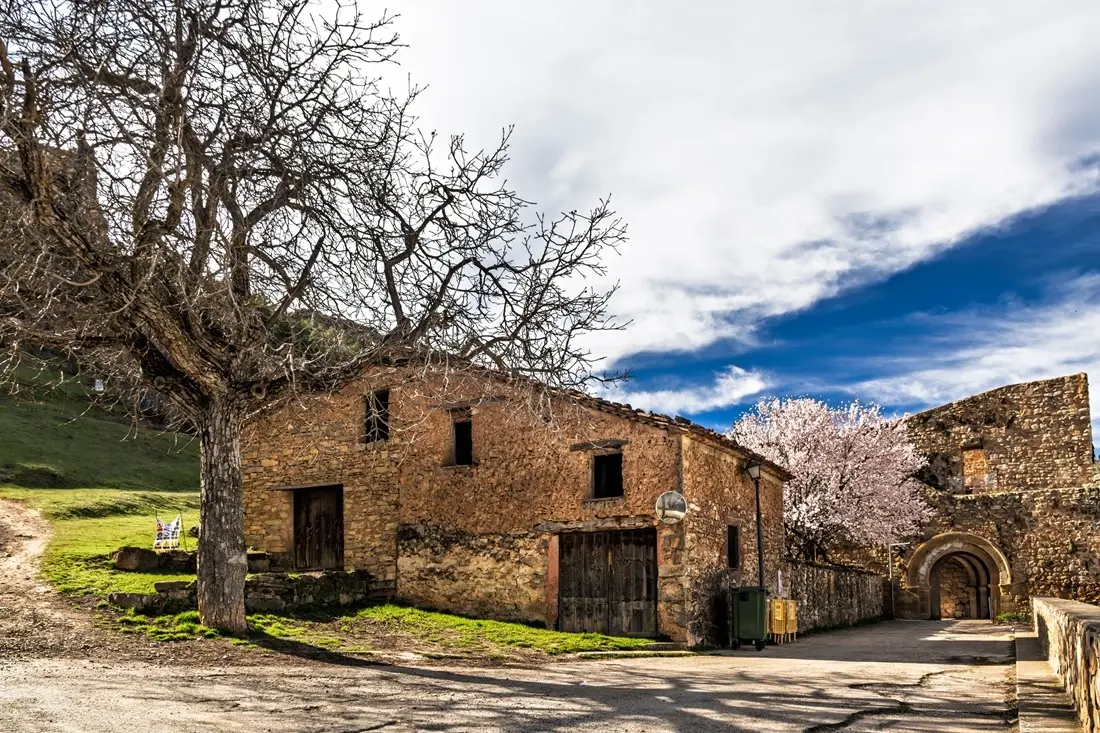
Thanks to its exceptionally well-preserved medieval architecture, many travelers describe Albarracín as one of the most authentic historic towns in Europe.
A Fortress Above the Clouds
The history of Albarracín stretches back more than a thousand years. The town takes its name from the Berber family Banu Razin, who established a small kingdom here during the Muslim rule of the Iberian Peninsula.
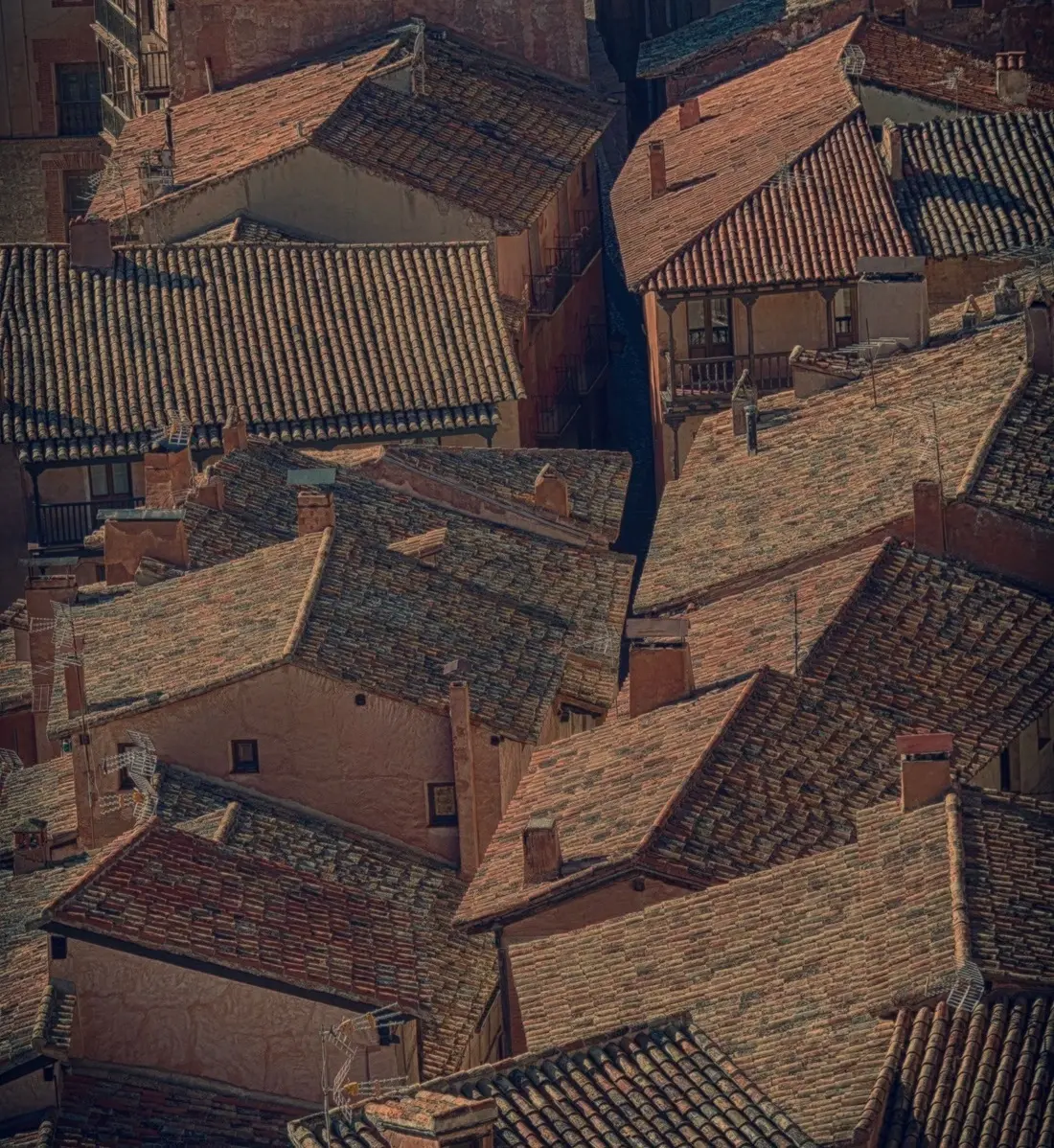
Thanks to its dramatic position on a rocky outcrop, Albarracín was almost impossible to conquer. Even today, the remains of the Alcázar fortress dominate the skyline, alongside impressive medieval walls that extend across the surrounding hills.
The walk up to the walls is not particularly demanding, and the view that unfolds over the red rooftops, valley, and mountains is among the most beautiful in Spain. It is especially breathtaking at sunset, when the entire town takes on a soft pink glow.
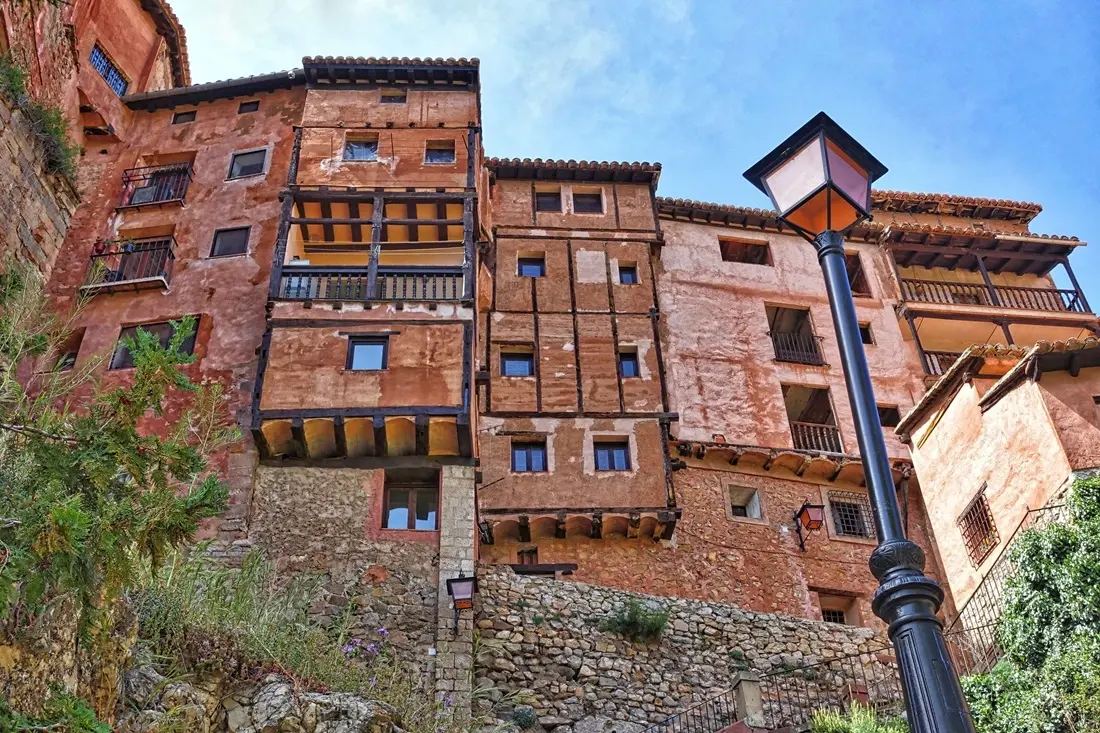
Streets Made for Getting Lost
The best way to experience Albarracín is to abandon your plan.
There is hardly any need for a map here. Every street leads to a new square, an old stone house, a wooden balcony overflowing with flowers, or a viewpoint overlooking the surrounding mountains.
Some streets are so narrow that two people can barely pass each other. Because of this, Albarracín never feels like a tourist attraction - it feels like a place that still belongs to its residents.
Walking through the town is less like sightseeing and more like traveling through time.
The Flavors of Aragón
Although small, Albarracín has a rich gastronomic tradition. The cuisine of this region of Spain is based on simple yet high-quality ingredients.
Tables are often filled with lamb dishes, cured meats, local cheeses, and game from the surrounding mountains. Particularly renowned are the traditional sausages and the famous Teruel ham, which many consider among the finest in Spain.
With a glass of local wine and a view of the stone streets illuminated by evening lights, it is easy to understand why visitors often stay longer than they originally planned.
A Paradise for Photographers
Few European towns are as photogenic as Albarracín. Morning mist drifting through the valley, golden evening light, terracotta façades, and ancient stone passageways create scenes that look like postcards.
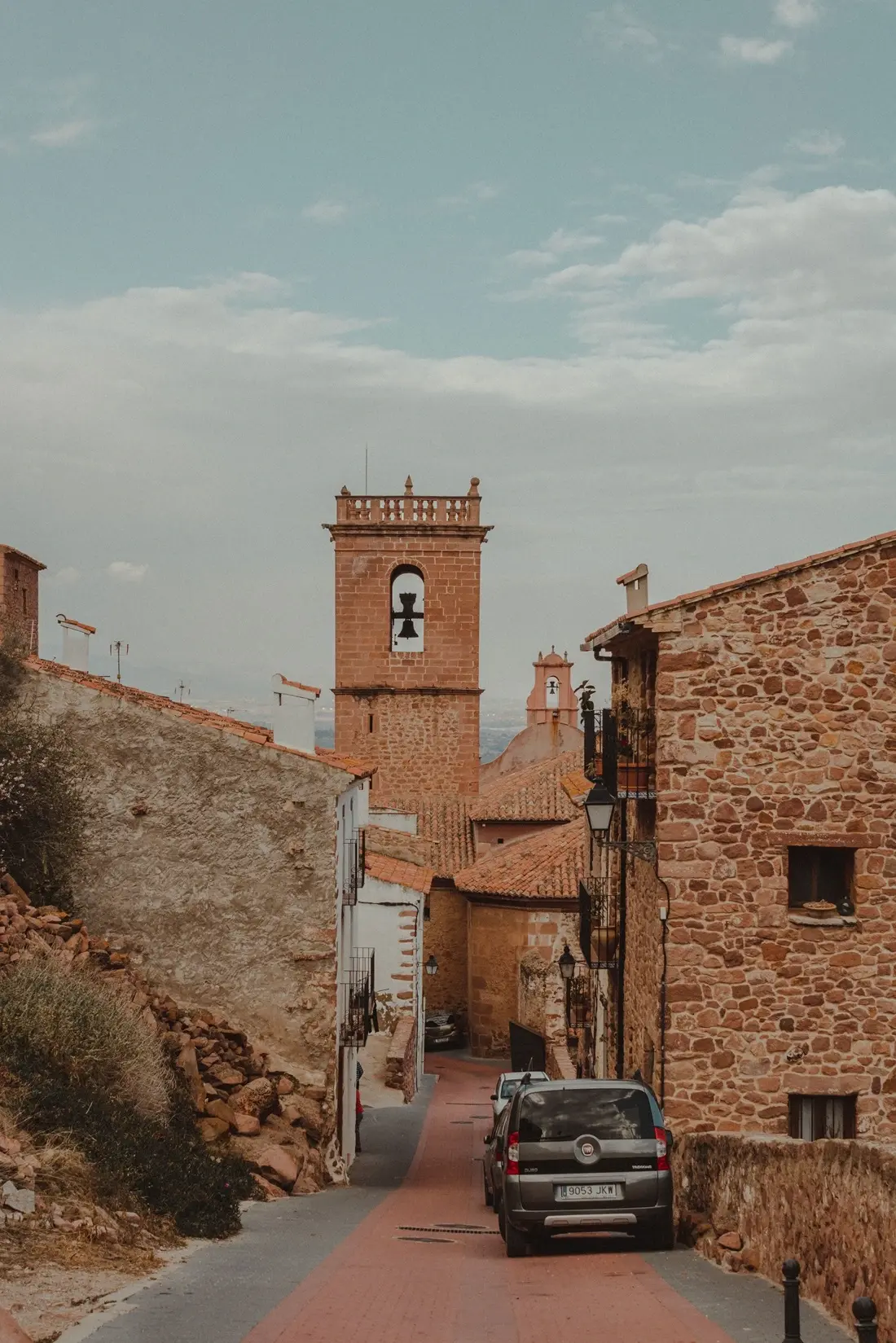
It is no coincidence that Albarracín regularly appears on lists of Europe’s most photographed hidden destinations. Here, it is almost impossible to take a bad picture.
And perhaps even more importantly, it offers the rare feeling that you have discovered one of Europe’s last great secrets.