

When a Car Becomes a Work of Art

![[object Object]](https://api.hedonistmagazine.net/storage/images/2026/02/08ef5c19-da14-4009-b3ce-335968f207b0.webp)
In a world where luxury is no longer defined by necessity but by experience, there are cars that are not simply bought - they are created. They do not wait for their owners in showrooms; instead, they emerge through conversations, sketches, and months of handcrafted work, shaped according to the desires of individuals for whom price has never been the deciding factor.
Today’s most expensive automobiles are not merely means of transportation. They are expressions of identity, status, and aesthetics - moving sculptures that unite technology, design, and the philosophy of hedonism.
Luxury Begins with Details
Unlike mass production, the world of ultra-luxury automobiles adheres to the principles of haute couture. Just as a suit is tailored to fit a single person, these cars are crafted from the ground up - from the type of wood used in the interior to leather shades often developed exclusively for one client.
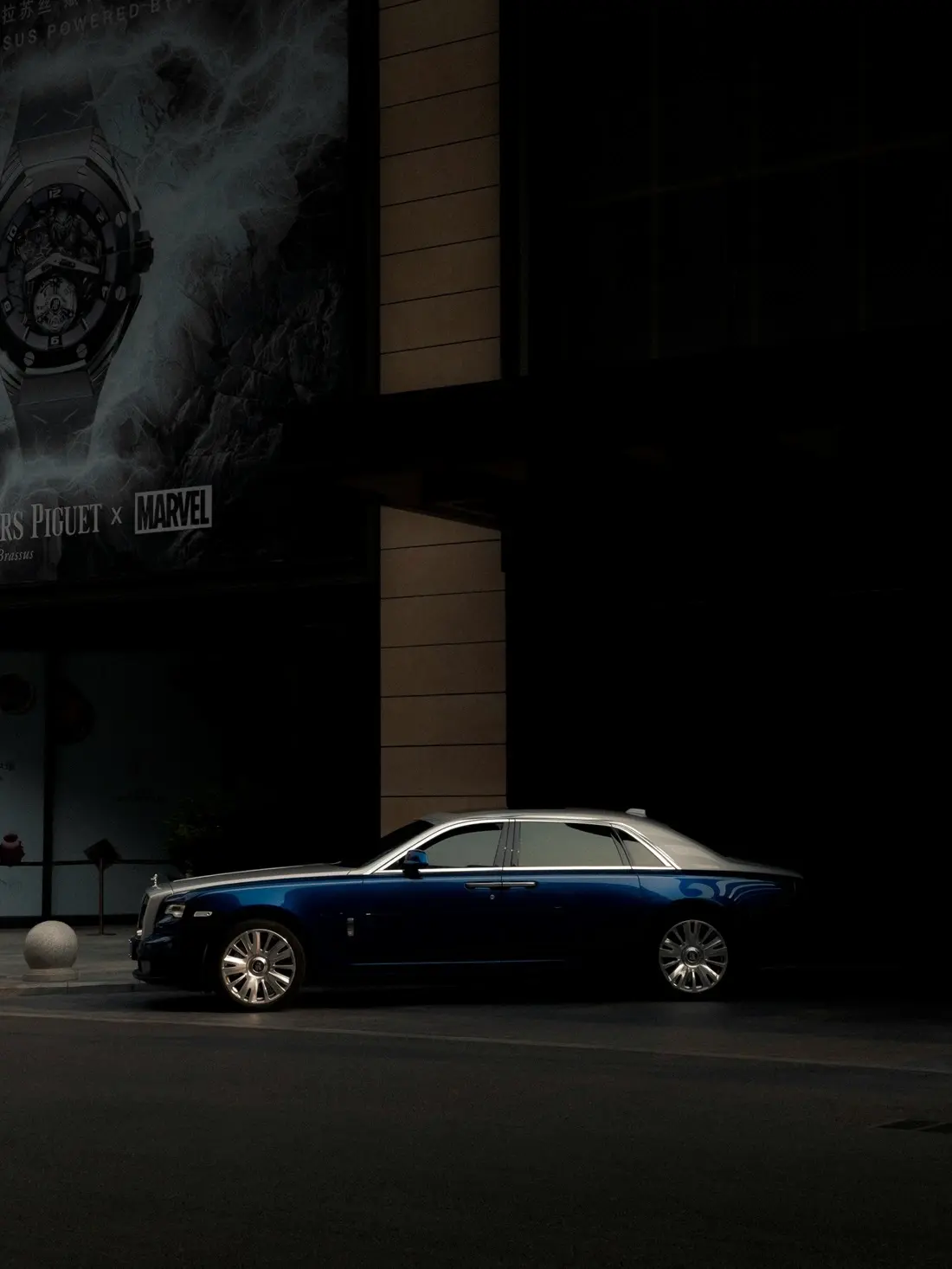
The process can take years. Designers, engineers, and artisans collaborate to create an object that resembles a piece of art more than an industrial product.
In this world, perfection is not an option - it is the standard.
The Car as a Personal Story
Those who commission such automobiles are not merely seeking speed - at least not only speed. They seek uniqueness.
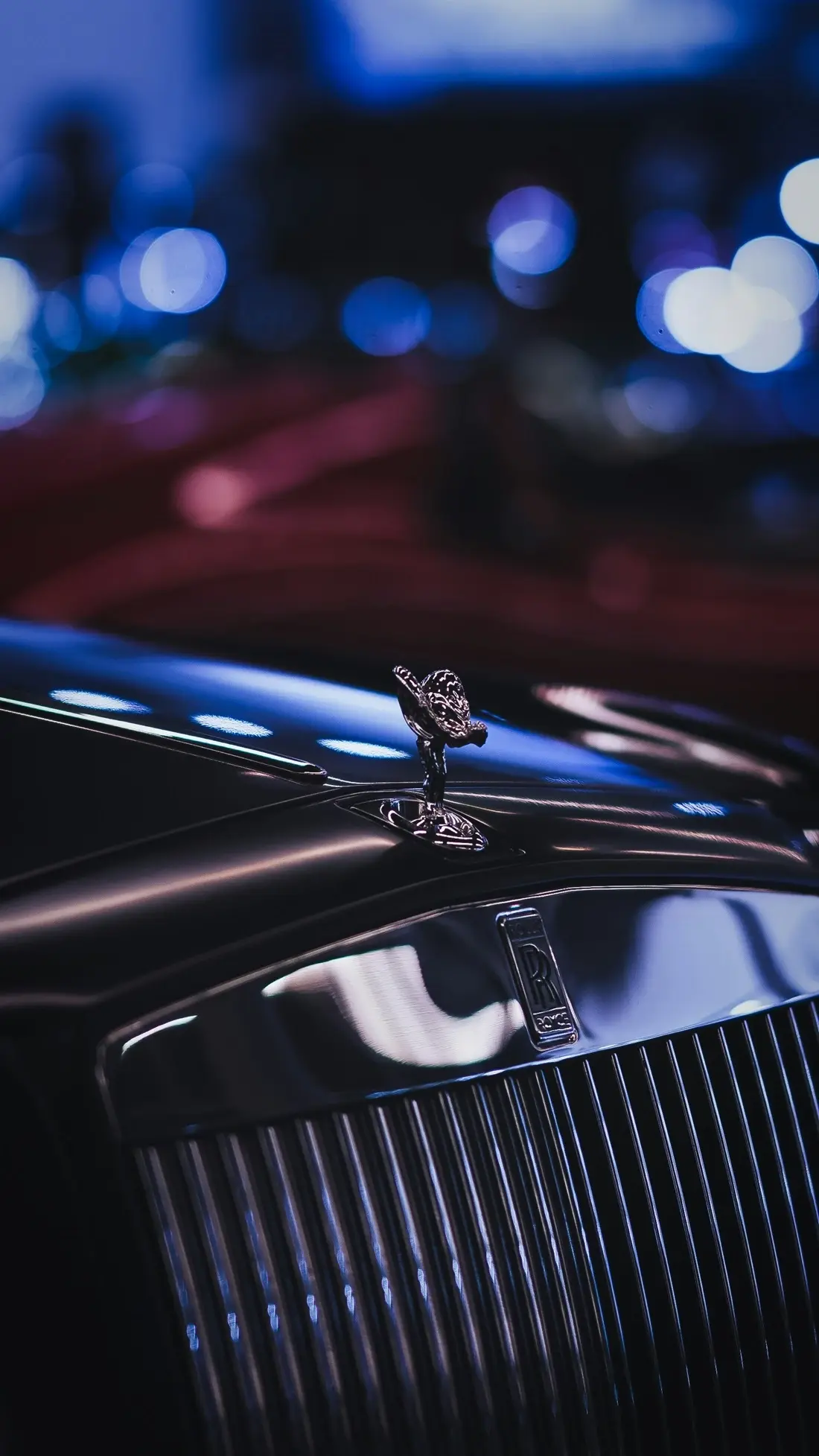
Every detail reflects the owner: discreet monograms are stitched into seats, handcrafted panels, custom compartments for watches, and crystal glasses are hidden within the rear cabin. The car becomes an extension of personality, a private space that transforms travel into a ritual.
That is why it is often said that the world’s most expensive cars are not made for the market, but for one individual.
Three Philosophies of Luxury
Although they belong to the same world of exclusivity, the greatest names in luxury automotive design represent entirely different visions of prestige.
Rolls-Royce embodies aristocratic silence and elegance. Driving is not a display of power, but a feeling of complete calm - as if the world itself moves more slowly.
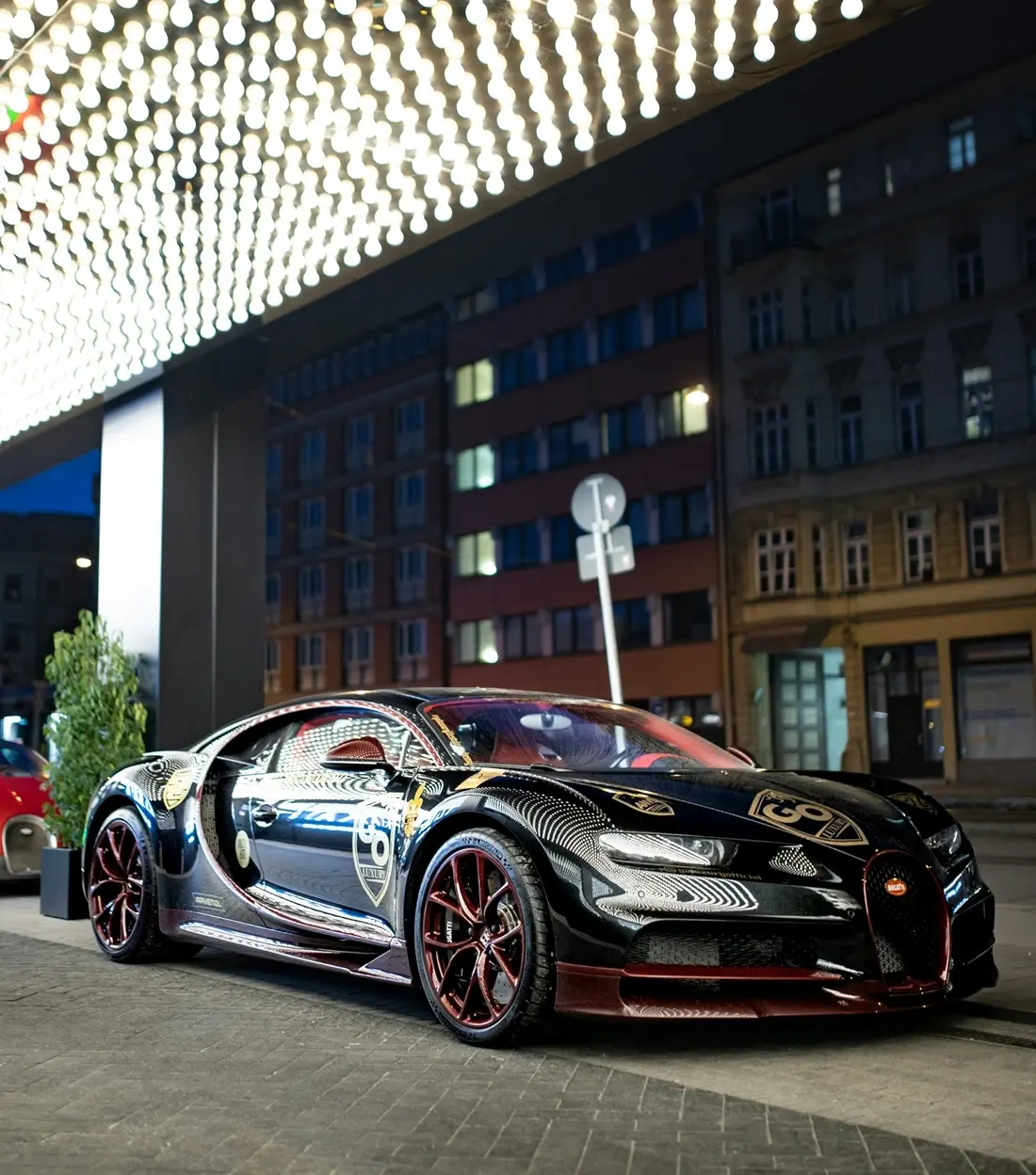
Bugatti represents the fusion of extreme performance and perfect aesthetics. Here, speed is not aggression, but engineering artistry pushed to the limits of possibility.
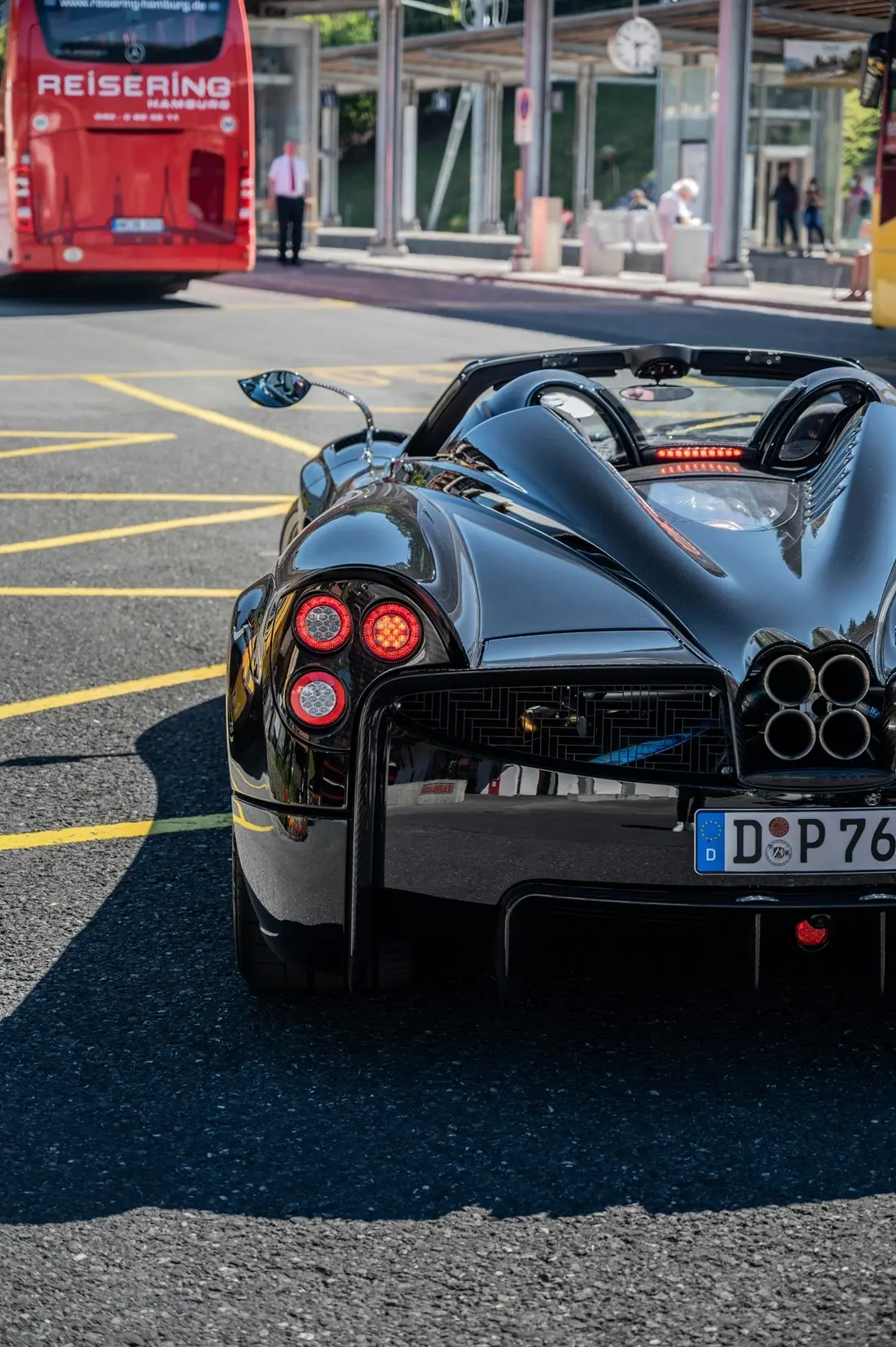
Pagani, on the other hand, feels almost romantic. Each automobile is crafted like an Italian sculpture, where emotion and design are as important as technical mastery.
Why the Unattainable Fascinates Us
Most people will never sit behind the wheel of a car worth tens of millions of euros. Yet fascination with them never fades.
The reason lies not only in luxury but in the idea of perfection. In a world of mass production, such creations remind us that there is still space for slowness, dedication, and craftsmanship - values becoming increasingly rare.
They represent the peak of human ambition to create something beyond function, something that exists purely for the experience it provides.
Hedonism on Four Wheels
Perhaps the greatest value of these automobiles lies neither in speed nor price, but in the philosophy they embody. They demonstrate that luxury is not excess, but attention to detail and the quality of experience.
True hedonism is not measured by quantity, but by the depth of enjoyment.
Cars worth millions may remain out of reach, yet the idea they represent is universal - the pursuit of beauty, comfort, and moments in which the journey becomes just as important as the destination.
The 10 Most Expensive Cars in the World
- Rolls-Royce La Rose Noire Droptail - $30 million
- Rolls-Royce Boat Tail - $28 million
- Bugatti La Voiture Noire - $18.7 million
- Pagani Zonda HP Barchetta - $17.5 million
- SP Automotive Chaos - $14.4 million
- Rolls-Royce Sweptail - $13 million
- Bugatti Centodieci - $9 million
- Mercedes-Maybach Exelero - $8 million
- Bugatti Divo - $5.8 million
- Pagani Huayra Codalunga - $7.4 million