car icons
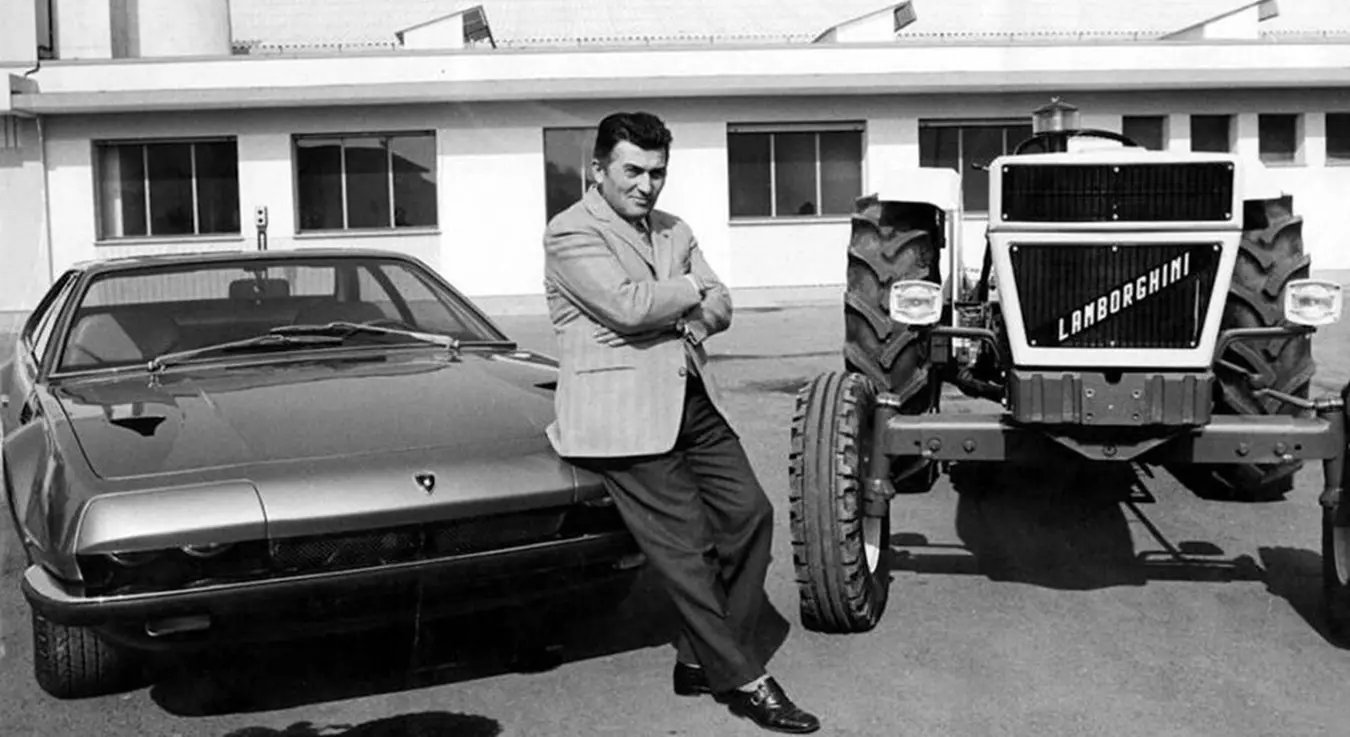
Ferruccio Lamborghini: The Farmer Who Decided to Build a Better Ferrari
The year is 1963. A successful Italian industrialist and tractor factory owner drives up to Maranello in his Ferrari 250 GT and knocks on Enzo Ferrari's door. He hasn't come to buy a new car. He's come to complain - the clutch on his expensive sports car keeps failing, and as a man who has spent his whole life building tractors, he even has a concrete suggestion for how to fix it.
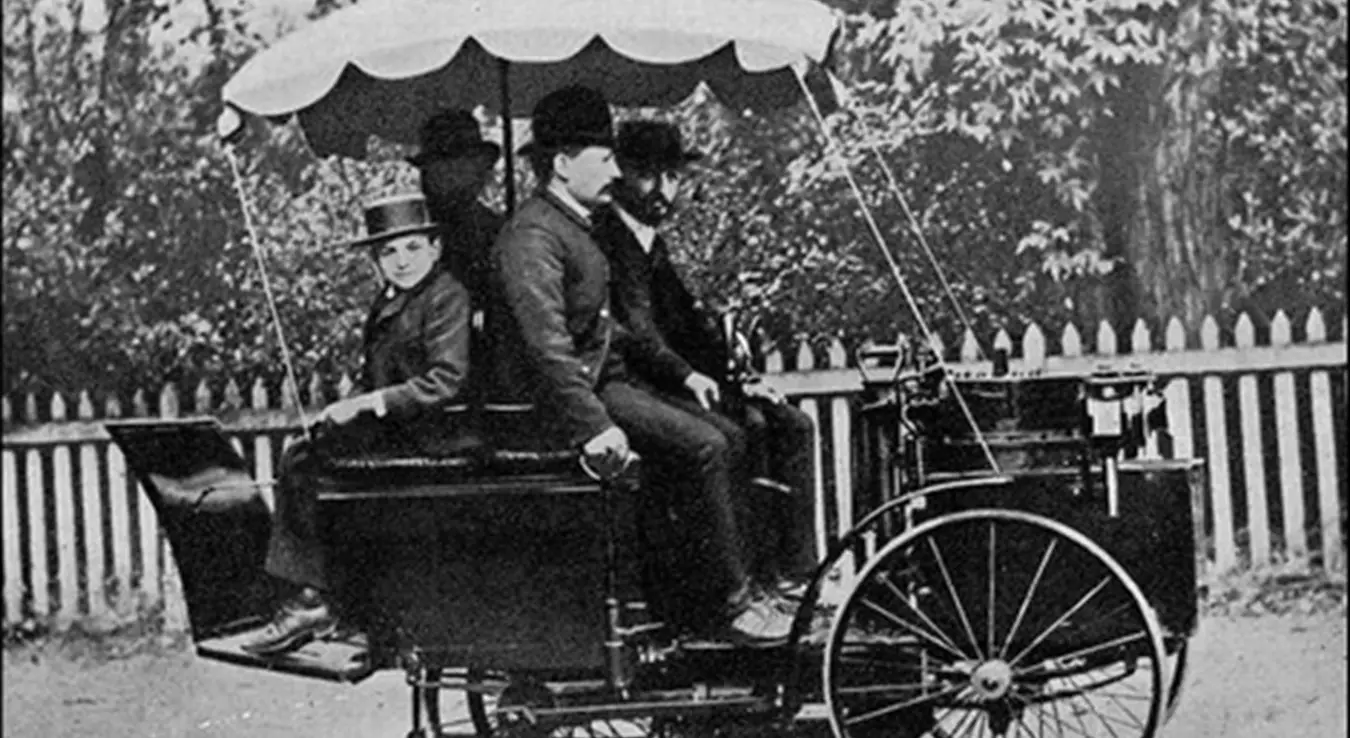
La Marquise: The Car That Won Because No One Else Showed Up
It all began with a toy in the window of a Parisian shop. In 1881, Count Jules-Albert de Dion, a man known in high society as much for the duels he challenged people to as for his fondness for women, was looking for prizes for a ball when his attention was caught by a model steam locomotive. It had been crafted with such precision that he decided to track down the people who had made it.
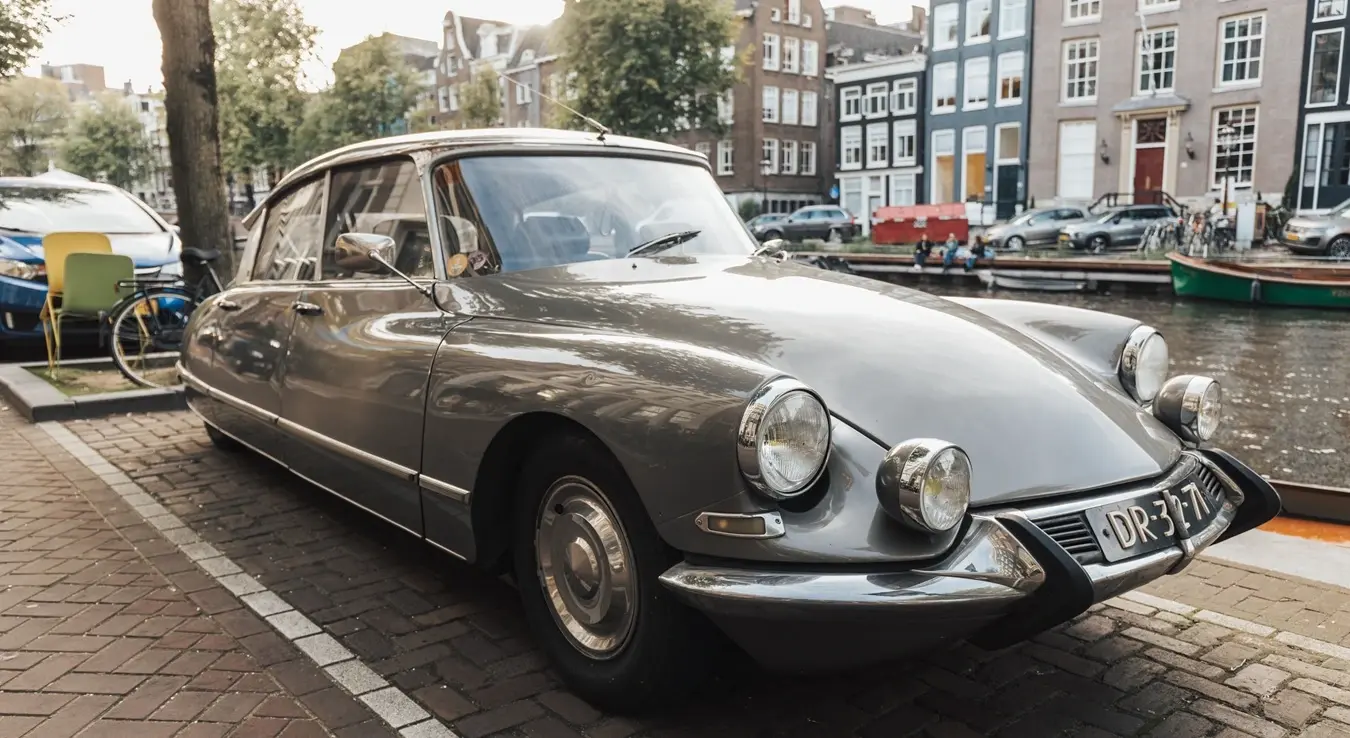
How the Citroën DS Became a Work of Art on Wheels
Paris, October 5th, 1955. Under the vaults of the Grand Palais, where generations before had come to look at paintings and sculpture, a crowd gathers in silence around a car draped in cloth. When the cloth comes off, something happens in the hall that witnesses describe as a collective gasp - a shape none of them had ever seen before, on any vehicle, in any country in the world.
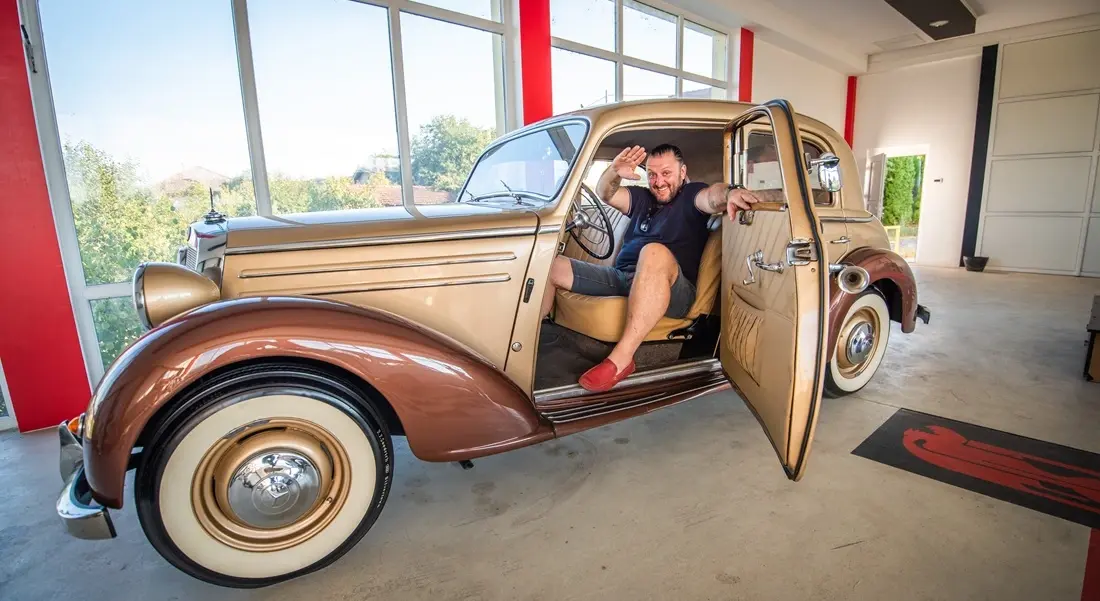
A 1950s Icon Preserved as a Family Treasure
Mercedes-Benz automobiles - particularly the marque's legendary sports cars - have been known as the "Silver Arrows" since the 1930s. Yet the Mercedes, carefully preserved in the garage of Banja Luka collector Velimir Tamamović, gleams more like gold.
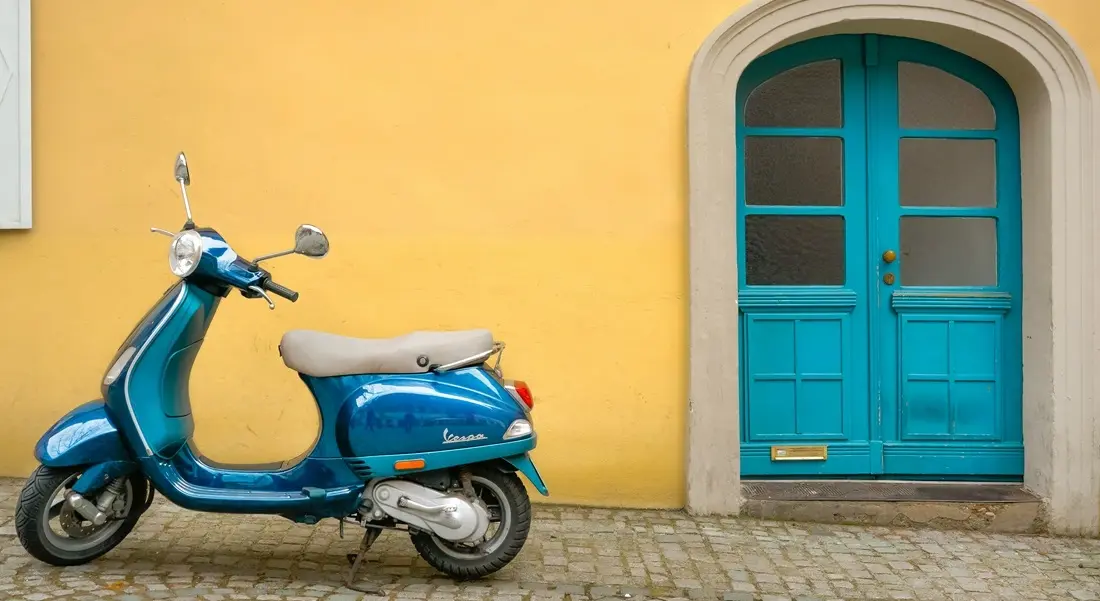
Vespa: The Scooter That Became a Symbol of Italy and Freedom
Few products have managed to outgrow their original purpose and become part of a nation's identity. Vespa is undoubtedly one of them. Over nearly eight decades, it has evolved into far more than a scooter - it has become a symbol of the Italian way of life, an essential feature of classic cinema, a fashion icon, and one of the most recognizable examples of European design.
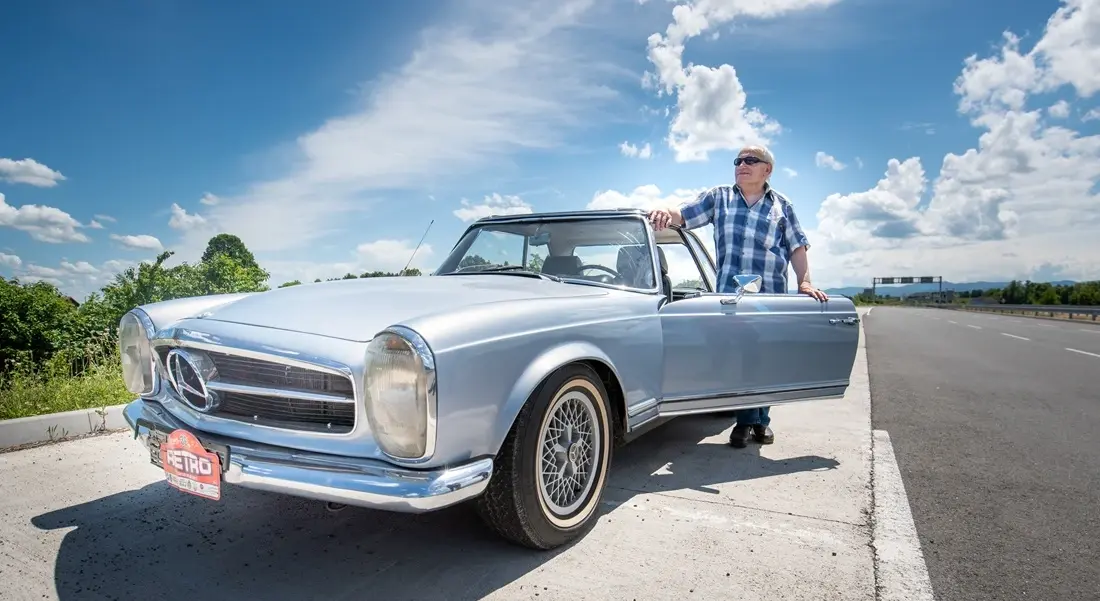
The Man Who Drove on Schumacher’s Tires
Parked on a grassy lawn, bathed in the June sun, painted sky blue with a black roof, it looked like a million-dollar jackpot. Automotive connoisseurs know that it truly is one. In a sea of today’s uniform sedans, this gem from 1967 has character, a name, and a surname: the Mercedes-Benz 250 SL “Pagoda.”
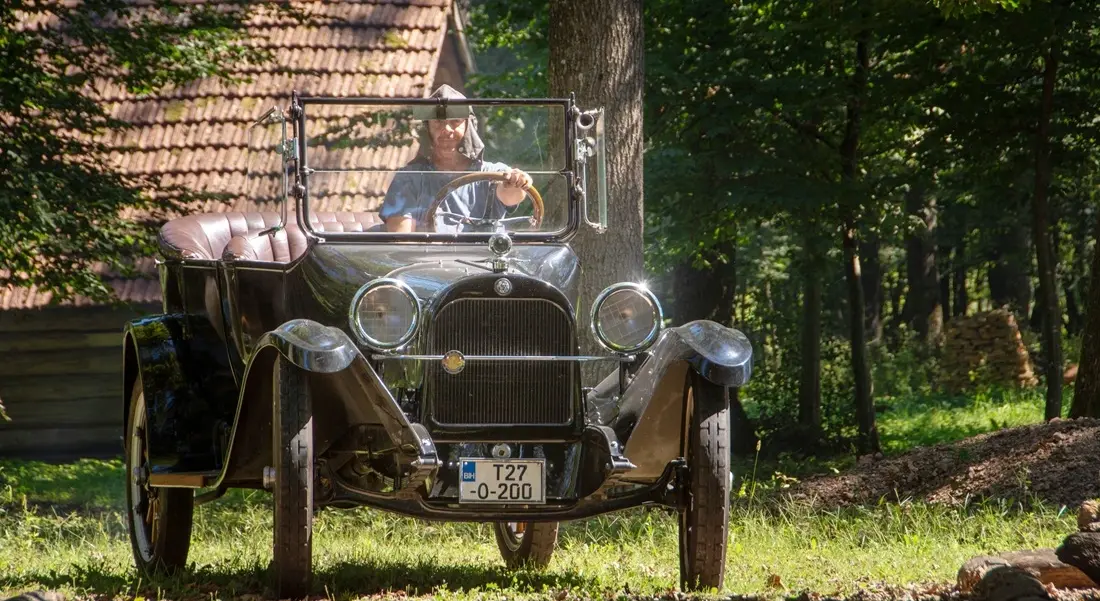
We Drove the Oldest Car in Bosnia and Herzegovina: The Story of a 1921 Dodge
Imagine driving a convertible powered by a 3.5-litre gasoline engine, worth more than 100,000 BAM, yet equipped with no seat belts, no radio, and no turn signals. The HEDONIST Magazine team had exactly that privilege, thanks to the hospitality of Miladin Savičić from Laktaši, owner of the oldest and perhaps most unusual automobile in Bosnia and Herzegovina.

Porsche: The Mediterranean Side of German Discipline
On paper, Porsche seems like the perfect definition of German discipline: precision, engineering obsession with detail, and an almost mathematical devotion to driving. Yet the most beautiful Porsche moments rarely have anything to do with discipline.
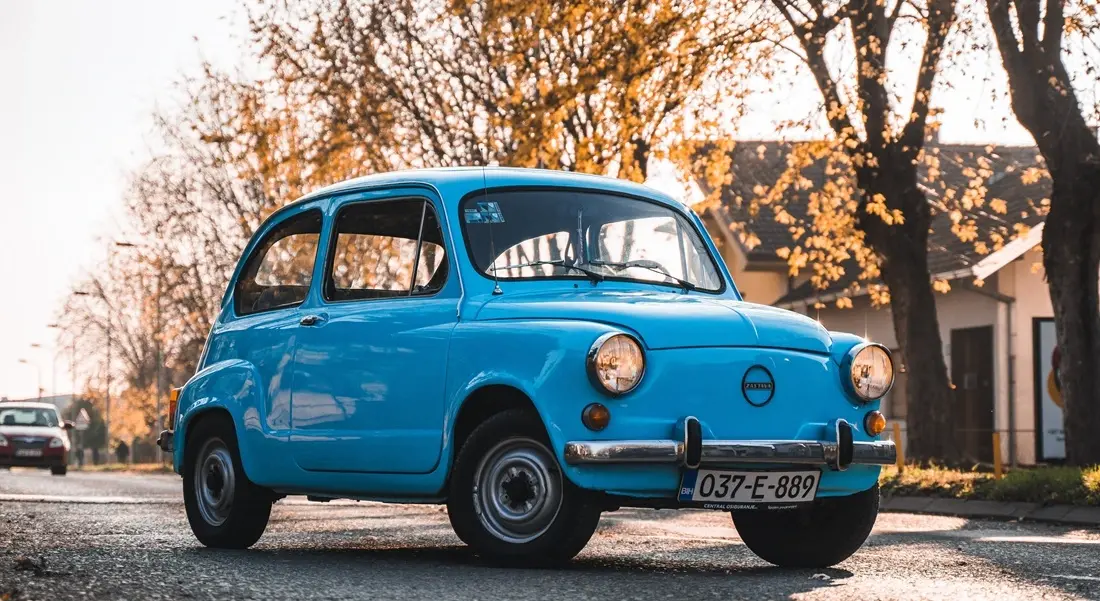
The Little Giant That Refuses to Retire
It has been branded with many slogans: “All cars are driven, only the Fićo is loved,” “Our fathers learned to drive in it,” “The car that motorized Yugoslavia.” It has always remained modest, unique, and unmistakable. Simply put - the Fićo.
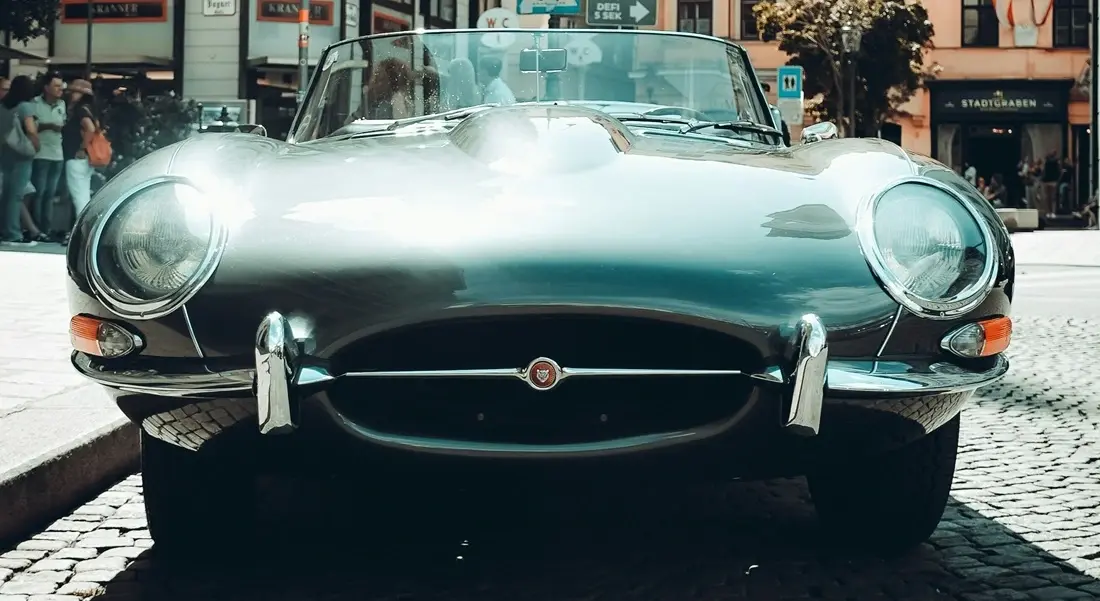
Cars That Became Art
There are cars built to last. And there are those built to be remembered. The classics in this story have long left the garage and entered the history of design. Their lines, proportions, and details are not just technical solutions - they are pure aesthetics. They are not seen merely as transportation, but as sculptures on wheels.