
From Puglia and Corsica to Banja Luka: One Chef, One Market

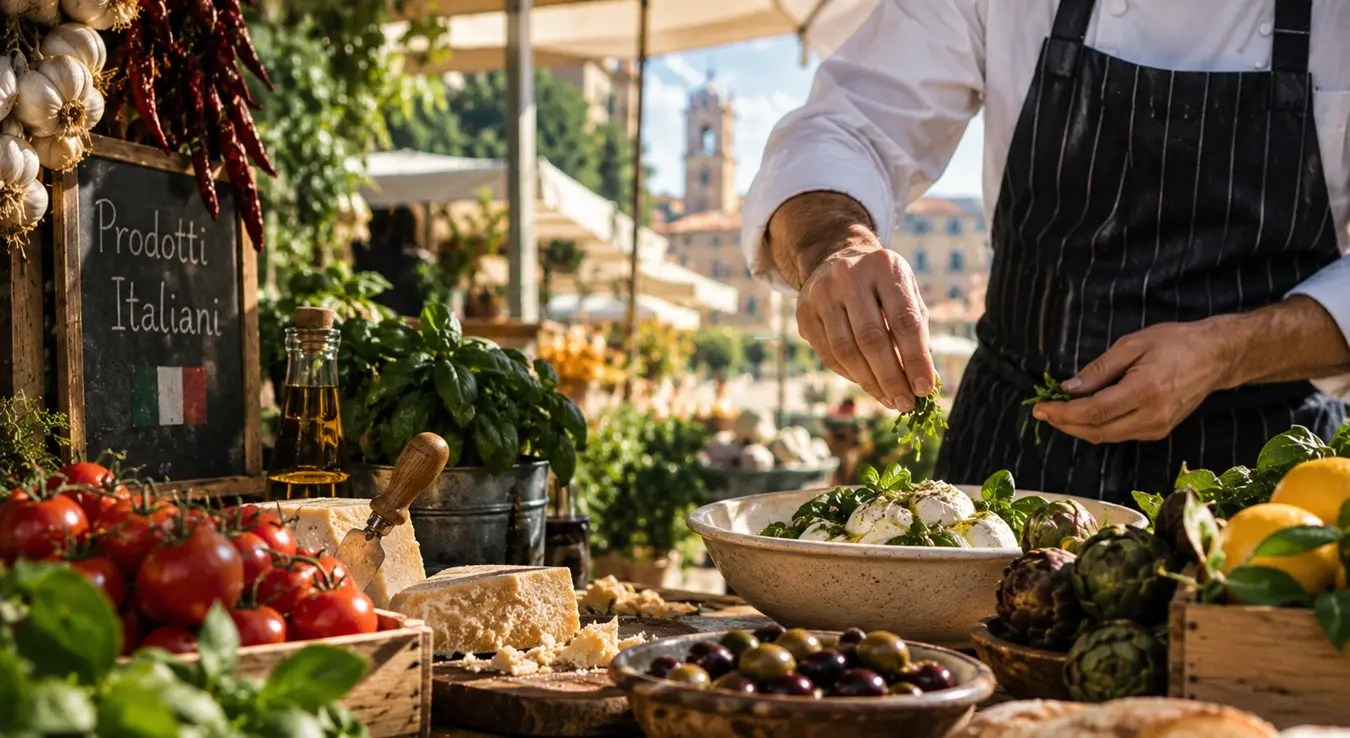
Italian cuisine owes its distinctive character to a simple yet demanding principle: good ingredients deserve the chance to speak for themselves. Behind dishes that appear effortless lies a careful choice of ingredients, respect for tradition, and years of experience.
That combination of flavour, knowledge and a particular way of thinking about food is now coming to Banja Luka, where Days of Italy at Don Sergio have begun at the Don Sergio restaurant in Delta Planet shopping centre. The event runs until 7 November.
Italian chef Savino Divincenzo brings a particular depth to the occasion. His professional journey reminds us that the craft of cooking isn't learned in culinary schools alone. Divincenzo does not start with a recipe. He starts at the market.
His ravioli come with dozens of possible fillings, none decided in advance. The choice depends on what arrives that morning from local vegetable growers and cheesemakers with whom, he says, he shares genuine friendships. Fish is served according to the day's catch, as carpaccio or tartare. For him, a recipe is a framework, not a law.
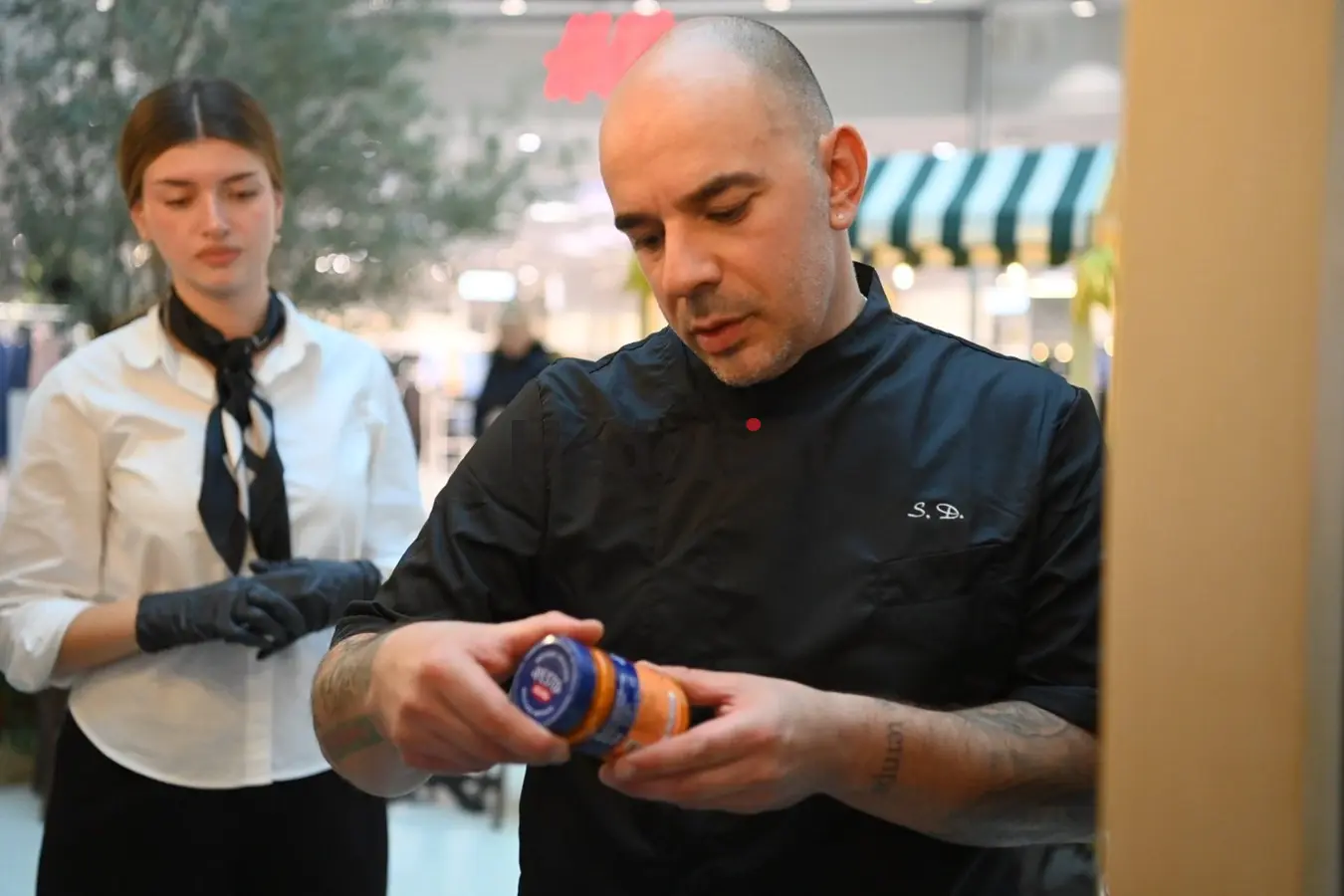
From today until 7 November, that philosophy comes to Banja Luka. Days of Italy at Don Sergio, hosted at the restaurant in Delta Planet, are conceived as a gastronomic journey through Italy, from traditional recipes to a contemporary approach to cooking. Divincenzo is the event's special guest.
Kitchens Born of Scarcity
HEDONIST has already told Divincenzo's story: Barletta in Puglia, a textile factory, a job advertisement, a kitchen sink in Rotterdam, and finally Corsica. Less often discussed is what Puglia and Corsica actually have in common.
Puglia is the home of cucina povera - the cooking of humble means - and the birthplace of orecchiette, the hand-shaped pasta beloved across the region. Corsica, meanwhile, remained under Genoese rule until 1768, and the Genoese left their mark on the island's table as well as its history. In 1548, they ordered landowners to plant a chestnut tree, a mulberry, an olive tree and a fig tree each year. Over time, chestnuts became the bread of Corsica's mountainous interior. An old saying from the Niolo Valley speaks of “wooden bread and wine from stone” - a fitting description of a cuisine that has little to spare but knows exactly what to do with what it has. Ravioli and cannelloni filled with brocciu, a fresh whey cheese, remain part of the Italian culinary legacy still enjoyed on the island today.
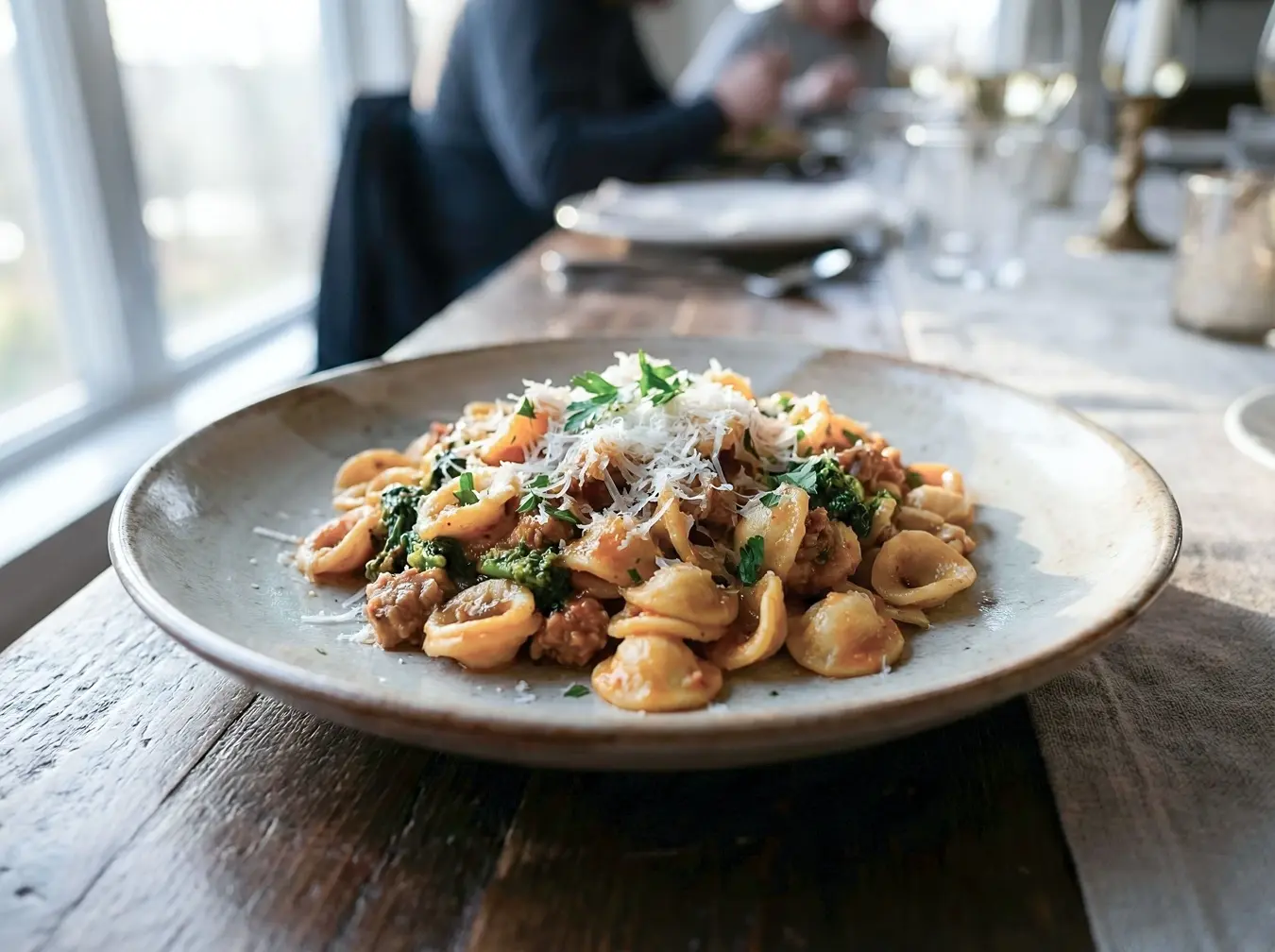
In kitchens like these, food does not bend to the recipe; the recipe adapts to the food. Divincenzo, who learned his trade at the sink and alongside a chef named Giuseppe rather than in a culinary school, grew into precisely this way of thinking. His greatest strength is not technique alone, but his relationship with the ingredients. If the market offers something different, the dish changes with it.
A Market in Miniature
That is why it makes sense for the event to have a market of its own. Don Sergio Market runs from 30 October to 1 November, bringing together the restaurant's partners to showcase their brands and products, from coffee and fresh fruit to premium drinks. Visitors can meet, in one place, the people behind the products that eventually find their way onto the plate. It is the same principle that guides Divincenzo's cooking, turned towards the guest.
Banja Luka is neither Barletta nor Corsica, and Divincenzo will not have his own network of local growers here. But a chef who has spent his career building menus around what is available brings something that cannot simply be translated: a method, not a list of dishes.
A recipe can be copied. A market cannot.