

Why We Keep Things We No Longer Need: The Psychology of Collecting
![[object Object]](https://api.hedonistmagazine.net/storage/images/2026/09/9fac2815-1cf3-4218-ac13-aced9c2a6667.webp)
At the bottom of a drawer, in a box in the attic, or on a shelf we haven't really looked at in years, almost all of us keep something that no longer serves any purpose. An old postcard no one will ever read again. A childhood toy. A ticket stub from a concert we went to fifteen years ago. The rational part of the brain knows these things should be thrown out or given away. And yet, for some reason we rarely manage to explain, they stay put, for years, sometimes for decades.
It turns out this impulse is neither weak will nor sentimental softness - it's one of the oldest and best-studied patterns in human behaviour.
The Cabinet of Wonders That Came Before the Museum
The urge to collect, classify, and display objects didn't start with eBay or Pokémon cards. In the sixteenth century, European nobles and scholars began assembling what were known as Wunderkammer - "cabinets of wonder" - rooms filled with anything capable of inspiring awe: fossils, stuffed crocodiles, seashells, mechanical contraptions, objects brought back from distant journeys. The goal wasn't merely ownership, but an attempt to fit the entire world, in miniature, into a single room, and in doing so make it more comprehensible.
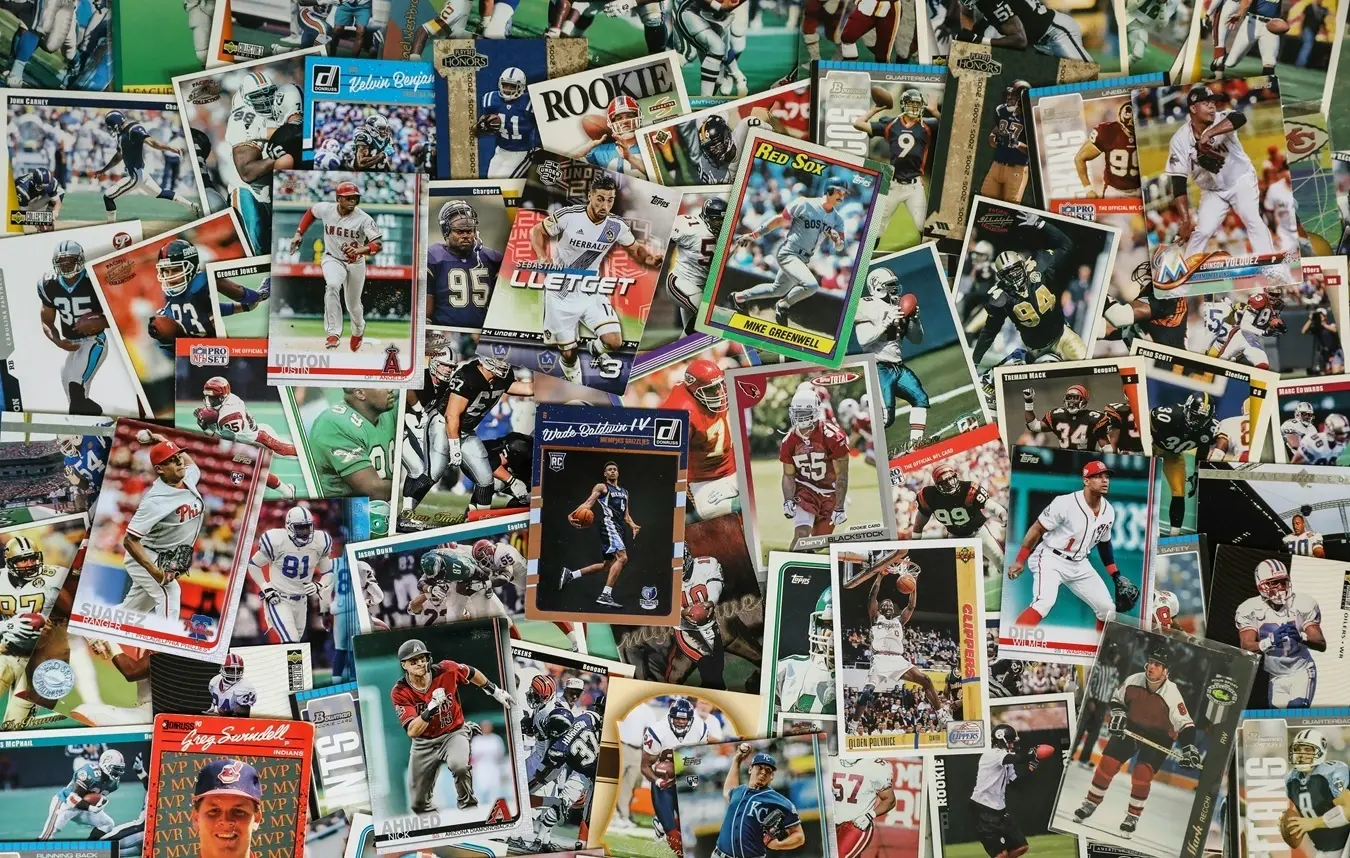
This obsession with classification and ownership wasn't just a rich man's whim - it's the direct ancestor of the modern museum. The British Museum, one of the largest institutions in the world dedicated to preserving objects, grew directly out of the personal collection of physician and collector Sir Hans Sloane. The impulse to gather and systematize the world around us, in other words, isn't just centuries old - it quite literally laid the foundation for how we preserve history today.
The Pleasure That Comes Before Possession, Not After
What modern neuroscience has uncovered about collecting often sounds counterintuitive: the greatest pleasure doesn't come from owning an object, but from the hunt for it. Neuroscientist Wolfram Schultz, through a series of influential studies, showed that dopamine-releasing neurons don't fire most strongly at the moment we receive a reward, but at the moment we anticipate it - a phenomenon known as "reward prediction error." In other words, the brain enjoys anticipation most intensely, not the moment an object finally becomes ours.
That explains something every serious collector recognizes: the hunt is often more exciting than the catch itself. Browsing a flea market, following an auction, waiting for a package to arrive in the mail - all these moments of anticipation activate the brain's pleasure centres just as powerfully, if not more so, than the moment the object finally lands on the shelf. That's exactly why many collectors, quite honestly, admit that a new item makes them happy for only a few days, after which their attention shifts right back to the next missing piece.
The Unfinished Is Remembered Better Than the Finished
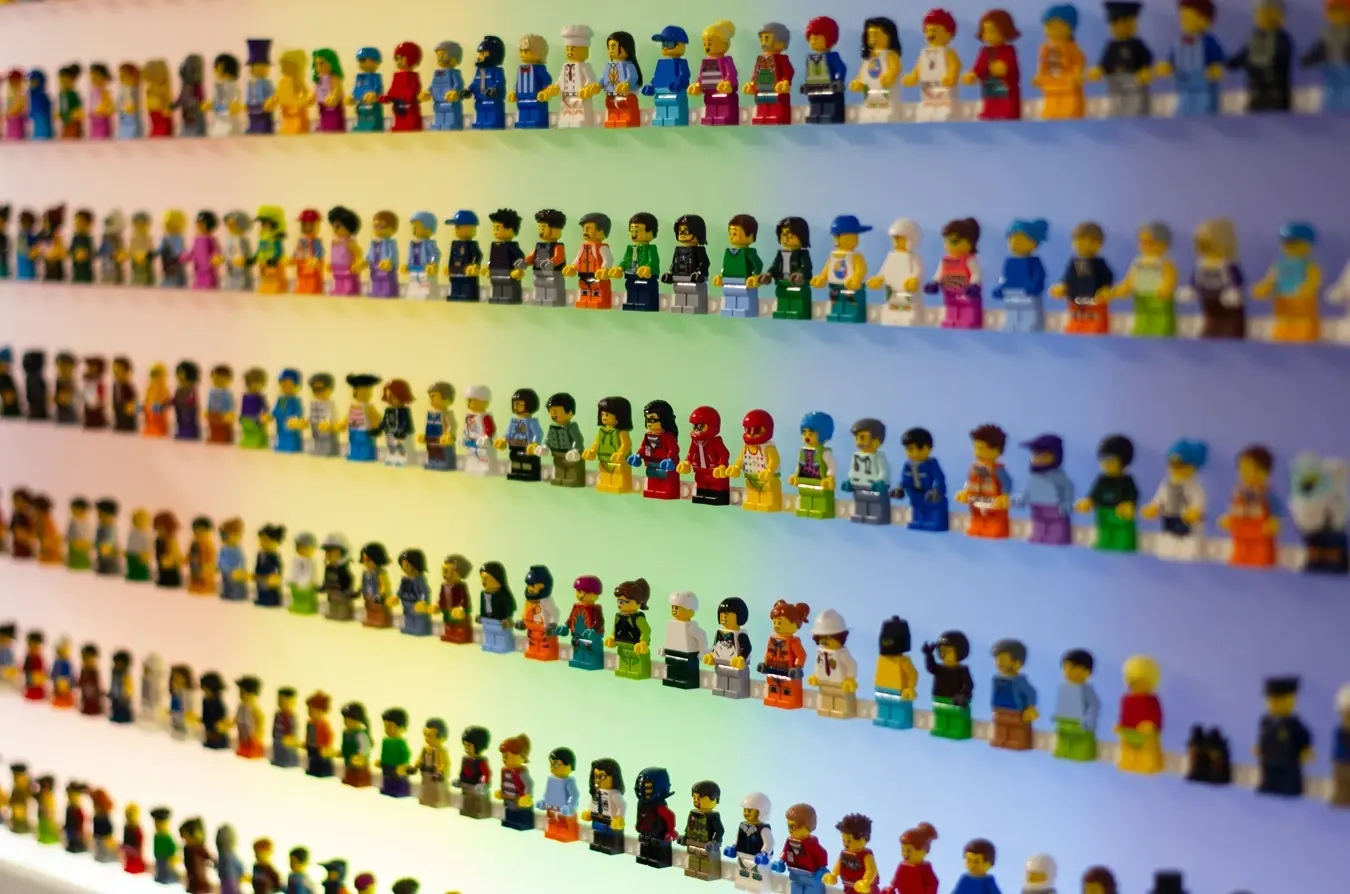
Part of the reason an incomplete collection is such a powerful motivator lies in something psychologists call the Zeigarnik effect - a phenomenon first described in 1927, according to which the human mind remembers unfinished tasks far better than ones it has completed. A collection missing just one piece to be whole acts on the brain almost like an open question crying out for an answer. That gap, not the value of the object itself, is often what keeps a collector searching for years after the rational reason for collecting has long since disappeared.
The Object as Keeper of Identity
Collecting is rarely only about the objects themselves. More often, it's about what those objects represent - a piece of identity, a memory, proof of belonging to something bigger than the individual. An adult who collects toys from the eighties isn't buying plastic; they are, in essence, reconstructing their own childhood bedroom and, with it, the version of themselves who once lived in that room. The object becomes physical proof of a memory that would otherwise remain intangible.
This mechanism has evolutionary roots too. For thousands of years, humans were rewarded for their ability to recognise, gather, and store the resources needed for survival. The same neural system that once rewarded stockpiling food before winter fires today when someone finally finds the missing stamp for an album, or the rare record they'd been hunting for years. The purpose has changed; the brain mechanism has remained almost identical.

Where Collecting Ends and Something Else Begins
Still, a clear line exists between a healthy passion and problematic behaviour, and research shows that line is far more defined than one might assume. The key difference between collecting and pathological hoarding isn't the number of objects, but organisation and intent. A collector selects, systematises, and displays their objects with a clear sense of the whole. A person with a hoarding problem accumulates chaotically, unable to decide what to keep and what to discard, often to the detriment of their own daily functioning. According to available research, between two and five percent of the general population meets the criteria for a diagnosis of hoarding disorder - and even within that minority, the line separating it from genuine collecting remains clearly defined by exactly that organisation and intent, not the sheer number of objects. For the vast majority of people who consider themselves collectors, that passion remains a source of order, pleasure, and meaning, not chaos.
Why We Keep That Postcard Anyway
Back to the bottom of that drawer. The postcard we keep, even though we'll never read it again, is rarely really about the postcard at all. It's a physical trace of a moment, a version of ourselves, a story that still feels unfinished in our own head. Throwing the object away wouldn't just free up space in the drawer - it would feel, at least symbolically, like closing a chapter we're still not sure we're ready to close. Maybe that's exactly why, against every piece of rational logic that says otherwise, the object stays right where it is - not because we still need it, but because it tells us who we used to be, and that, it turns out, is reason enough to keep it.