
Herceg Novi Becomes a European Meeting Point for Cinema This Summer

![[object Object]](https://api.hedonistmagazine.net/storage/images/2026/08/218f3b10-7248-4199-9014-e3dc128c432c.webp)
What began as a three-day industry gathering has grown into a seven-day programme in just three editions - a change that says something about the growing international interest in Montenegro's film industry.
The third edition of Montenegro Film Rendezvous, organised by the Film Centre of Montenegro, opens on August 22 in Herceg Novi as part of the 39th Herceg Novi Film Festival, bringing together prominent figures from the international film scene, representatives of film centres, European funds, festivals and leading organisations from across the audiovisual industry.
The programme places Montenegro's film industry in direct conversation with the wider European and regional scene. Masterclasses, workshops, panels and one-to-one meetings between film professionals are designed to create new opportunities for projects, co-productions and international partnerships. Montenegrin projects in development and post-production will be presented through pitching sessions and individual meetings with visiting producers, funds and festival representatives - an opportunity for local filmmakers to put their work directly in front of some of the people shaping the European industry.

“In three years, Montenegro Film Rendezvous has grown from a three-day industry gathering into a seven-day programme. That is the clearest indication of how much interest has grown.”
So says Aleksandra Božović, Director of the Film Centre of Montenegro. This year's edition expands that international focus by opening collaboration with producers and filmmakers from Francophone countries for the first time, introducing a workshop dedicated to women filmmakers and, as a new member of the RE-ACT initiative, hosting an EAVE on Demand workshop. Guests, producers and film professionals will also be introduced to recently adopted amendments to Montenegro's Film Law, intended to make the country a more competitive destination for international productions.
The names behind this year's programme
The programme brings together filmmakers and industry professionals whose work reaches well beyond Montenegro. Manuel Alberto Claro, one of Europe's leading cinematographers and a longtime collaborator of Lars von Trier, will lead a masterclass exploring contemporary film language and visual storytelling. His work has helped define the visual identity of some of the Danish director's most distinctive films, making his perspective particularly relevant to a programme interested in how cinematic ideas are translated into images.
Nina Hartstone, an Academy Award-winning sound editor whose work on Bohemian Rhapsody earned her an Oscar, will turn attention to another part of filmmaking that audiences often notice only when it is absent: sound. Her masterclass will explore the creative process behind shaping a film's sonic world and the role sound plays in determining how a story is experienced.
Another highlight comes from Montenegro itself. Biljana Tutorov and Petar Glomazić, the filmmakers behind the Montenegrin documentary To Hold a Mountain (Planina), winner of the World Cinema Grand Jury Prize for Documentary at Sundance, will present a case study tracing the film's journey from the slopes of Sinjajevina to one of the world's most important independent film festivals. It is also a story about how a deeply local subject can find an audience far beyond its original landscape.
A dedicated segment, the MEDIA TV Series Programme, focuses on scripted television development and regional co-productions. Panels and masterclasses bring together representatives of regional television networks, telecommunications companies, production houses and European experts, with sessions open to the public. For students, emerging professionals and anyone interested in the future of television, it offers a rare opportunity to enter conversations that are usually kept within the industry.
Making room for new voices
A significant part of Montenegro Film Rendezvous looks beyond established names and towards the filmmakers and actors who will shape the industry's next chapter. The Female Filmmakers Workshop, organised in partnership with the Embassy of France and the French Institute, focuses on strengthening the position and representation of women within the film industry.
The regional acting workshop ReActing+, a new module of the ReActing as a Star programme supported by the British Council, brings together talented young actors from across the region for professional development, exchange and new connections. The idea is simple but increasingly important: a sustainable film industry is built not only around major productions and established names, but also around the people who are still finding their voice.
In cooperation with the International Organisation of La Francophonie (OIF), the programme will also present New African Voices, allowing audiences to discover projects in development alongside films by acclaimed directors and producers from Francophone countries.
Montenegro's new place within the RE-ACT initiative is another important element of this year's programme. The country joined the regional co-production initiative this year, and an EAVE on Demand RE-ACT workshop will be held as part of the Rendezvous, creating another space for professional development and international collaboration.
Beyond the industry
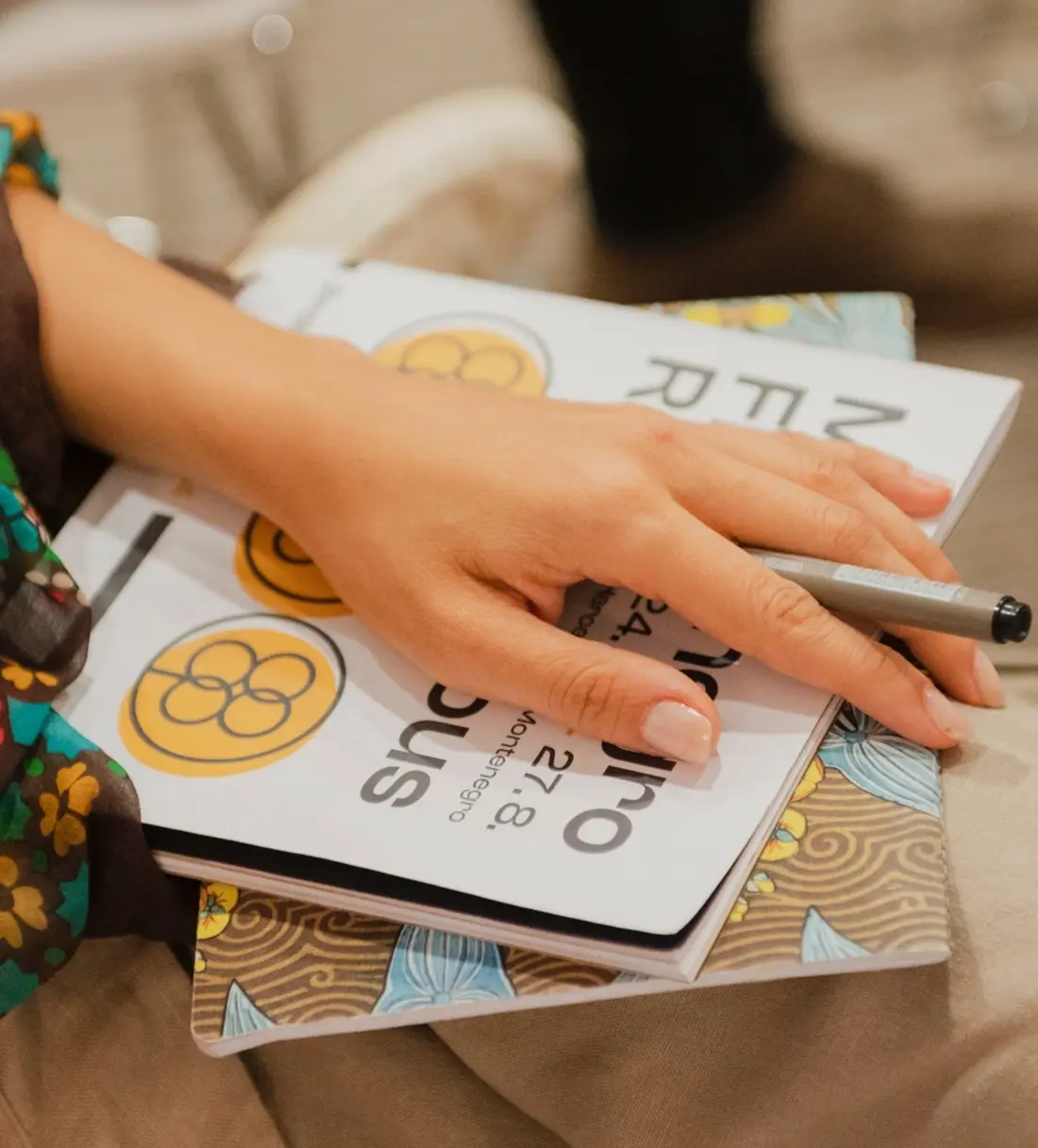
Although Montenegro Film Rendezvous is primarily an industry programme, its seven days are not reserved exclusively for professionals. The schedule also includes a screening of the Greek-Montenegrin co-production Life in a Beat, the launch of a monograph published by the Film Centre of Montenegro and the Montenegrin premiere of Crna Truba (Black Trumpet).
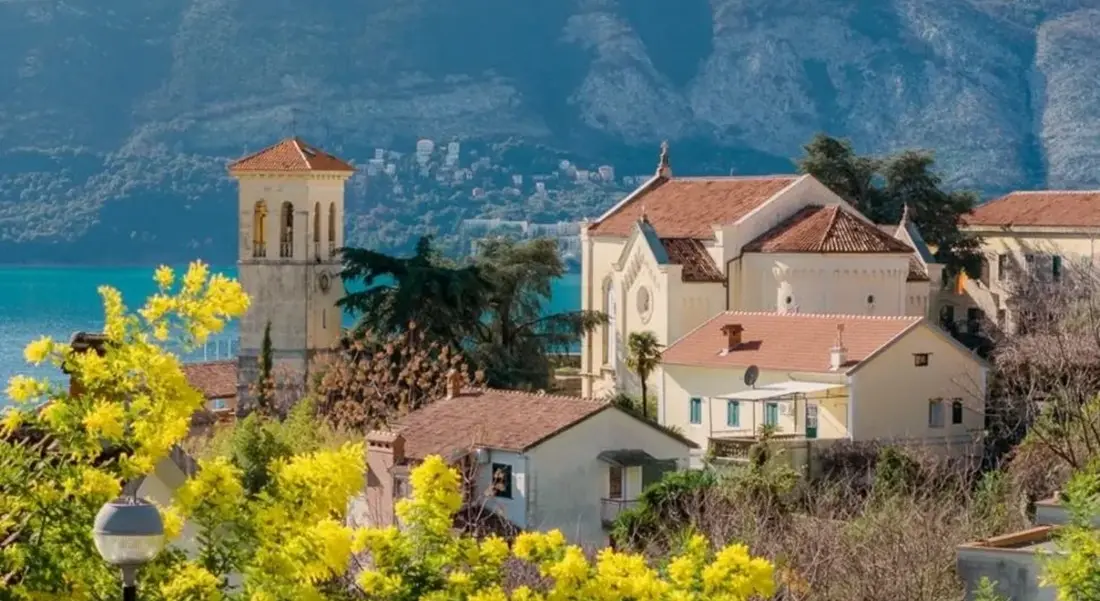
That wider approach is important. Film industries do not develop in isolation from audiences, cities or cultural life. Herceg Novi, with its long relationship with cinema and its Mediterranean setting, becomes more than a backdrop for the programme. During the Rendezvous, the city becomes a place where filmmakers, producers, actors, students, festival representatives and audiences can occupy the same cultural space.
The programme is organised in partnership with the Ministry of Culture and Media, the Municipality of Herceg Novi and JUK Herceg Fest, producer of the Herceg Novi Film Festival. It is also supported by the Embassy of France in Montenegro, the French Institute in Montenegro, the British Council and the International Organisation of La Francophonie.
This year's edition is supported by Air Montenegro, Mola Wine, Nescafé, Nestlé and Cine Wine.
Seven days, one larger conversation
Montenegro Film Rendezvous arrives at an interesting moment for a small European film industry. The ambition is no longer simply to produce films at home, but to connect local stories, filmmakers and production capacity with the networks that allow projects to travel. Co-productions, European funding, festivals and professional exchanges have become essential parts of that process.
That is ultimately what gives the Rendezvous its significance beyond the seven days in Herceg Novi. The programme is not simply bringing international guests to Montenegro; it is creating a space in which Montenegro can become part of a larger European conversation about where cinema is heading, who gets to make it and how stories move across borders.
For one week, Herceg Novi becomes a place where those conversations can happen face to face - on panels, in workshops, between screenings and over the informal encounters that often prove just as important as anything written into a programme.
Montenegro Film Rendezvous runs from August 22 to 28, 2026, in Herceg Novi, as part of the 39th Herceg Novi Film Festival. Full programme details and accreditation information are available at www.mfrv.me.