

Milena and Nenad in the Philippines: From the Concrete Jungle to Paradise Islands
![[object Object]](https://api.hedonistmagazine.net/storage/images/2026/03/c3782e8b-258e-433f-a68a-2804b3c32bfb.webp)
Five years of life in Asia - two in Bangladesh, two in the Philippines, and one in Sri Lanka - shaped the travel story of Milena and Nenad from Bijeljina, whose journey to the Far East began with Nenad’s job. For HEDONIST, they turned their impressions into a personal guide through countries that rarely become a traveler’s first choice, accompanied by photographs that best capture everyday life far from European habits.
Manila is a concrete jungle that never sleeps - a city of massive daily migrations, traffic that barely moves for hours, endless fast-food counters, and huge differences in living standards, visible even through a car window. The United States has had a strong influence here, and you can find everything you need - and everything you never even knew you needed in life.
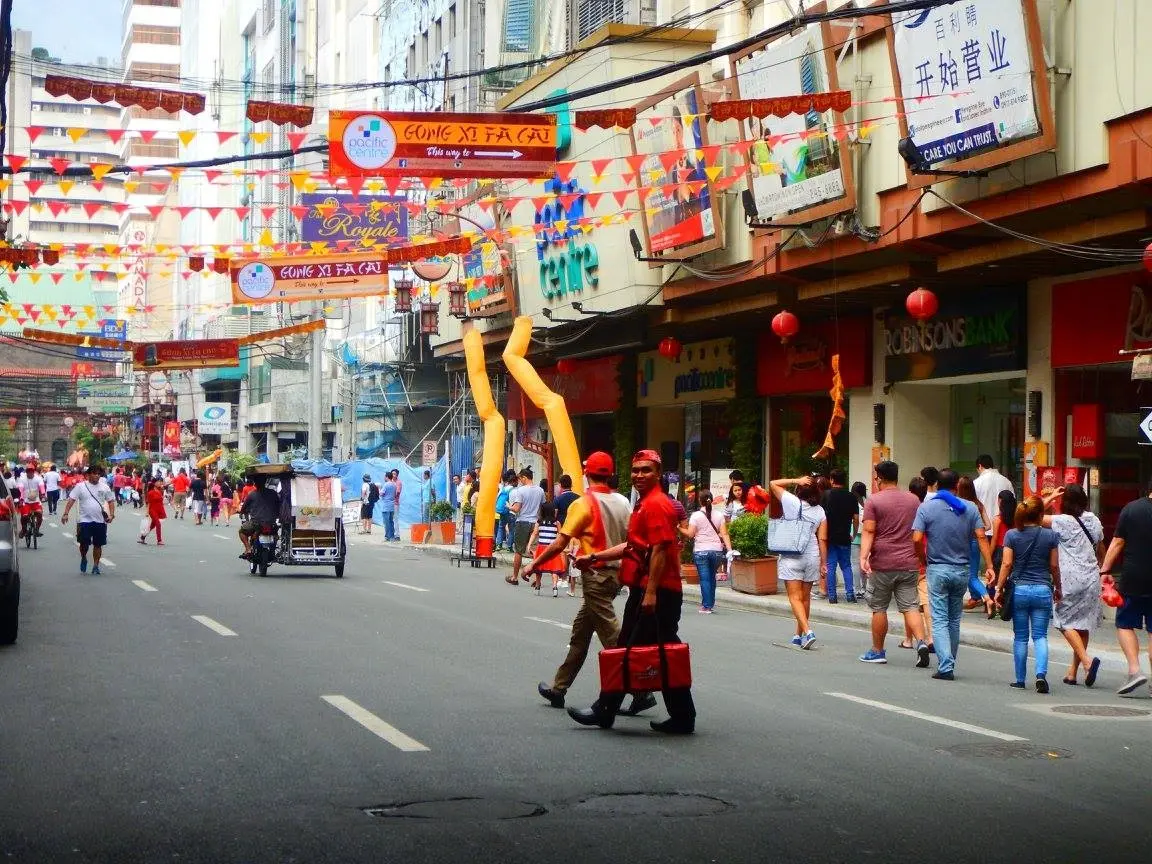
The capital of the Philippines also has its own charms for those who seek them. There are numerous shopping malls, high-quality museums, theme parks, and even its own “Red Lantern Street,” known as the Burgos district. In the Philippines, the “Christmas season” begins on September 1 - Christmas songs play for a full four months (everywhere!), decorations are displayed and sold in incredible quantities from that date, and shopping malls start the countdown of 100 days until Christmas.

However, it was traveling outside Manila that truly won us over, and that is where our recommendations lie. The beauty of the islands and beaches we visited was beyond anything we could have imagined. Our greatest admiration belongs to the islands of the Palawan archipelago and Boracay. Both have been repeatedly named among the most beautiful islands in the world, though we give a slight advantage to Palawan because of the opportunities for a more active holiday. The unreal turquoise-green colors and atmosphere are simply breathtaking.
These islands live from tourism and strive to preserve their natural beauty (for example, it is forbidden to take sand, shells, or corals from the islands). Organized boat tours take visitors to literally deserted islets, hidden lagoons, and the most beautiful, untouched beaches. When we first stepped barefoot onto one of them, the feeling was like tasting the best cake in the world. A rare and pure pleasure. Perfection.
Boracay, on the other hand, is the kind of place where you feel like making a vow of eternal love. And many people actually do - some of the most romantic beach weddings are organized here. Pure fantasy. One fact that slightly spoils the romance is that the Philippines, along with the Vatican, is one of the only places in the world where divorce is not legally recognized. Just in case.
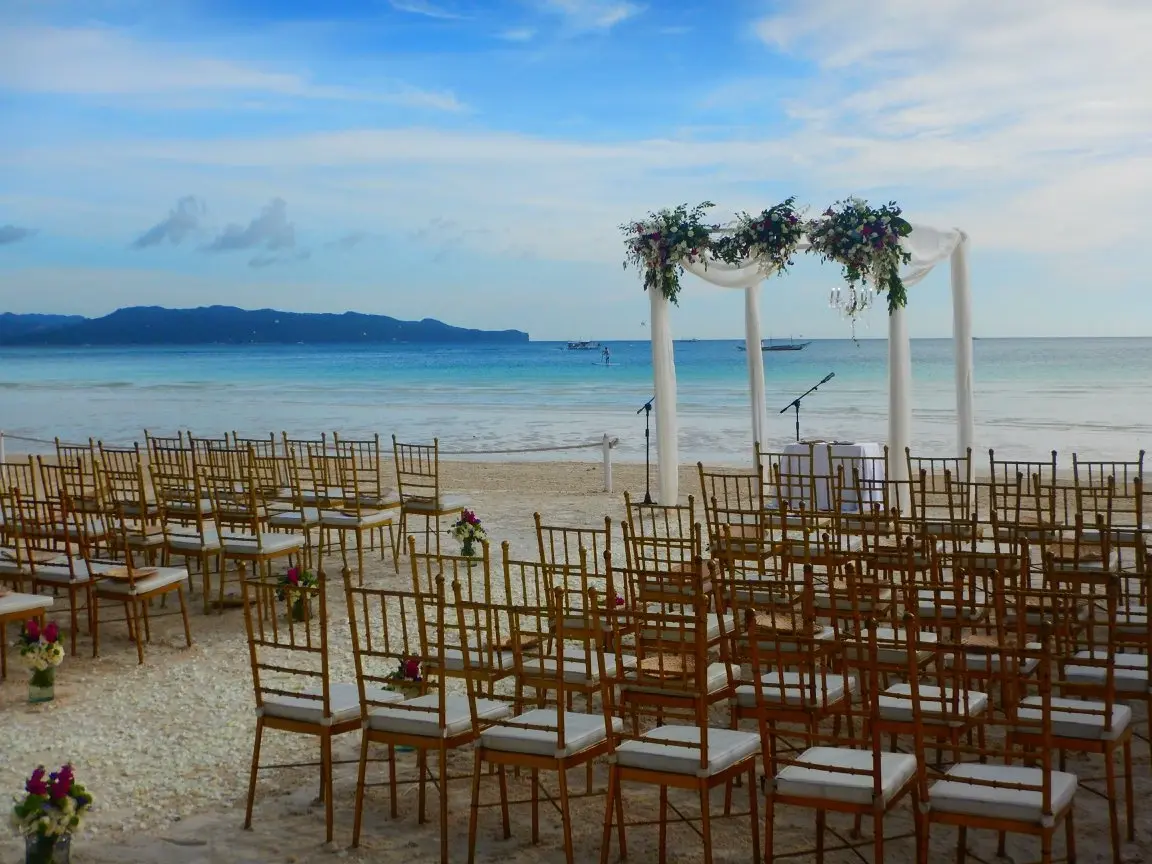
Unlike Palawan, nature here has not been preserved quite as well, so the island was completely closed for more than six months to recover, be cleaned, and revived.
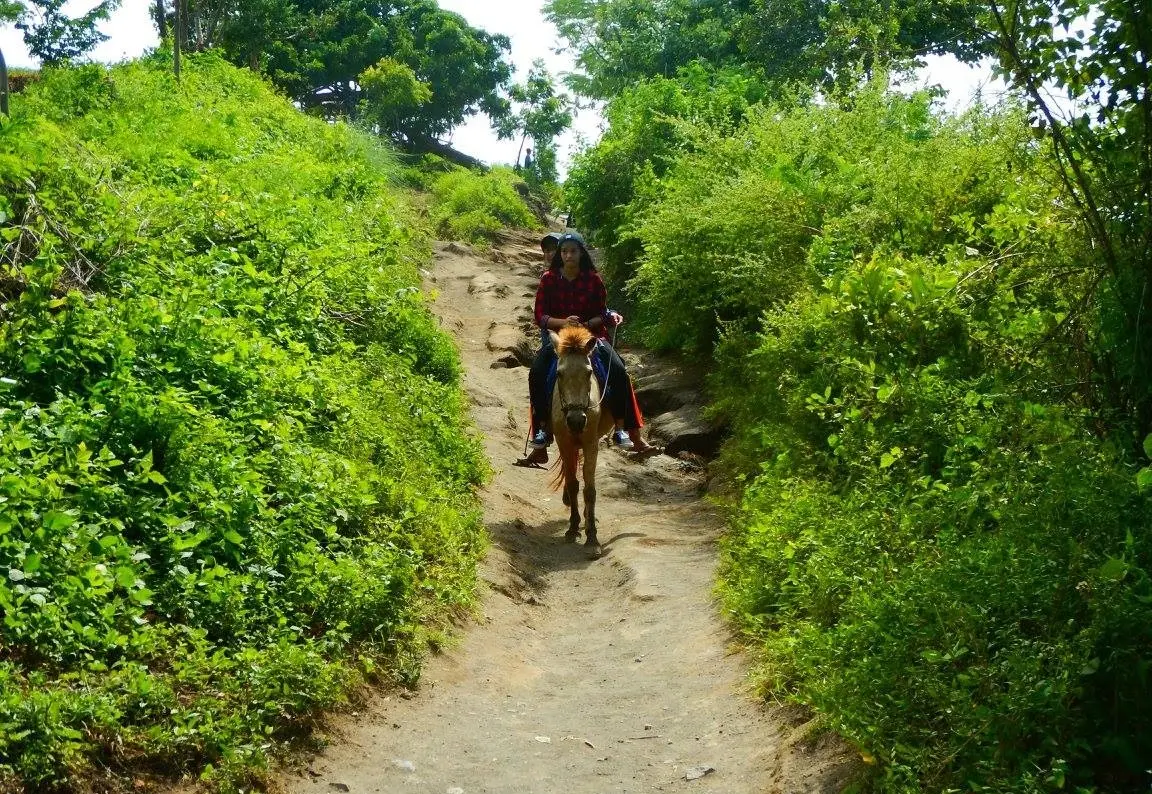
We were also fascinated by the fact that the Philippines has more than 24 active volcanoes, many of which can be visited. We had the chance to see two of them, and they fully lived up to our expectations. Both the Taal and Mayon volcanoes have been active in recent history. The scenery, vegetation, local population, and the history of volcanic activity are simply breathtaking.
The food, however, did not leave the happiest impression on Balkan palates. Besides the expected rice, much of the cuisine is based on dried (and then boiled) fish, soy sauce, and, of course, vinegar. The national dish is balut - a partially developed chicken or duck embryo, still in the shell, typically eaten with vinegar. They say it is an aphrodisiac, and it may well be, considering there are 111 million Filipinos - but after my husband tried it, I didn’t speak to him for three days.
- Interview by: Ognjen Tešić / HEDONIST
Related articles
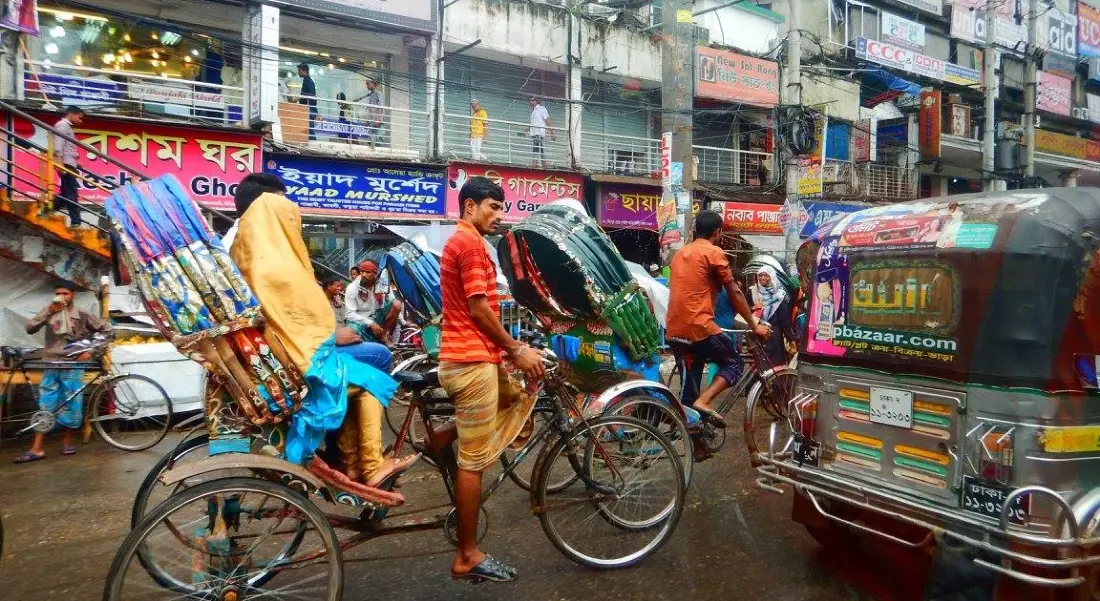
How Milena and Nenad Discovered Asia: Bangladesh Without Filters
Five years of life in Asia, two in Bangladesh, two in the Philippines, and one in Sri Lanka, shaped the travel story of Milena and Nenad from Bijeljina, whose journey to the Far East began with Nenad’s job. For HEDONIST, they turned their impressions into a personal guide through countries that rarely become a traveler’s first choice, accompanied by photographs that best capture everyday life far from European habits.
Milena and Nenad in Sri Lanka: From Ancient Cities to Ocean Waves
Five years of life in Asia - two in Bangladesh, two in the Philippines, and one in Sri Lanka - shaped the travel story of Milena and Nenad from Bijeljina, whose journey to the Far East began with Nenad’s job. For HEDONIST, they turned their impressions into a personal guide through countries that rarely become a traveler’s first choice, accompanied by photographs that best capture everyday life far from European habits.