TV shows and movies
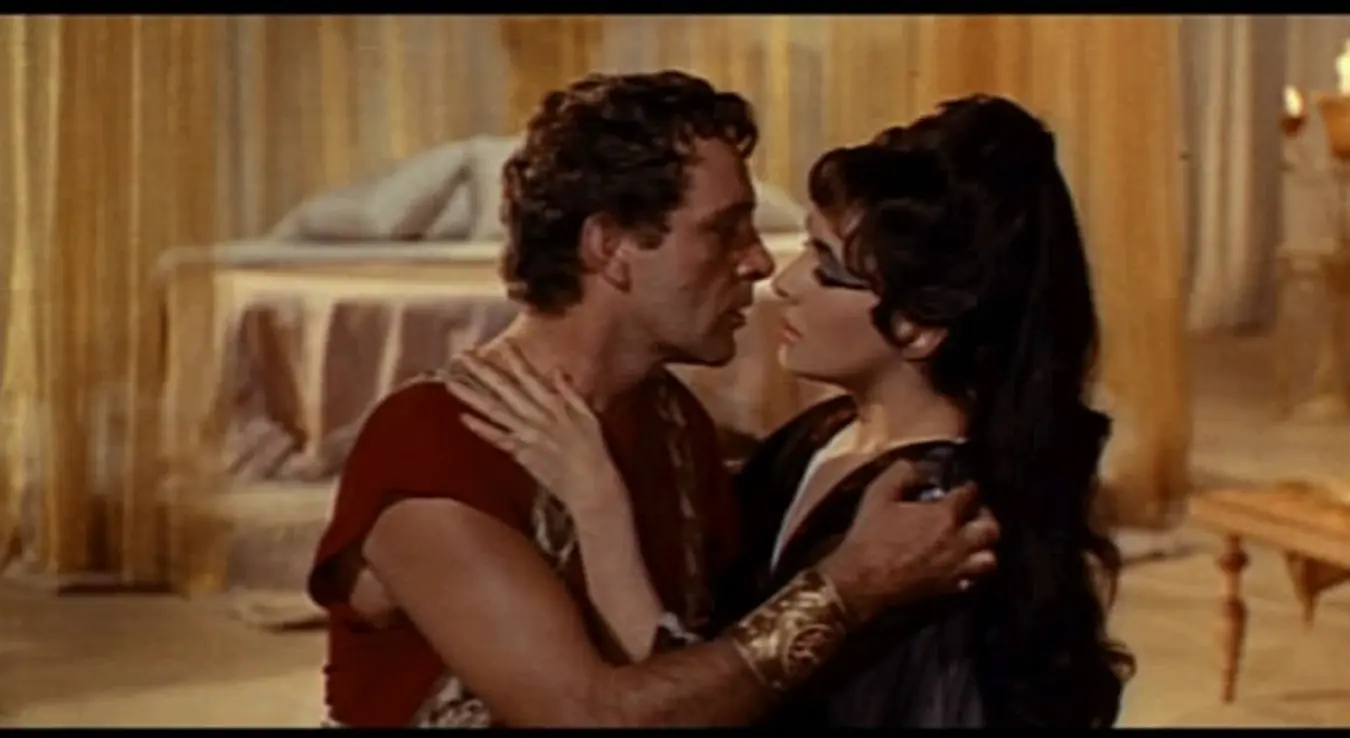
The Film That Nearly Destroyed Hollywood: How Cleopatra Became the Most Expensive Flop in Film History
When Elizabeth Taylor descended a staircase in 1963 playing the Egyptian queen, she was wearing a dress woven from twenty-four-karat gold - just one of sixty-five costumes made for her alone, part of a wardrobe that eventually totaled twenty-six thousand pieces across the entire production.
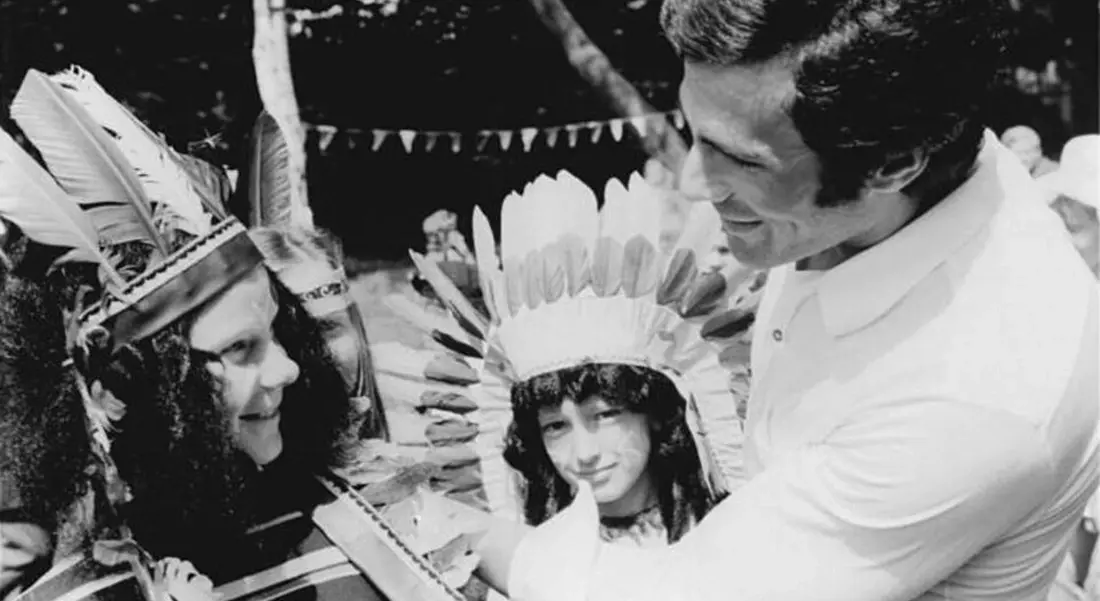
When Hollywood Came to Trebinje: The Story of a City That Became a Film Set
It began in 1935. That autumn, a crew from the German film company UFA arrived in the small Herzegovinian town of Trebinje, then home to barely more than a few thousand people. At the time, UFA was Europe’s most prestigious counterpart to Hollywood. The crew had come to shoot The Gypsy Baron, an adaptation of Johann Strauss II’s operetta.
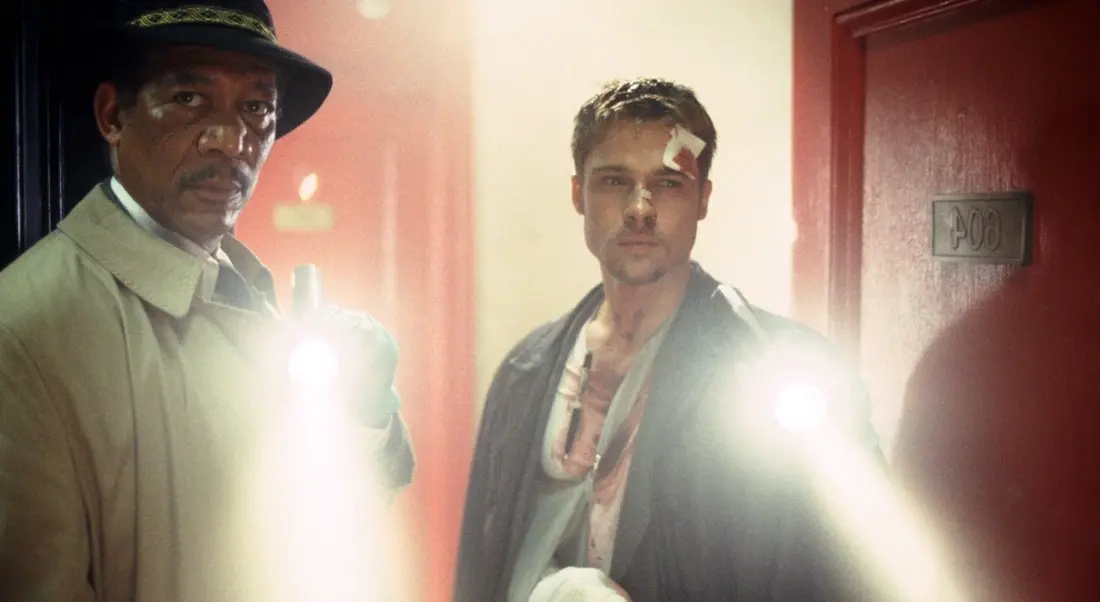
Se7en: The Masterpiece Nobody Planned to Make
The rain in this film doesn't fall because someone decided it would look atmospheric. It falls in nearly every outdoor scene, hour after hour, day after day, while a city that never gets a name rots in front of the camera like meat left out in the sun.
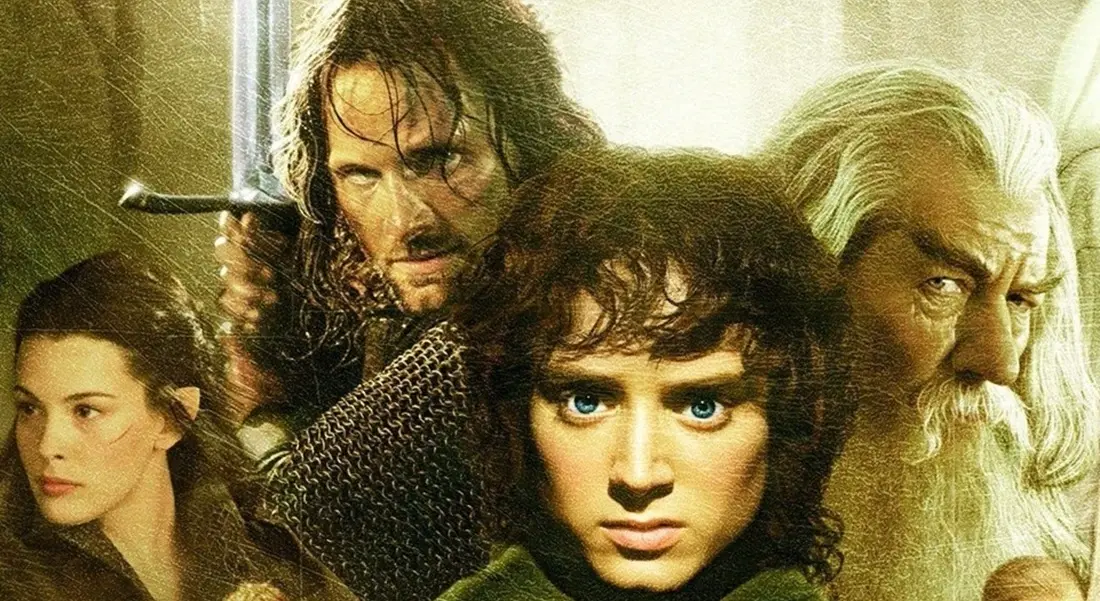
How Film Tastes Changed Through the Decades (3): From Disney to Superheroes
In the first two instalments of this series, we traced the journey from the gangsters of the Great Depression, through Hitchcock’s thrillers and the rebellion of the 1960s, to the moment when Spielberg and Lucas discovered that a film could become an event larger than the story itself - and Hollywood in the 1980s turned that idea into an industrial model.
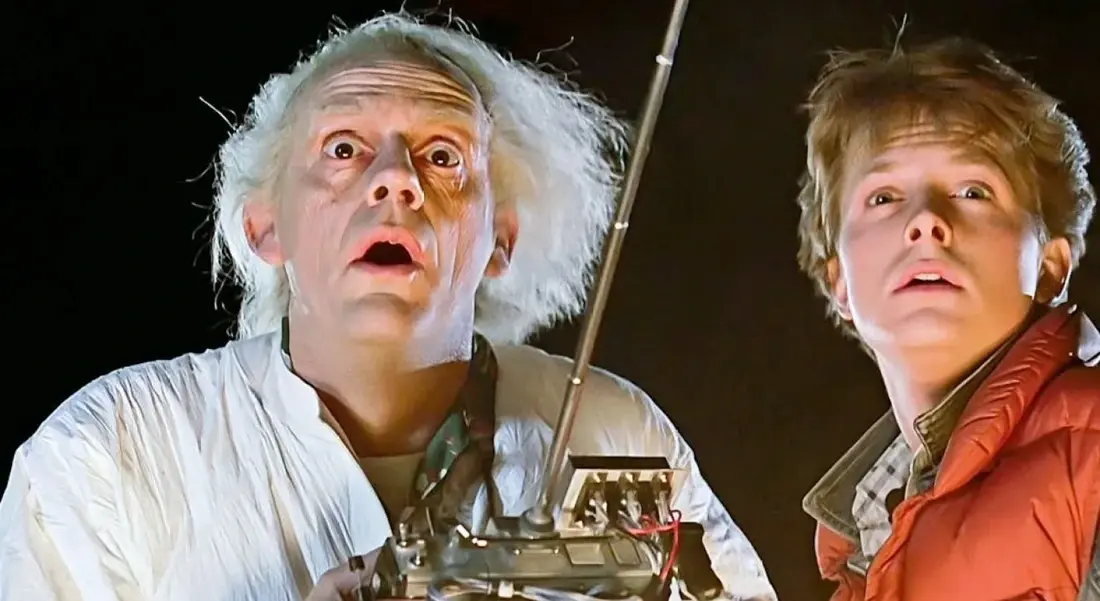
How Film Taste Has Changed Through the Decades (Part 2): From Rebellion to the Blockbuster
In the first part of this series, we traced Hollywood's path from the gangsters of the Great Depression, through the noir of the postwar years, to Hitchcock's psychological games with audiences in the 1950s - watching an entertainment system take shape into something we'd still recognize today. But that system, however stable it looked, already carried the seed of its own upheaval.
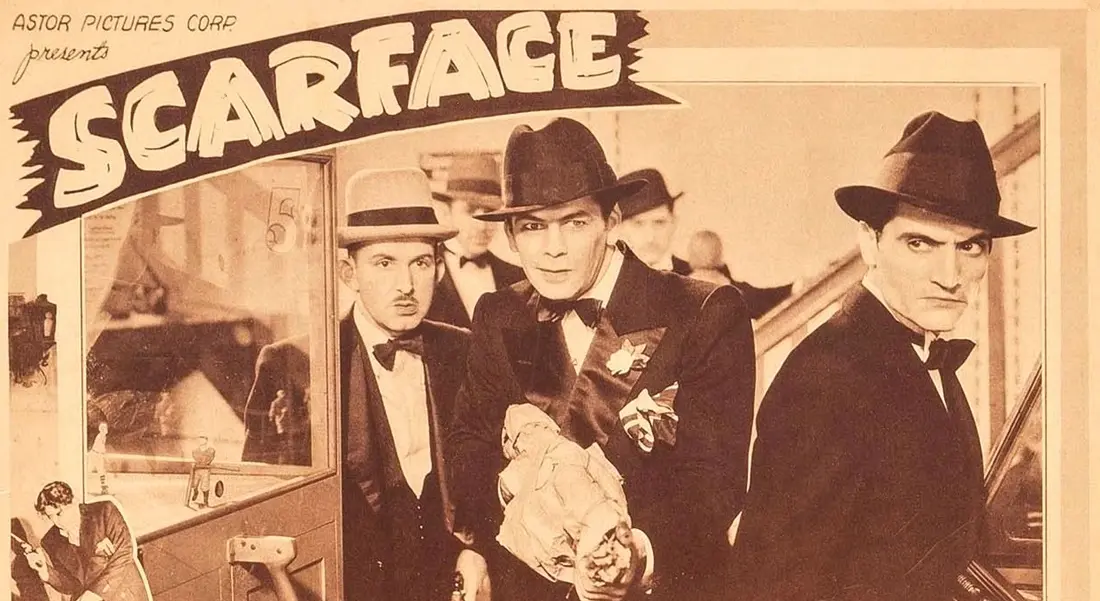
How Film Taste Has Changed Through the Decades (Part 1): From Gangsters to Hitchcock
Movies change alongside their audience. Look back at the history of popular film from the 1930s to today, and it becomes clear that genres don't rise and fall by accident. In times of crisis, audiences look for escape. In uncertain periods, they turn to darker stories. In eras of technological upheaval, they want spectacle. And whenever the way people watch films changes, what the film industry produces changes along with it.
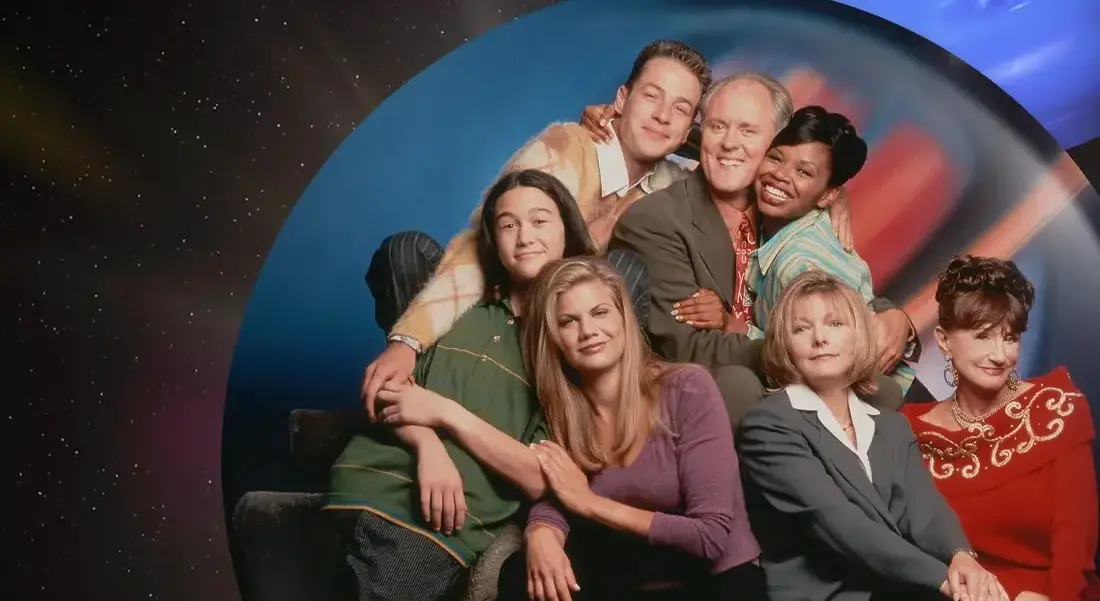
How an Alien Family Became a Mirror of the 1990s
Dick Solomon stands in the middle of a room, trying to solve a problem that, despite his knowledge of the laws of the universe, is completely beyond him: why his colleague Mary Albright will not tell him she loves him when, from his perspective, the answer is perfectly obvious. His logic runs up against something no physical theory can explain - human insecurity, emotion, and the need to leave certain things unsaid even when they seem clear.
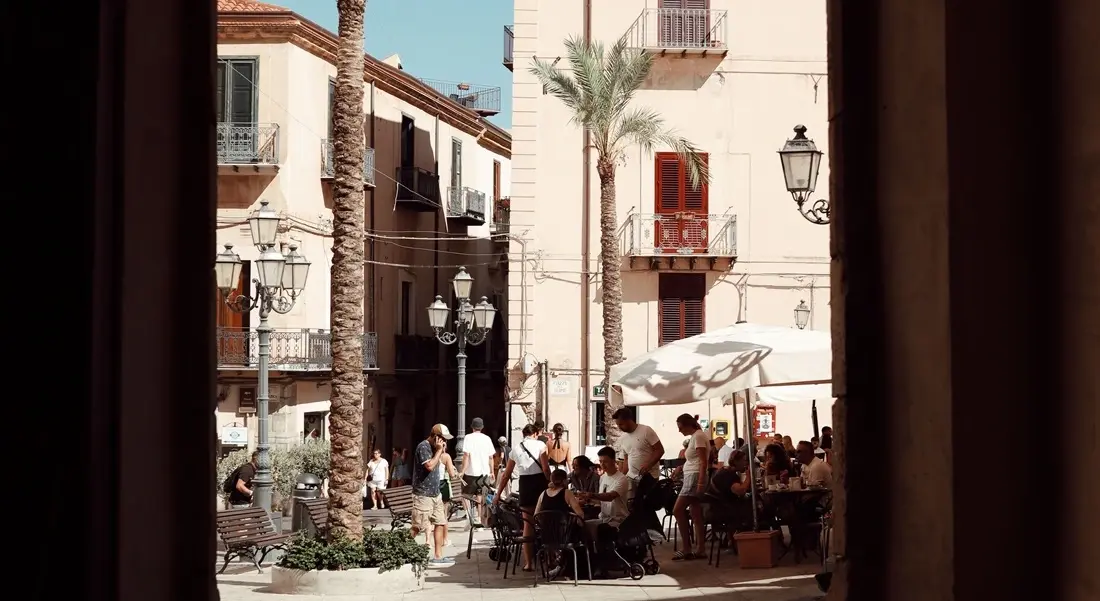
5 Films That Will Take You to Italy - No Plane Ticket Required
While some countries are best discovered through museums and others through food, Italy is often first experienced through cinema. Its narrow cobbled streets, sun-drenched piazzas, the aroma of espresso, the vineyards of Tuscany, and the Amalfi Coast are enough to make you want to pack your bags after the very first scene.

How Biljana Čekić Became Popular on Both Sides of the Atlantic at the Age of 13
At just thirteen years old, she became famous almost overnight on both sides of the Atlantic. With deep emotions written across her face and a steel determination to save her younger brother, she guided audiences through the horrors of an infamous concentration camp. Long before the public had the opportunity to watch Dara of Jasenovac, the controversy and debate surrounding the film had already made headlines in political and artistic circles.
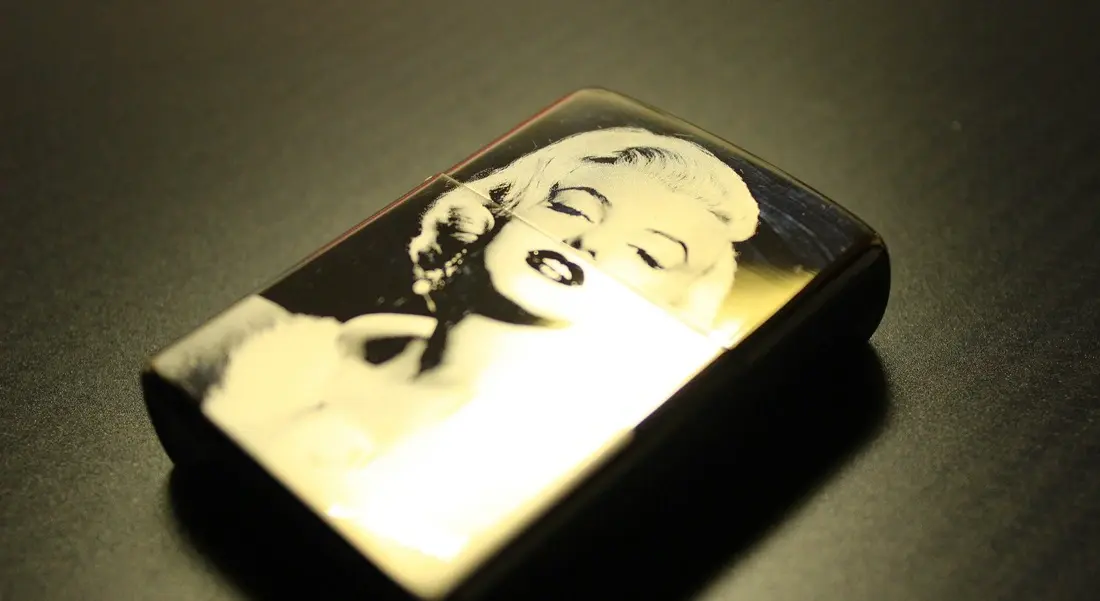
Marilyn Monroe: The Woman Who Became Bigger Than Her Own Life
There are very few people in the world whose names require no introduction. Marilyn Monroe is one of them. There is no need to mention that she was an actress. No need to list films, dates, or biographical details. A single photograph is enough. The white dress lifted by the wind above a New York subway grate. Red lipstick. Blonde hair. A smile that seems both seductive and vulnerable.
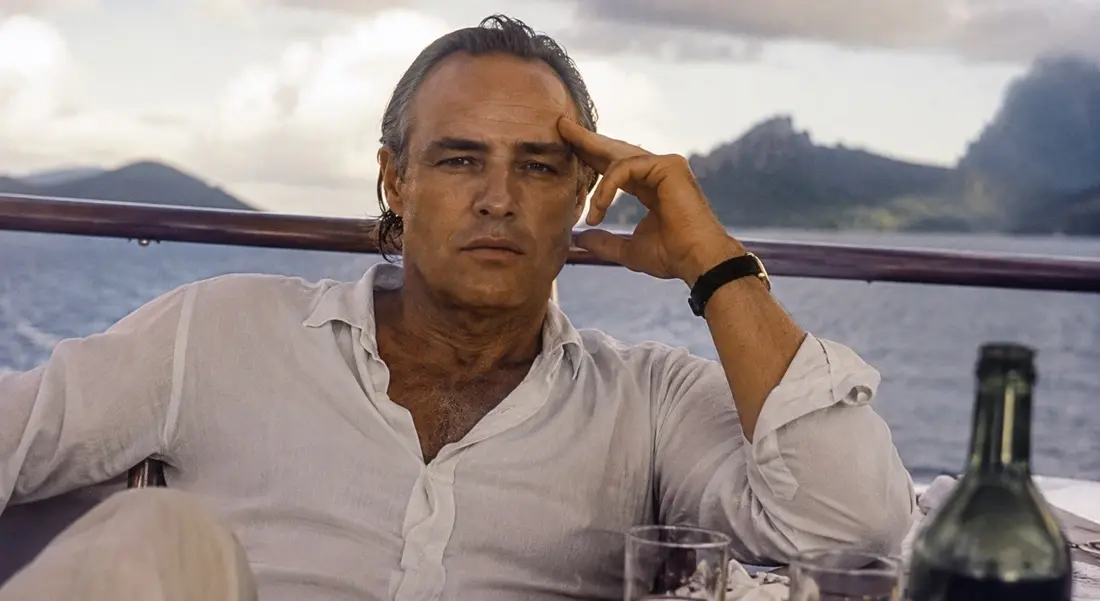
Marlon Brando and the Time When Hedonism Wasn’t Content for Social Media
There are people who have never had to perform charisma. The moment they entered a room, the atmosphere changed before they even spoke their first word. Marlon Brando was one of those people.
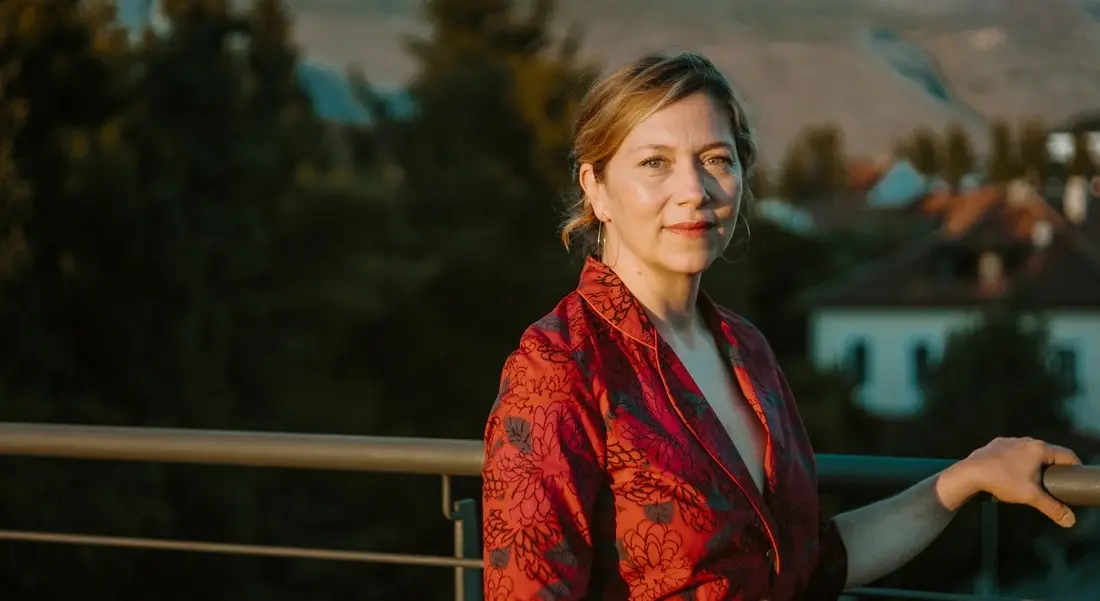
Branka Katić for HEDONIST: I Was Captivated by the Beauty and Fairytale Charm of Trebinje
“This is my first time in Trebinje, and I am completely captivated by the beauty and fairytale charm of this city. What makes it especially emotional for me is the fact that a young Nebojša Glogovac once ran through these very streets, growing up to become one of the greatest actors our region has ever known. It is a beautiful city - now I understand why Nebojša loved it so much, why he always spoke about it, and why he wanted to return here with his family”.
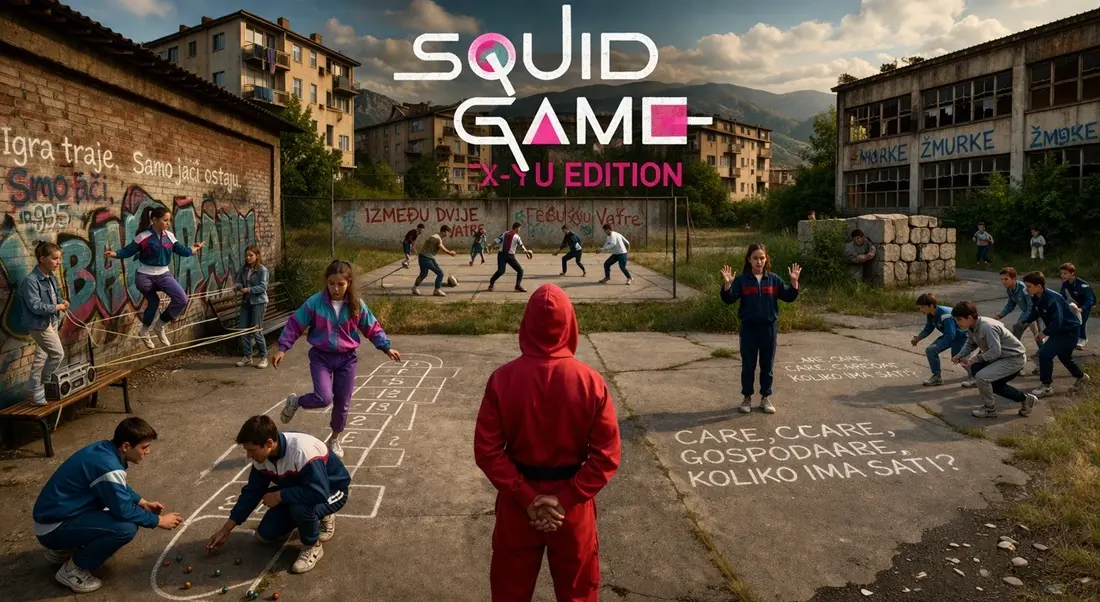
What Would Squid Game Look Like If It Were Filmed in Ex-Yugoslavia?
If this global phenomenon were set in the former Yugoslavia, the scenery would change - but the essence would remain the same: tension, strategy, and childhood games that suddenly no longer feel innocent. Instead of futuristic arenas, we’d see schoolyards, concrete playgrounds, grassy fields behind apartment blocks, and abandoned halls. And instead of Korean games, familiar childhood favorites.
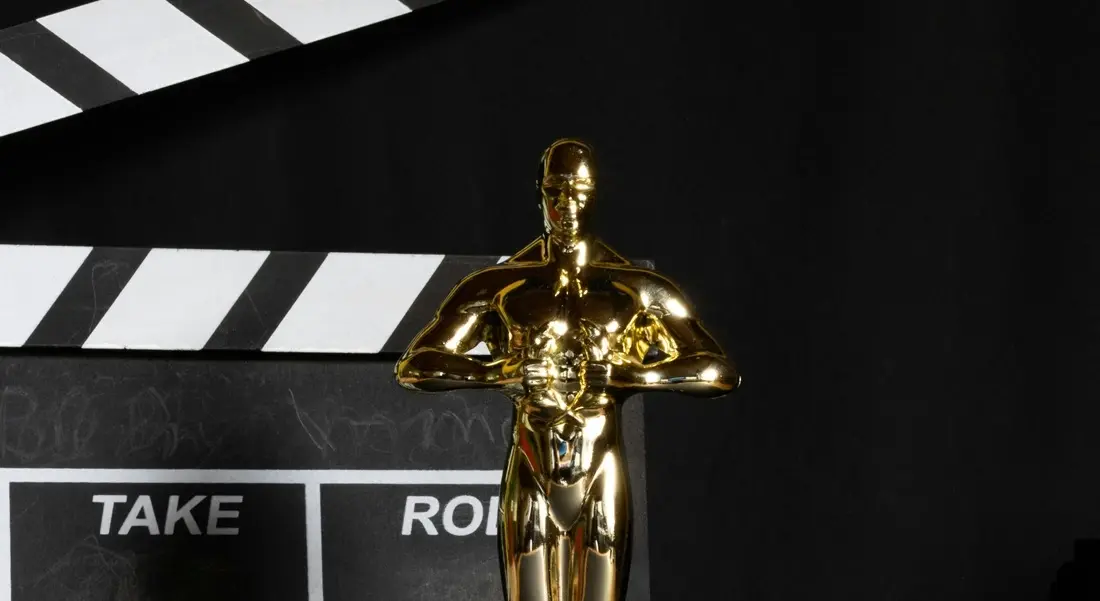
How Is an Oscar Won?
When choosing which film to watch, many people instinctively turn to movies that have won an Oscar. The assumption is simple: if a film has received the most prestigious award in cinema, it must be among the best and most artistically accomplished. But is that always the case? How does a film actually end up on the list of Oscar nominees? What qualities must it possess, and what requirements must it meet?

Zlatan Vidović for HEDONIST: Black Humor Is Our Natural Defense Mechanism
Actor Zlatan Vidović told HEDONIST magazine that the story of the film Biće novih leta, inspired by a true event from Banja Luka, immediately won him over with its warmth and local authenticity. However, he also points out that he quickly realized the film’s message goes far beyond the borders of any single city.
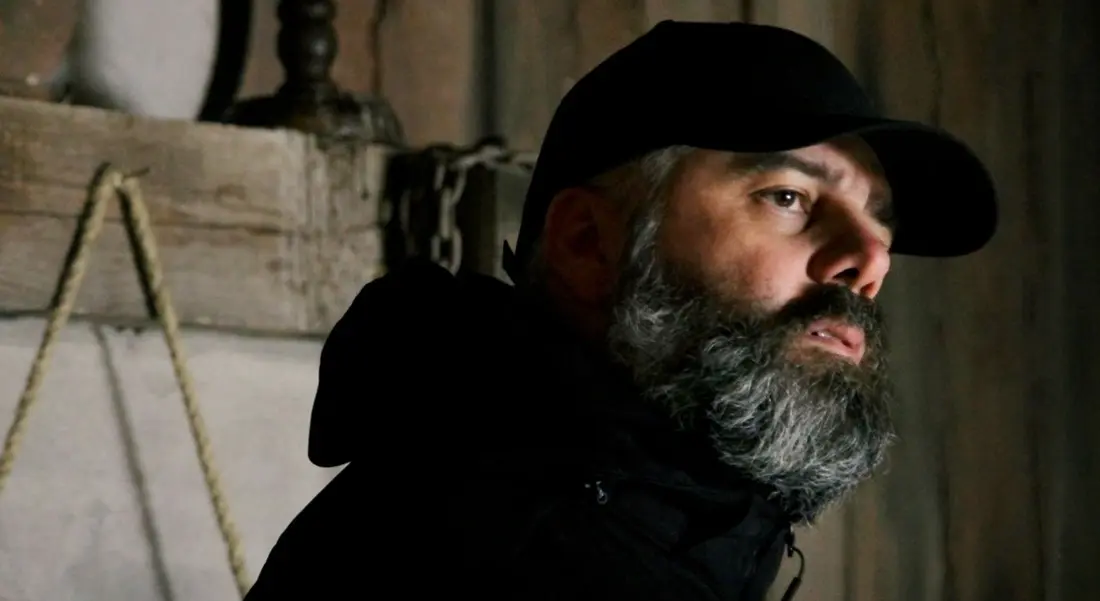
Gvozden Đurić for HEDONIST: People Often Travel to Confirm the Image They Have of Themselves
Somewhere between the irony of modern life and the human need to preserve the illusion of happiness, the film There Will Be New Summers was born - a witty and emotional story about family, pressure, and togetherness. Director Gvozden Đurić spoke with HEDONIST about how the film came to life, the messages it conveys, and his perspective on contemporary society.