

Gvozden Đurić for HEDONIST: People Often Travel to Confirm the Image They Have of Themselves

![[object Object]](https://api.hedonistmagazine.net/storage/images/2026/03/c03b6389-c81e-4913-996a-853fe60a5bfc.webp)
Somewhere between the irony of modern life and the human need to preserve the illusion of happiness, the film There Will Be New Summers was born - a witty and emotional story about family, pressure, and togetherness. Director Gvozden Đurić spoke with HEDONIST about how the film came to life, the messages it conveys, and his perspective on contemporary society.
The film is inspired by a true event from Banja Luka. On a deeper level, what drew you to that story - its bizarreness or what it reveals about modern people and their need to maintain the appearance of happiness?
When I first read that news story, the question that immediately came to mind was: what kinds of fears and pressures could lead someone to such a radical act? Very quickly, I realized that this somewhat bizarre and amusing story goes beyond a simple anecdote and begins to speak to the modern individual's need to maintain an image of stability and success. That is when the screenplay started to take shape.
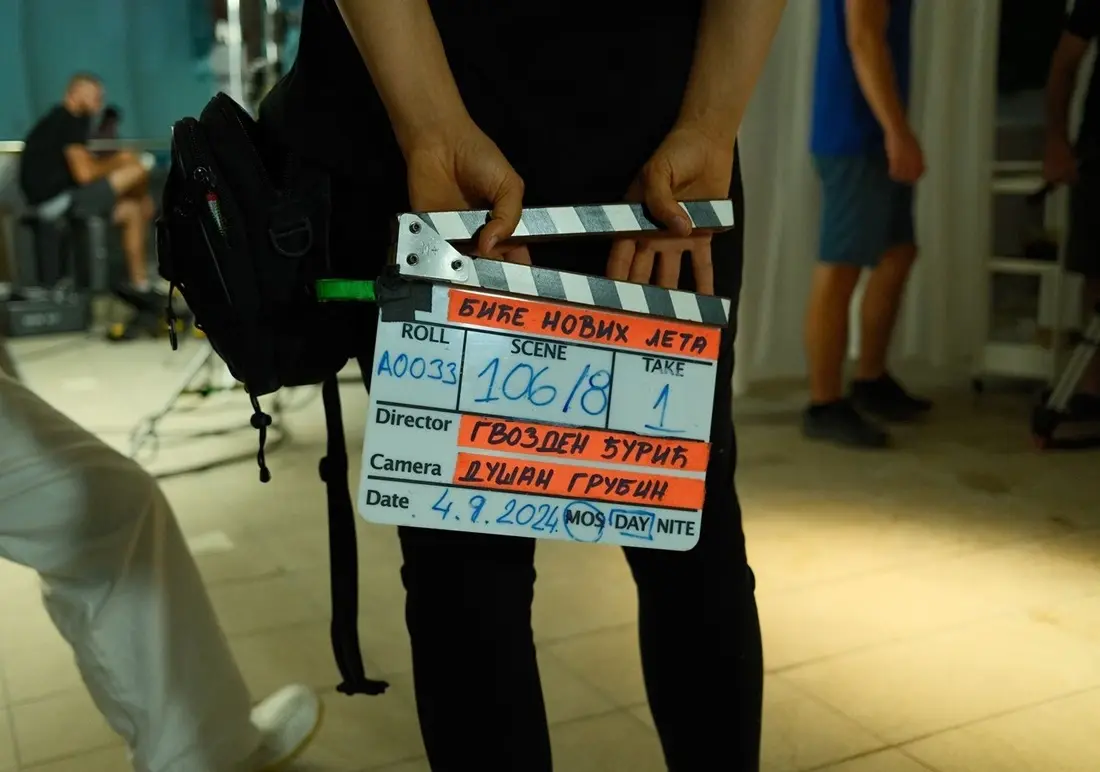
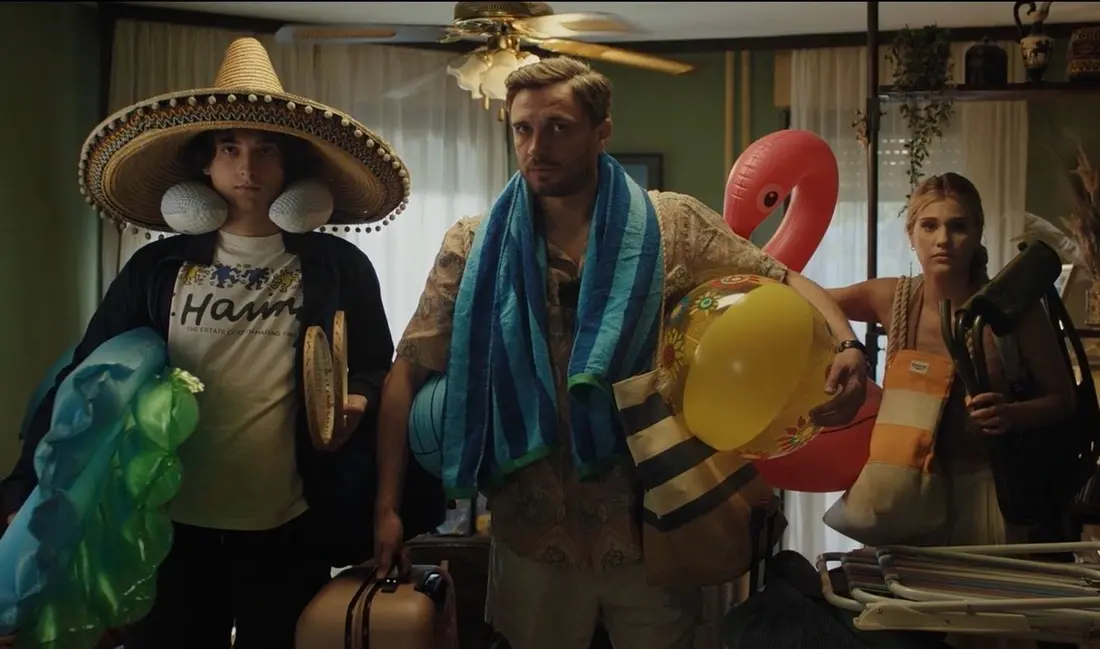
In the film, the family spends ten days “pretending” to be on vacation while actually staying locked inside their apartment. If we truly know how to enjoy life, can we create a sense of rest and freedom even within four walls? Is vacation a state of mind?
In the region of the former Yugoslavia, a summer holiday is much more than a vacation - it is also a social ritual and a confirmation of status. That is why I was interested in a situation where the ritual itself is absent, yet the need to “perform” it remains.
To what extent is this story a commentary on a society obsessed with images of success, travel, and perfect lives? Are we living reality today, or a carefully staged illusion?
To a large extent, we live in a culture of representation, and social media has only accelerated that process. People often do not travel to rest, but to confirm the image they have of themselves - an image that receives full validation through likes and posts online. The film comments on that type of pressure: the constant need to prove that we are successful, satisfied, and happy. Still, I did not want the film to become a moral lesson, but rather an exploration of how people cope with that pressure.
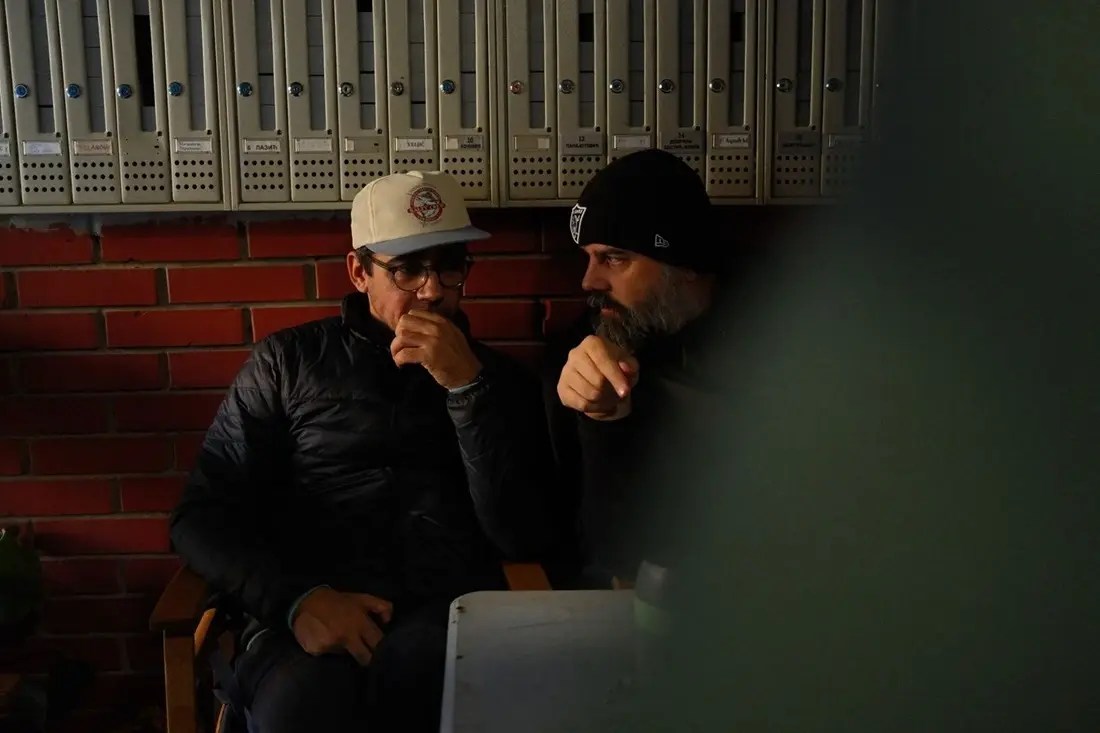
Your characters, at first glance, appear selfish, manipulative, and trapped within their own ambitions. Do you believe that every person, no matter how cold or difficult they may seem, also carries good qualities within them?
I believe that most people carry both their best and their worst impulses inside them. The characters in the film are indeed charming manipulators and eccentric individuals who often appear as selfish mediocrities, but that does not mean they are incapable of empathy or change.
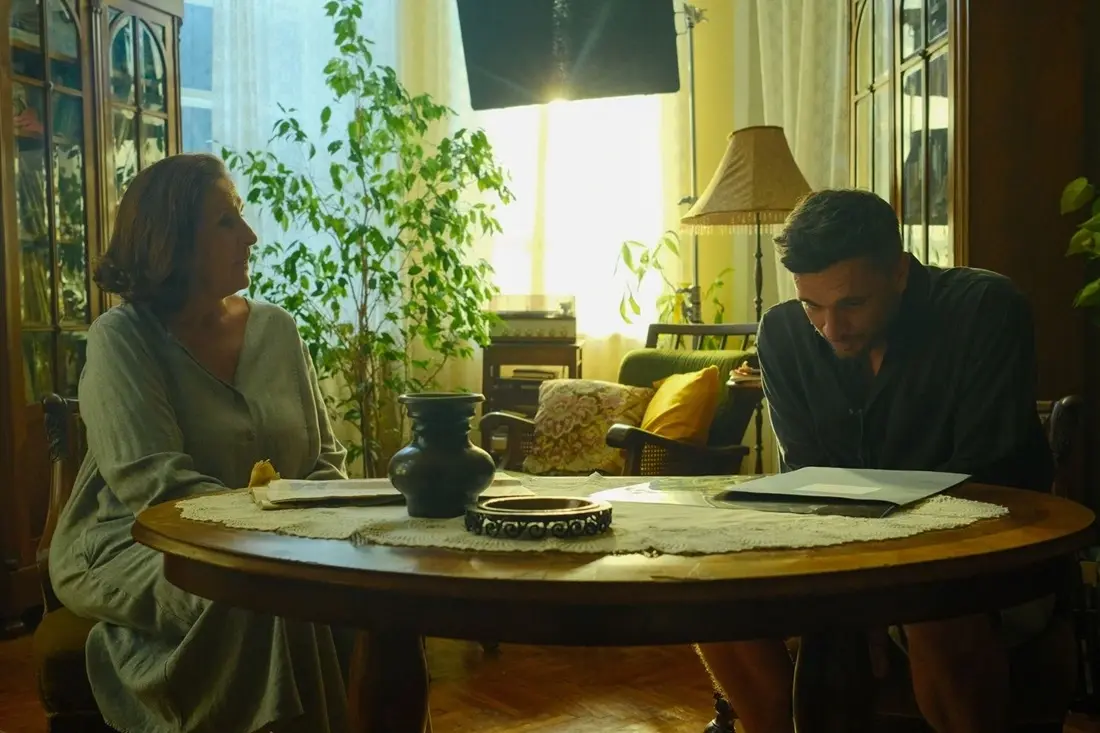
The story takes place almost entirely inside one apartment. How much is that closed space a metaphor for the inner prisons in which people live - their fears, egos, and suppressed emotions?
The apartment is primarily a practical location, but it also functions as a metaphor. It is a space where the characters try to hide their weaknesses, yet at the same time, it becomes a place from which they cannot escape one another. The closed space acts as a kind of psychological laboratory where ego, fears, ambitions, and suppressed emotions collide.
How did the process of writing the screenplay unfold? Did you know from the beginning that the film would have the tone of a dark comedy?
From the earliest stages of writing, it became clear that a blend of drama and comedy was the right tone for this story. The situation itself contained both absurdity and melodrama, so it was important for me that those two registers exist simultaneously. The humor emerges from the characters and situations, not from an attempt to make the audience laugh at any cost. I wanted to create a film I would personally enjoy watching - something between American indie comedies, like those by Alexander Payne, and the restrained humor found in Romanian cinema.
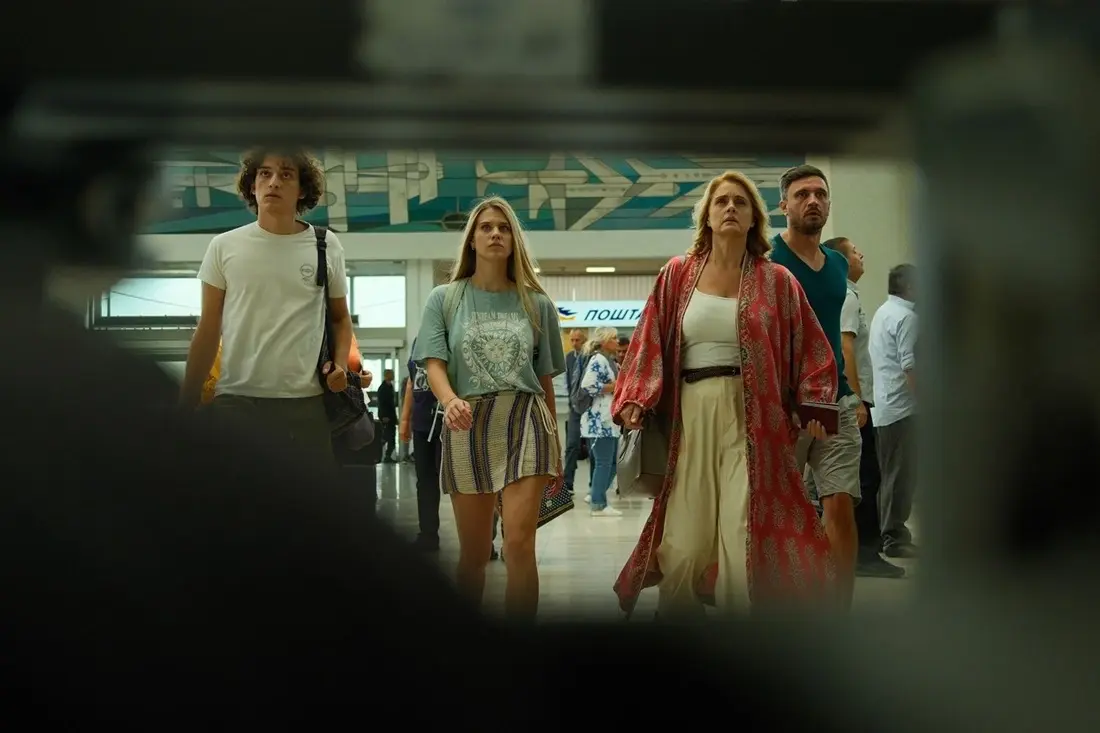
The title There Will Be New Summers sounds optimistic. Is it irony, or a message of hope - that after every closed space, every crisis, and every false summer, a new, authentic one will eventually come?
It is a bit of both. There is irony in the title because the characters attempt to simulate a false vacation, but there is also hope that things can change. The idea that “there will be new summers” reminds us that the crises and illusions we go through do not have to be the end of the story.
Since we are doing this interview for HEDONIST magazine, what kind of vacation will you personally enjoy this summer?
The only thing I imagine is that a vacation actually happens - even if it takes place in the apartment.
About the Film
Inspired by a true event, There Will Be New Summers is a dramedy about the Škrbić family, who are obsessed with summer vacations and the idea that a yearly holiday must never be missed. Due to a set of social circumstances, the family members find themselves in an unusual summer adventure that changes their relationships and the way they see themselves.
Driven by the idea of a “mandatory” holiday, the Škrbić family enters a series of absurd and humorous situations that, instead of separating them, help them understand one another better and reconnect. The film speaks about family togetherness - something easily lost in the fast pace of modern life, yet something that can, through unexpected circumstances, be rediscovered.
- Written by: Anđelka Marković / HEDONIST