History

Clocks Back: Who Invented Changing the Time?
The most common answer is Benjamin Franklin, and it is wrong. The real story involves a joke, a beetle collector, a builder and a war, and this autumn its sequel is playing out in Brussels.
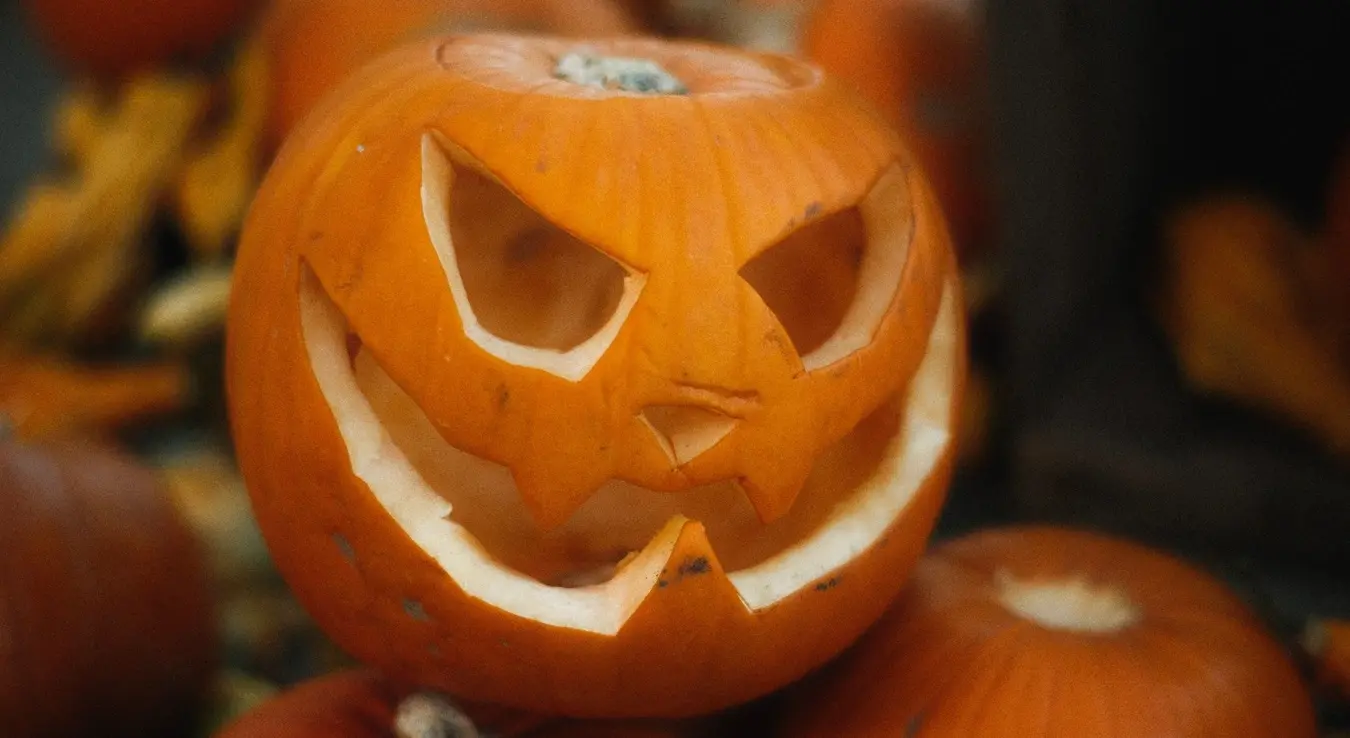
The Pumpkin Wasn’t First: How the Turnip Lost Halloween
The first Halloween lanterns were hollowed-out turnips, ugly and hard to carve. The story of how the pumpkin replaced them is more tangled than the one we usually hear.
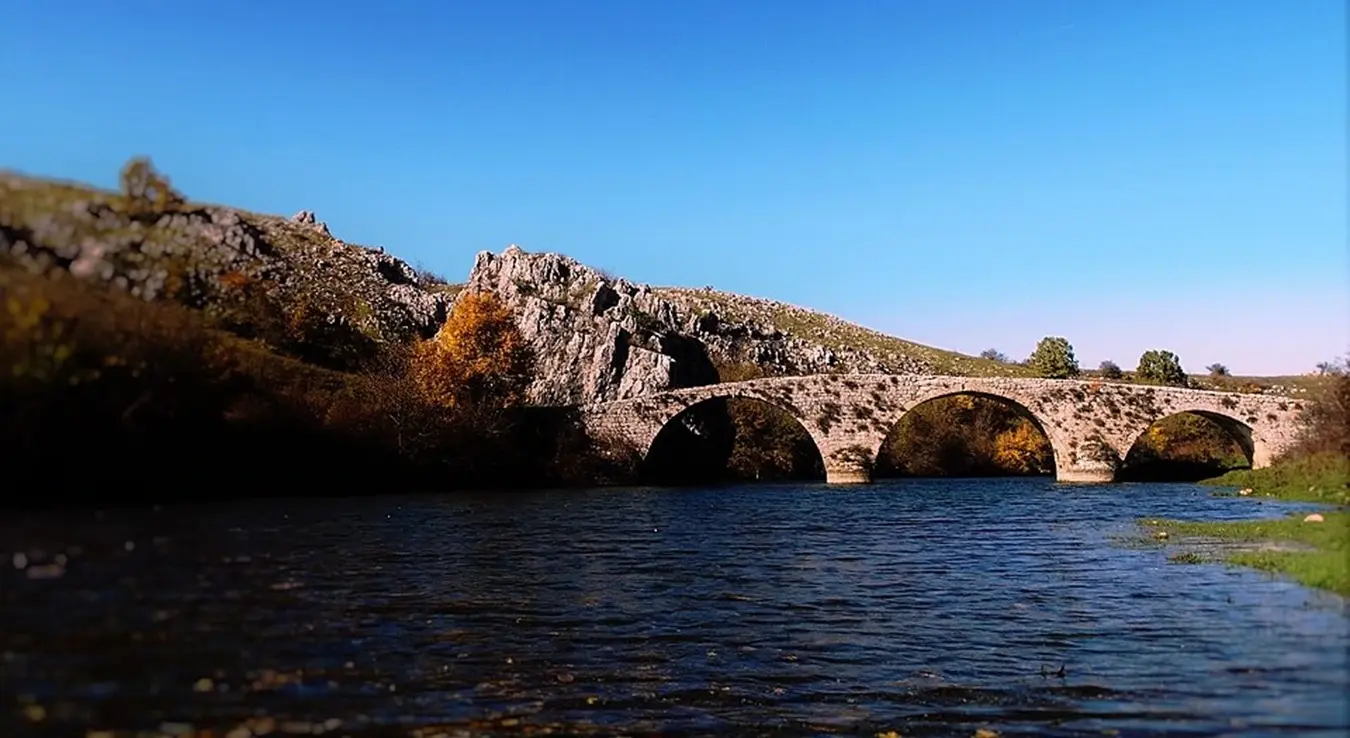
Ovčiji Brod: The Bridge Older Than the Višegrad Bridge, Yet Almost Unknown
Across the so-called "Sheep's Ford" on the Zalomka River, flocks of sheep have long been herded from lower Herzegovina up into upper Herzegovina each spring, toward Treskavica, Zelengora, and Morine, for pasture - and back again each autumn.
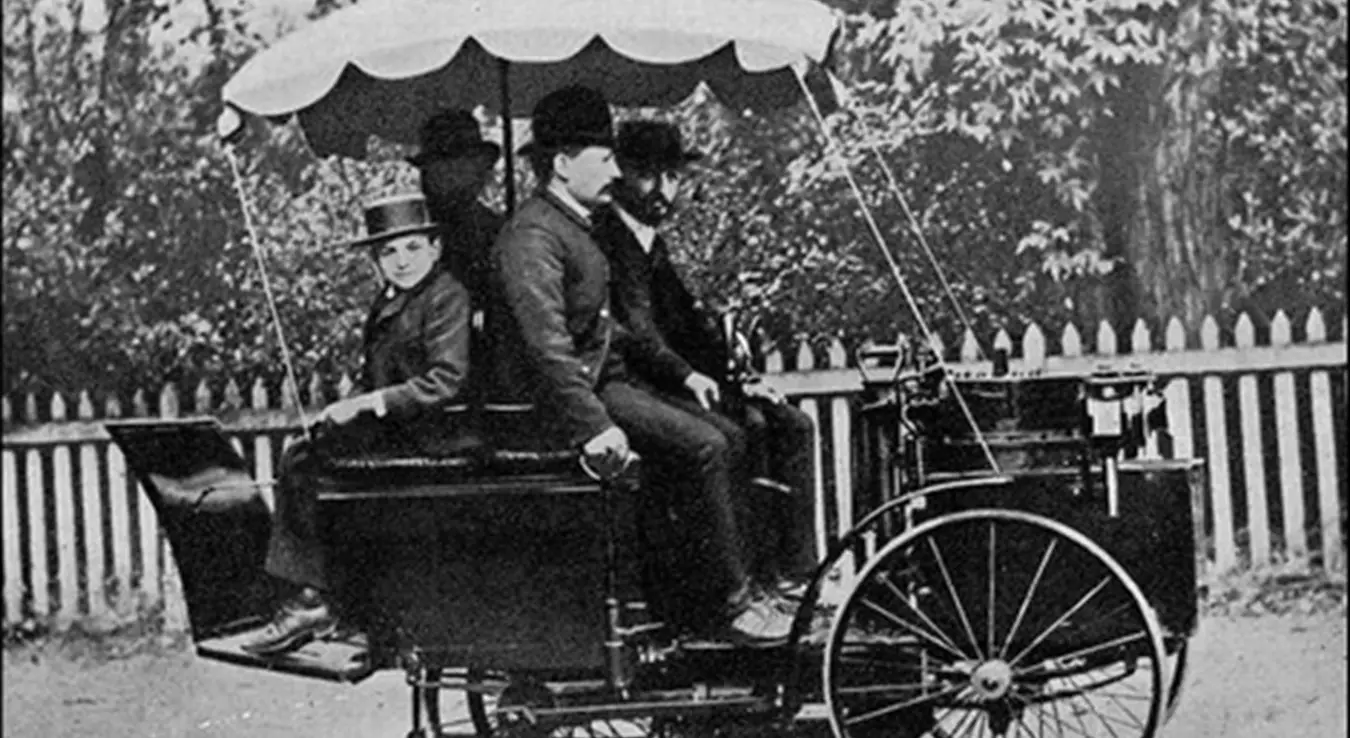
La Marquise: The Car That Won Because No One Else Showed Up
It all began with a toy in the window of a Parisian shop. In 1881, Count Jules-Albert de Dion, a man known in high society as much for the duels he challenged people to as for his fondness for women, was looking for prizes for a ball when his attention was caught by a model steam locomotive. It had been crafted with such precision that he decided to track down the people who had made it.
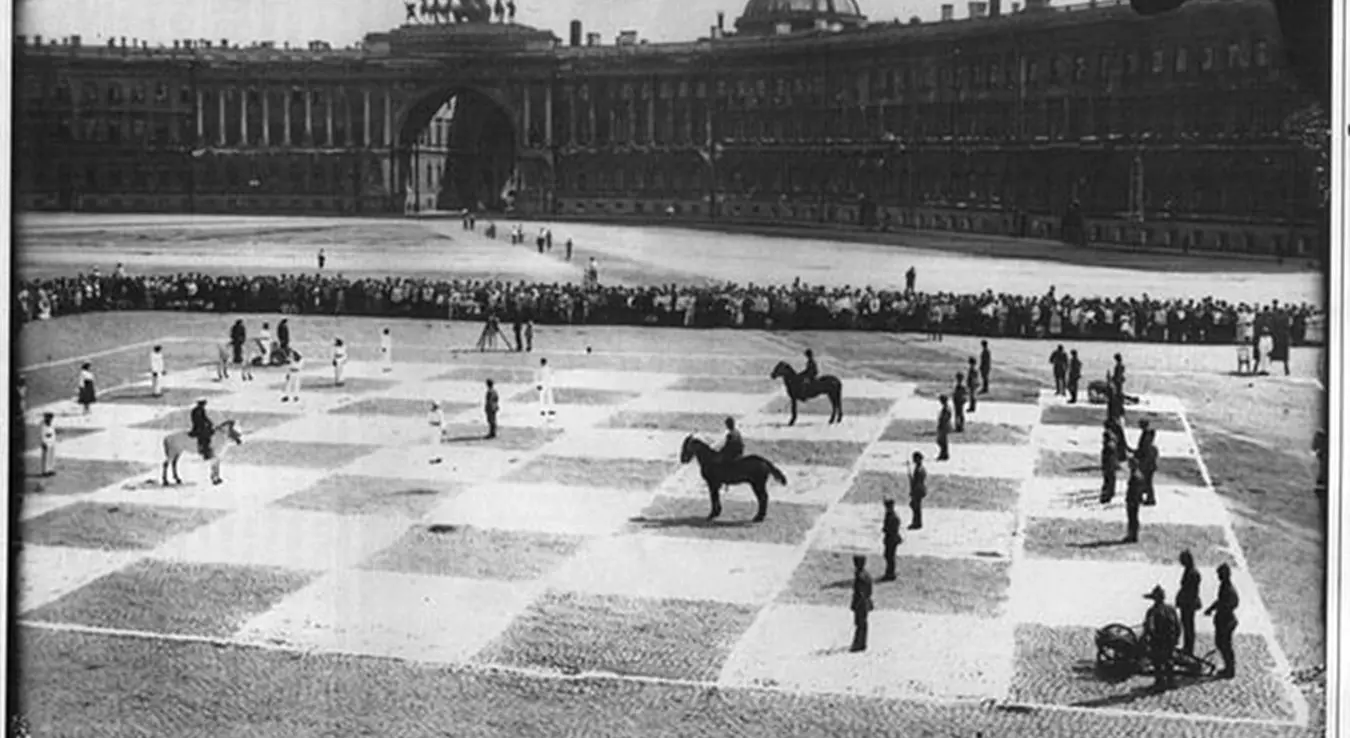
Living Chess in Uritsky Square: A Performance Meant to Build an Empire
The soldiers stand perfectly still on an enormous chessboard chalked across the cobblestones. Some hold rifles, some sabres, depending on which piece they represent, while the cavalry waits off to the side, ready to move two squares over and one forward the moment someone gives the order.
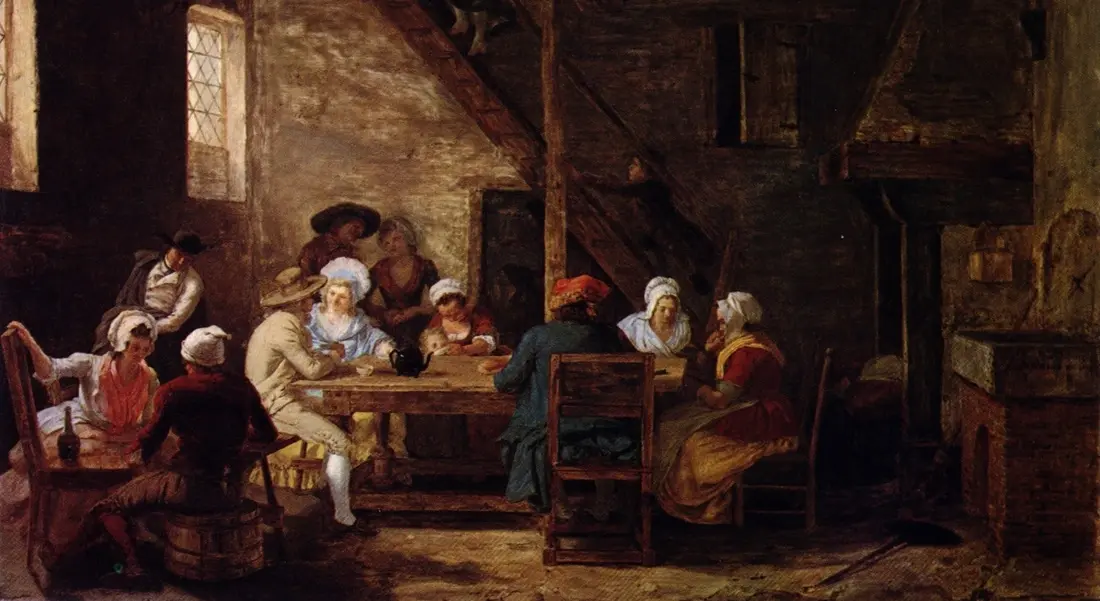
A History of Restaurants: The First Time We Sat at a Table That Wasn't Ours
The table was long, wooden, and not yours. Beside you sat a man whose name you didn't know, smelling of horse and road dust, eating from the same bowl as you. No one asked what you'd like for dinner. The meal was whatever had been cooked that day - served at noon, on a bench, in a room thick with smoke and other people's voices. This wasn't hospitality. It was logistics: travelers had to eat, horses had to rest, and the roadside inn solved both problems at once, without asking about taste.
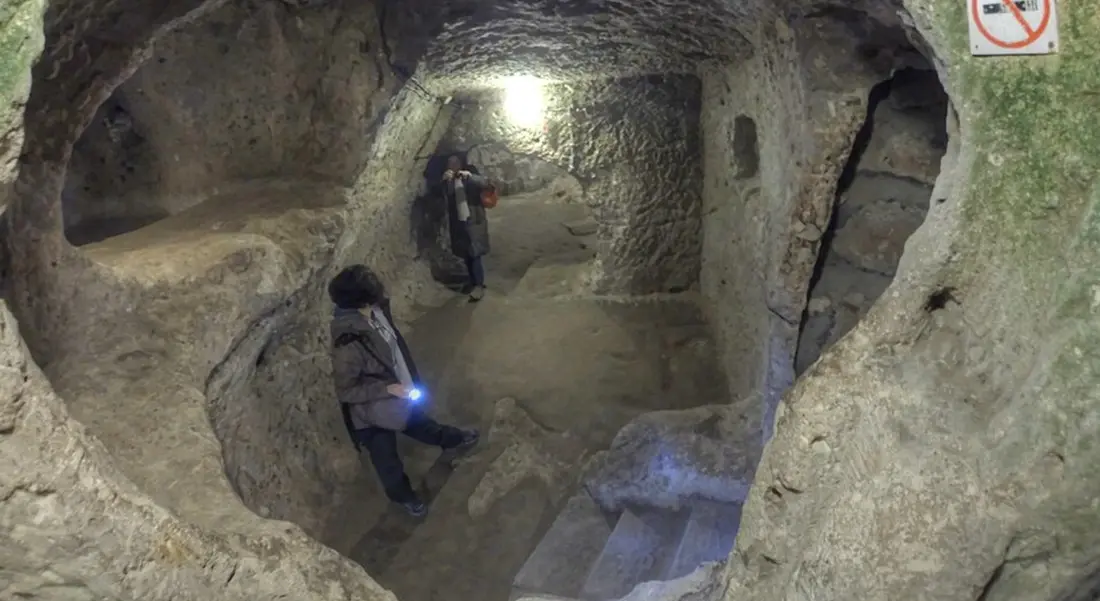
Cities Beneath Cities: Places Where History Was Preserved Underground
In 1963, a man renovating his house in the Turkish town of Derinkuyu knocked through part of a basement wall and discovered
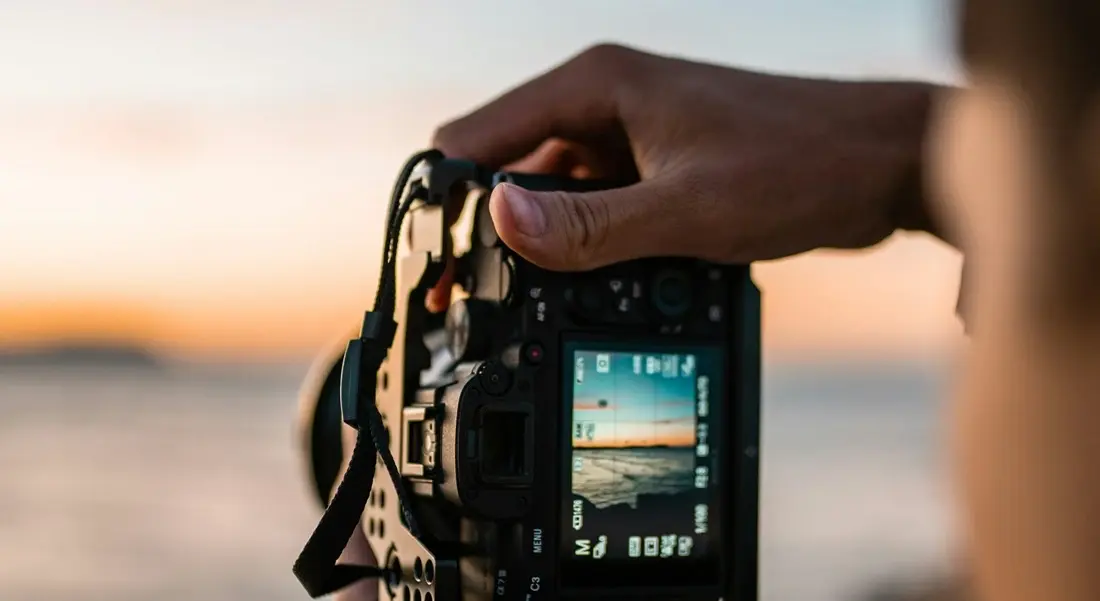
Five Photographs That Changed the World
Some photographs are captured almost by chance, in a fraction of a second, yet continue to shape history for decades. While most images preserve the past, a rare few alter the future. They transcend documentation to become symbols of an era, influencing public opinion, reshaping political decisions, and forever changing the way we understand the world.