

The Pumpkin Wasn’t First: How the Turnip Lost Halloween

![[object Object]](https://api.hedonistmagazine.net/storage/images/2026/10/4dd68a93-bc9d-4ff7-bb8c-5ba4f7d30f45.webp)
The first Halloween lanterns were hollowed-out turnips, ugly and hard to carve. The story of how the pumpkin replaced them is more tangled than the one we usually hear.
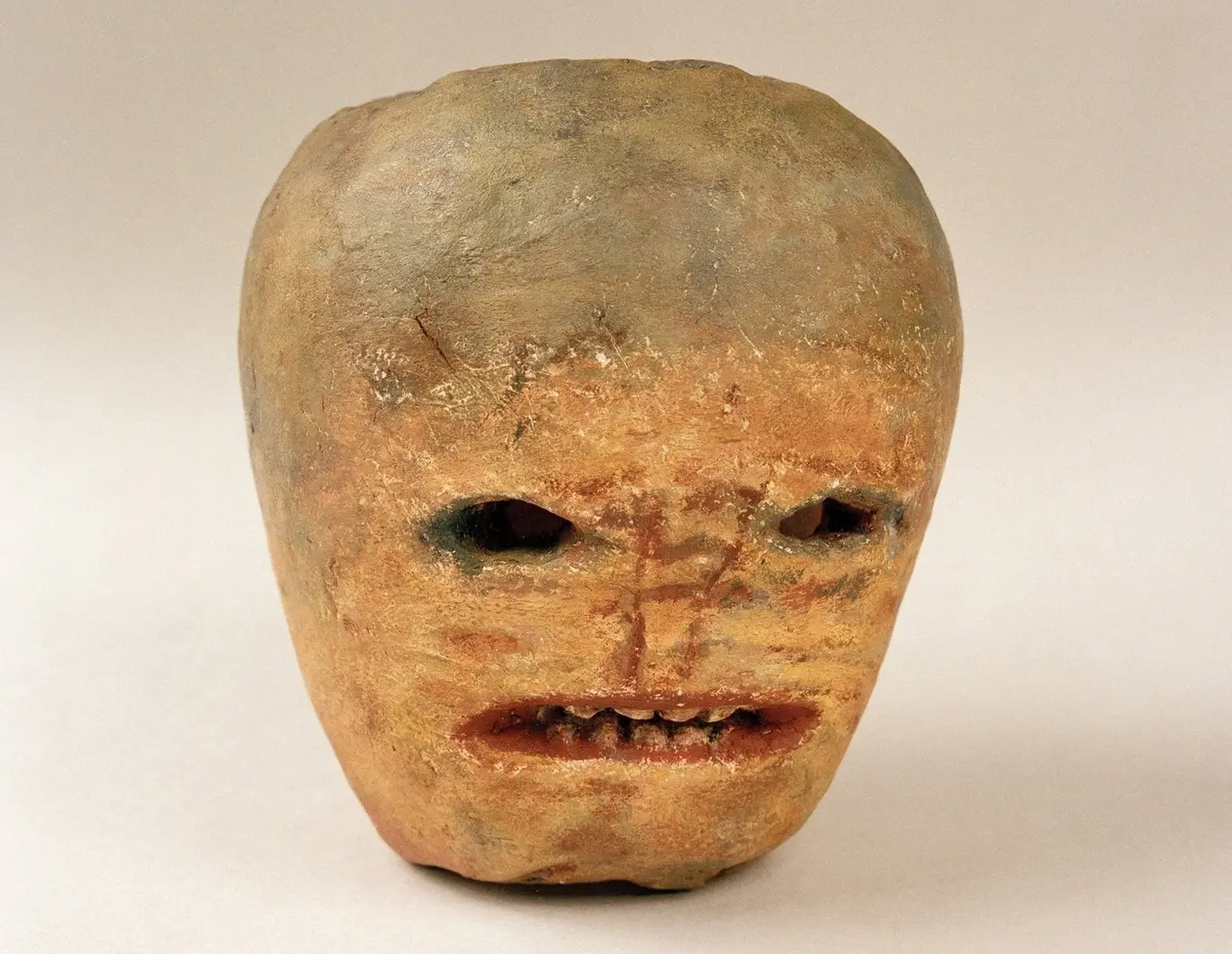
At the Museum of Country Life near Castlebar, in Ireland’s County Mayo, a plaster cast of a hollowed-out turnip sits among the exhibits. The original was carved around 1903 in Fintown, County Donegal: two slit eyes, crooked teeth, a cavity for a candle. The museum’s manager, Tony Candon, once said that people recoil when they see it in the flesh.
This is the jack-o’-lantern as it once was, not the smooth orange head with a grin that we set on windowsills today.
The Name Is Older Than the Lantern
The phrase “jack-o’-lantern” predates any vegetable. The Oxford English Dictionary records it from 1658 as a name for the flickering light seen over marshes at night, and from 1663 to 1704 as a name for a man with a lantern, that is, a night watchman. It was first applied to a hollowed-out vegetable only in 1837.
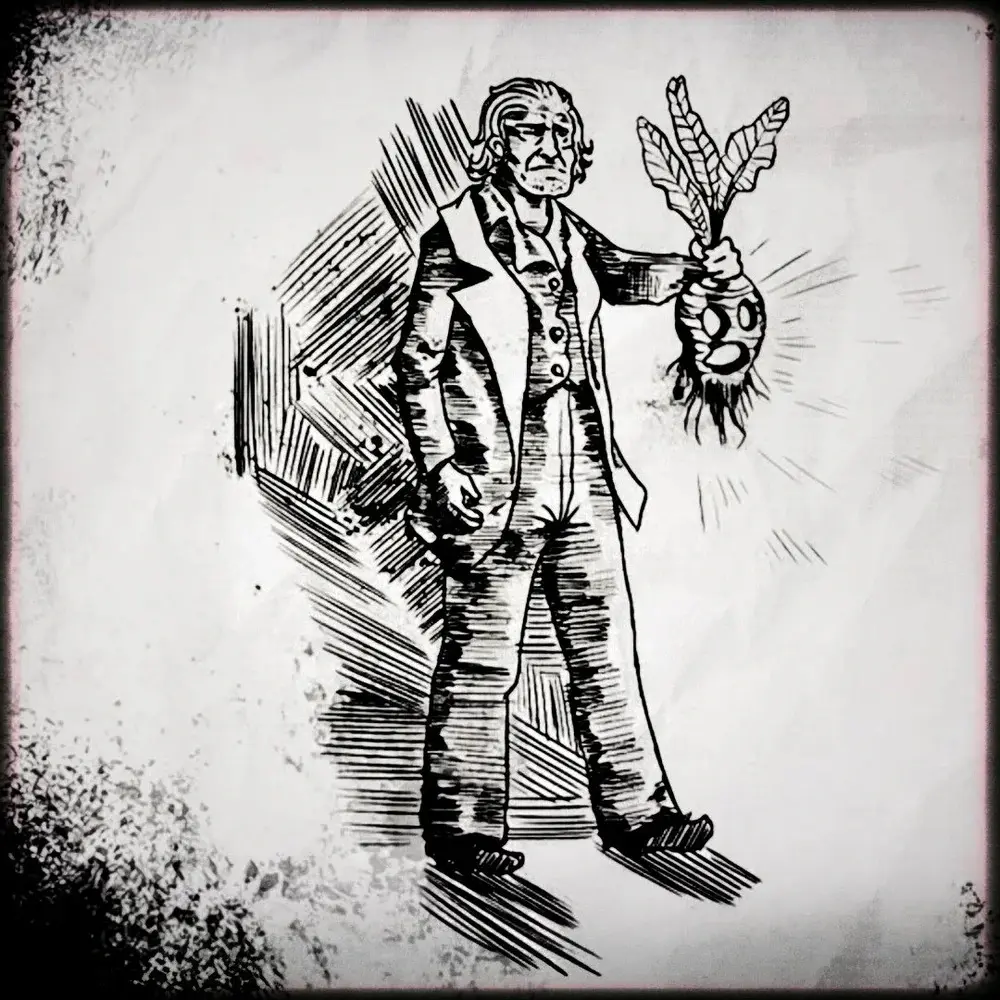
The story that ties the name to the turnip is the Irish legend of Jack, a blacksmith and drunkard who tricked the Devil twice. When he died, neither heaven nor hell would take him, and the Devil tossed him an ember to light his way. Jack tucked it inside a hollowed-out turnip and has wandered the world with it ever since. The legend appears in print in the 19th century, and the version published by the Dublin Penny Journal in 1836 makes no mention of a vegetable lantern. The link between the tale and the turnip, then, is a later addition.
How Old Is the Turnip?
Popular accounts tie the custom to the Celtic festival of Samhain, when spirits were believed to mingle with the living and people supposedly carved frightening faces into vegetables to drive them off. The documented traces are considerably younger. The earliest dates are to the end of the 18th century, from Worcestershire, where a turnip lantern was called a “Hoberdy’s lantern.” In the 19th century, England, Ireland, Wales, and Scotland recorded hollowed-out turnips and mangelwurzels with grotesque faces. In Somerset they even had their own night, Punkie Night. On the Isle of Man, where the custom is called Hop-tu-Naa, turnip lanterns are believed to be no older than the early 1800s, since the vegetable was introduced there only at the end of the previous century.
None of that means the custom couldn’t be older. It means only that there is no written trace of it.
Enter the Pumpkin
The usual version goes like this: the Irish fled famine in the 1840s, found the pumpkin in America, larger and softer than the turnip, and the problem was solved. A nice story, but an incomplete one.
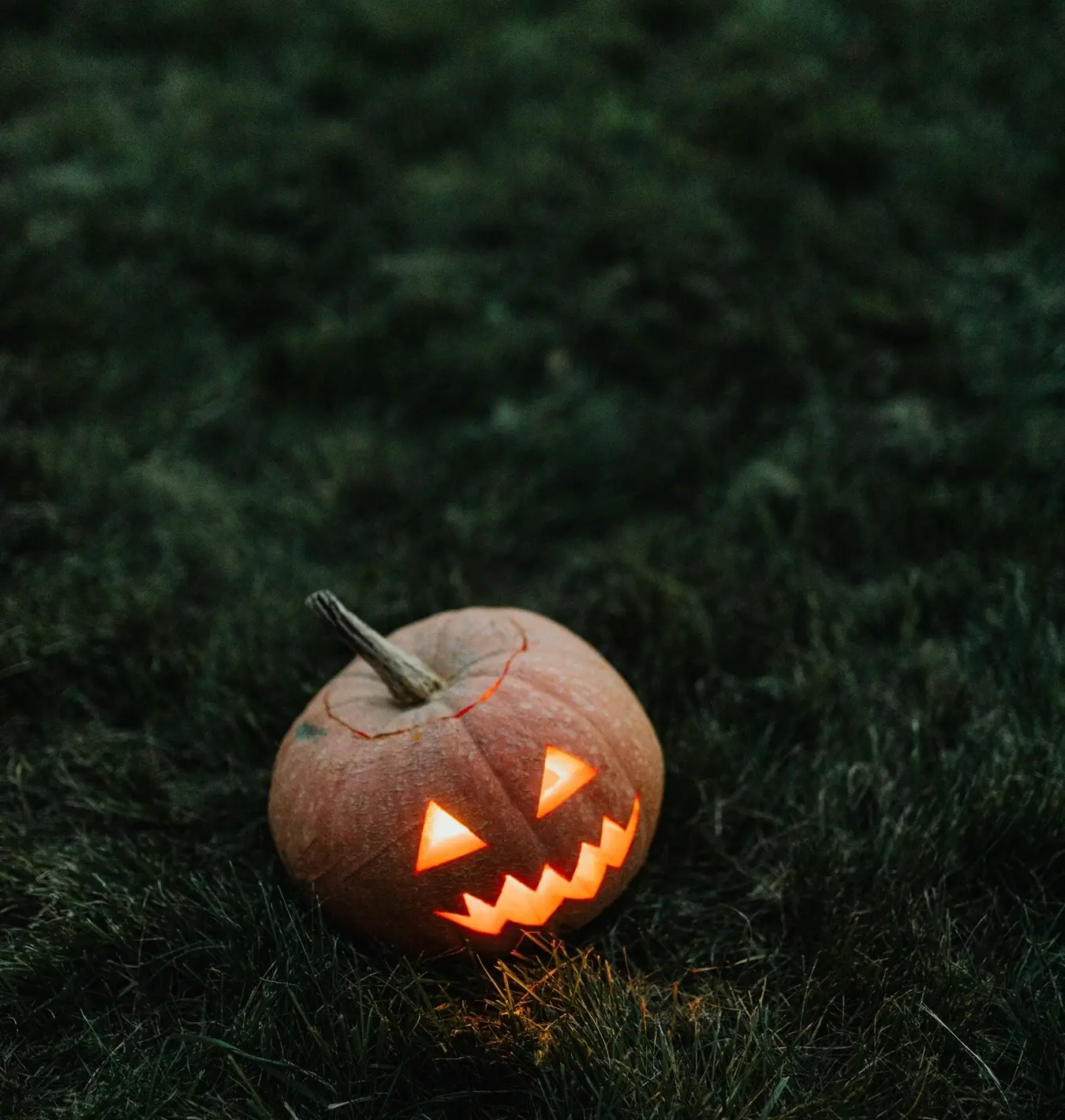
American children, historians say, were carving pumpkins for fun well before Halloween was a holiday. Magazine articles with instructions for the “carved pumpkin trick” appeared as early as 1842, and a newspaper story from 1846 describes a boy carving three faces into a pumpkin. A carved pumpkin was first a sign of the harvest and of Thanksgiving. The earliest written trace linking it to Halloween comes from a newspaper in Kingston, Ontario, dated November 1, 1866. An 1895 article recommends a lit pumpkin as a prize in children’s Thanksgiving games, and around 1900 the faces being carved were cheerful, not frightening. Only in the 20th century did Halloween spread massively across America.
The historian Cindy Ott, author of a book on the pumpkin, says that America more or less reinvented Halloween, spreading it through newspapers, magazines and postcards. Merriam-Webster finds more convincing the theory that the carved pumpkin began as a children’s prank, and was only later tied to the Irish story of Jack. The turnip is one root of the tradition; the pumpkin may not have grown from it at all.
A Custom Without an Address
In our part of the world, the custom arrived from that American version, not the Irish one. We imported the pumpkin, the costume and the candy, but not the story beneath them. According to the US National Retail Federation, Americans will spend about $13.5 billion on Halloween this year, and last year 46 percent of those surveyed planned to carve a pumpkin.
A light on the eve of November 1 is not foreign to us, after all: in the Catholic parts of the region, candles are lit on graves that day.
If you do draw a knife through a pumpkin this year, keep in mind that it is a latecomer. The first lantern was a tougher, uglier, and, by the testimony of museum staff, scarier thing. The Irish Times once wrote that a turnip is devilishly hard to carve, which goes a long way toward explaining why the old specimens look so crude.