

The Record Without the Record Player: Why Analogue Has Become a Luxury

![[object Object]](https://api.hedonistmagazine.net/storage/images/2026/10/28a4e8b0-9b46-4b18-93d6-3d133672d40e.webp)
Vinyl outsold CDs in 2022 for the first time since 1987; Kodak is struggling to keep up with demand for film, and a phone that deliberately does less costs nearly $800. Who is buying these things, and what are they really paying for?
Half of all Americans who bought a vinyl record last year have nothing to play it on. That was the finding reported by Luminate, a music data company, in 2023: only half of recent vinyl buyers owned a turntable, compared with 15 per cent of music listeners overall. The figure needs some context, since it compares recent buyers with the wider population, but the picture is clear enough. Research by the International Federation of the Phonographic Industry (IFPI) in 2022 offered a clue as to why. The most common reason for buying vinyl was the desire to own music in a physical format, followed by the pleasure of looking at the record itself. The ritual of playing a record mattered too, but it was only part of the appeal.
Numbers Nobody Expected
In March 2023, the Recording Industry Association of America (RIAA) confirmed that 41.3 million vinyl records had been sold in the United States in 2022, compared with 33.4 million CDs. For the first time since 1987, vinyl had outsold CDs by units sold.
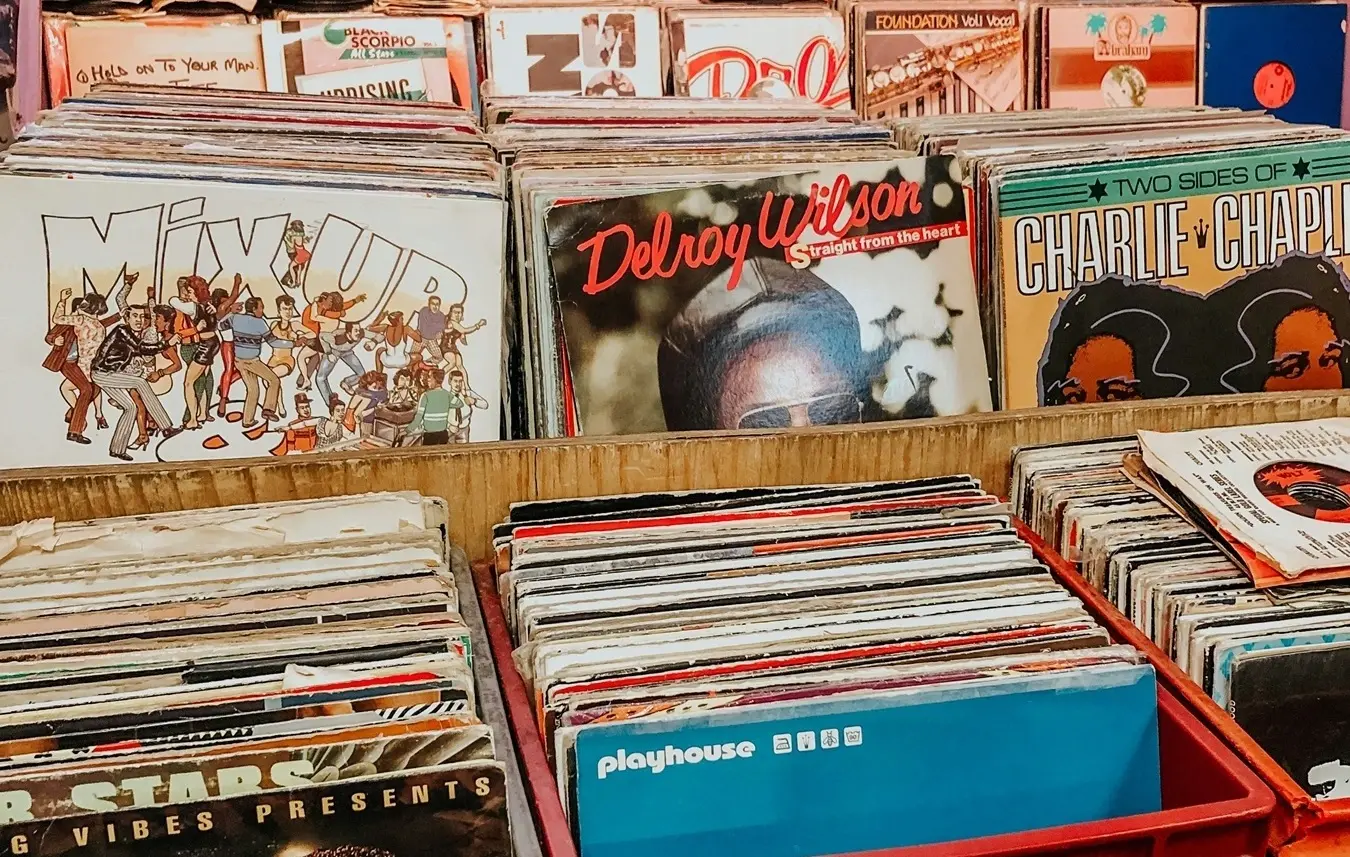
The trend has continued. In 2025, 46.8 million vinyl records were sold, generating $1.043 billion in revenue - the first time the format had crossed the billion-dollar mark since 1983. It was the nineteenth consecutive year of growth. One album alone, Taylor Swift’s The Life of a Showgirl, sold around 1.6 million copies on vinyl. CD sales came to 29.5 million, nearly 12 per cent lower than a year earlier.
Perspective is still needed. Vinyl accounts for around nine per cent of the US recorded-music market, worth $11.5 billion, while streaming generates 82 per cent of revenue. The record has not taken the industry back to the past. It occupies a small, expensive corner of the market where music once again becomes a physical object. According to RIAA data, the average wholesale value is around $22 per vinyl record, compared with about $11 per CD. These are not retail prices paid by consumers, but figures that show how much physical formats can generate for the industry.
Demand has also exposed bottlenecks in manufacturing. Jack White has urged major record labels to open their own pressing plants, while Metallica acquired a majority stake in a vinyl pressing plant in 2023.
Film: The Cost of Waiting
The company whose engineer built a prototype digital camera in 1975, and which sought protection from creditors under US bankruptcy law in 2012, admitted in 2022 that demand for photographic film had caught it by surprise. Its finishing plant in Rochester was running around the clock, and Kodak hired hundreds of workers.
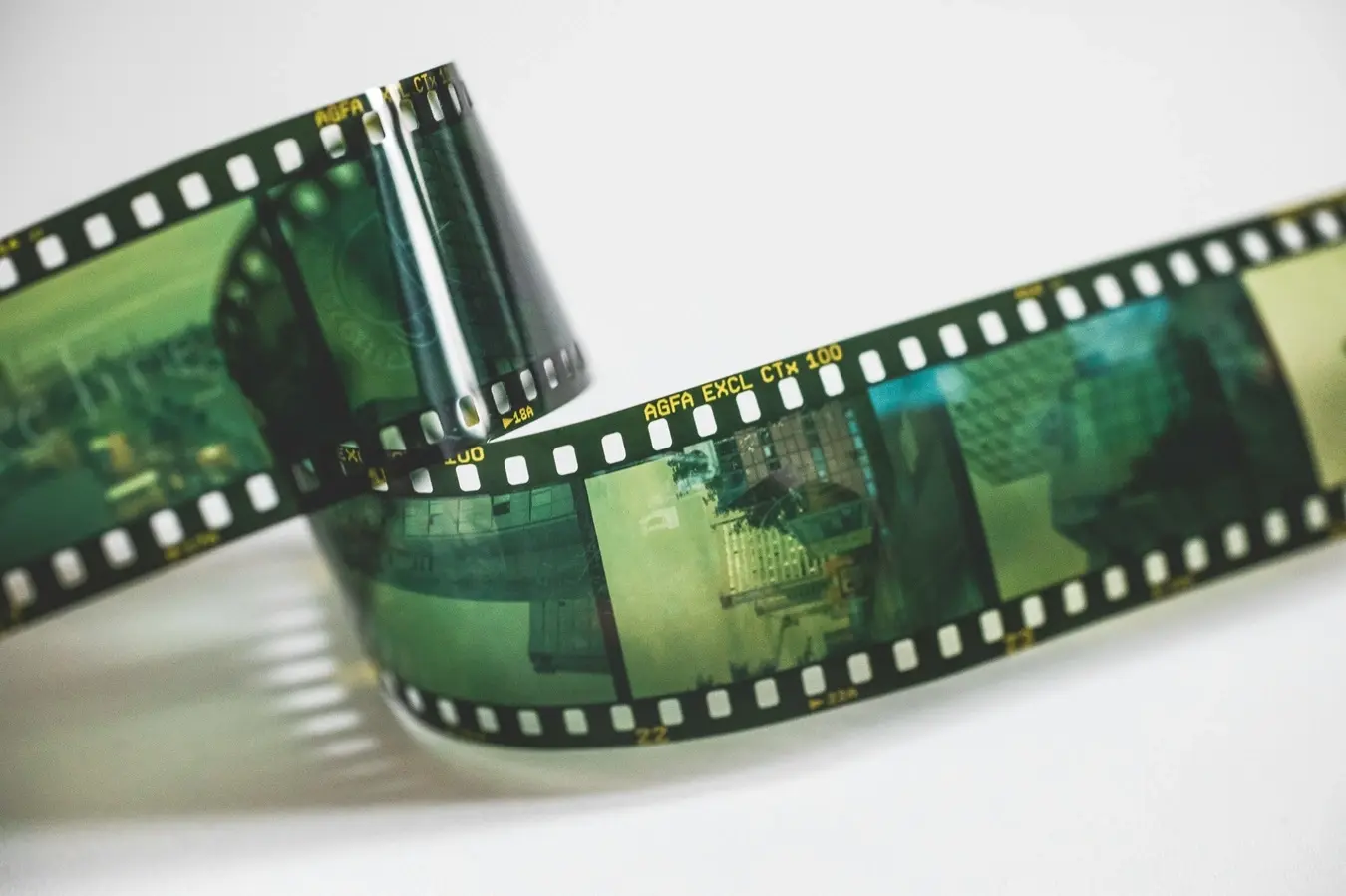
In August 2026, Kodak reported its fourth consecutive quarter of revenue growth: $311 million, up 18 per cent from the same period a year earlier. It also posted a net profit of $17 million, compared with a loss of $26 million the previous year. The growth came primarily from its print business and its advanced materials and chemicals operations. On an investor call, however, the company’s chief executive singled out renewed investment in motion-picture film and rising demand, pointing to major productions shot on Kodak stock.
Unlike digital photography, where taking an additional picture costs virtually nothing, film charges you for every frame. Based on prices in 2026, a 36-exposure roll, including developing and scanning, can cost between $25 and $60, depending on the film and the lab. That works out to roughly 70 cents to $1.70 per photograph.
The cameras themselves are not cheap either. In 2024, Pentax introduced the 17, its first new film camera in more than 20 years, priced at around $500. The price drew criticism, given that older compact cameras can be found for less. Even that comparison is not straightforward: a used Olympus Stylus Epic, a plastic compact camera more than two decades old, can sell for over $250.
A Phone That Does Almost Nothing - for $799
The Light Phone III, one of the best-known minimalist phones, has no web browser or social media apps. It does offer navigation, music, podcasts, and a camera, yet costs $799 - almost three times the price of its predecessor, which sold for $299. For about $300 less, buyers can get a Pixel 9a, a smartphone with far broader capabilities and more advanced photography features. Light presents its phone either as a replacement for a smartphone or as a secondary device for evenings and weekends.
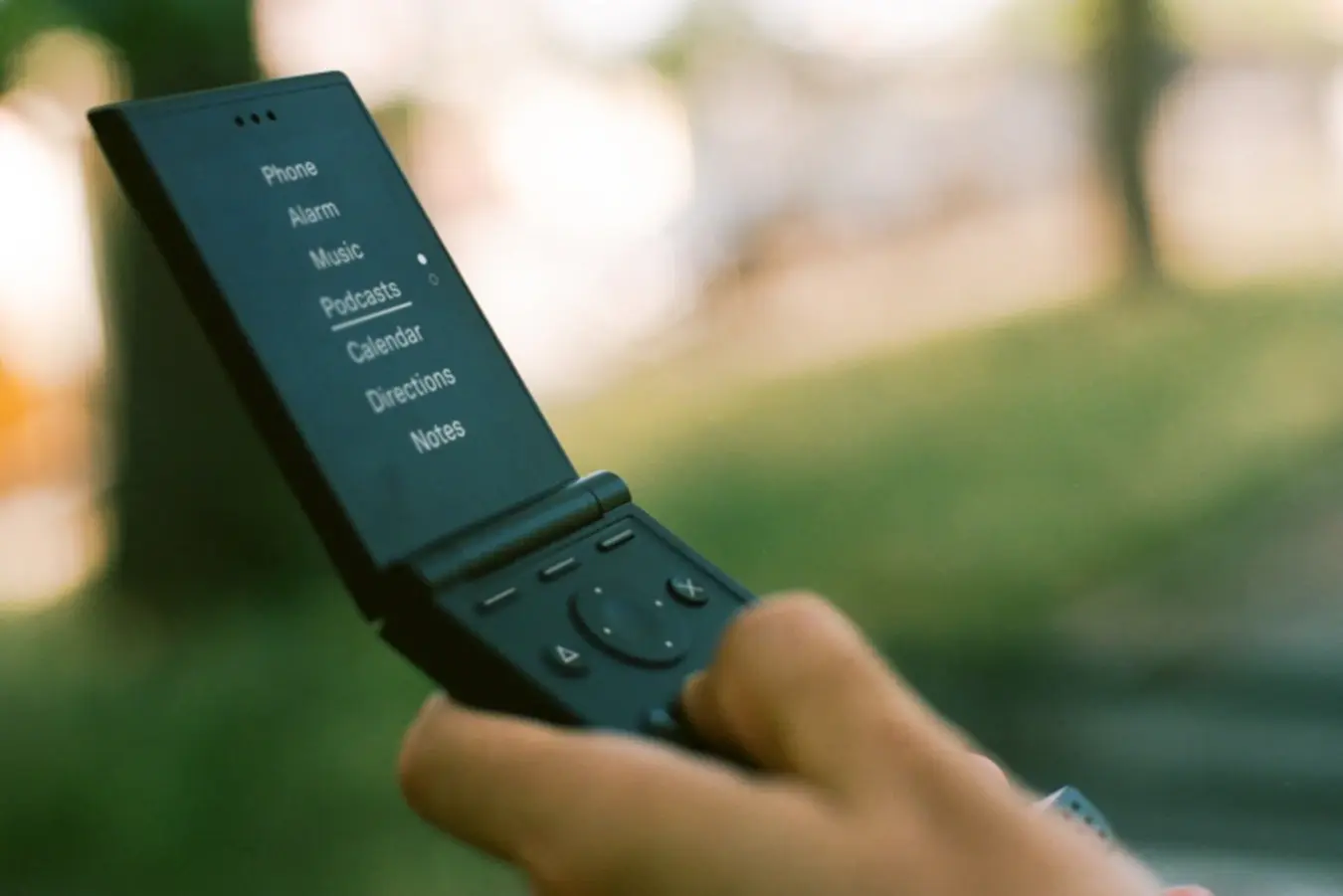
The numbers remain small. Light says it has shipped more than 100,000 devices across several generations of its phones. Swiss manufacturer Punkt, which also makes minimalist handsets, sells around 50,000 devices a year - a negligible figure compared with the smartphone market.
HMD, the company that makes phones under the Nokia brand, has also reported strong growth in sales of its feature phones as interest in the form factor has returned. The popularity of the #bringbackflipphones hashtag on TikTok has been one sign of the trend. The phone without the internet, in other words, has made a comeback with the help of the internet.
What Are We Really Paying For?
None of these products is necessarily better than what it replaced. Streaming is more convenient than vinyl, digital photography is cheaper than film, and a smartphone is more capable than a Light Phone. What people are paying for is something else: friction. A record has to be turned over halfway through an album, film photographs cannot be viewed immediately, and a $799 phone does not let you open an endless feed.
The CD makes a useful control group. It offers neither the convenience of streaming nor the ritual of vinyl, and it is the only one of the physical music formats to be losing ground. That suggests the appeal is not analogue in itself, but the degree of attention a format demands.
Digital won. That is precisely why analogue can now command a premium.
- Written by Ognjen Tešić / HEDONIST
Related articles

Made in Seconds: What Remains Human When Machines Can Do Everything
From text and music to photography and design, AI is redefining creativity. What happens to talent, originality, and the value of work when a machine can produce something convincing in seconds?

How Humans Lost the Ability to Do Nothing
In 2014, psychologist Timothy Wilson at the University of Virginia sat a group of people down in an empty room. He asked them to spend fifteen minutes alone with their own thoughts. No phone, no book, not even a pen to doodle with. Just a chair and their own mind.