

Down to Earth: Why Ballet Flats Are Everywhere Again

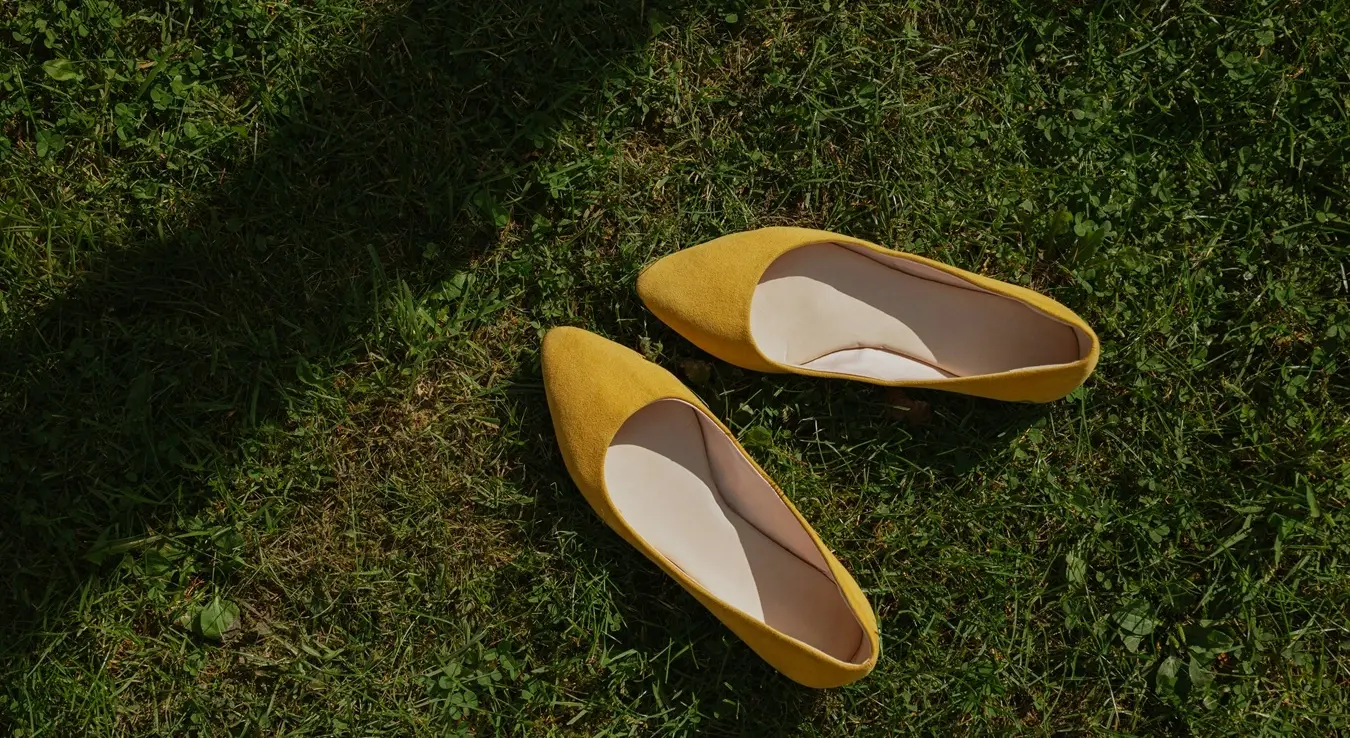
From the shoes Rose Repetto made for Brigitte Bardot in 1956 to the autumn runways of 2026: why does the humblest shoe in a woman’s wardrobe keep coming back whenever we change the question of what a woman actually needs?
Paris, 1956. Brigitte Bardot is preparing for her role in Et Dieu… créa la femme and has an unusual request. She wants ballet flats, but not for the stage. She wants them for the street. Rose Repetto has been making dance shoes for nine years, ever since her son, the choreographer Roland Petit, started coming home from rehearsals with aching feet. For Bardot, she makes a model she calls Cendrillon, or Cinderella. The first pair is carmine red.
A shoe born of sore feet is now a favorite subject of podiatrists, who warn about the very same thing: pain. Between those two moments lie seventy years of stories about how women walk.
Older Than We Think
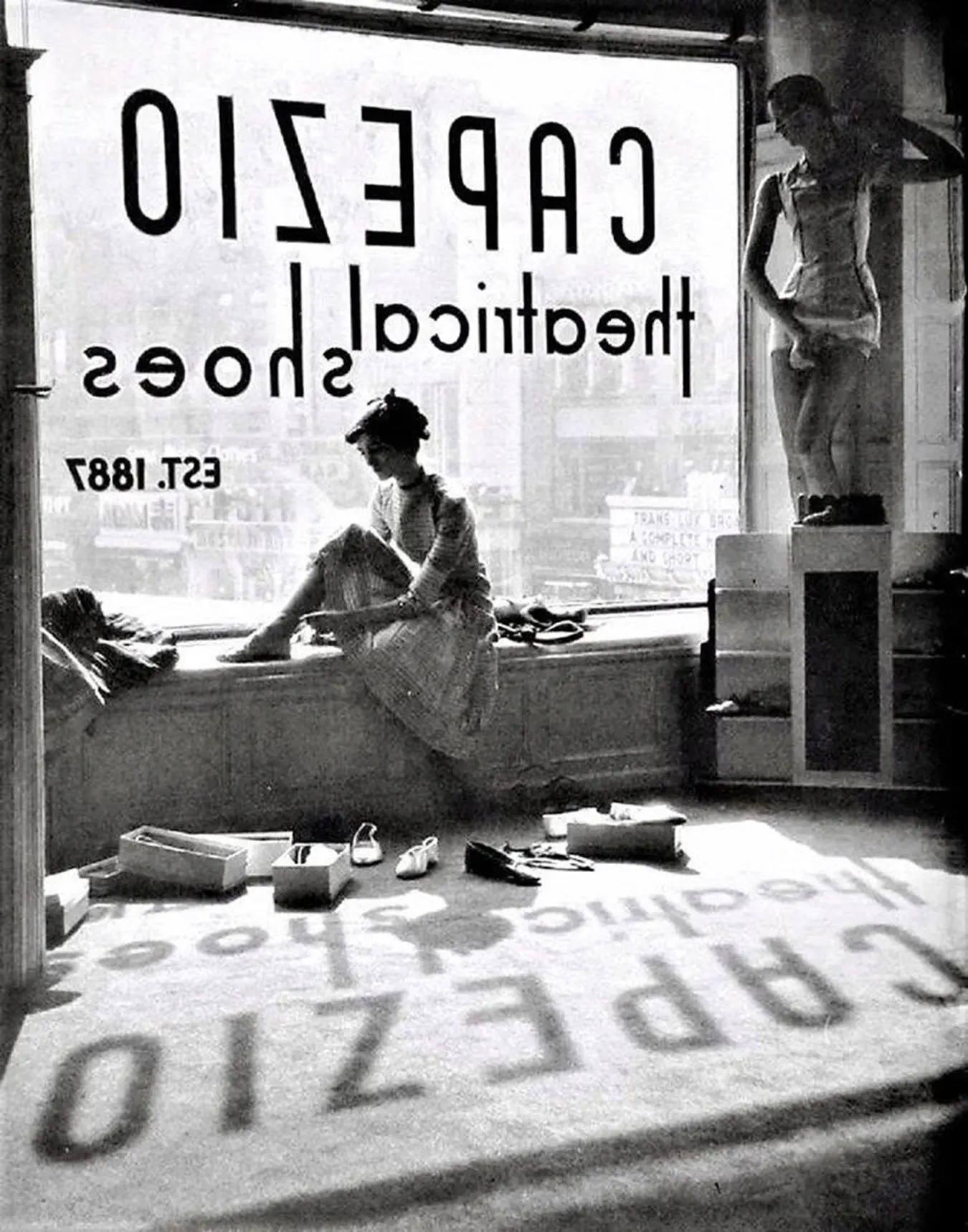
Repetto did not invent the ballet flat, but she gave it a face. The modern ballet flat dates to 1941, when the American designer Claire McCardell asked Capezio, the dancewear maker, to produce shoes for life off the stage. They came in fabrics that matched her dresses. The success was immediate, partly because shoes were not on the list of rationed goods during the war. By 1949, Capezio flats had made it onto the cover of Vogue. In 1957, Audrey Hepburn wore them with slim trousers in Funny Face, setting a rule that still holds: the ballet flat belongs to the uniform of the elegant woman who does not want to look as though she is trying.
Bardot added something no designer can commission, which is attitude. In her frame, the ballet flat isn't modest, but free. She died on December 28, 2025, aged 91, and the Cendrillon remains the best-known part of her fashion legacy.
Act Two
The real comeback began a few years ago. For autumn 2022, Miu Miu showed satin ballet flats that went viral. Alaïa followed with mesh and crystal-studded versions, and Sandy Liang and The Row added their own. According to Circana, sales of fashion footwear in the US fell 9 percent in the first quarter of 2025, and the growth came only from smaller segments, among them flats and ballet shoes.
This October, the ballet flat looks like a shoe that has outlived its own trend. Black and beige are giving way to color. New York Fashion Week was marked by purple, red, the shade of ripe tomato, paraded through London and Paris, and cobalt blue appeared in São Paulo. London’s fashion crowd is wearing a version with a slight heel. Tory Burch is sending studded ballet flats down the runway, and for spring 2027, Dries Van Noten and Simone Rocha showed them in their menswear collections as well.
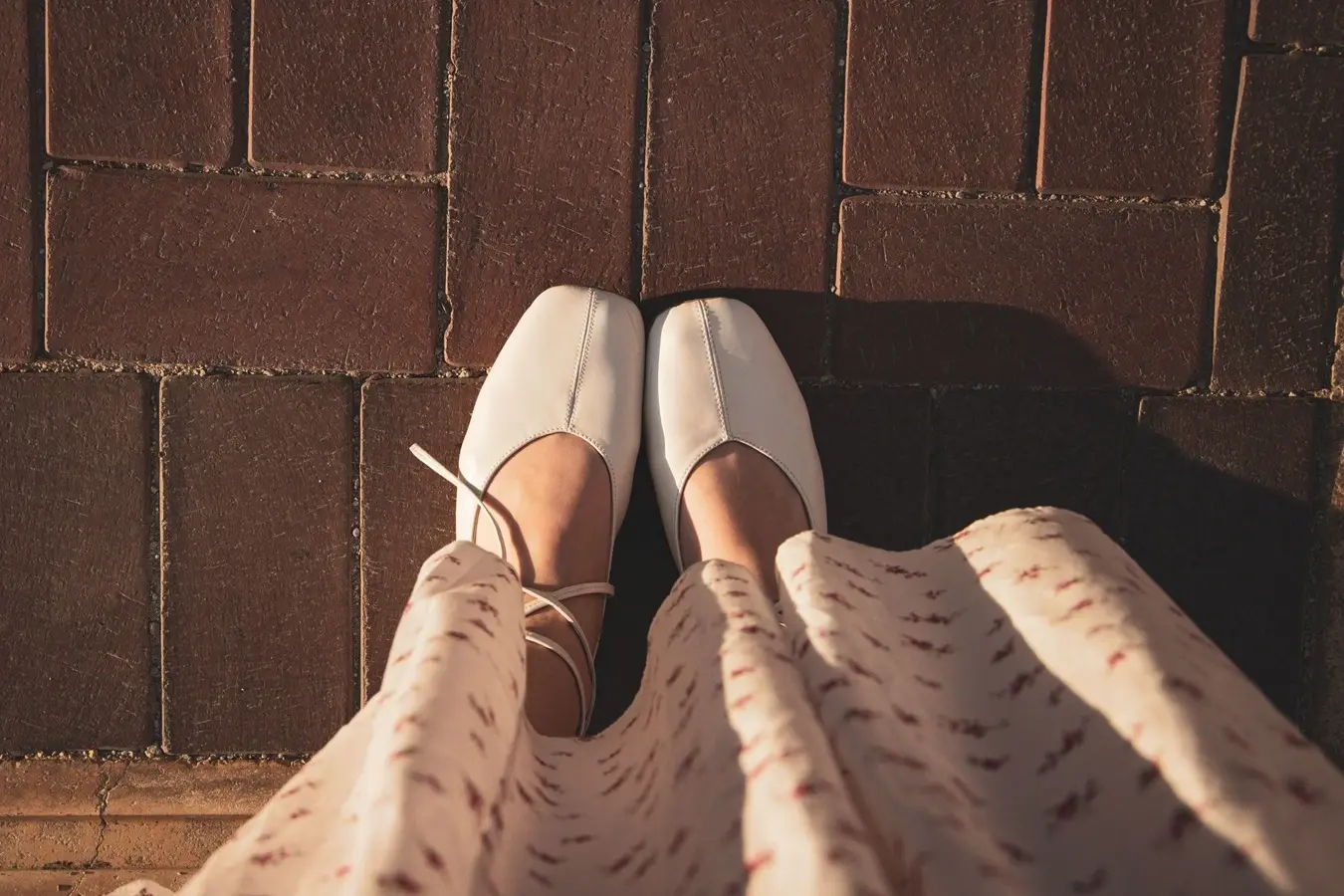
There are signs, too, that the peak may be passing. Magazines are already writing about jazz shoes and academic oxfords as successors. That is a reliable sign of maturity: when a shoe has to be constantly reinvented, the trend has won.
What Flat Says
Suppose the question is why now. The answer is part of a larger shift, and it comes with numbers. As far back as 2017, American analysts recorded high-heel sales falling 12 percent while women’s sneakers rose 37 percent. The conclusion then was that women wear what lets them stand, walk, and run through the city.
For decades, the heel was an expensive signal: look how much I am willing to pay for the way I look. A flat sole says the opposite. As HEDONIST has already written in its piece on ugliness becoming expensive, status today is often shown by refusing to show it. The ballet flat is therefore a quieter statement than the sneaker, because it arrives with elegance but without the expectation that a woman should enjoy discomfort.
There is also a paradox worth acknowledging. The ballet flat is not a comfortable shoe. Podiatrists agree that most models lack arch support and are poorly suited to long walks, and they recommend a firmer sole and a slight heel. The comfort a ballet flat offers is therefore more message than property: it says I have nothing to prove, even if I sometimes have to buy an insole. Perhaps that is exactly why the fashion industry has added a heel this autumn, coming back around to what Repetto made seven decades ago: a shoe you can actually walk away in.
Bardot was not looking for a beautiful shoe. She was looking for a shoe she could leave in. For a long time, the heel asked how a woman looks while standing still. The ballet flat asks where she is going.