

Rucking: How a Military March Became the Most Fashionable Walk

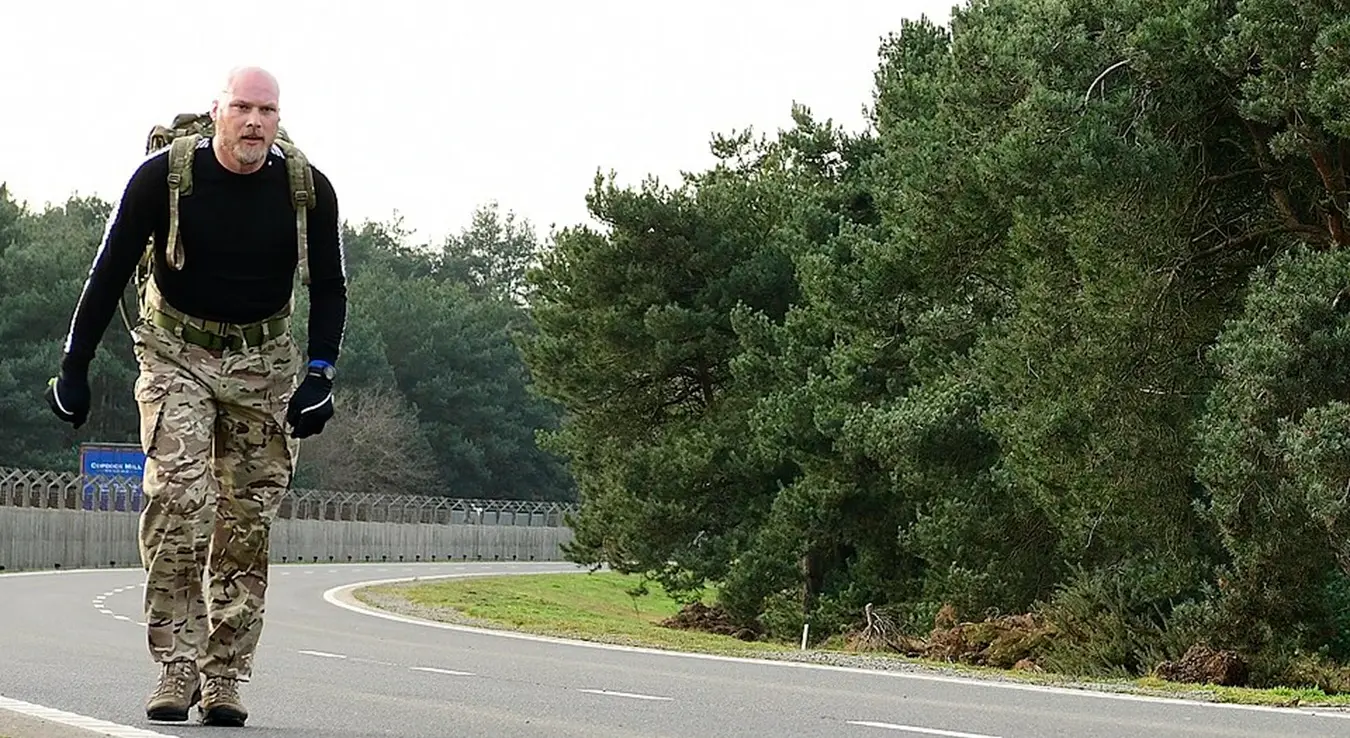
Soldiers do it under orders, and a growing number of civilians do it by choice. What rucking is, why it’s a backpack and not something else, and how much of its promise science can actually back up.
In September 2010, about fifteen people turned up in San Francisco for the first GORUCK Challenge: a team event in which participants walk through the city at night carrying loaded rucksacks. The organizer, Jason McCarthy, a former Green Beret, described it as “Fight Club with backpacks.” According to company figures from 2024, more than 10,000 such events have been held, and over 500 independent clubs exist worldwide. Peter Attia, a physician whose podcast has become required listening for the longevity-minded, has hosted McCarthy for a dedicated episode.
The Word Means “Back-Sack”
Rucksack is a German word: Rücken (back) and Sack (sack), and it entered English in the 19th century. “Ruck” is a shortening, and a “ruck march” is a military march with a loaded pack. In the army, this is not a fashion but a rule: as early as 1920, the British Army’s Hygiene Advisory Board recommended that a soldier’s load not exceed 18 to 20 kg, or a third of his body weight. Current US Army doctrine recommends 22 kg (30 percent of body weight) for a fighting load and 33 kg (45 percent) for a long march.
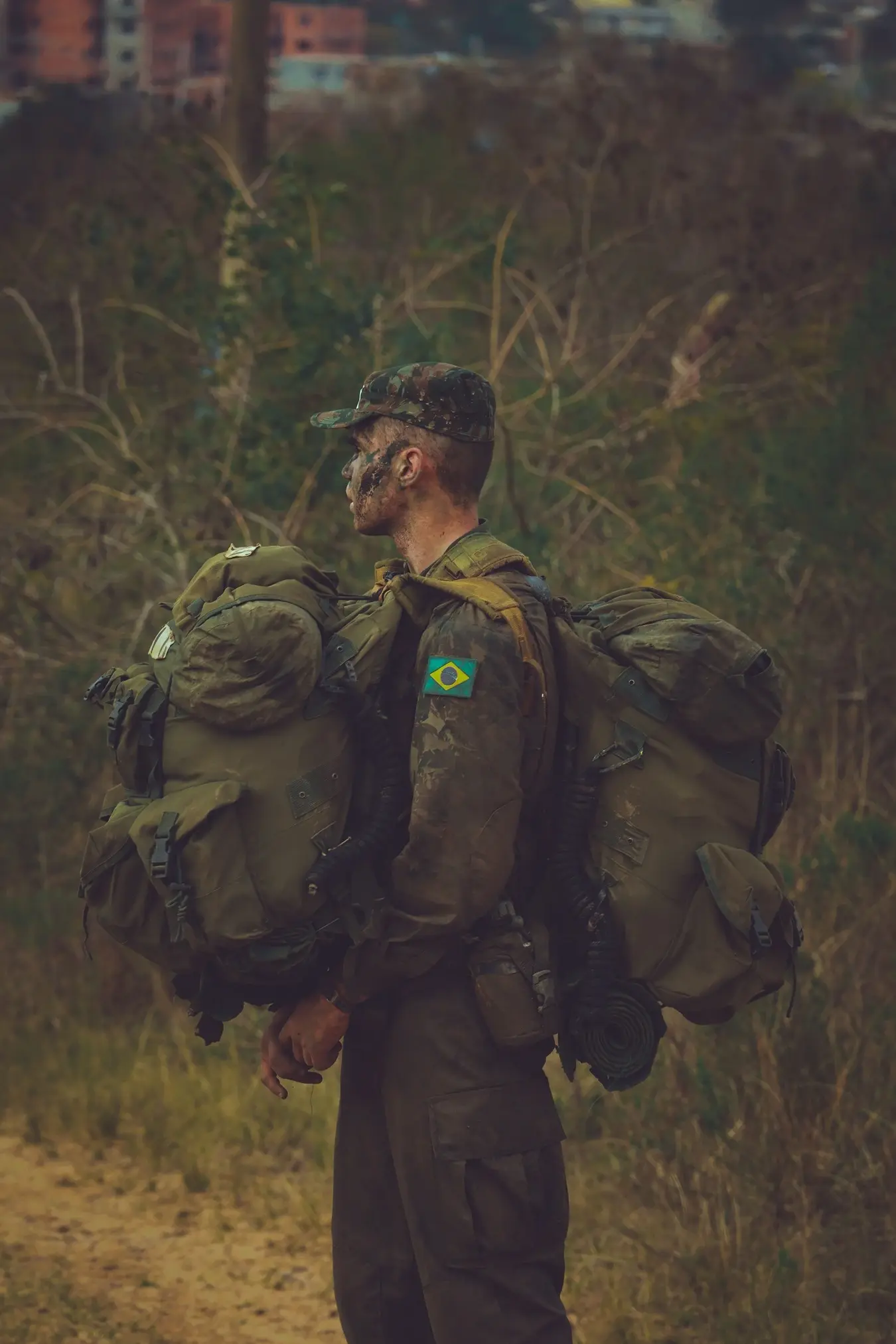
McCarthy founded GORUCK in 2008 to make rucksacks that would hold up in both Baghdad and New York. Rucking, he says, is the foundation of Special Forces training, and indeed of any infantry training. He has also described it as “cardio for people who hate cardio.”
Why a Backpack
The shortest answer is that it is the cheapest way to add intensity to walking. It needs no gym and no equipment: a rucksack filled with books, water bottles or tinned food will do.
Judging by the available evidence, walking is the medicine, and the backpack is a dose you choose yourself. Start with five percent.
The physiology is simple at its core. According to a 2004 review by US military researchers, the energy cost of walking with a pack rises with the weight carried, body mass, speed and grade, and terrain matters too. According to the 2024 Compendium of Physical Activities, treadmill walking at 4 km/h costs 3.5 METs, while the same walk carrying 18.2 kg costs 4.8, roughly 37 percent more. A climb with 9 to 18 kg on the back and a 3 to 10 percent grade rates 7.5 METs. By the same source, activities of 6 METs and above count as vigorous. Walking, in other words, with enough load and incline, moves from moderate to strenuous exercise.
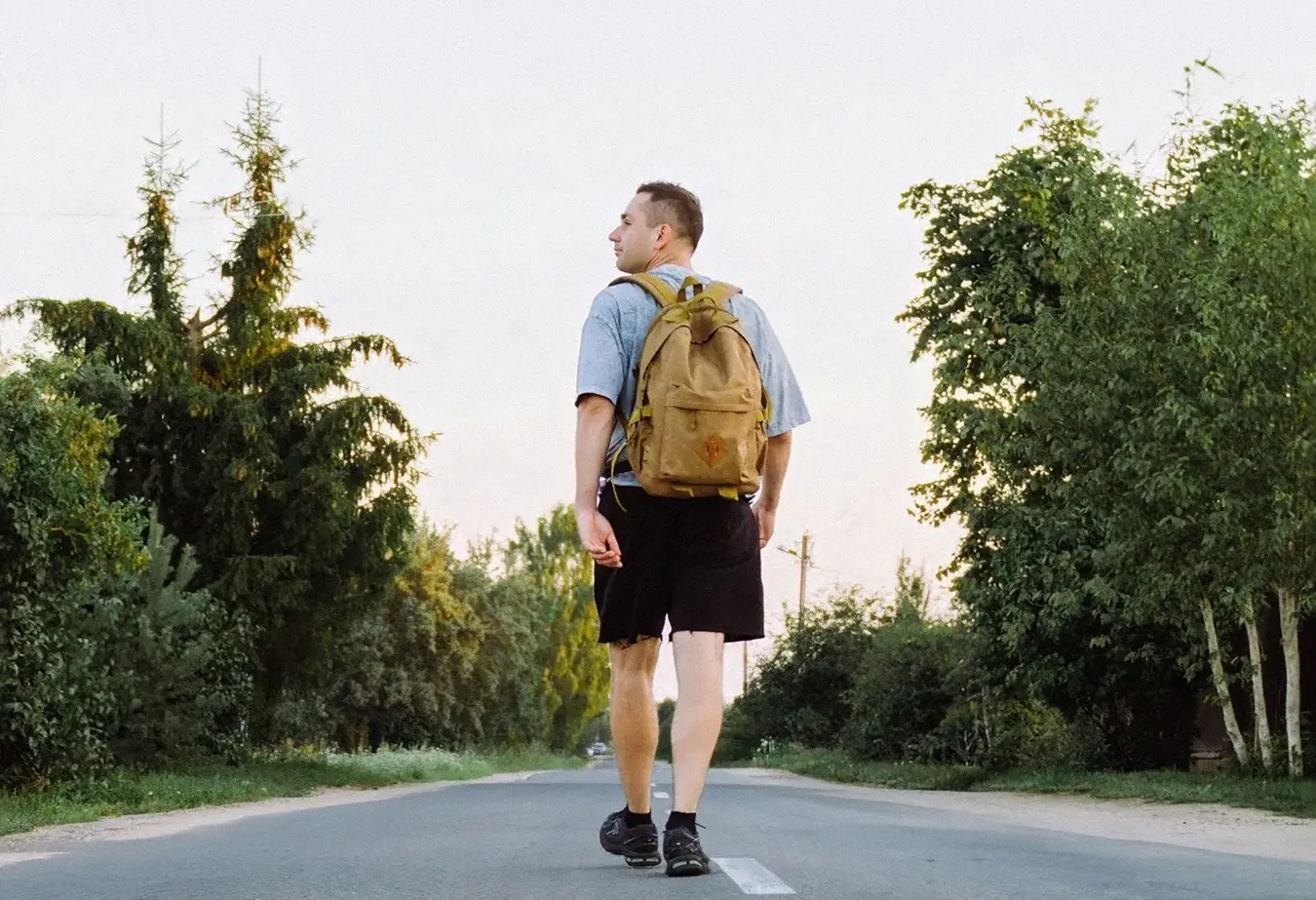
Humans, after all, are good at carrying: a Swedish study notes that Sherpas and Tibetan highlanders carry loads of over 100 percent of their own body mass on long treks.
What Science Actually Says
For rucking itself, as a distinct form of training, there are almost no long-term trials. What is known is extrapolated from the physiology of load carriage, military studies, trials with weighted vests, and large studies of walking.
Walking is proven; the backpack isn’t. A 2025 meta-analysis in The Lancet Public Health, covering 57 studies, found that 7,000 steps a day was associated with a 47 percent lower risk of death compared with 2,000. The benefit is greatest up to about 7,000 steps and grows more slowly beyond that. The authors caution that this is an association, not proven causation, and that for many outcomes the certainty of the evidence is low. The backpack adds nothing there except intensity.
Bones: a promise without proof
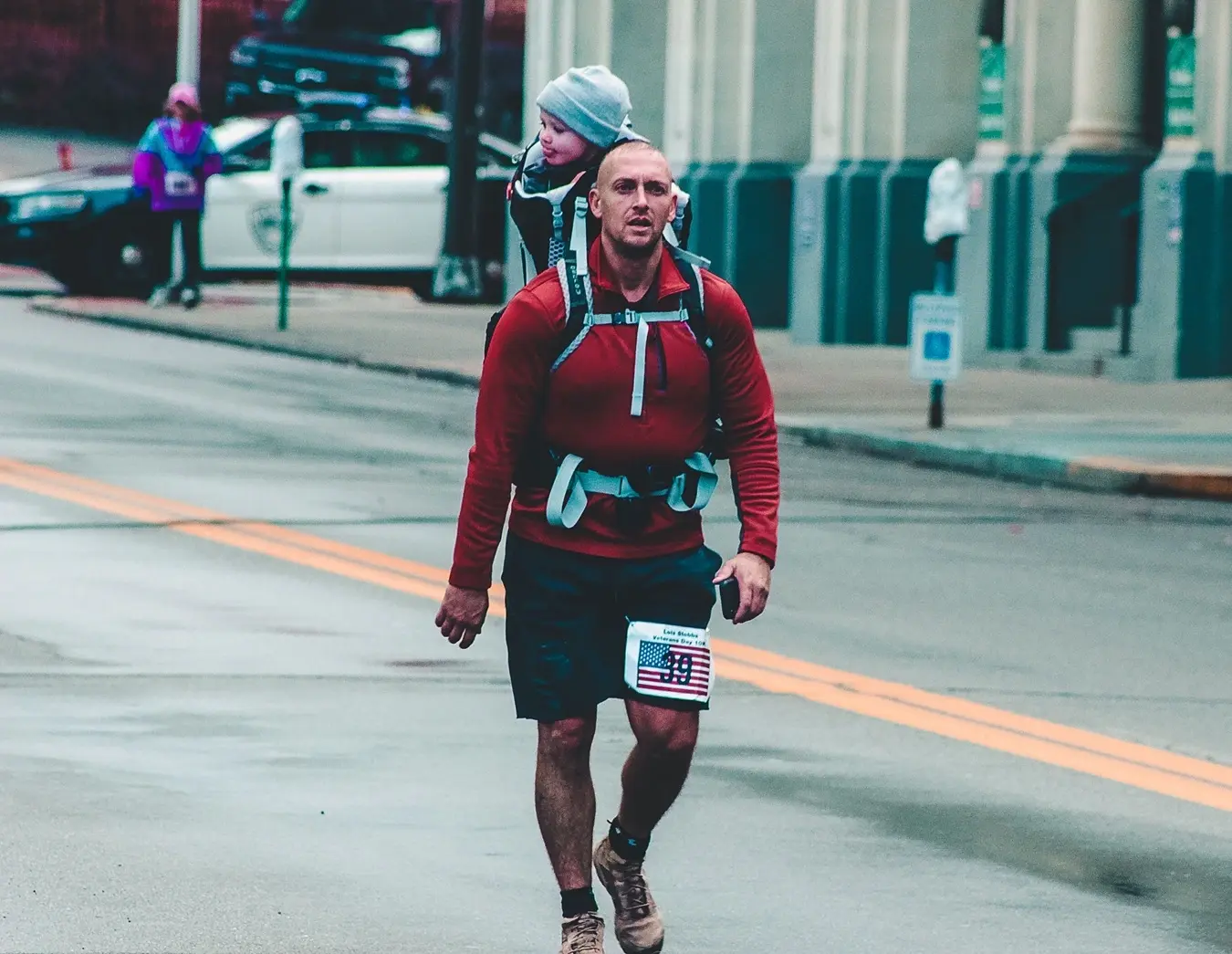
It is claimed that rucking strengthens bones. A study published in 2000 in the Journals of Gerontology showed that five years of exercising in weighted vests, with jumping, preserved hip bone density in postmenopausal women. But the large randomized INVEST trial (JAMA Network Open, 2025), with 150 older adults with obesity, showed that a weighted vest worn about eight hours a day did not prevent hip bone loss during weight loss. It was not about walking with a backpack, but the warning stands.
The price of the load
A 2004 military review lists the common injuries of prolonged load carrying: blisters (the most common), stress fractures, back pain, metatarsalgia, knee pain, and so-called rucksack palsy, an injury to the nerves of the shoulder. Aerobic conditioning with gradual marches, the authors say, can reduce the incidence of stress fractures and blisters.
How to Start
The advice here is consistent. Beginners are told to start with five to ten percent of body weight, that is, 2 to 5 kg. Before that, you should be able to walk for half an hour without problems, and afterward increase only one thing at a time: either duration or weight. Anyone with a knee or back injury should consult a professional first. The pack should sit high and close to the back, not swing. Military doctrine gives an upper limit (30 percent of body weight for a fighting load), but a civilian walking for pleasure doesn’t need it.
Judging by the available evidence, walking is the medicine, and the backpack is a dose you choose yourself. Start with five percent.