
Blonde Hair, Dark Script

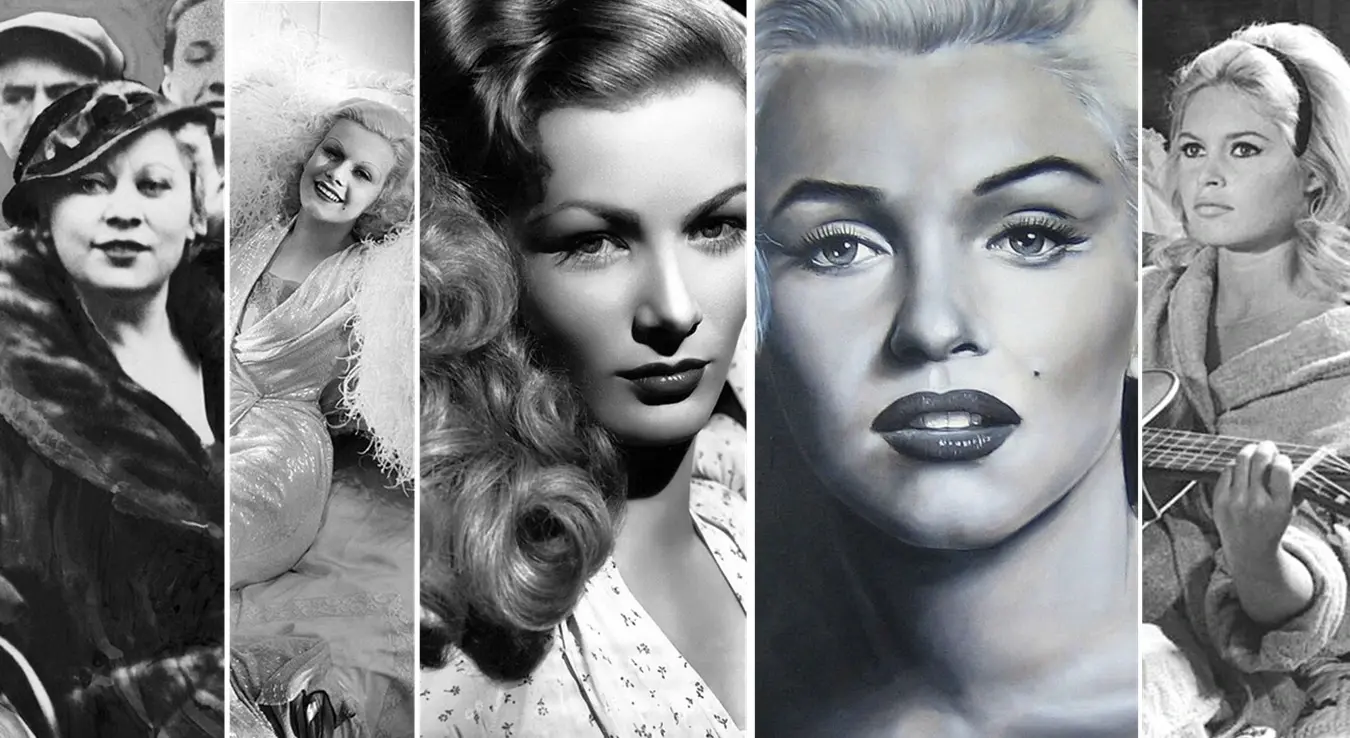
Hollywood turned the blonde into the most dangerous woman on screen. Most of those who played the part paid more for it than the men they ruined on film.
On April 19, 1927, a limousine pulled up at Welfare Island in New York. Out stepped Mae West, with an armful of white roses, ready to serve ten days for obscenity. She was being punished for the play Sex, which she had written, produced, directed, and starred in. Police had raided the show in February of that year and carted the entire cast off in black vans. She served eight days of her sentence and reportedly told journalists that she had worn silk panties underneath, unlike the girls forced into coarse prison cloth. She dined with the warden and his wife. The publicity was worth more than any advertising campaign, and Sex had sold around 325,000 tickets before it was shut down.
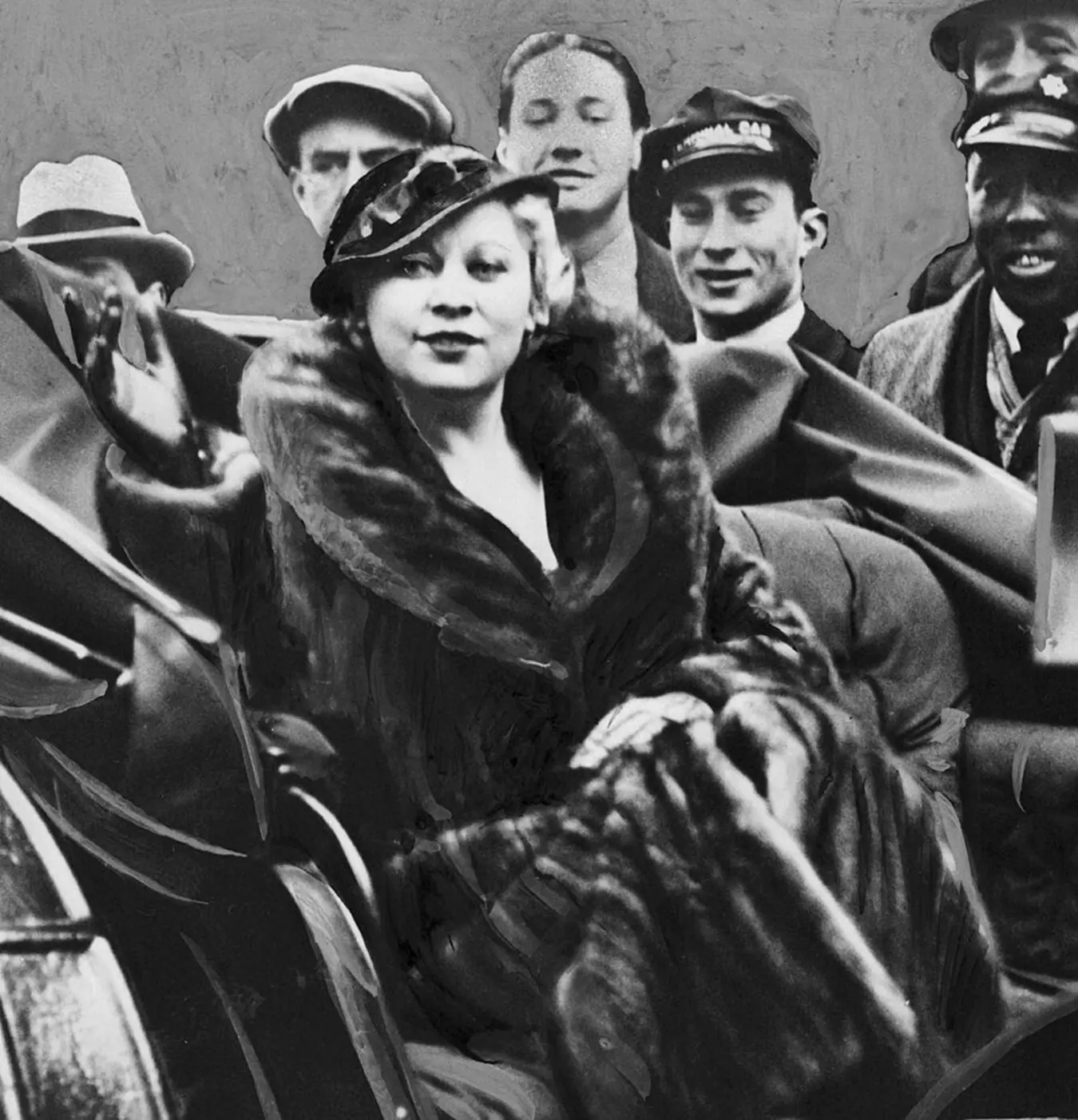
West was the first to grasp what Hollywood would spend the next thirty years turning into an industry: a blonde who knows what she is doing is more dangerous than any villain in a trench coat.
Platinum
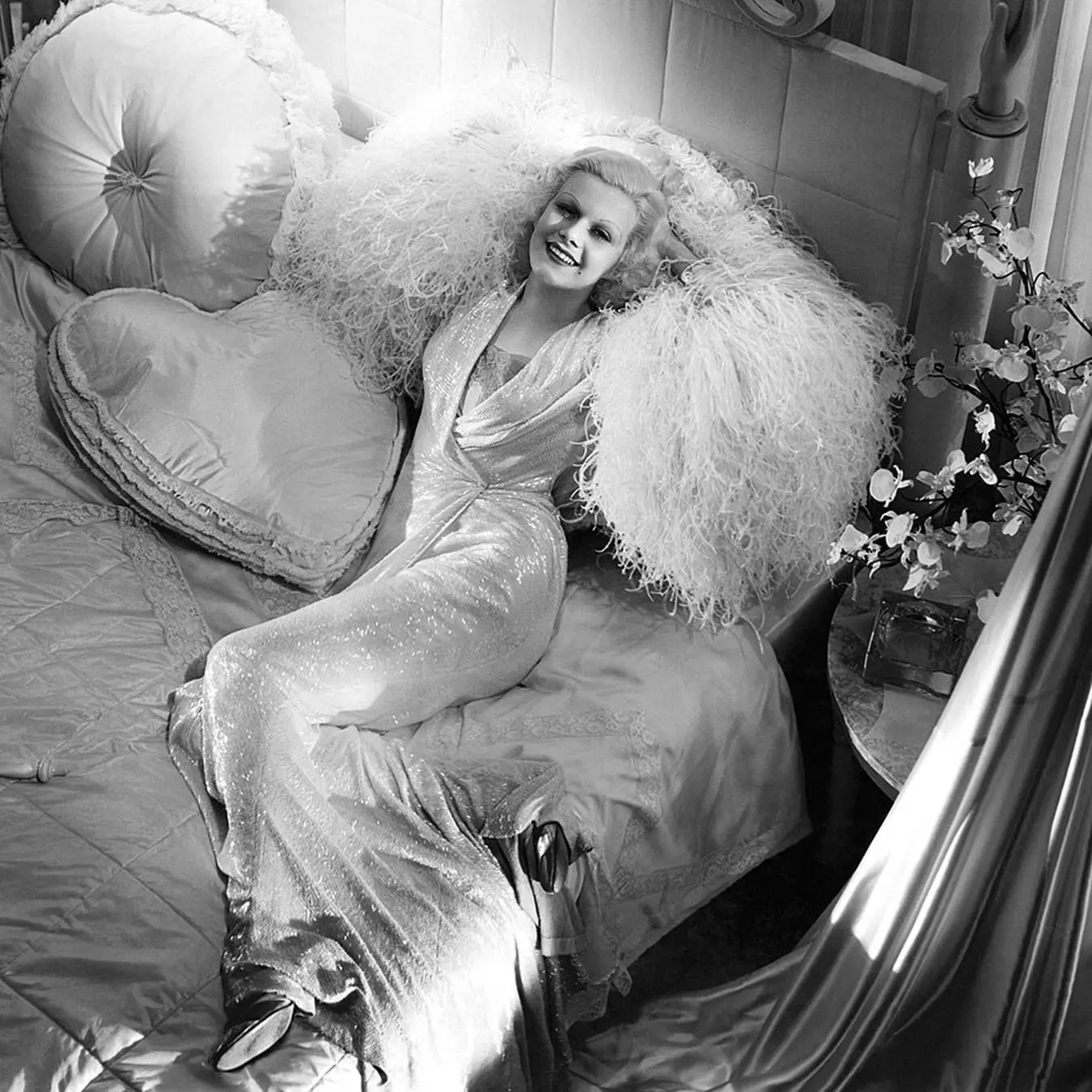
When Platinum Blonde reached cinemas in 1931, its title gave the English language a new phrase. Jean Harlow was not first on the bill, but she was the one audiences remembered: hair bleached to whiteness, dresses cut to leave little to the imagination and, scandalously for the time, no hint of apology. She died on June 7, 1937, aged 26, of kidney failure, in the middle of shooting Saratoga. The film was completed with a body double.
Marlene Dietrich developed the same idea more coolly. In The Blue Angel (1930), directed by Josef von Sternberg, her Lola Lola kills no one. It is enough that the respected professor who came to catch her out ends up as a clown in her cabaret, crowing like a rooster in front of an audience. Dietrich made six more films with Sternberg, among them Blonde Venus (1932).
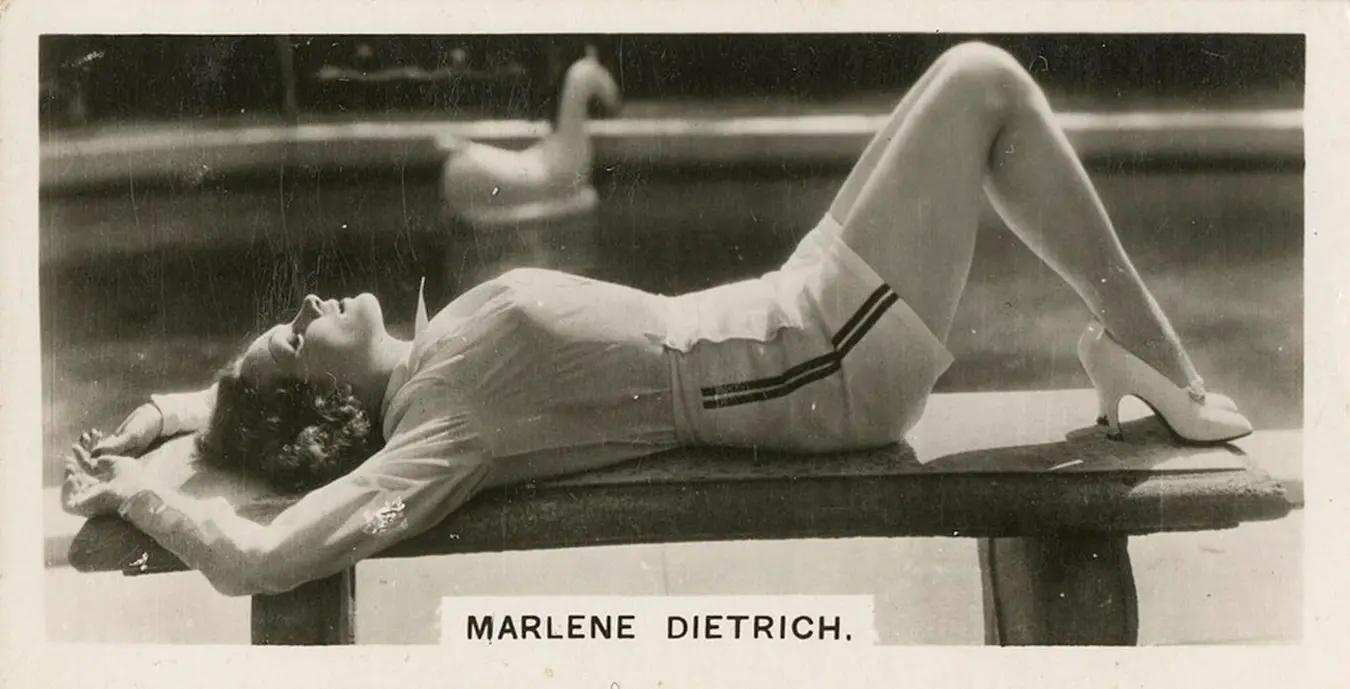
A Hairstyle as a Matter of State
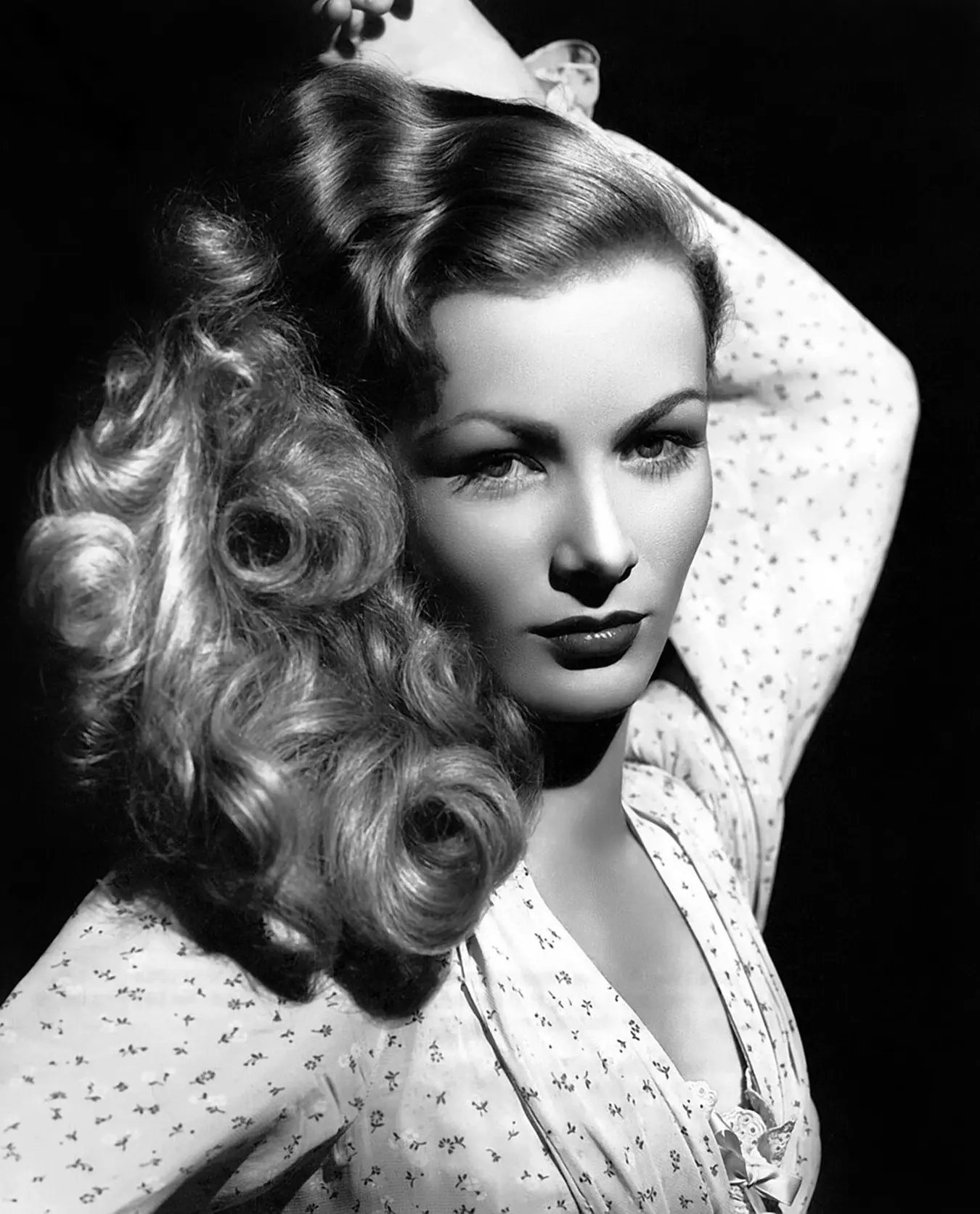
Veronica Lake had hair that fell over one eye. The style became so popular that during the Second World War the authorities took an interest: the war industry did not need female workers whose hair got caught in machinery. Lake agreed to appear with her hair pinned up, thereby, according to legend, saving many fingers, but not her own career: without her signature she quickly lost her appeal, and by the end of her forties she was left without major roles. In the noir classics This Gun for Hire (1942) and The Blue Dahlia (1946), she starred opposite Alan Ladd, and her gaze through a curtain of hair became the genre’s trademark.
In Billy Wilder’s Double Indemnity (1944), Barbara Stanwyck plays Phyllis Dietrichson, a housewife who persuades an insurance agent to help her kill her husband. She wore a conspicuous blonde wig. By Wilder’s own later account, the wig was a miscalculation, but the character became the mould from which femmes fatales were cast for years afterwards.
The Bill
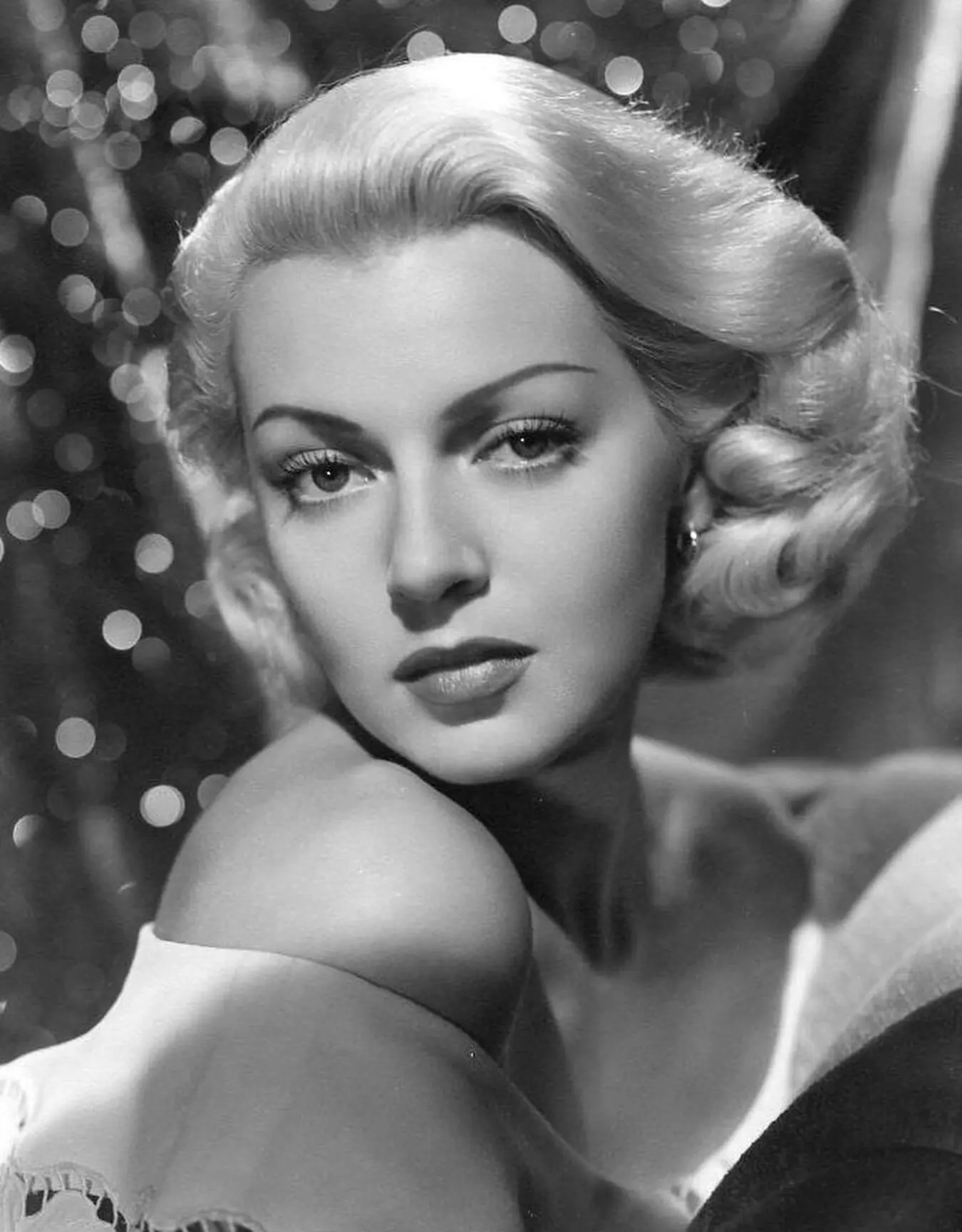
Lana Turner first appears in The Postman Always Rings Twice (1946) dressed in white, and the audience never quite recovers. Her real life, however, far outdid any script. On April 4, 1958, Johnny Stompanato, a bodyguard with ties to the gangster, was found stabbed in her Beverly Hills home. He had been killed by Turner’s fourteen-year-old daughter, Cheryl Crane. An inquest ruled it justifiable homicide.
Norma Jeane Mortenson, born in 1926, became Marilyn when she lightened her hair in 1946. The role of Lorelei Lee in Gentlemen Prefer Blondes (1953) cemented the image of the “dumb blonde”, even though Lorelei, in Anita Loos’s 1925 novel, is smarter than she appears.
At President Kennedy’s birthday celebration on May 19, 1962, she sang her most famous “Happy Birthday”. Less than three months later, she was dead: she was found in the night between August 4 and 5, 1962, aged 36. The official cause of death was barbiturate poisoning, and the case was handled as a probable suicide. In May 2022, Warhol’s portrait Shot Sage Blue Marilyn sold at Christie’s for $195 million, a record auction price for an American artwork.
Hitchcock’s Catalogue
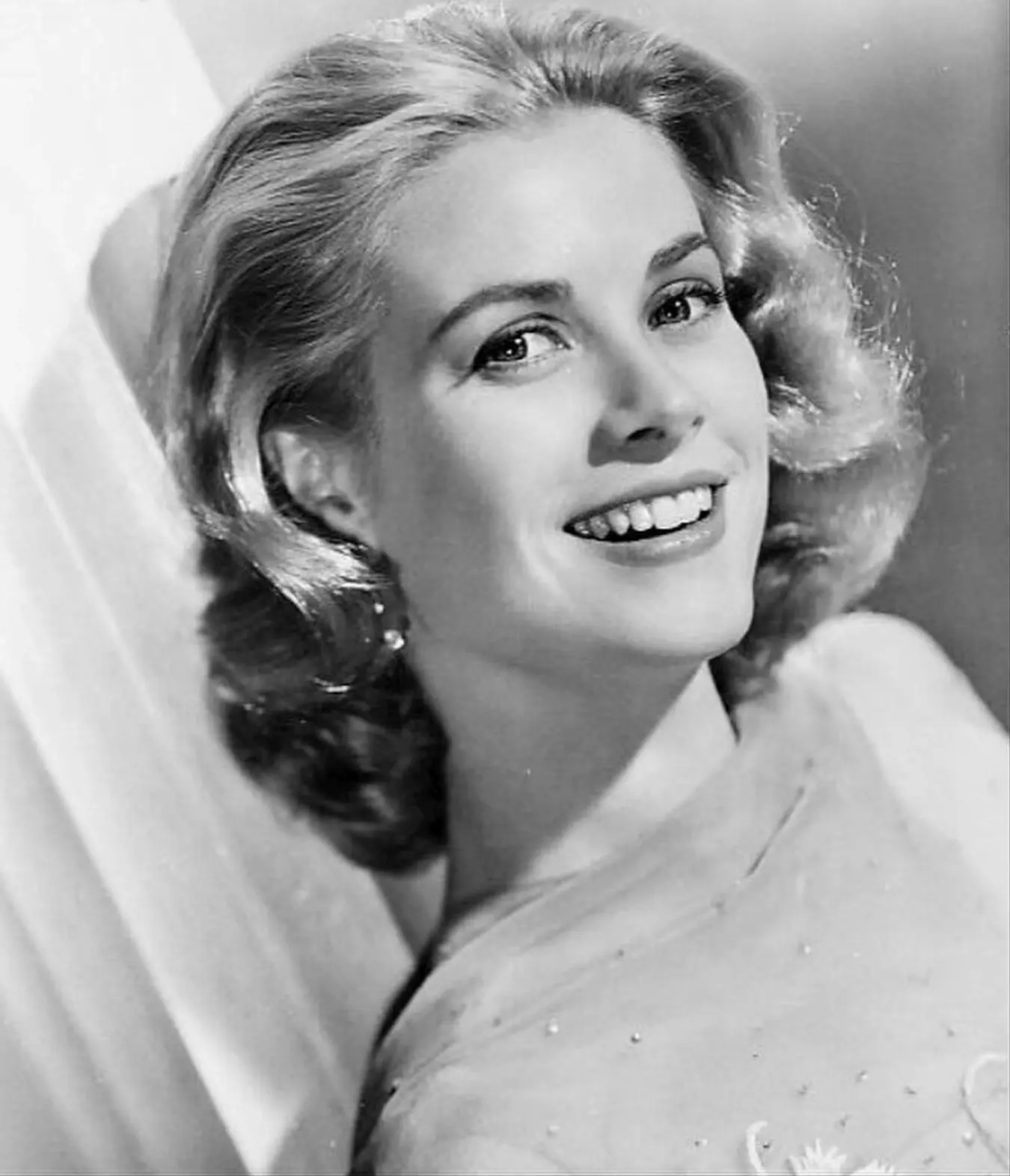
No director was so consistent: Grace Kelly (Dial M for Murder, Rear Window, To Catch a Thief), Kim Novak (Vertigo), Janet Leigh (Psycho), Tippi Hedren (The Birds, Marnie). Hitchcock is credited with the claim that blondes make the best victims because bloody footprints show up best on them, as on untouched snow. Vertigo, after all, is a film about a man who literally dyes and dresses a woman until she becomes the blonde in his head.
Two Endings
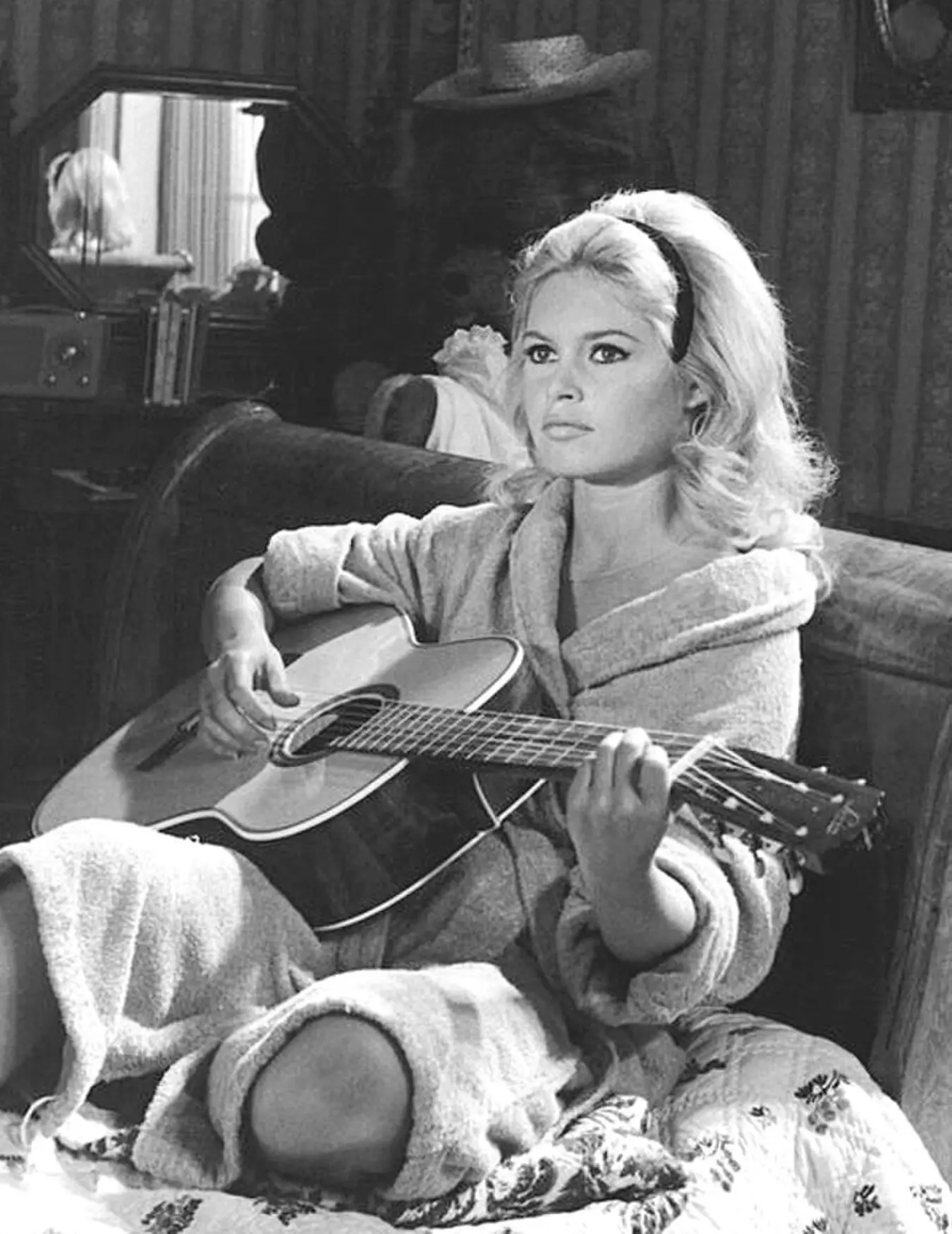
Brigitte Bardot made And God Created Woman (1956) with Roger Vadim, and Saint-Tropez has been inseparable from her name ever since. She withdrew from film in 1973, aged 39, and devoted the rest of her life to animal welfare. Towards the end of her life, French courts convicted her several times of incitement to racial hatred. She died on December 28, 2025, in Saint-Tropez, aged 91.
In Paul Verhoeven’s Basic Instinct (1992), Sharon Stone played Catherine Tramell, a novelist who is the prime suspect in a murder. The interrogation scene entered the anthologies, and after years of supporting roles, Stone became a star.
Who Wrote the Script
On screen, the blonde brought down men, empires, and marriages. In life, her fate usually ran the other way: Harlow died at 26, Monroe at 36, and Turner watched her home turn into a crime scene. The only one who played by an author's rules was the woman we started with. Mae West wrote her own script, chose her own limousine, and decided for herself what to wear underneath.