

Dead of Speed, Alive on Slowness: The Story of the Orient Express

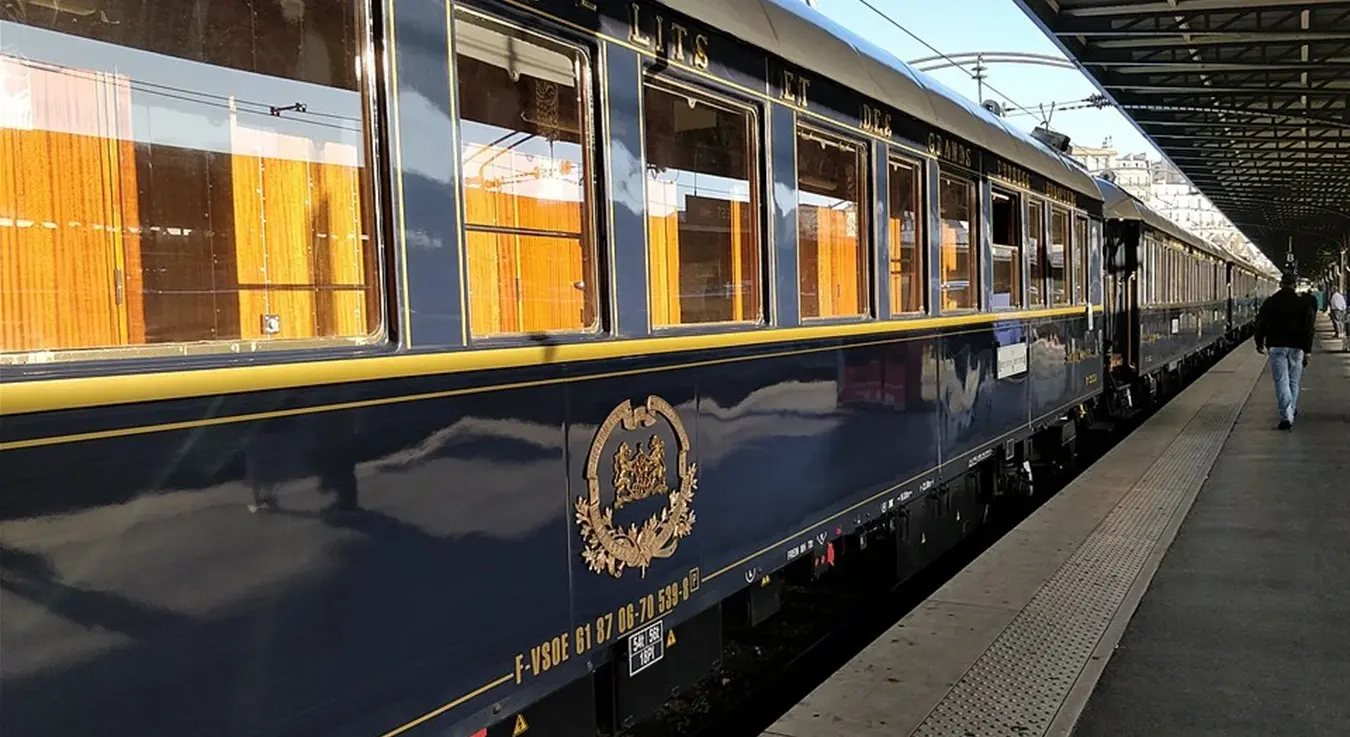
It carried a name its creator never chose, ran through Belgrade and into a novel's pages, and ended up at a Monte Carlo auction. Today, five nights aboard cost £17,500 per person.
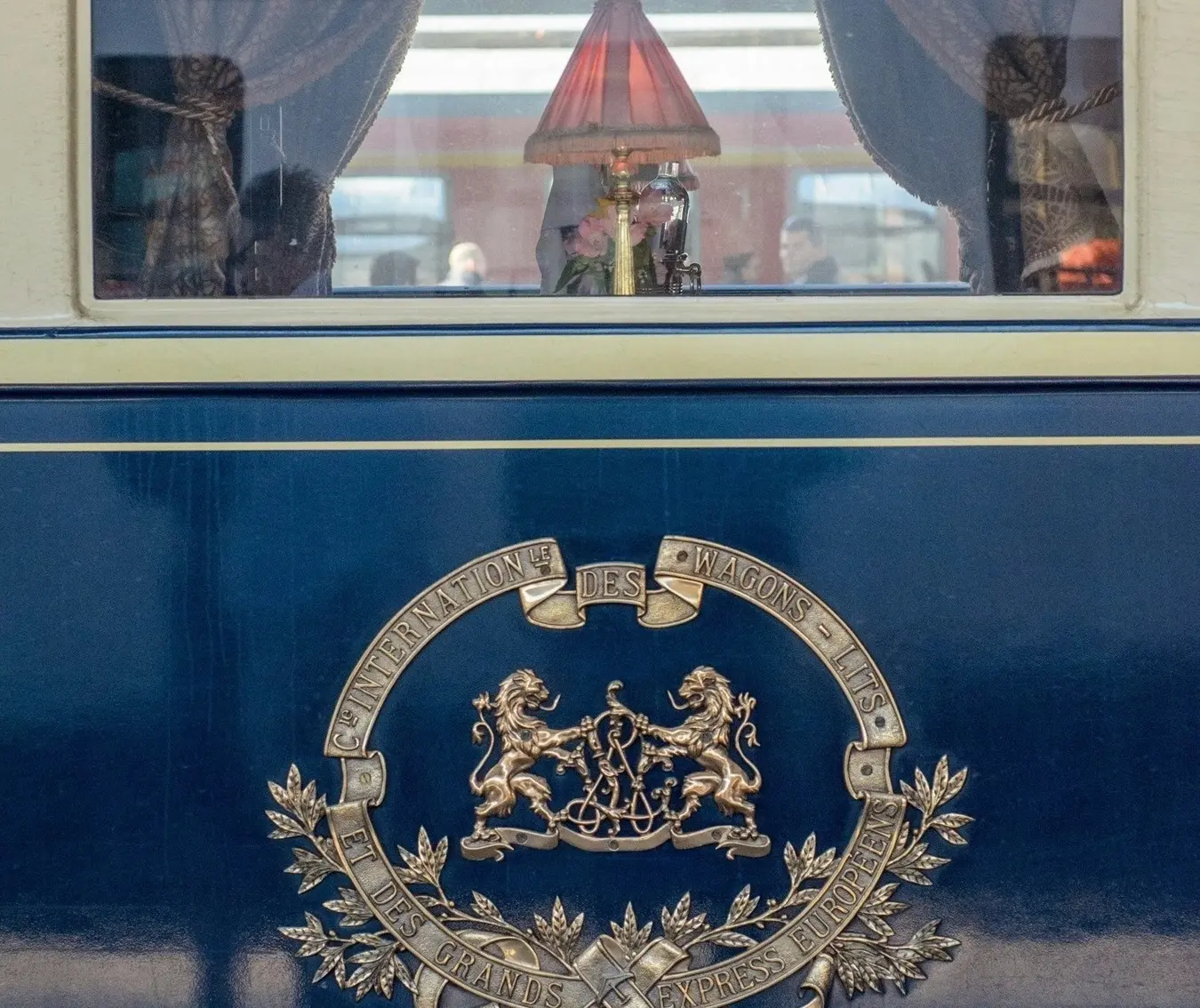
On October 4, 1883, a train leaves Paris with about thirty guests: officials, diplomats, journalists, and railway directors. The host is Georges Nagelmackers, a Belgian banker’s son who had seen Pullman’s sleeping cars in America and decided to build better ones for Europe. The train has sleeping cars, a restaurant, and salons, but the name it will be remembered by is not his. The press gave it. According to National Geographic, “Orient” was a newspaper label, even though Constantinople was never simply the East.
A Railway as Diplomacy
The road to Constantinople was a political feat as much as a technical one. Nagelmackers had to reach agreements with eight railway companies, from France to Romania, which supplied the track and locomotives, while his own sleeping and dining cars made up the rest of the train. The first route ran via Munich, Vienna, Budapest, and Bucharest to Giurgiu on the Danube. There, passengers crossed by ferry into Bulgaria, took a train to Varna, and finished the journey by steamship to Constantinople. The full journey by rail only became possible in 1889, via Belgrade, Niš, and Sofia. The line through Serbia had been in operation since 1888.
All of it took about four days, roughly ten days less than the sea route from Marseille.
The Southern Route and Belgrade
After the First World War came a second, southern branch. The Simplon-Orient Express ran from 1919 via Lausanne, Milan, and Venice to Belgrade, and from 1920 on to Constantinople. It is also the route Hercule Poirot takes.
In Murder on the Orient Express, Belgrade is not a city but a platform. Poirot steps off for a few minutes into the cold night and snow, and a few hours later the train is stopped by a drift between Vinkovci and Brod. The entire murder is thus set in Yugoslavia. Curiously, three years earlier, in 1931, the Croatian writer Mate Lovrak published a children’s novel, Train in the Snow, with the same premise, which generations of Yugoslav schoolchildren would read as required reading. There is no evidence that Christie knew it, and she did not need it.
The station where Poirot got off, Belgrade Main, opened in 1884. It closed on July 1, 2018, after 134 years of service, to make way for the Belgrade Waterfront development. The building awaits its announced conversion into the Historical Museum of Serbia.
The Novel, the Legend, and What Actually Happened
The story of how the novel came to be has three real layers and one legend. The first is Christie’s own journey on the line, which she first travelled in 1928. The second is the snowstorm of January 1929, when the Simplon-Orient Express was stranded in Thrace near Çerkezköy; sources disagree on how long it lasted, from five to twelve days. The third is the kidnapping and murder of Charles Lindbergh’s son in 1932, which lies behind the crime in the novel. The legend is that she wrote the book in Room 411 of the Pera Palace Hotel in Istanbul. The hotel has preserved the room as a shrine, but the official Christie website says the novel was probably drafted in part at an archaeological site in Iraq.
The Train That Died of Speed
It was not war that killed the Orient Express but the airport. Planes grew faster and cheaper, while the trains grew more spartan. The last direct train from Paris to Istanbul, in 1977, carried mostly hippies and migrant workers rather than kings. The name survived on shorter routes: until 2007 on Paris–Vienna, and until December 2009 from Strasbourg to Vienna.
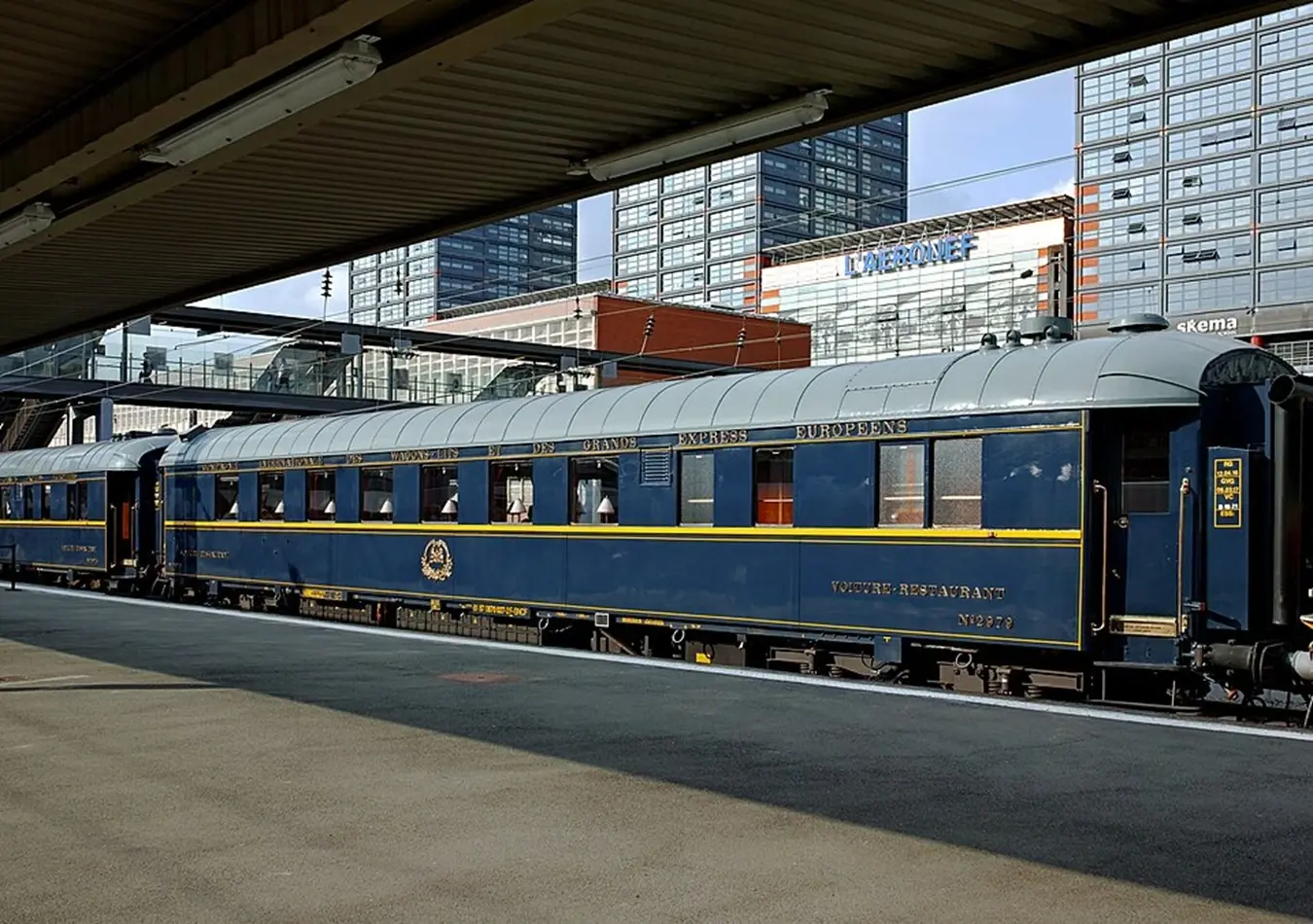
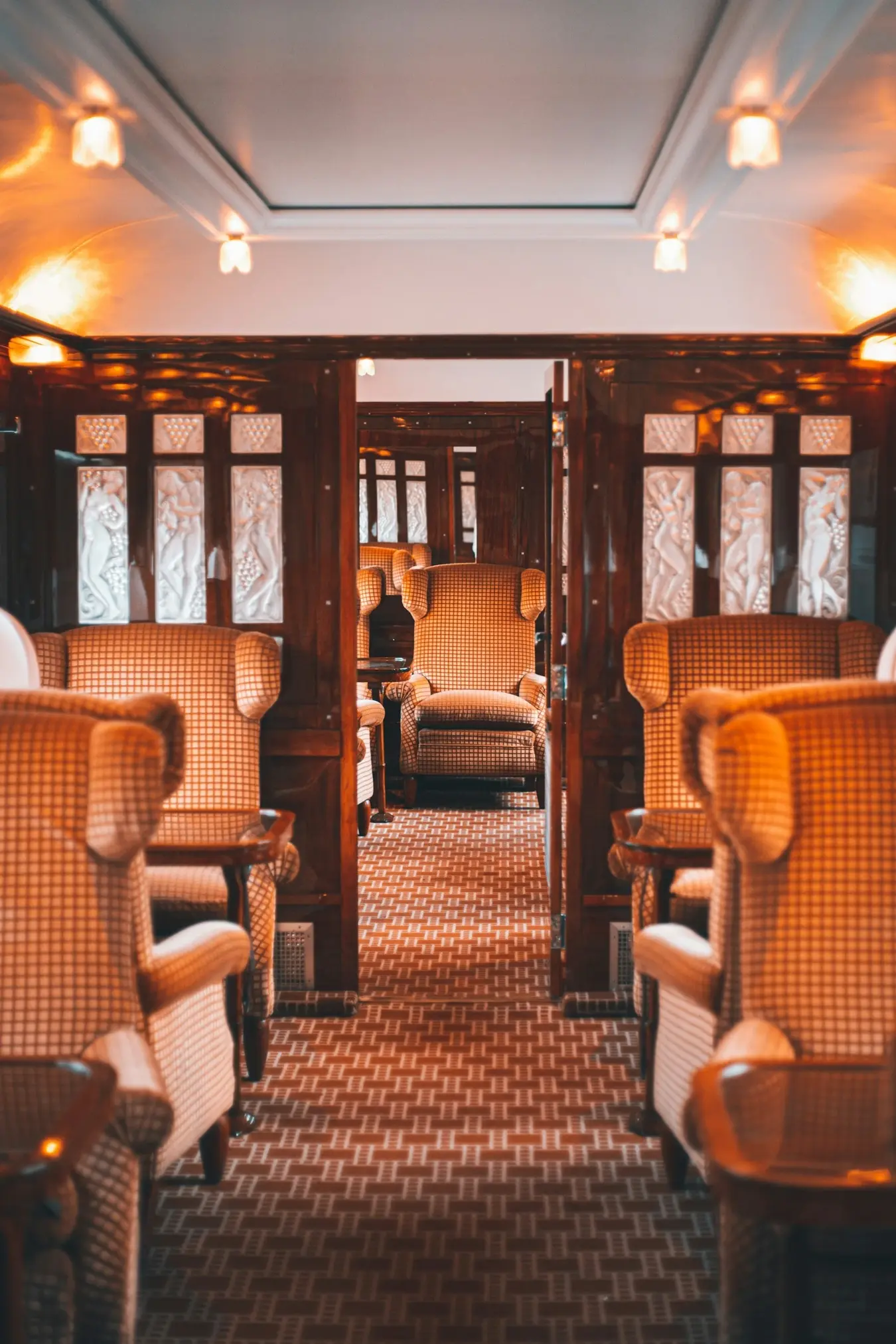
That same year, 1977, the last four carriages were left at a Sotheby’s auction in Monte Carlo. The American entrepreneur James Sherwood bought two of them and over the following years spent some $16 million on about thirty-five more sleeping, dining, and Pullman cars. The Venice Simplon-Orient-Express, today owned by Belmond (LVMH), set off on May 25, 1982, on the London-Venice route.
Today, Slowness Is the Price
The train now runs with carriages from the 1920s and 1930s. The five-night Paris–Istanbul journey is organised only a few times a year and, according to agencies that sell it, costs around £17,500 per person in a twin cabin. A solo traveller pays double, and the New York Times recorded £35,000 in 2024. Alongside it runs a new train, Accor’s La Dolce Vita Orient Express, which began operating in Italy in 2025.