

Can Pleasure Save Print?
![[object Object]](https://api.hedonistmagazine.net/storage/images/2026/05/265455c6-8b16-484f-bb3f-99fb8a854d10.webp)
The intoxicating scent of paper. The soft rustle beneath one’s fingers. A feeling of satisfaction. Inspiration. Creation. An indescribable force without which there can be no pleasure in thinking itself. These are the words magazine and newspaper lovers - or, as we would say today, lovers of print - use to describe something they still consider timeless and deeply valuable.
They are, above all, the people for whom turning the pages of a newspaper remains both a ritual and a pleasure they refuse to abandon; people who slowly absorb carefully crafted stories, reflecting in quiet surroundings, perhaps over their first morning coffee.
The only thing comparable to their hedonism is the passion of the writers behind those pages and the people who, from the moment they first picked up a pen or stepped into a printing house, never stopped loving newspapers. That shared pleasure, of readers and creators alike, may ultimately be what saves print, protecting it from the blows it continues to endure in the digital age.
You can browse all printed editions of HEDONIST Magazine by clicking HERE.
The people convinced of its enduring strength are the interlocutors of HEDONIST Magazine - editors and journalists who have shaped the media landscape of this region for more than half a century.
The Smell of Ink and Lead
Manojlo Manjo Vukotić, former editor-in-chief of some of the largest daily newspapers in the former Yugoslavia, explains what the scent of paper means to him.
“Long ago, when I first began writing and editing for Student, the newspaper of Belgrade University students, I became intoxicated by the smell of the printing house. Back then, text was still cast in lead. Lead has a scent. Fresh print slightly blackens your fingers but fills your chest with satisfaction. The text has been published. The newspaper is on its way to readers. The printing workers would head to the factory restaurant afterward, where warm milk awaited them to cleanse their lungs of the lead.
I enjoyed the sound of those machines for more than half a century, that symphony of rotary presses beneath which thousands upon thousands of newspapers emerged. Hundreds of thousands. Once we tested a new rotary machine, and it printed 52,000 copies of Večernje novosti in just one hour. When you print 250,000 copies, or even more, sometimes a million, as when Tito died, there is no greater pleasure. It feels like a celebration, victory, both collective and personal.
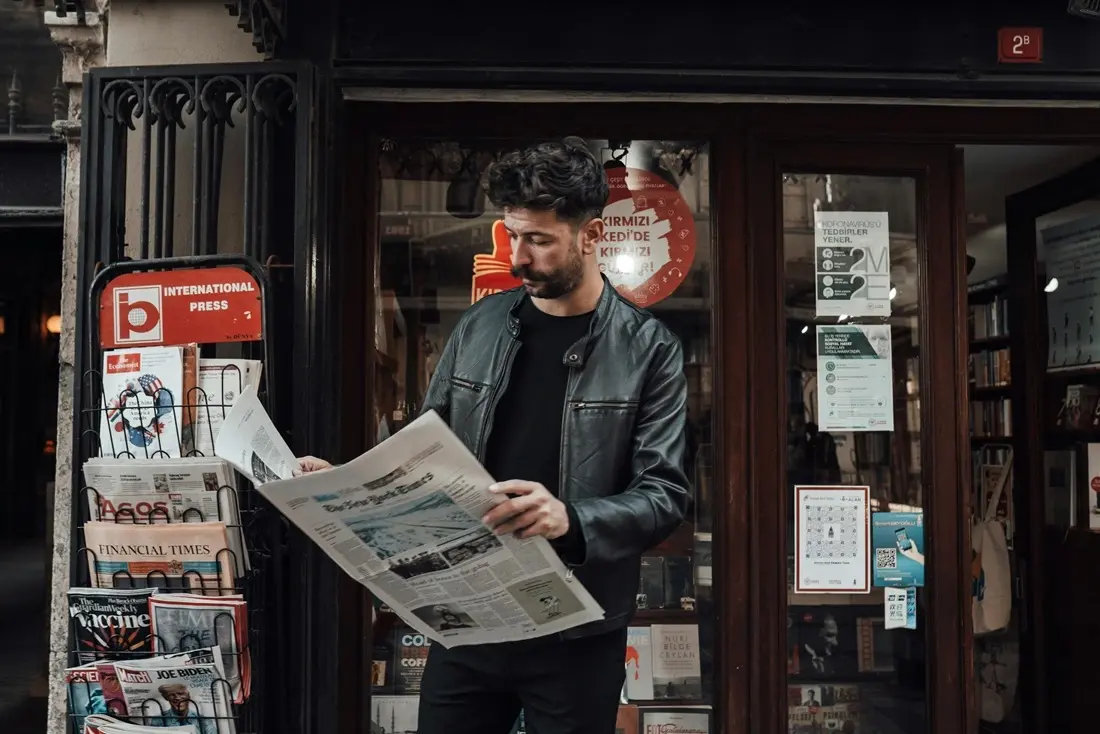
I loved reading fresh newspapers the most. That was often my task. I read them in the newsroom, in elevators, taxis, stairways, armchairs - it did not matter,” Vukotić tells HEDONIST.
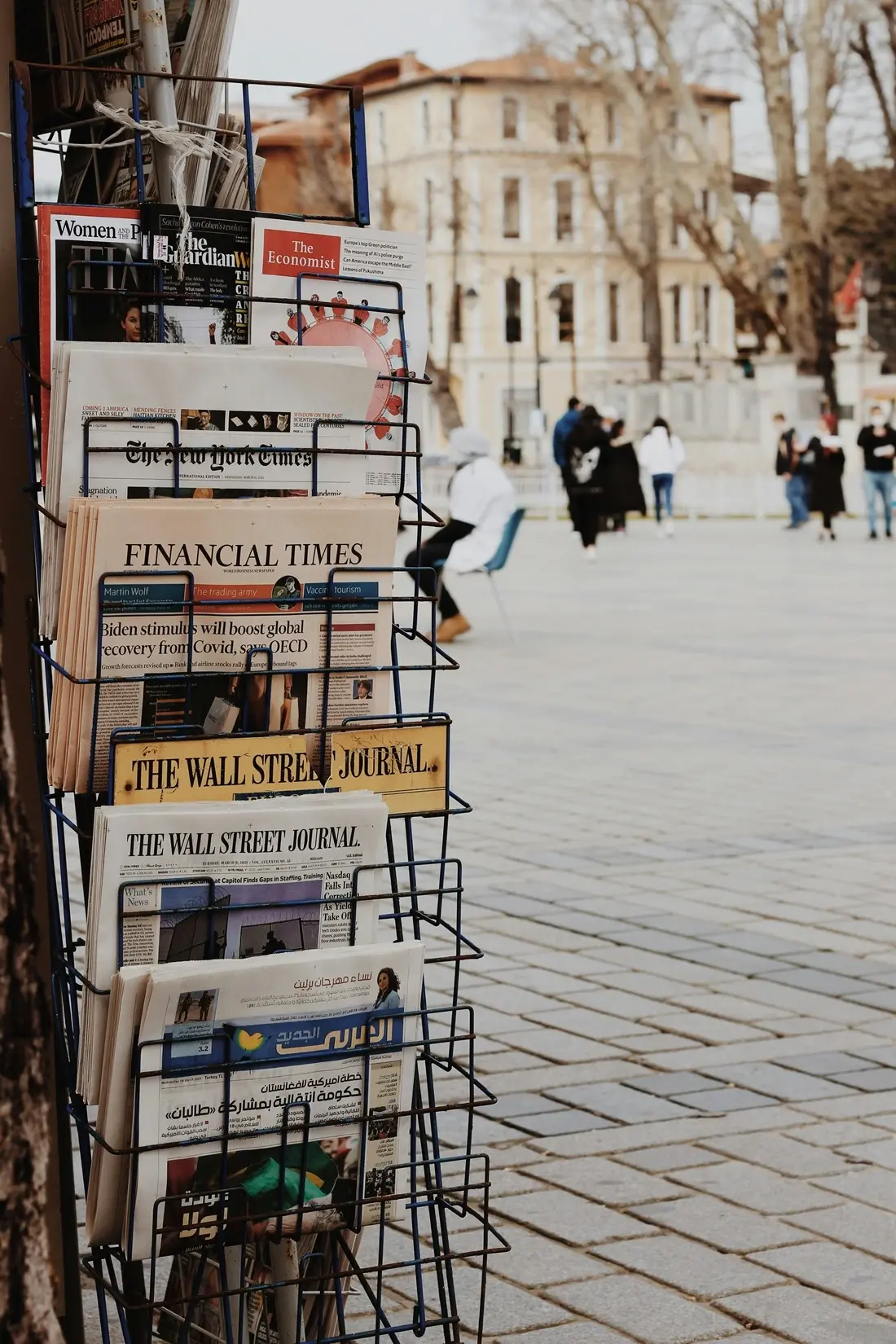
Newspapers, he says, were his nourishment - his daily bread.
“Sometimes there was bitterness, nausea, anger, or acidity in them, but more often there was healthy mead and sparkling intoxication. I never had the habit of reading newspapers slowly with coffee. That was too slow for me. I didn’t smoke either, so I never inhaled that deceptive smoke. While flipping through newspapers, slightly crumpling the pages and gliding my fingertips over the rough whiteness of paper, I always felt immediately hungry and thirsty for a richer feast. Newspapers were never my job. They were my life.”
Why Print Still Matters
Vukotić does not believe newspapers will disappear beneath computers, portals, cameras, and screens.
“Yes, it is a difficult battle. At the moment, electronic media clearly have the advantage over print. But I believe this is because journalism itself has collapsed - professional standards drowned in state influence, small-minded ownership structures, one-dimensional thinking, political obedience, and servility. Journalism has wandered into a dead-end street.
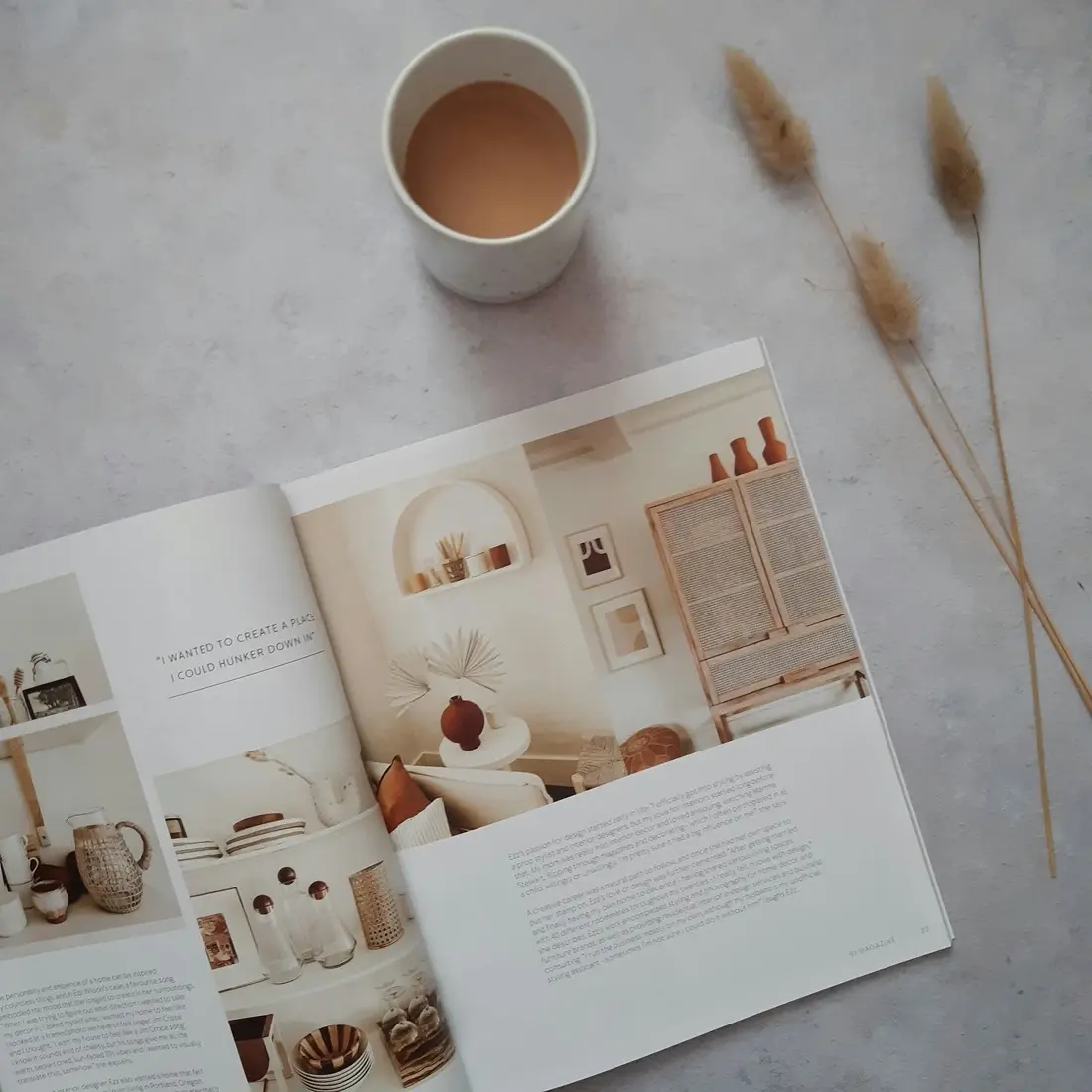
You can see it in circulation numbers. Leading Belgrade newspapers today have the lowest circulation in sixty years. Yet I still read newspapers - of every political color. Even when my hand trembles from disgust, even when I can smell the stench of journalistic betrayal and tabloid prostitution. I still read them. For the headlines, the paper, the photographs, the charts, the sketches. That remains my daily meal,” says Vukotić, who still lives close to the smell of paper as owner of the publishing house Vukotić Media.
A Different Kind of Reading Experience
Paper remains an inexplicable pleasure for generations of journalists and readers alike. Veteran journalist Brane Božić, who has been writing for 48 years, nearly three decades of them for NIN magazine, fully agrees.
“Online portals all follow the same template. Everyone forces their text into the same form, while paper allows for a much larger and more serious act of creation. Online sentences are short, economical, and stripped of creativity in favor of speed. In the past, newspapers published sentences that resembled literature.
We had reportages that many considered literary works. Great newspapers once had brilliant reporters, but there is no room for that on portals today. Every portal resembles the next. We still see bylines beneath articles, yet everything feels as if it were written by the same author. In the past, you could recognize a writer by style alone, even without reading the signature,” Božić explains.
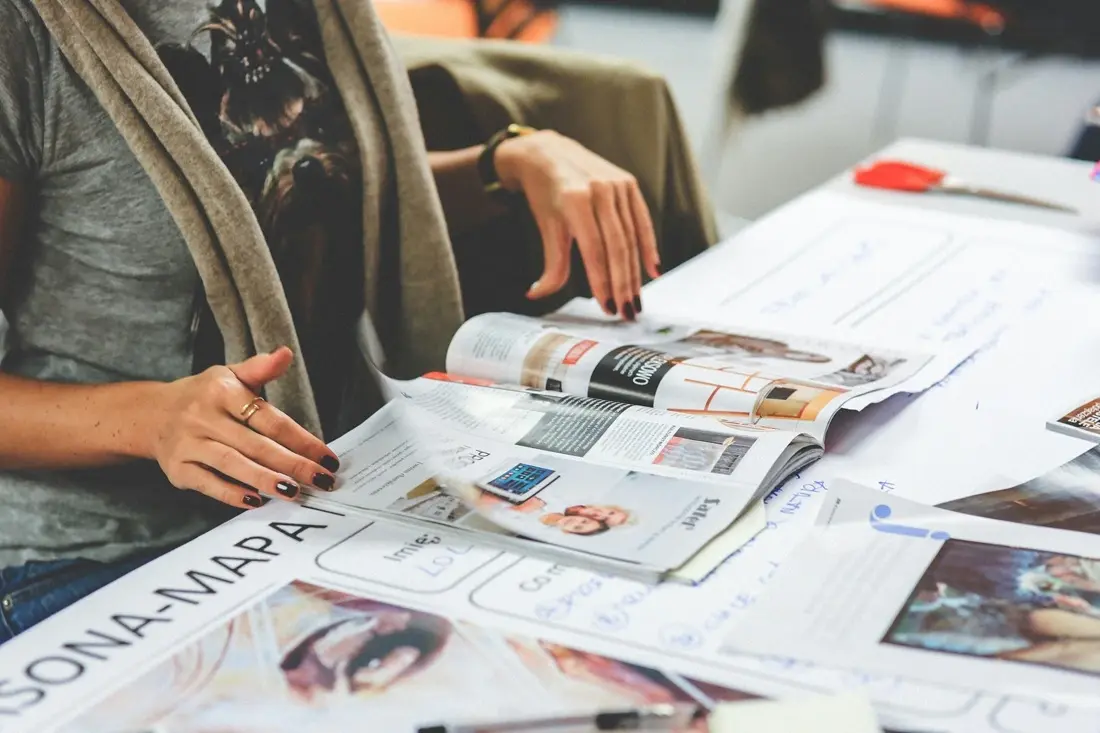
According to him, every element placed on paper acquires a new dimension.
“Beyond information itself, readers experience satisfaction through layout, visual composition, and everything surrounding the printed story. Today, people are simply informed, but they lose that visual and emotional sensation that cannot truly be described in words.
I believe these invisible things, the things without rational explanation, are exactly what will keep paper alive for a long time. Print survives, even though it is difficult. The aggression of modern media will still push many people back toward classical storytelling. A person thinks more deeply when reading paper than when staring at a screen,” says Božić, who jokes that he has been doing this work “improperly long,” yet still feels genuine pleasure in it.
And what else separates print from digital portals?
“Try reading portals for an hour, then try reading newspapers for an hour. Portals exhaust you. You rush through headlines, skim a few sentences, and quickly become overwhelmed. After reading newspapers, you actually feel more rested than before,” Božić concludes.
Print Will Not Surrender Easily
“This is yet another proof that print editions will not surrender so easily. Many newspapers have indeed lost circulation, but if you add together everything print still sells, the decline is not as dramatic as it seems. Roughly the same amount of paper is still being sold overall - only now readers simply have more choice,” says Brane Božić.
- Written by Valentina Mišljenović / HEDONIST
- Originally published in HEDONIST Magazine Issue 02, 2020