

Washington, D.C. – A Guide to Traveling Through Power, Culture, and Pleasure

![[object Object]](https://api.hedonistmagazine.net/storage/images/2026/01/1d8e6f73-ce4d-4d5f-9246-6fe5c2570d9d.webp)
When people think about traveling to the United States, Washington, D.C. rarely appears among the top five cities on their wish list. It is most often imagined through a single image: the White House, Congress, politics, suits, protocols, and flags. Yet for those who give it a chance, Washington reveals itself as a city well worth returning to.
After just a few walks through its parks, neighborhoods, and museums, it becomes clear that the American capital is not only a stage for political power, but also a space of everyday life, culture, and diversity.
Lafayette Square and the Right to Be Heard
Our walk began in front of the White House, more precisely at Lafayette Square, a park that is not only a green oasis in the city center, but also a powerful symbol of free speech.
Just a few meters from the residence of the U.S. president, citizens have left banners, messages, and protest signs for decades. Here, authority can be publicly criticized, quite literally on its doorstep.
This is also where Washington’s special “European spirit” becomes evident.
A City Without Skyscrapers
Another fascinating aspect of Washington is that it has no skyscrapers. A 1910 law limits the height of buildings so that none may be taller than the Capitol. The idea was for political institutions to remain the visual center of the city, rather than corporate towers.
As a result, Washington feels spacious, open, and “low-rise,” with plenty of greenery and open views, giving it an almost European urban character.
The Hotel Where Lobbying Was Born
One place with a special historical aura is the legendary Willard Hotel. According to tradition, this is where the concept of lobbying was born in the 19th century.
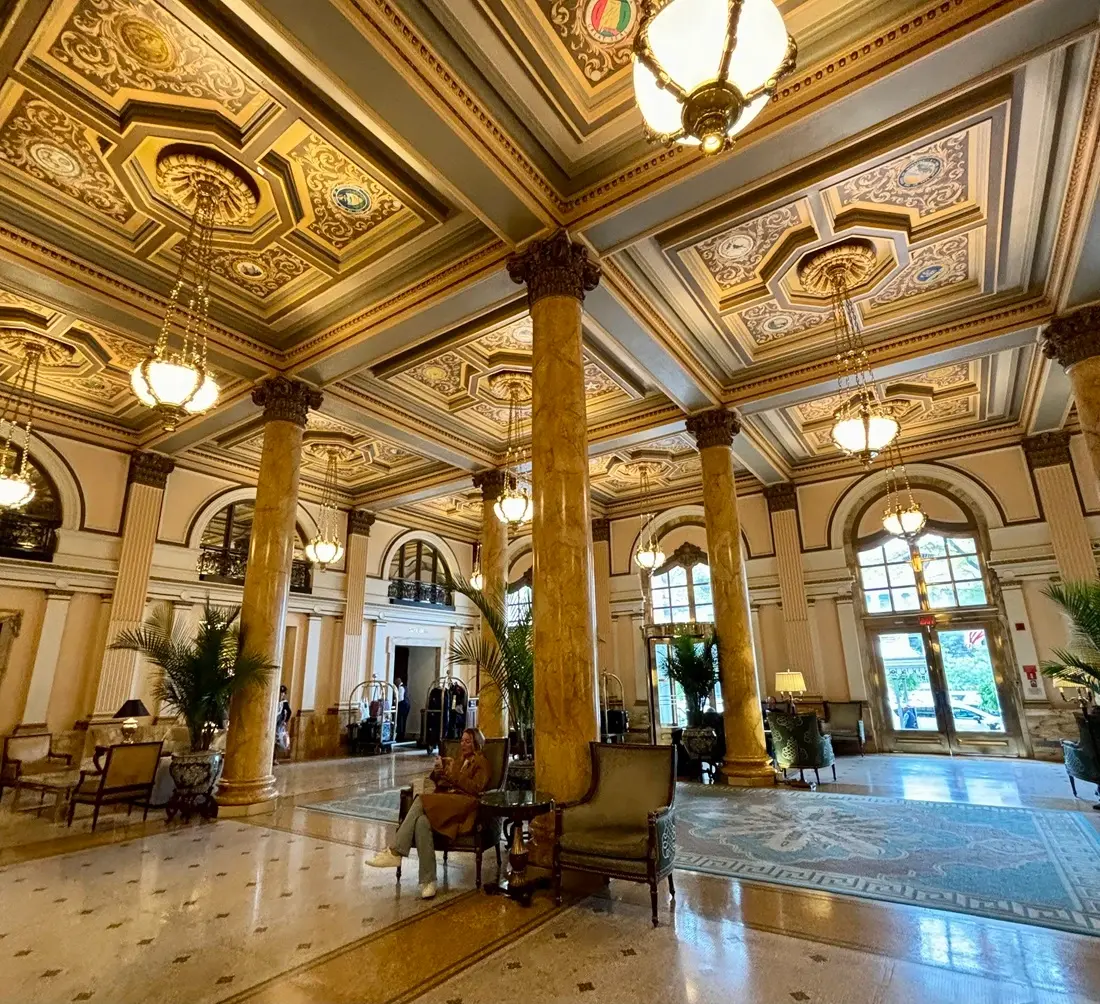
President Ulysses S. Grant often came here to smoke a cigar and drink whiskey, since his wife reportedly did not allow smoking in the White House. Politicians, journalists, and interest groups soon began gathering in the hotel lobby, where conversations over drinks often carried more weight than official meetings.
In the same hotel, Martin Luther King Jr. refined his “I Have a Dream” speech in 1963, on the eve of his historic address to the nation.
National Mall: History in the Open Air
The walk continues along the National Mall, an open space where American history can be walked through quite literally.
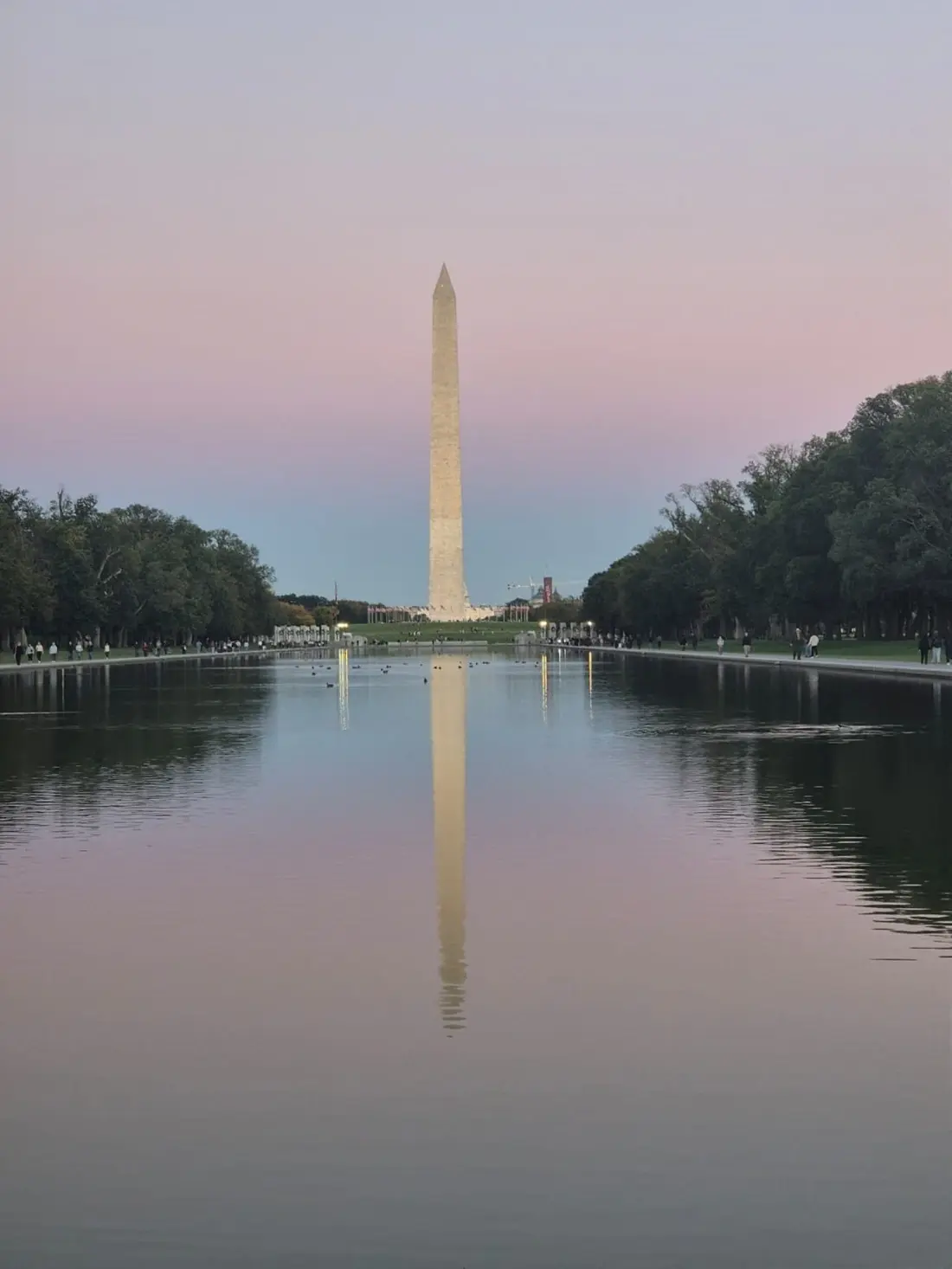
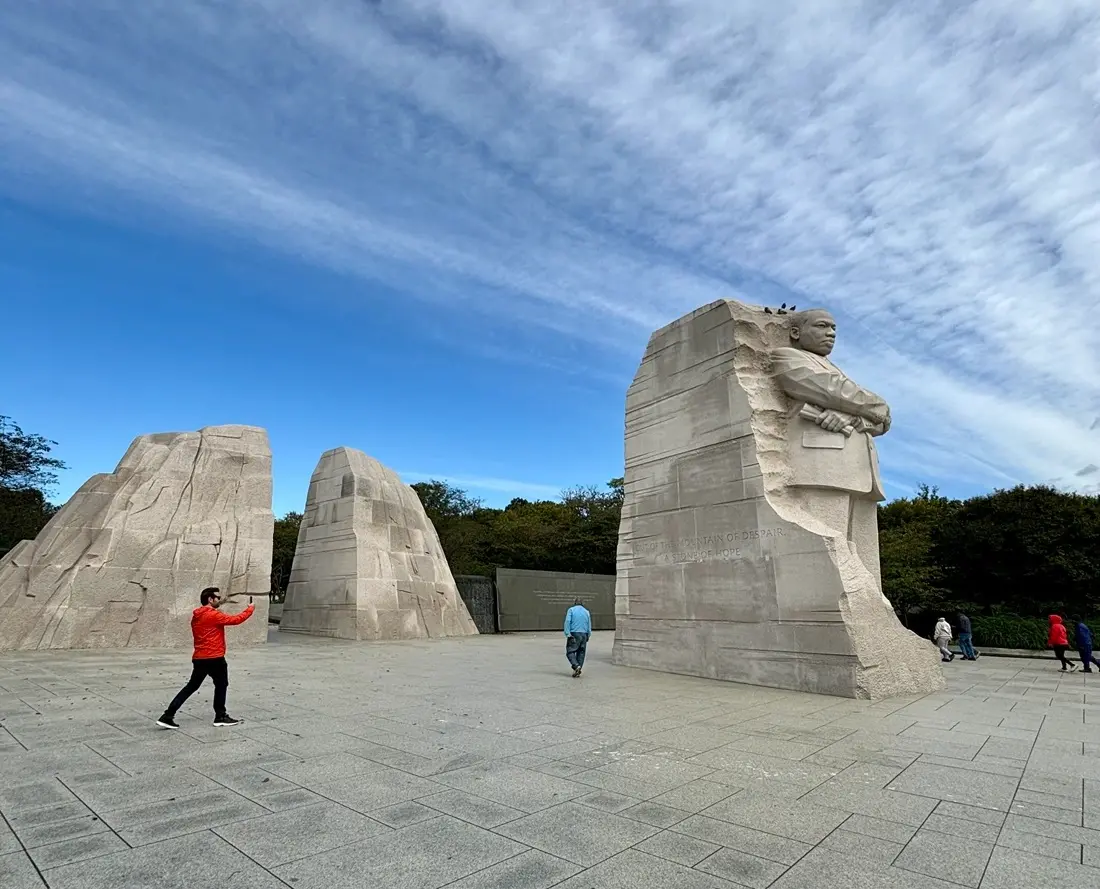
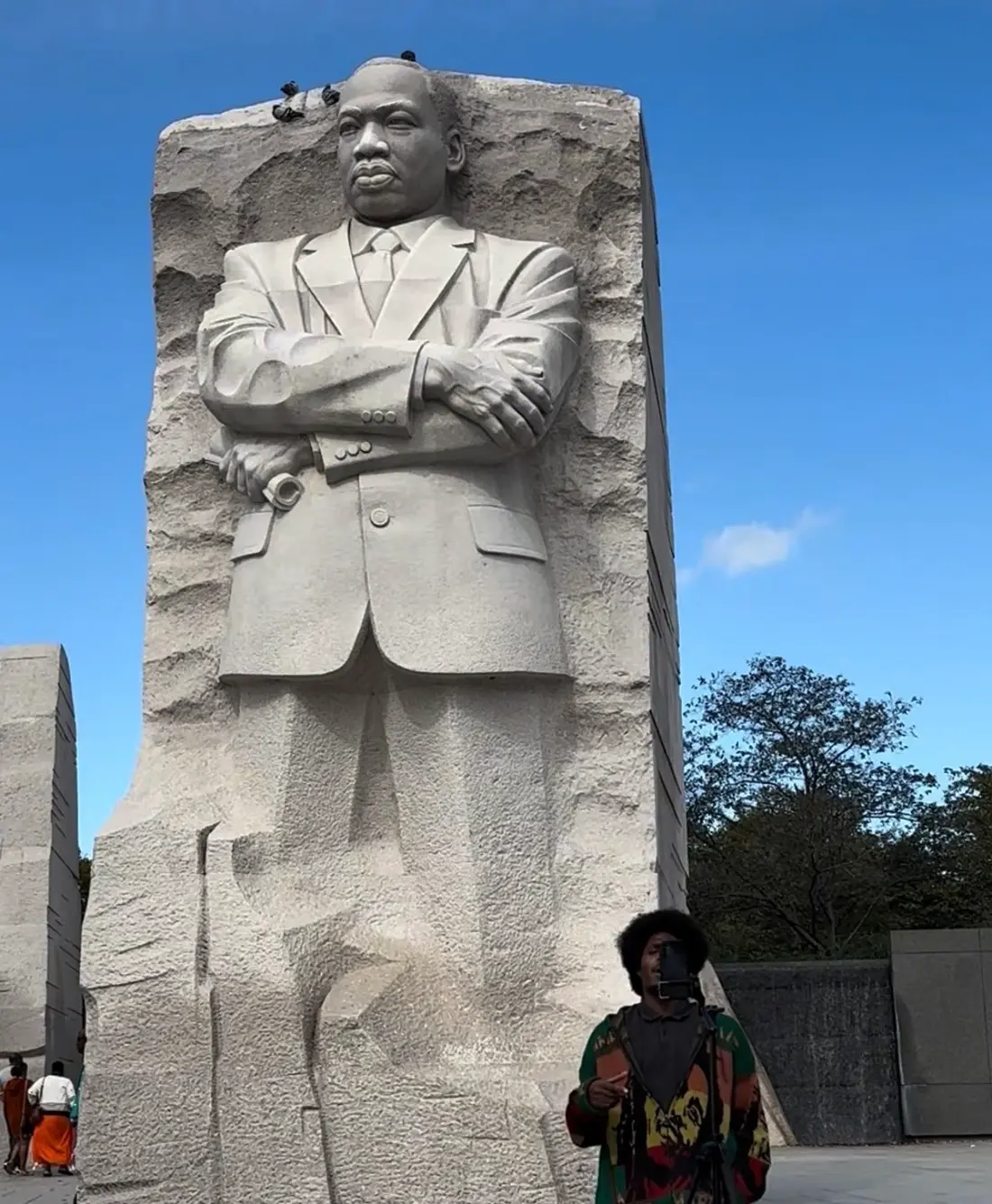
The Martin Luther King Jr. Memorial stands quietly by the water, facing the Jefferson Memorial, reminding visitors that the American story is not only about power, but also about the struggle for civil rights. Even today, individuals publicly express their dissatisfaction here, often addressing mostly indifferent passersby or speaking into their phone cameras.
Just a few minutes away is the Lincoln Memorial. The monumental statue of Abraham Lincoln, surrounded by 36 columns, one for each U.S. state at the time of his death, leaves a powerful impression. It was here that Martin Luther King delivered his famous speech before hundreds of thousands of people.
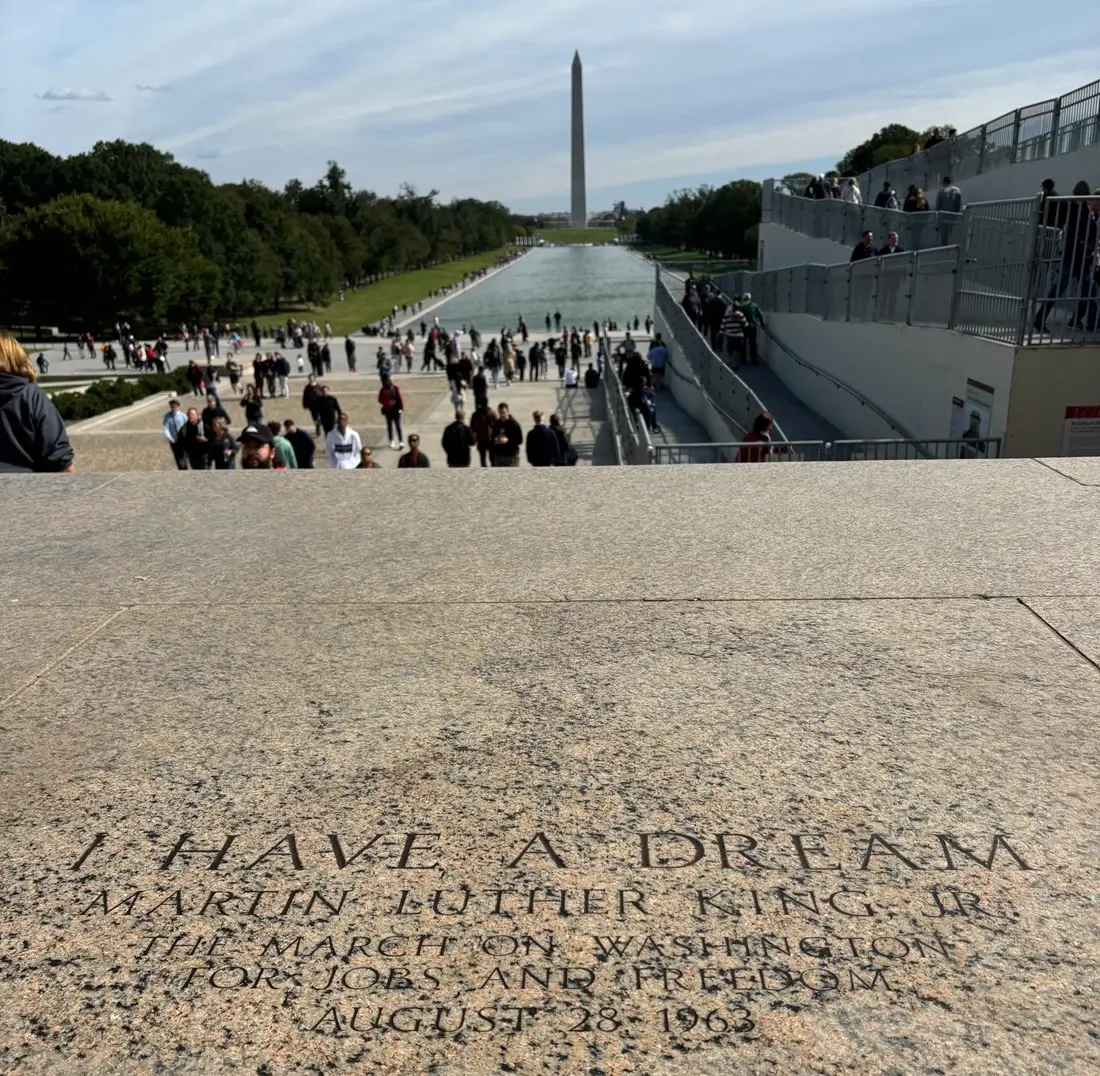
The view toward the Washington Monument brings together history, symbolism, and architectural grandeur in a single frame.
An American Classic: The Burger as a Ritual
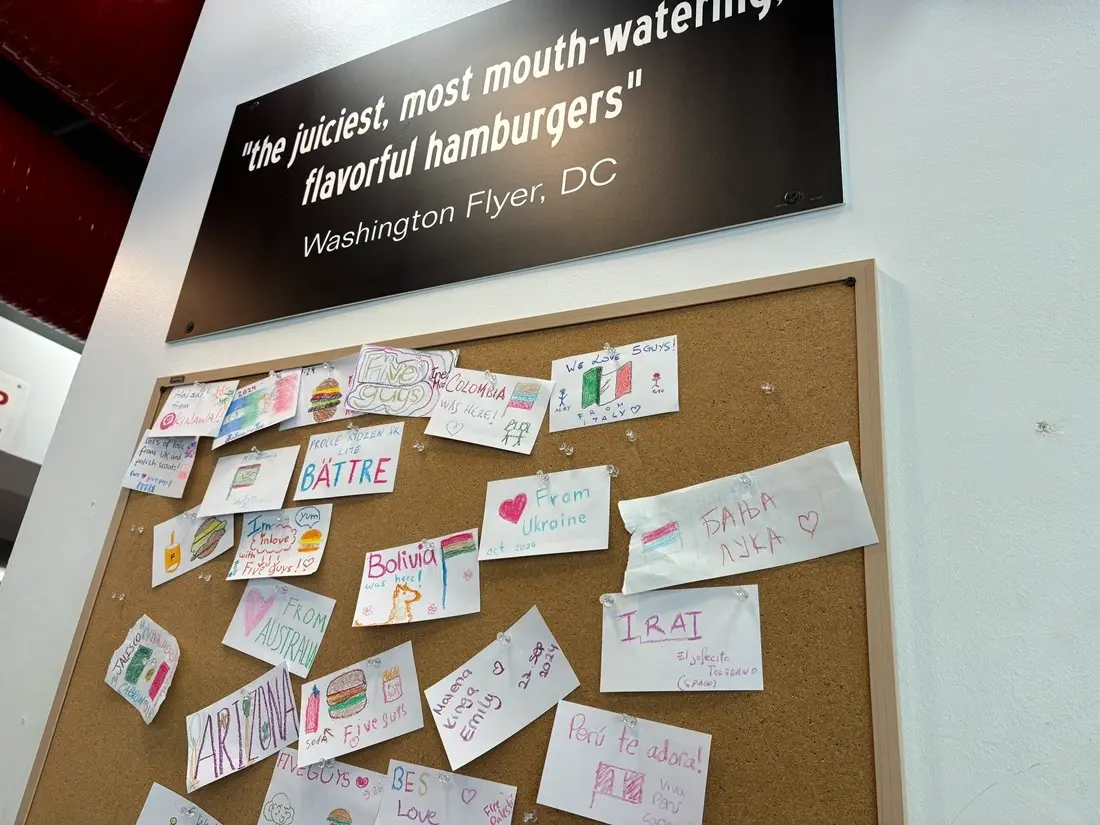
For a break from politics and monuments, we chose an American classic, burgers at Five Guys.
As everywhere in the U.S., portions are huge: overflowing fries, massive burgers, and unlimited Coca-Cola refills.
On the wall of this restaurant are messages from guests from all over the world. Among them now stands “Бањалука,” written in Cyrillic, a small but symbolic sign that we, too, are part of the global story.
Museums That Tell Life, Not Myth
Washington is also a city of museums, and the Smithsonian National Museum of American History offers perhaps the most intimate look at American identity.
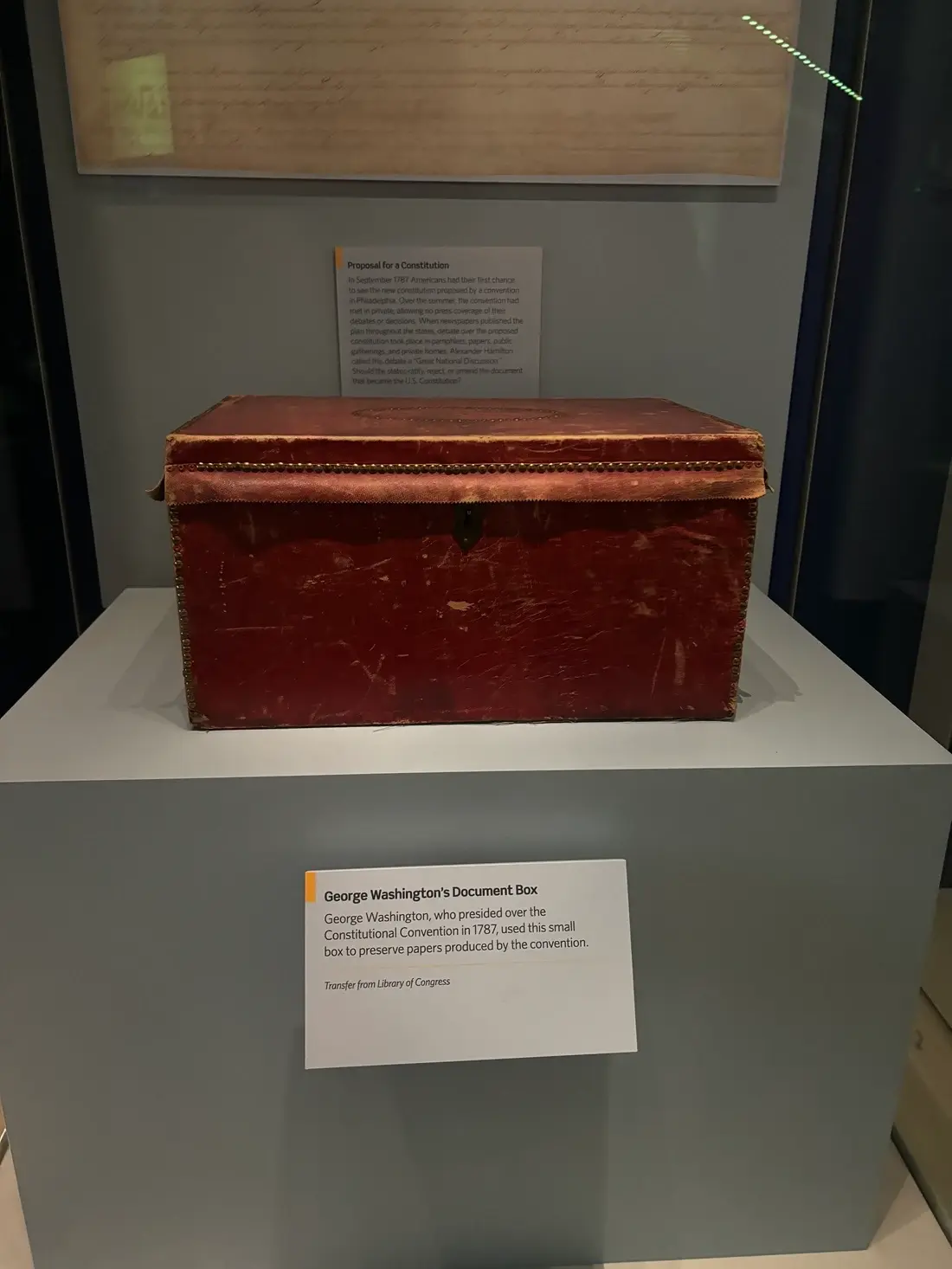
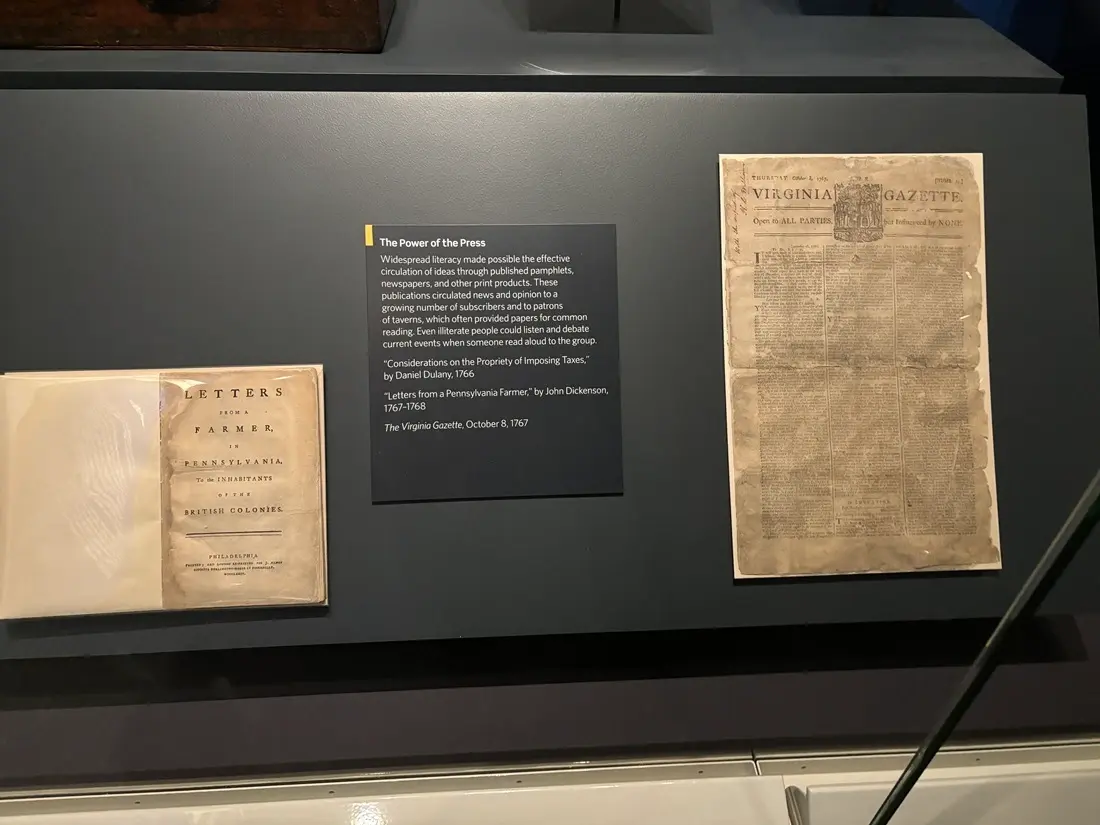
Here, history is not told only through wars and politics, but through everyday life: music, sports, fashion, technology, and pop culture.
From the original flag that inspired the U.S. national anthem, to the dresses of First Ladies, to the legacy of Elvis Presley, NASA technology, and the struggle for civil rights, the museum does not idealize America, but shows its conflicts, divisions, and transformations.
It celebrates not only great leaders, but also ordinary citizens, workers, soldiers, artists, athletes, and activists. Right at the center of political power, it shows how a nation’s identity is built not in politicians’ offices, but in everyday life.
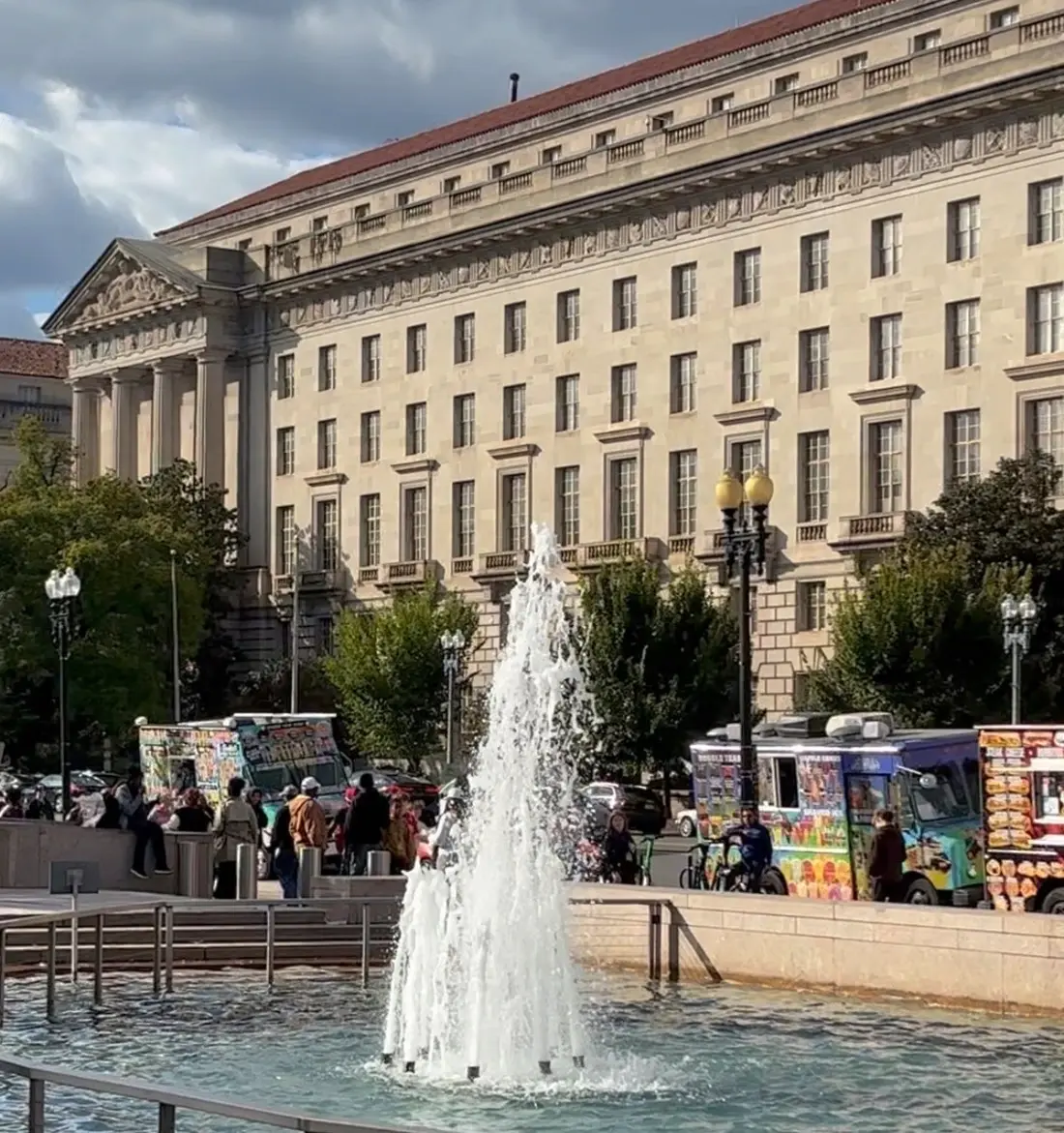
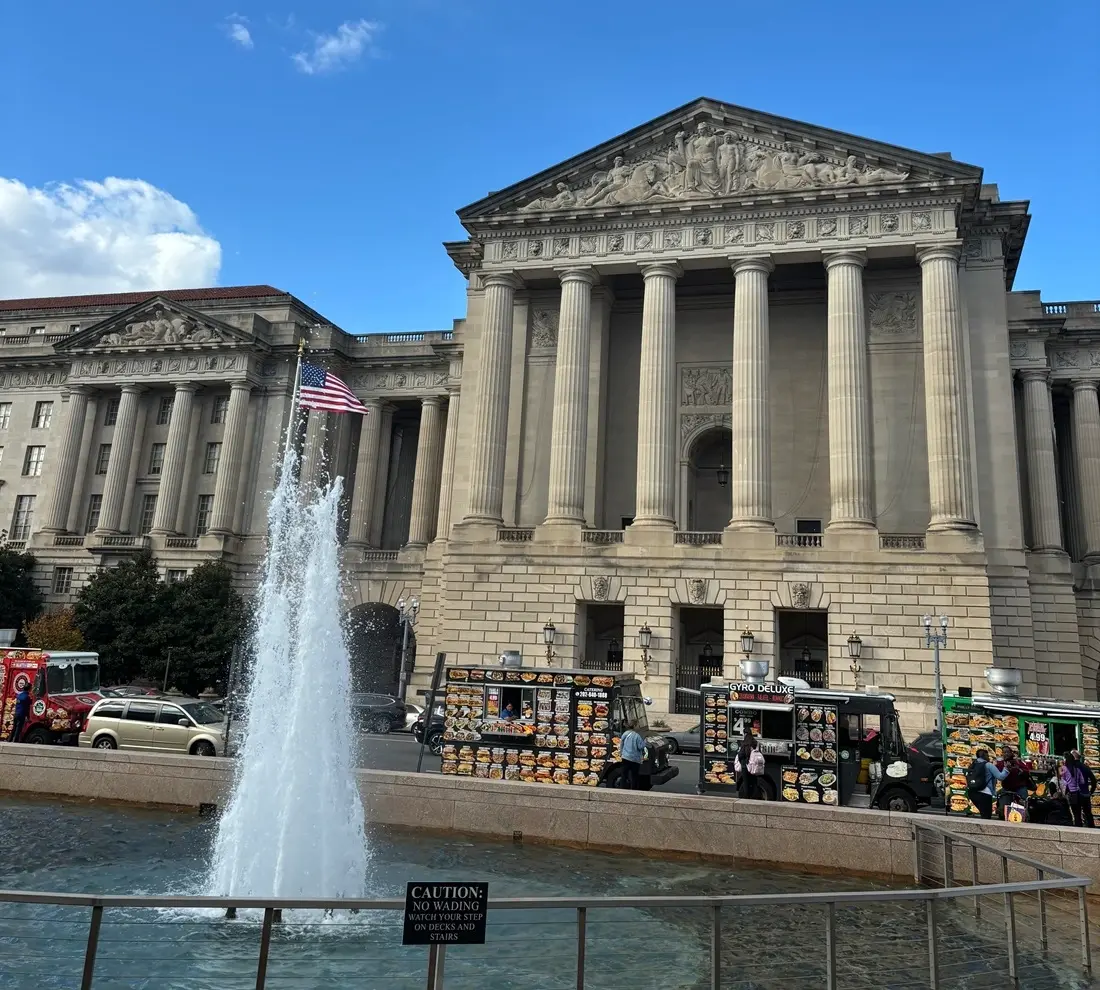
In addition, the city’s museum offering is impressive: the Air and Space Museum, the National Gallery of Art, the National Museum of African American History, and the National Museum of the American Indian, all free of charge.
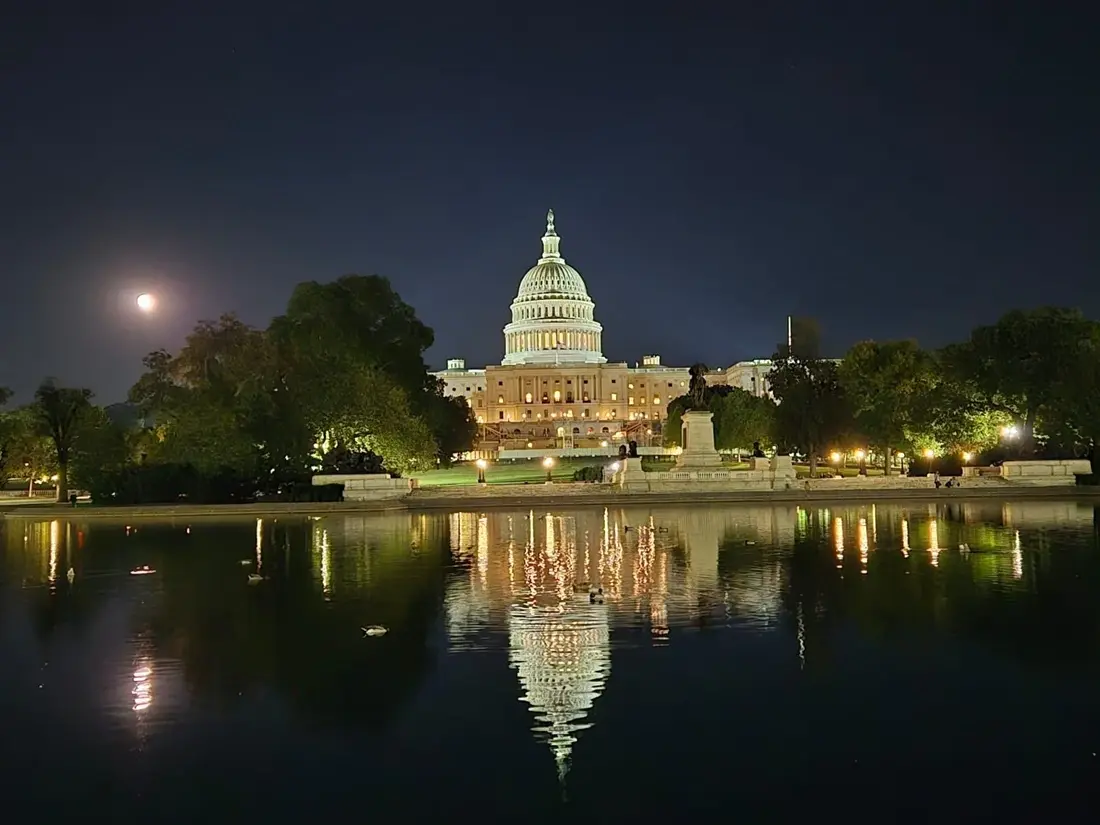
Capitol: Architecture as a Political Message
The Capitol, seat of the U.S. Congress, makes its strongest impression inside. The Rotunda, the central circular hall beneath the dome, is where the Senate and the House of Representatives, past and present, symbolically intersect. Above is the fresco The Apotheosis of Washington, surrounded by monumental historical paintings that trace the birth of the nation. Here, architecture and art become a political message.
Another layer of the story is told by the statues throughout the Capitol, gathered in the National Statuary Hall Collection.
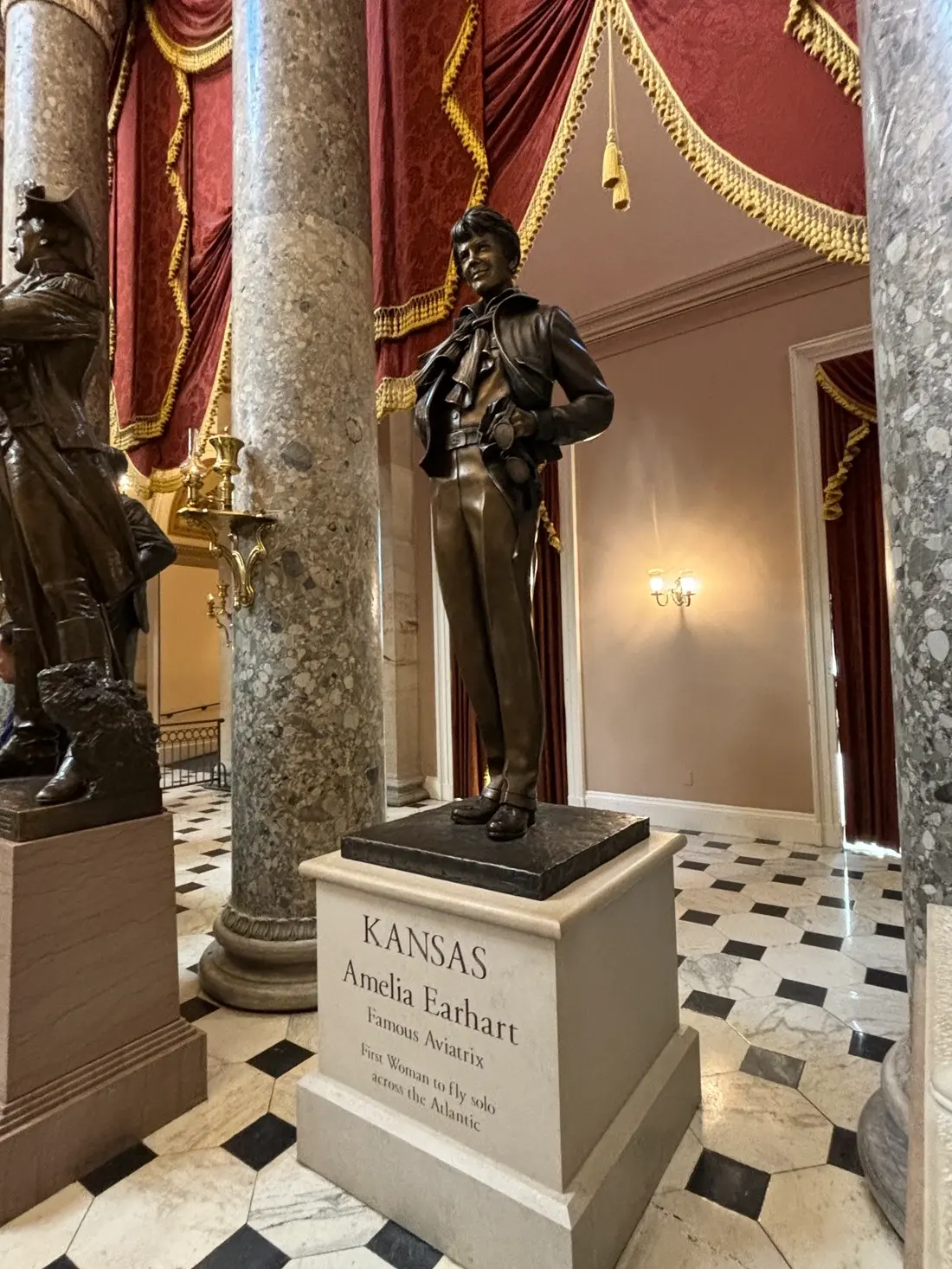
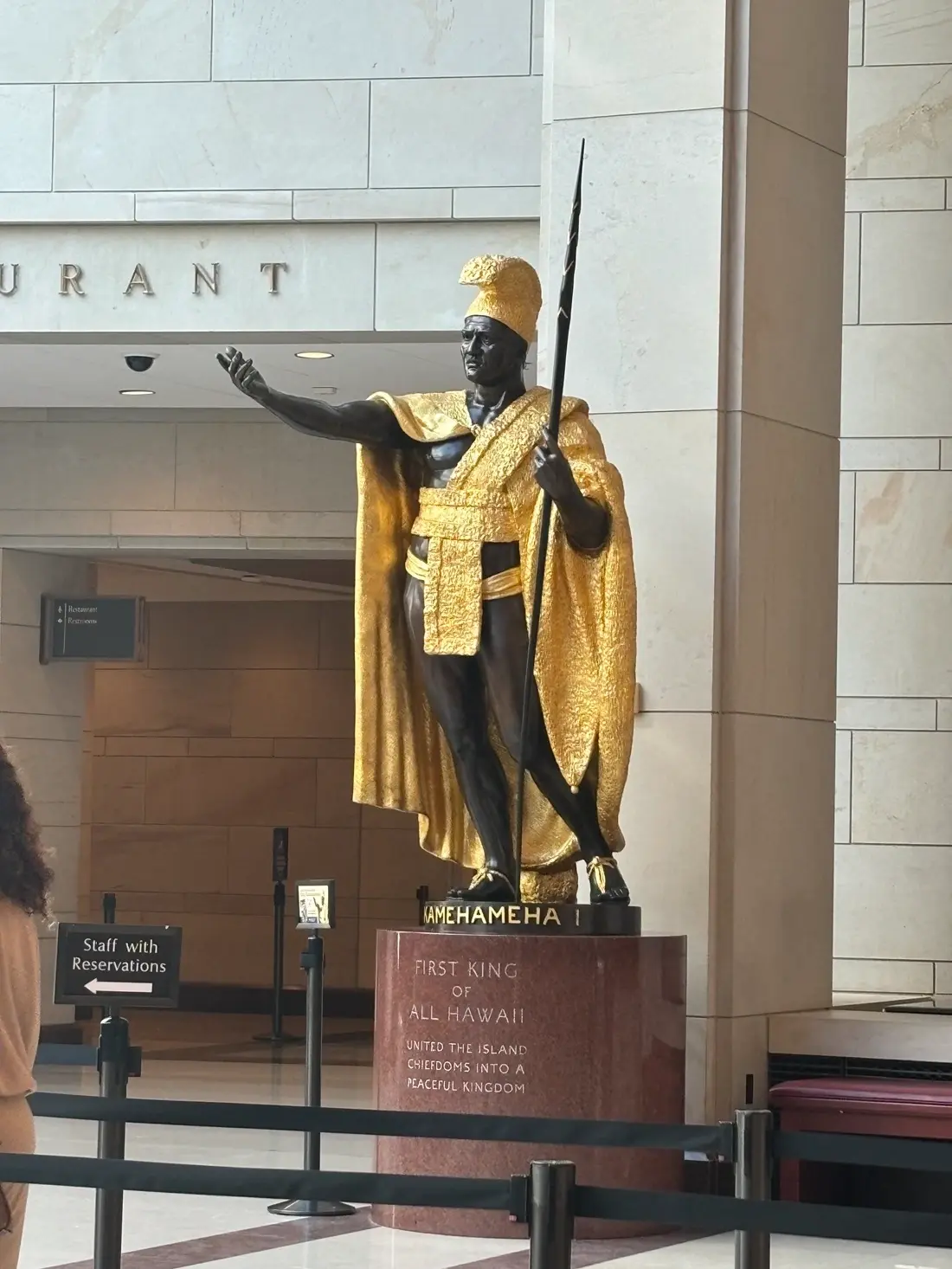
Each state selects two individuals it considers crucial to its identity, bringing together presidents, pioneers, scientists, civil rights leaders, artists, and powerful women who shaped history. Walking among these figures, one realizes how diverse the American story is and how the nation’s identity was built from many different paths and biographies.
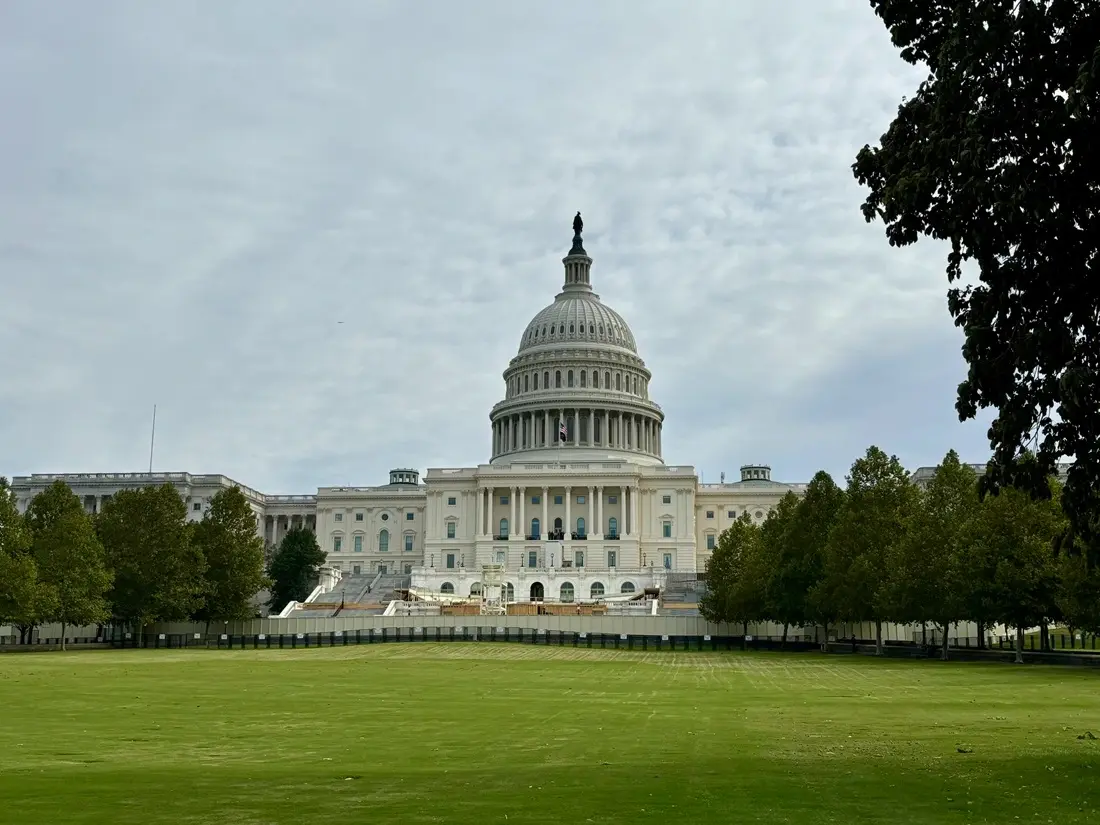
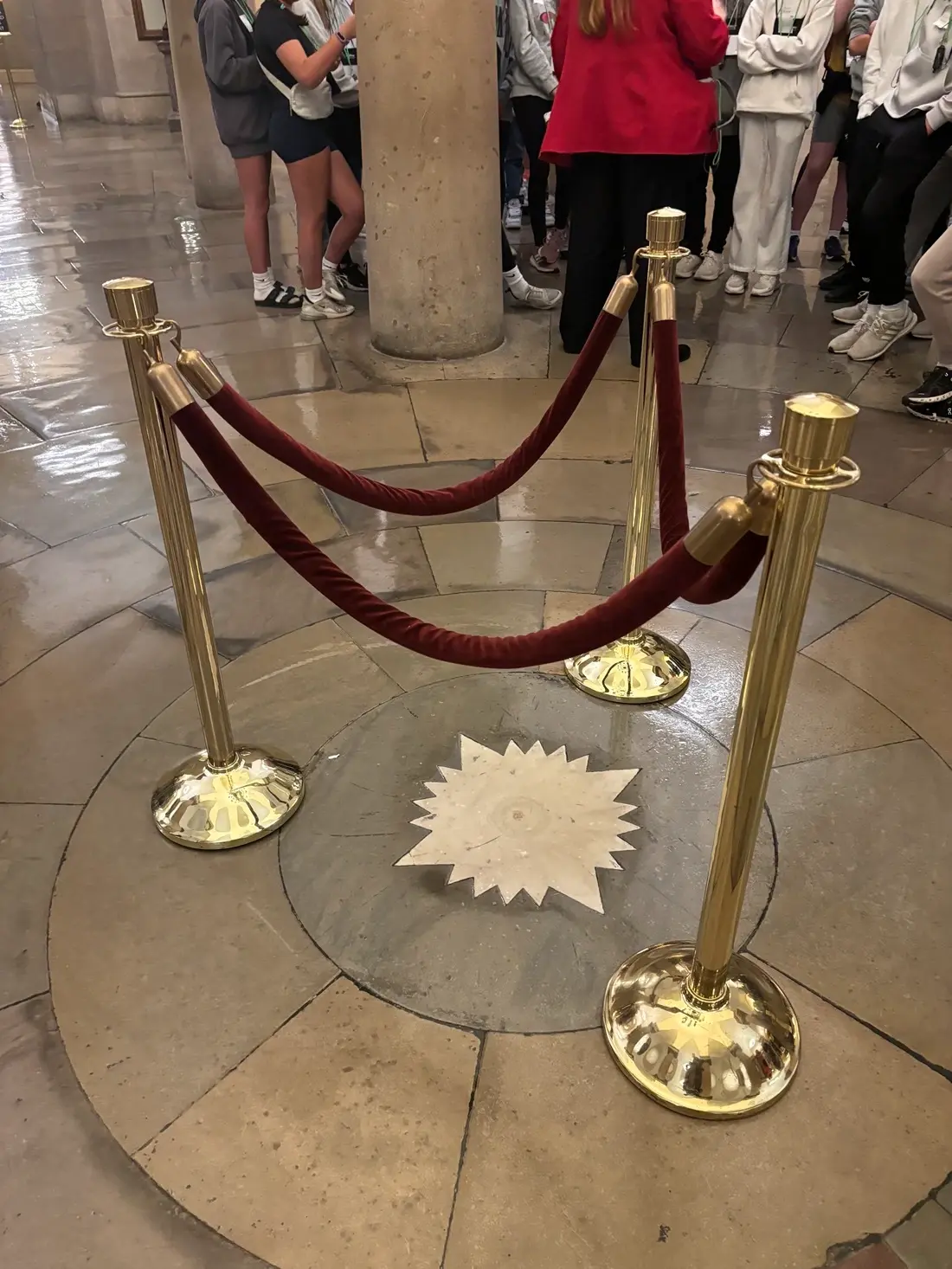
One of the most subtle yet powerful details of the Capitol lies beneath the dome, in a space called the Crypt of the United States Capitol. On the floor is a small white star marking the geographic center of Washington, D.C. - the point from which the city was measured and planned. Almost unnoticed in the crowd, it represents a physical and symbolic crossroads of the city. The Capitol is thus not only a stage of power, but a place where the idea of the state can be seen, walked, and felt.
Books, Cuisine, and Neighborhoods
From the Capitol, we continue to the Library of Congress, the largest library in the world. Its most famous building, the Thomas Jefferson Building, looks more like a European palace than a traditional library.
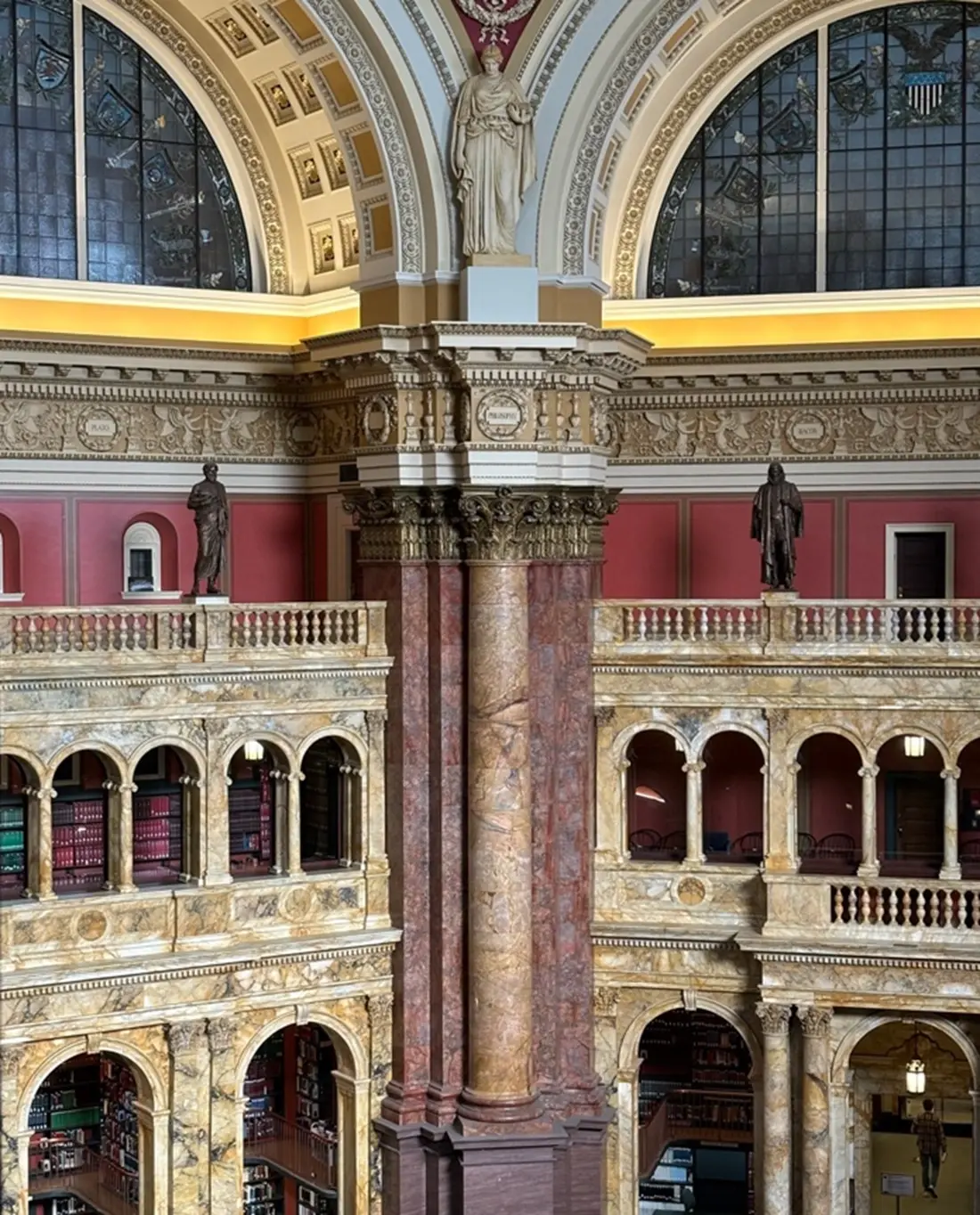
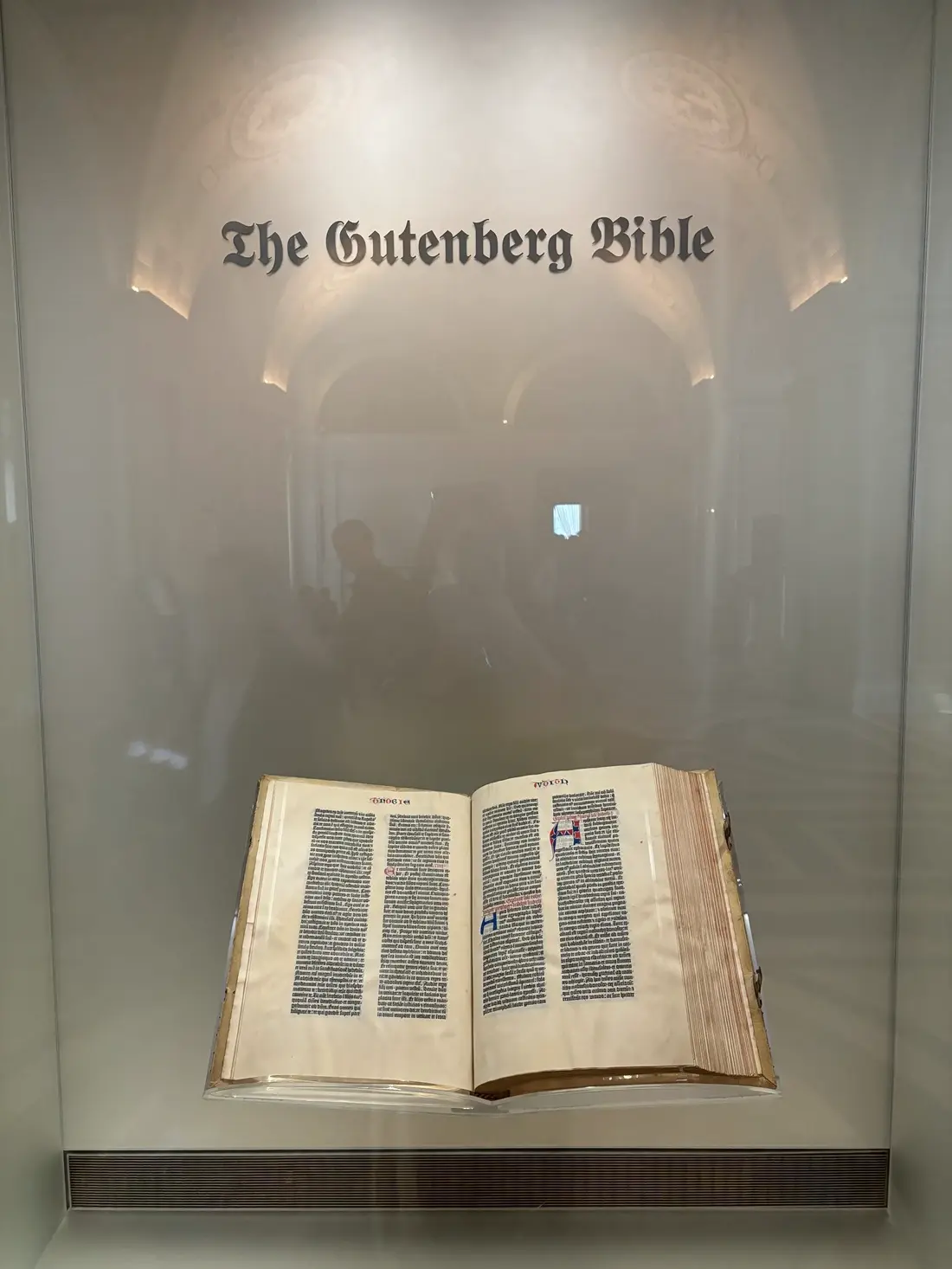
Inside, visitors can see rare manuscripts, maps, historical documents, and one of the first copies of the Gutenberg Bible, the first book printed with movable metal type, a symbol of the revolution of knowledge and access to information.
But to return to the beginning: Washington is not only an institution, it is also a city of people. In the Mount Pleasant neighborhood, we discovered Filipino cuisine, while Mexican restaurants are scattered throughout the city. Washington is a gastronomic mosaic, from Latin American taco bars to Asian and African kitchens, reflecting its multicultural structure.
Georgetown: The Soul of the City
If there is a part of the city where Washington shows its charm and relaxed, almost seductive side, it is Georgetown. Rows of low houses with balconies, discreet shop windows, and terraces full of people create the feeling that you have briefly stepped into an elegant European quarter.
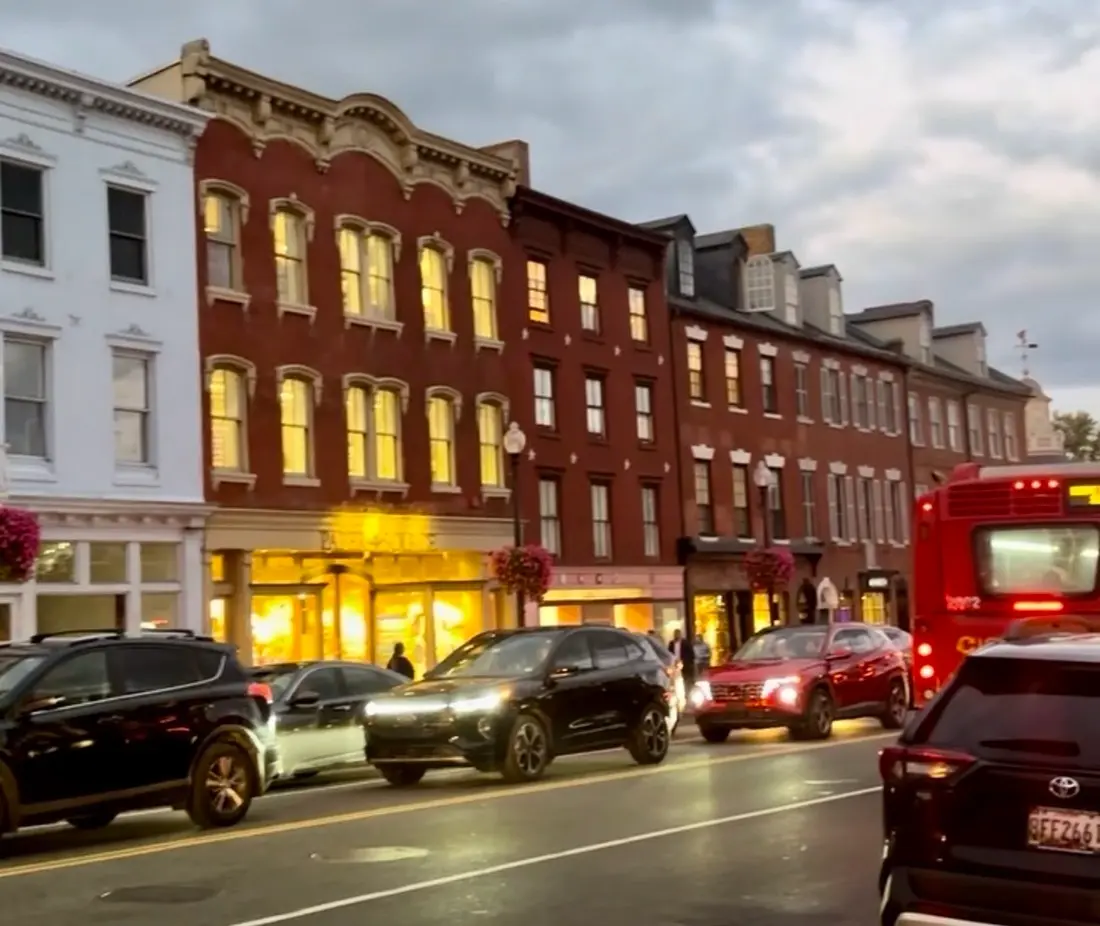
A day in Georgetown smells of freshly ground coffee and warm pastries. Typical American cafés with large windows and wooden interiors are perfect for slow mornings, people-watching and short breaks from sightseeing. Often, the same spaces that serve breakfast also house small shops for everyday essentials.
As the day turns into evening, Georgetown changes its rhythm. The streets fill up, lights come on, and music becomes more important than protocol. Jazz nights at Blues Alley, karaoke evenings, and relaxed drinks in unpretentious bars, the kind seen in American movies, create an atmosphere in which it is easy to forget you are in the political center of the world.
Georgetown is a reminder that Washington is not only a city of history and institutions, but also a city of enjoying the moment. If the National Mall shows Washington’s grandeur, Georgetown shows its soul.
The walk from the National Mall to Georgetown passes through green spaces, street food stands, and small squares, where squirrels casually cross paths as if they were the true owners of the city.

A City of Power and Hedonism
Washington, D.C. is not part of any U.S. state. It is a special federal district, created so that no single state would have a political advantage by hosting the capital. And while decisions made here affect the entire world, its residents still do not have full representation in Congress.
Even the streets are part of that story. Avenues are named after U.S. states and connect key institutions and monuments.
Washington, D.C. is indeed a city of power, but it is not only that. It is also a city of parks, food, music, students, tourists, protests, and everyday life.
Washington is not just a city of politics. It is also a city of hedonism.
- Written by: Anja Petrović/HEDONIST