Nature & Silence
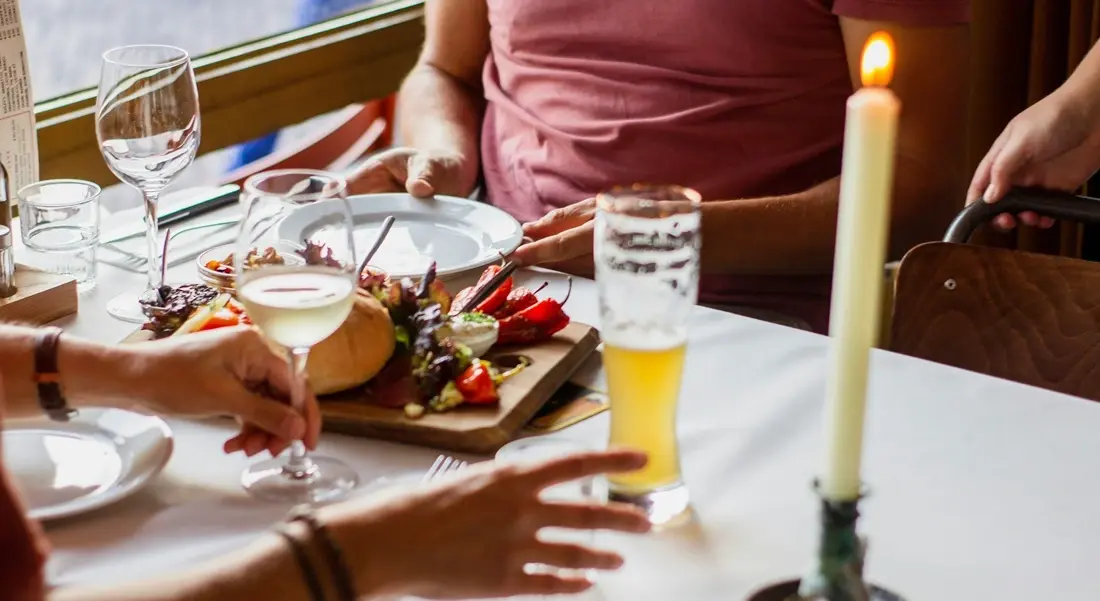
Ten Interviews, One Secret: What Makes Us Feel Alive Has No Price Tag
We asked the same question to ten different people, in ten different conversations, in ten different moods: what does hedonism mean to you? We expected something about champagne, private jets, maybe an expensive watch on someone's wrist. Instead, once we laid all the interviews side by side, something far less expected emerged. And, we have to admit, something far more beautiful.
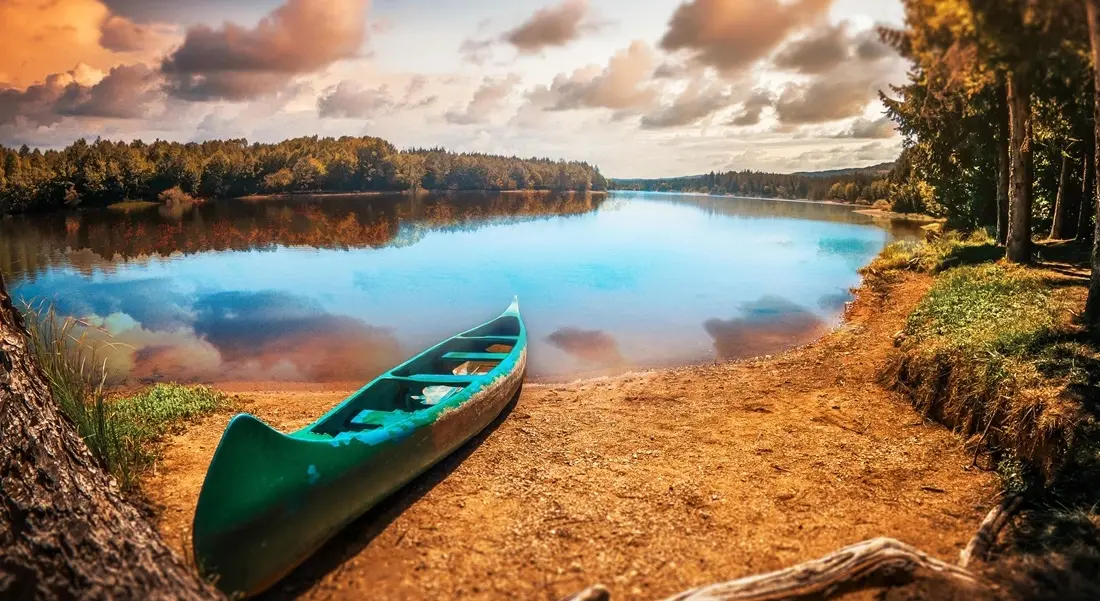
Alagovac - The Sea of Nevesinje
Lake Alagovac, often referred to as the "Sea of Nevesinje," lies at the foot of Mount Velež, about four kilometers north of the town of Nevesinje. It is the largest lake in the Nevesinje Valley and, at an elevation of 860 meters, captivates visitors with its peaceful surroundings. Nestled among forests, the area has many secluded beaches that can only be reached by gravel roads, adding to its untouched charm.
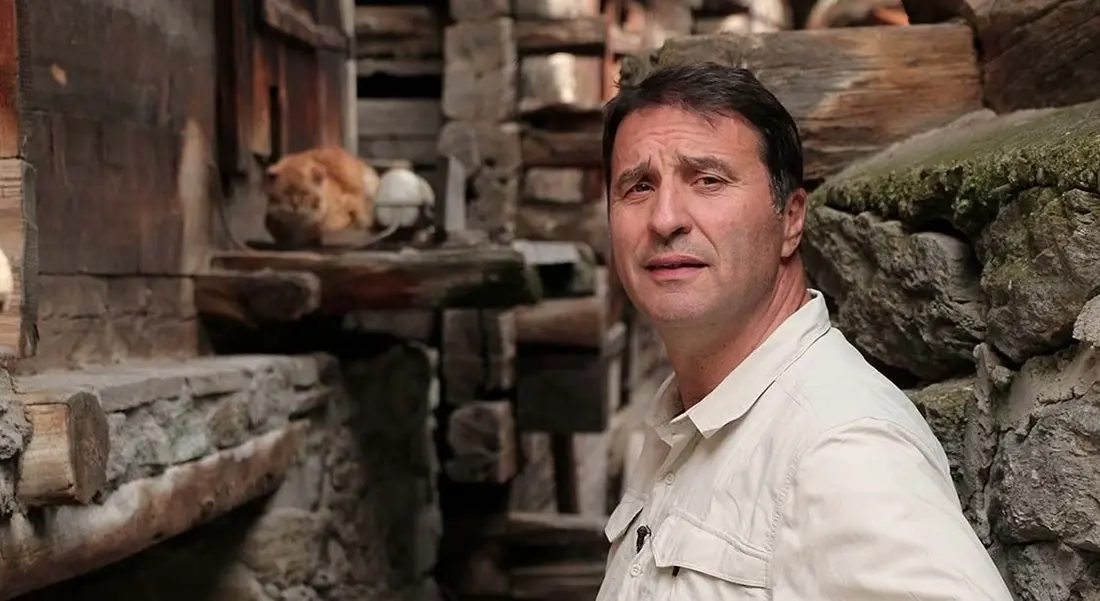
Jovan Memedović for HEDONIST: Hedonism Is When You Trade a House in Dedinje for a Log Cabin on the Drina River
For centuries, millions of people have searched for their place in the metropolis where the Danube and Sava rivers meet. Hundreds of thousands moved to Belgrade, the largest city of the former Yugoslavia, for education or temporary work and ended up staying there for life.
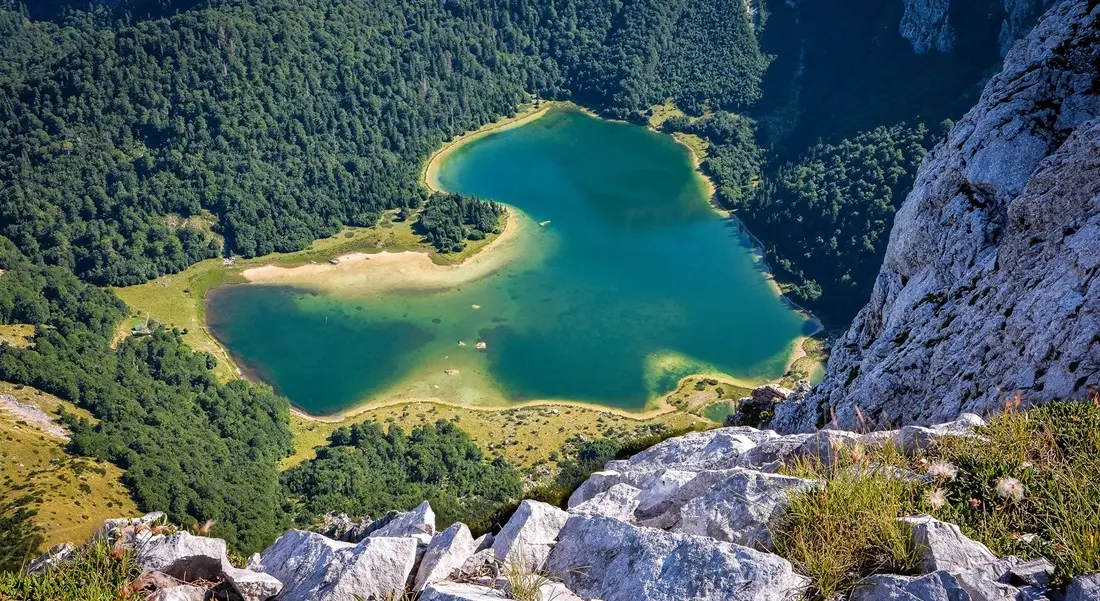
Sutjeska: Raw, Wondrous, Wild
Sutjeska National Park is the oldest and largest national park in Bosnia and Herzegovina, home to one of the last primeval forests in Europe, a place of adventure, and a natural gem of Republika Srpska. The highest peak, Maglić (2,386 m), is also located within the park, making it the highest point in the country.
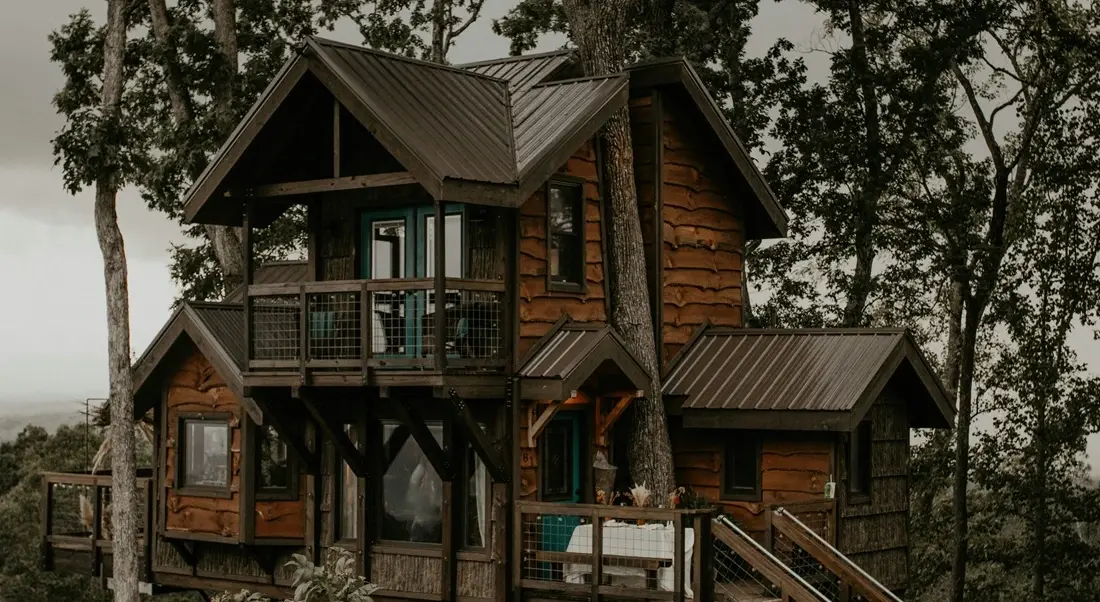
A Night in a Treehouse: An Adventure That Feels Like a Movie
There’s a moment when you realize you’ve truly stepped out of your everyday life. Not because you’re far away, but because everything around you feels different. The road to Japodski otoci isn’t spectacular in itself, but the last few minutes change the rhythm. You leave your car behind and continue on foot, crossing wooden bridges that creak softly under each step. Beneath them, water. Not still, but alive, constantly moving.
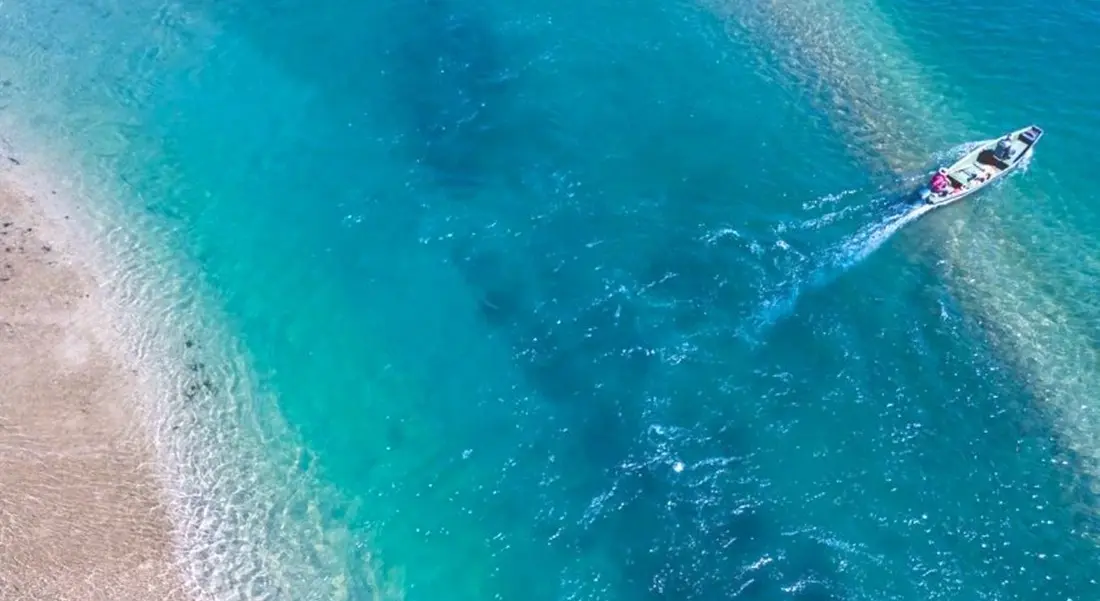
Una: The One and Only – A River Made for Enjoyment
More than 2,000 years ago, according to legend, a weary Roman soldier, after countless battles, came upon an emerald river and, struck by its beauty, exclaimed: “Una!” One, the only one, the most beautiful among rivers. To this day, the Una carries that unique name.
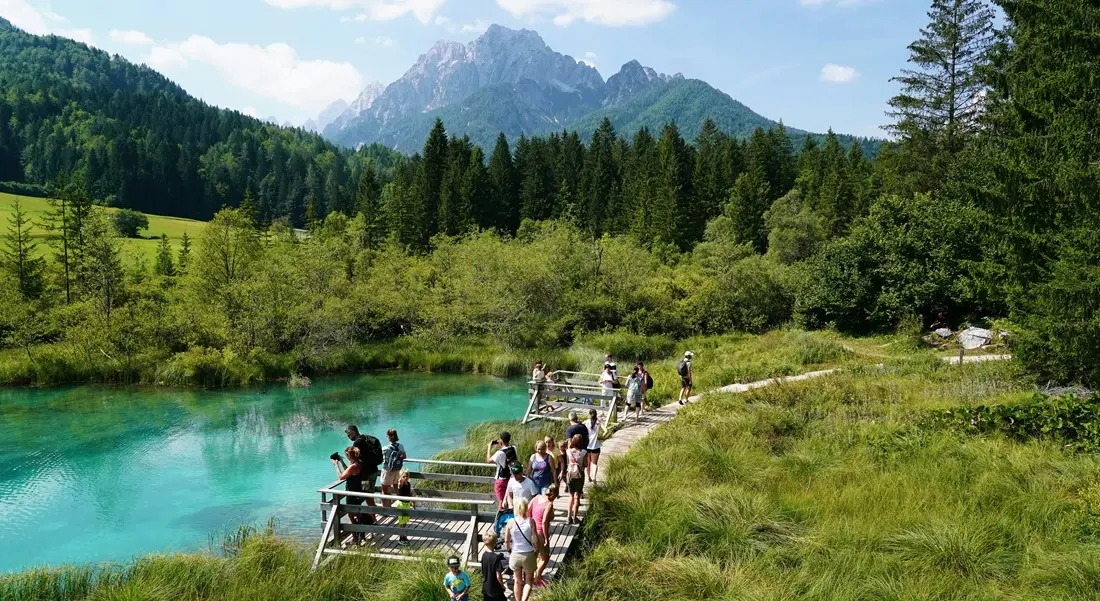
Where to Escape When Everyone Heads to the Sea
As lines of cars move toward the coast every summer, there is another side of travel that does not involve crowds, noise, or the struggle to find a spot on the beach. Instead, it offers silence, nature, and that rare feeling of having space all to yourself.
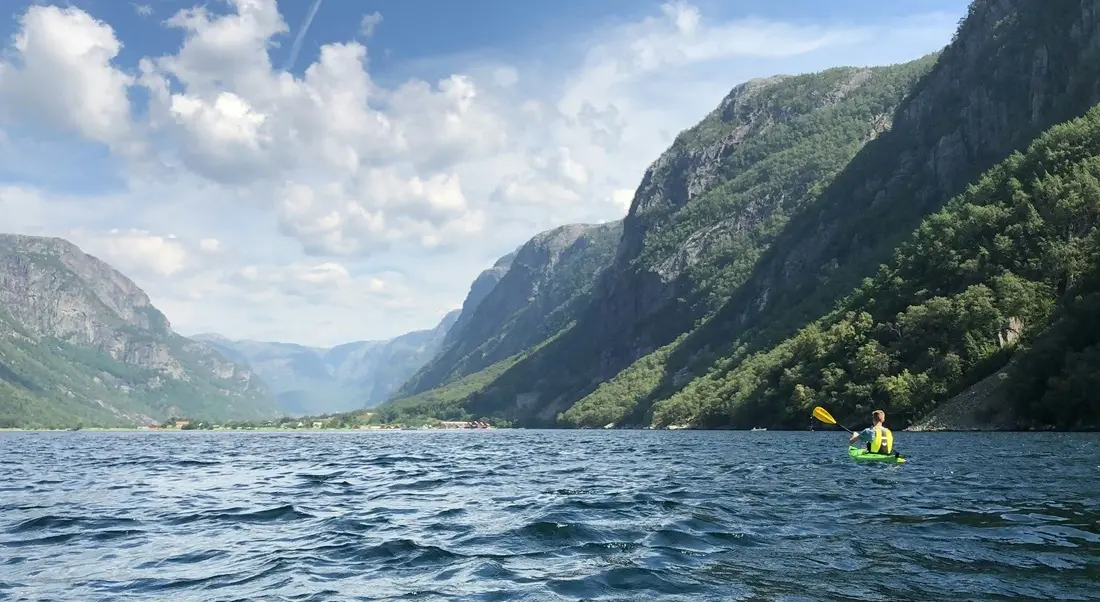
Adventures on Water Without the Sea: Where Nature Writes the Most Exciting Stories
When we think of a holiday on the water, most people immediately imagine the sea. Yet true adventure often begins where waves don’t crash against the shore, but where rivers and lakes quietly shape breathtaking landscapes. It is precisely in these places that more intimate, authentic experiences are created - ones that, for many, feel even more exciting than a classic seaside getaway.
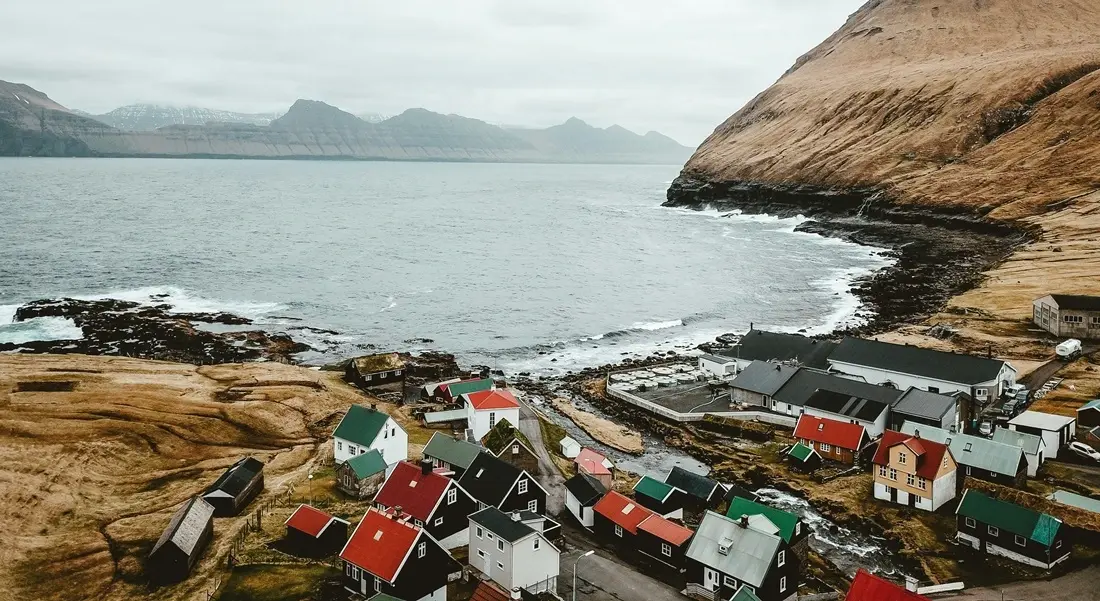
Islands at the Edge of the World
In an era when even the most remote destinations are just a few clicks and connecting flights away, the idea of places that are truly isolated seems almost unreal. And yet, they exist. These are islands where almost no one lives. Places where the signal fades, crowds don’t exist, and daily life is measured by the rhythm of nature - not the clock.
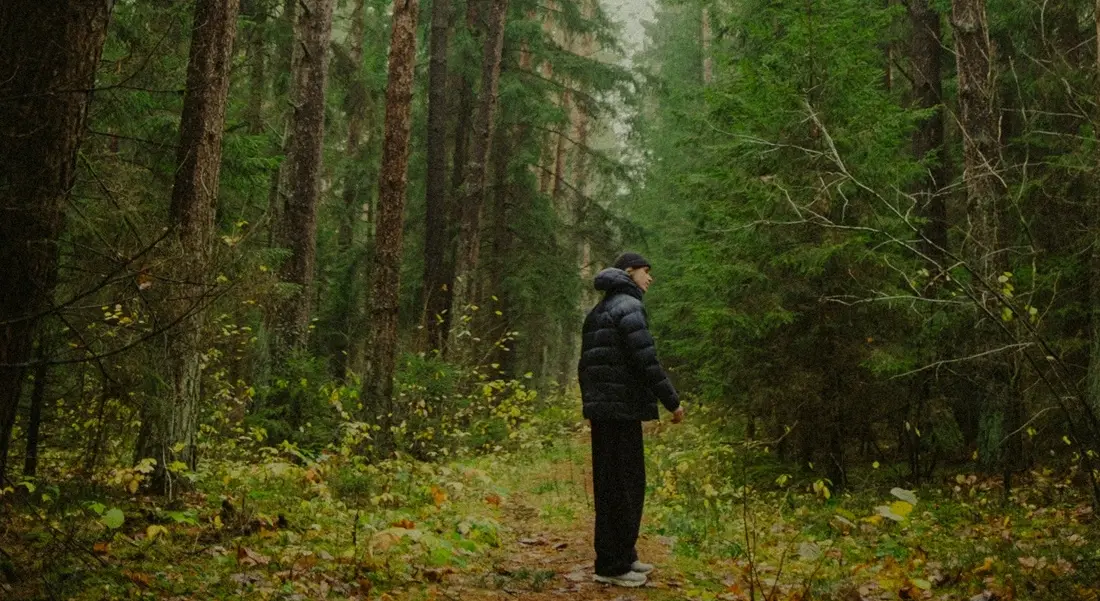
Silence of the Forest as Therapy
In a world that is constantly becoming faster, louder, and permanently connected, a simple experience is quietly gaining popularity across the globe - spending time in the forest. Not as hiking, not as a sport, but as a conscious act of slowing down. The Japanese even created a term for it: Shinrin-yoku, which literally means “forest bathing.”
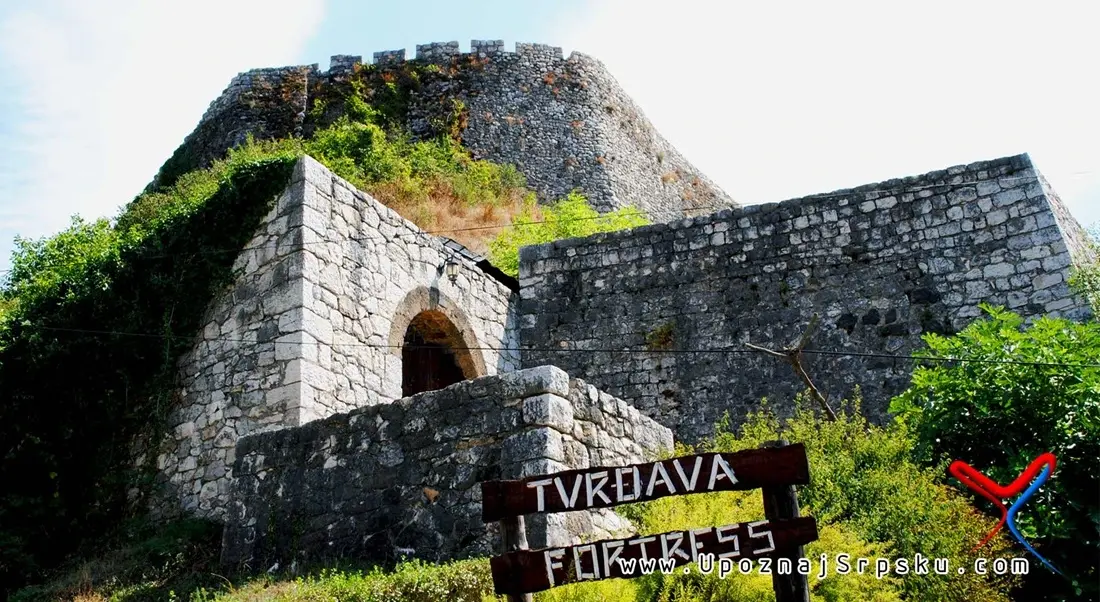
How a New Map of Travel Is Emerging in the Heart of the Balkans
In an era of low-cost flights and endless social media recommendations, travel has become more accessible than ever - yet, at the same time, increasingly predictable. Destinations are often familiar before arrival, restaurants are already rated, and experiences are surprisingly similar, regardless of the city or country.
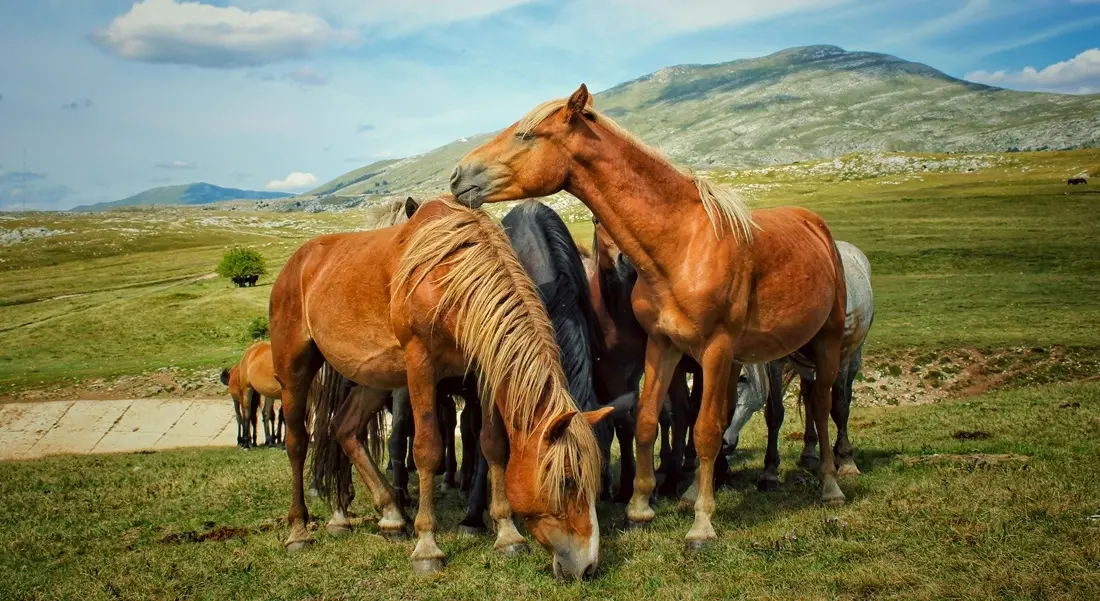
Wild Horses - A Symbol of Freedom on Cincar Mountain
Cincar Mountain near the town of Livno may be one of the very few places in the world, alongside Mongolia and Iceland, where you can still see wild horses living in complete freedom, worthy of admiration. That freedom gives a certain grandeur to their presence and an untamed energy to their gallop.
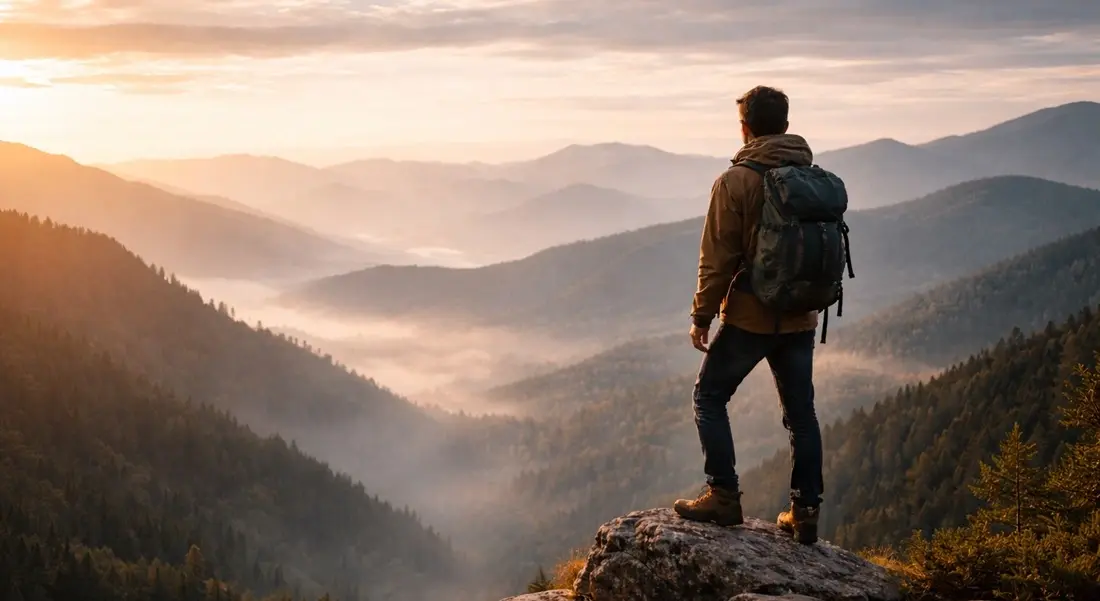
Why We Need a Little Risk
Not the kind that spikes your pulse and tests the limits of your endurance. Not the kind that requires a helmet, a rope, or the courage we’re not even sure we possess. We need the small, quiet kind of risk - the one that shifts everyday life by just a few inches. Because sometimes, all it takes is stepping off the familiar path.
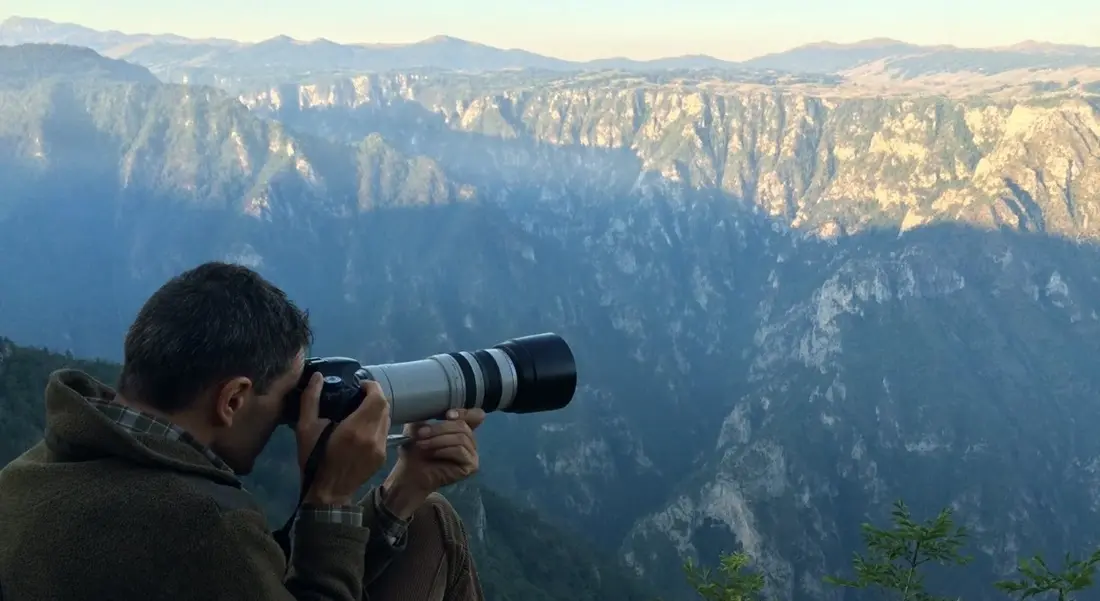
Željko Sekulić: Where the Conversation with Nature Begins
Modern humans have become increasingly alienated from nature. Having lost the primal connection to the natural world he once lived from and within, man has begun to take it for granted - and today, often no longer knows how to enjoy it. Wherever we go, we encounter waste, cut-down forests, dried riverbeds, and polluted rivers. Fortunately, there are people who fight this devastation of nature with all their strength and with all their hearts.
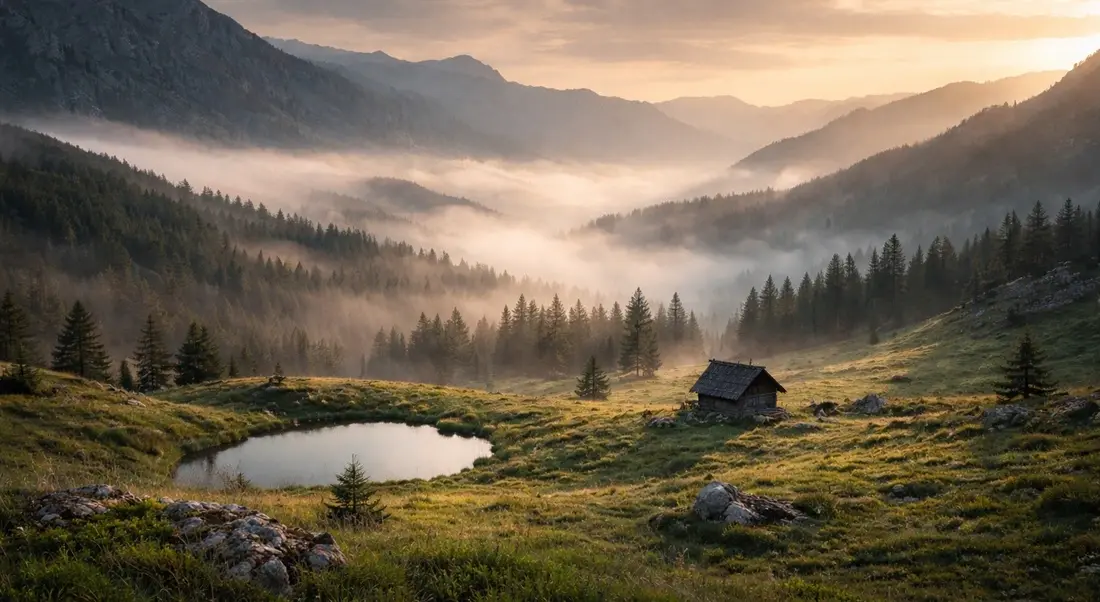
48 Hours Without Signal: Where You Can Still Disappear in Bosnia and Herzegovina
There are places where your phone doesn’t lose signal - it loses meaning. Not because there’s no network, but because you no longer need one. In Bosnia and Herzegovina, there are still areas where time moves more slowly, and a day lasts exactly as long as the light does.
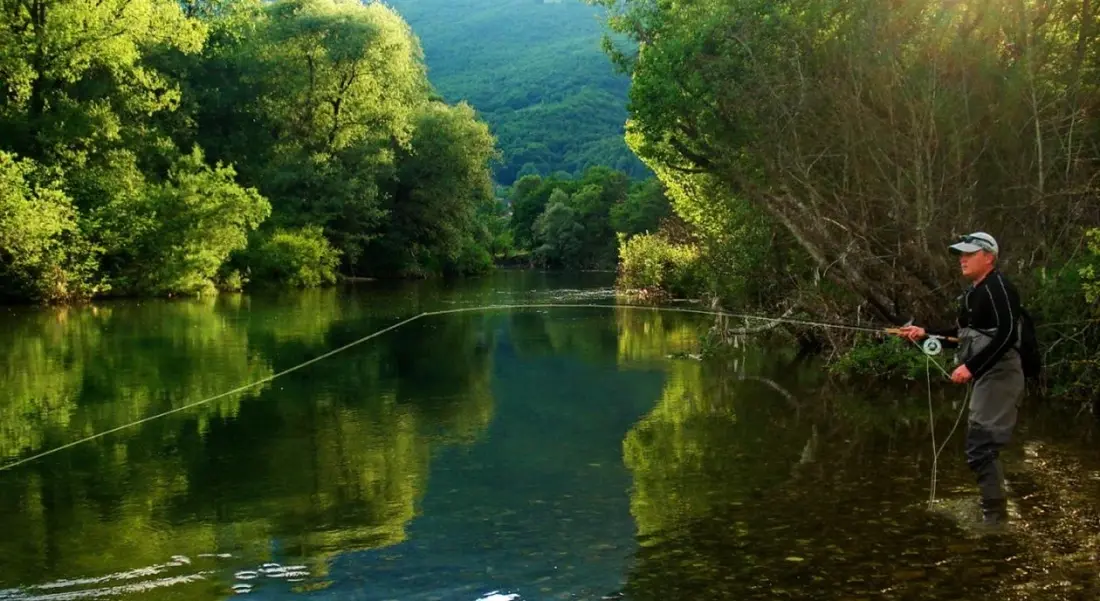
Hedonism on the Line: Fly Fishing as a Way of Life
Fly fishing is far more than a simple hobby. For those who truly devote themselves to it, it becomes a way of life - an inner rhythm and a form of personal hedonism measured not by luxury, but by silence, knowledge, and respect for the water.