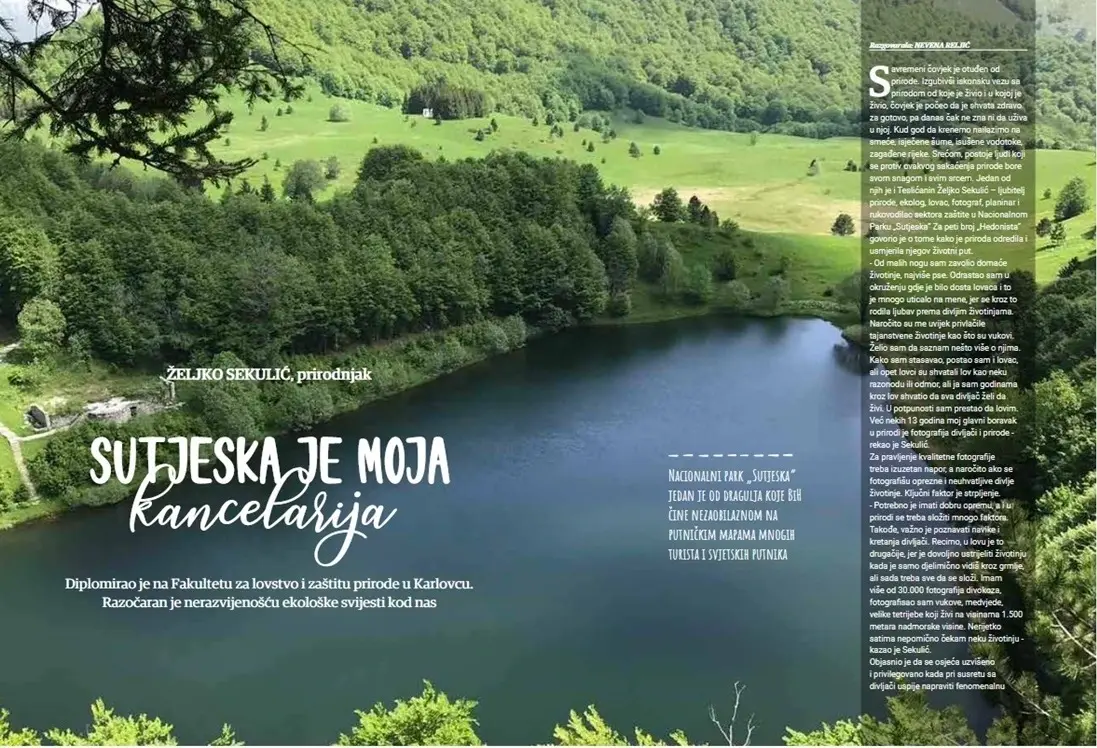
Željko Sekulić: Where the Conversation with Nature Begins
![[object Object]](https://api.hedonistmagazine.net/storage/images/2026/02/4245338a-4858-4c88-9d97-ce7dc4a5cb0f.webp)
Modern humans have become increasingly alienated from nature. Having lost the primal connection to the natural world he once lived from and within, man has begun to take it for granted - and today, often no longer knows how to enjoy it. Wherever we go, we encounter waste, cut-down forests, dried riverbeds, and polluted rivers. Fortunately, there are people who fight this devastation of nature with all their strength and with all their hearts.
One of them is Željko Sekulić from Teslić - a nature lover, environmentalist, hunter-turned-photographer, mountaineer, and Head of the Protection Sector at Sutjeska National Park. He spoke to HEDONIST about how nature shaped and directed his life path.
Editor’s Note: This text is part of the HEDONIST archive and was originally published in 2021, in the fifth issue of the magazine’s print edition.
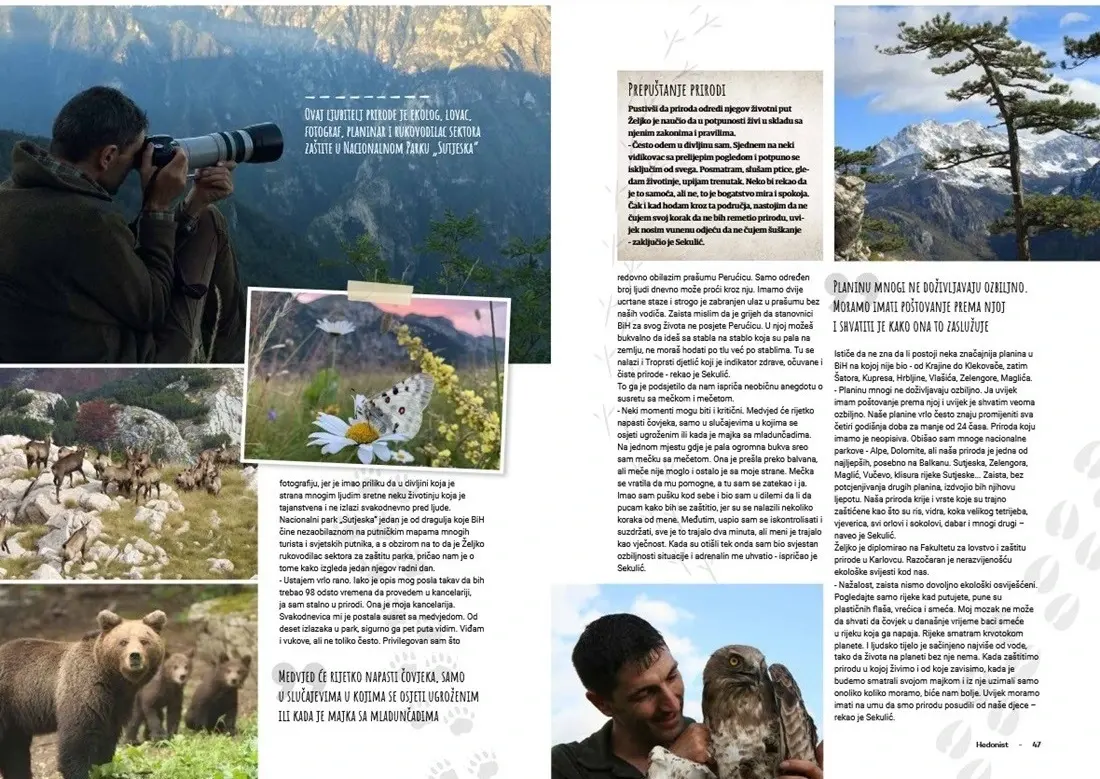
“From an early age, I loved domestic animals, especially dogs. I grew up in an environment with many hunters, which had a strong influence on me and gave rise to my love for wildlife. I was particularly drawn to mysterious animals like wolves - I wanted to learn more about them. As I grew older, I became a hunter myself. But many hunters saw hunting as leisure or rest, while over the years, I came to understand, through hunting, that all wildlife wants to live. I completely stopped hunting. For the past 13 years, my main presence in nature has been through wildlife and nature photography,” Sekulić says.
Creating a high-quality photograph requires exceptional effort, especially when photographing cautious and elusive wild animals. The key factor is patience.
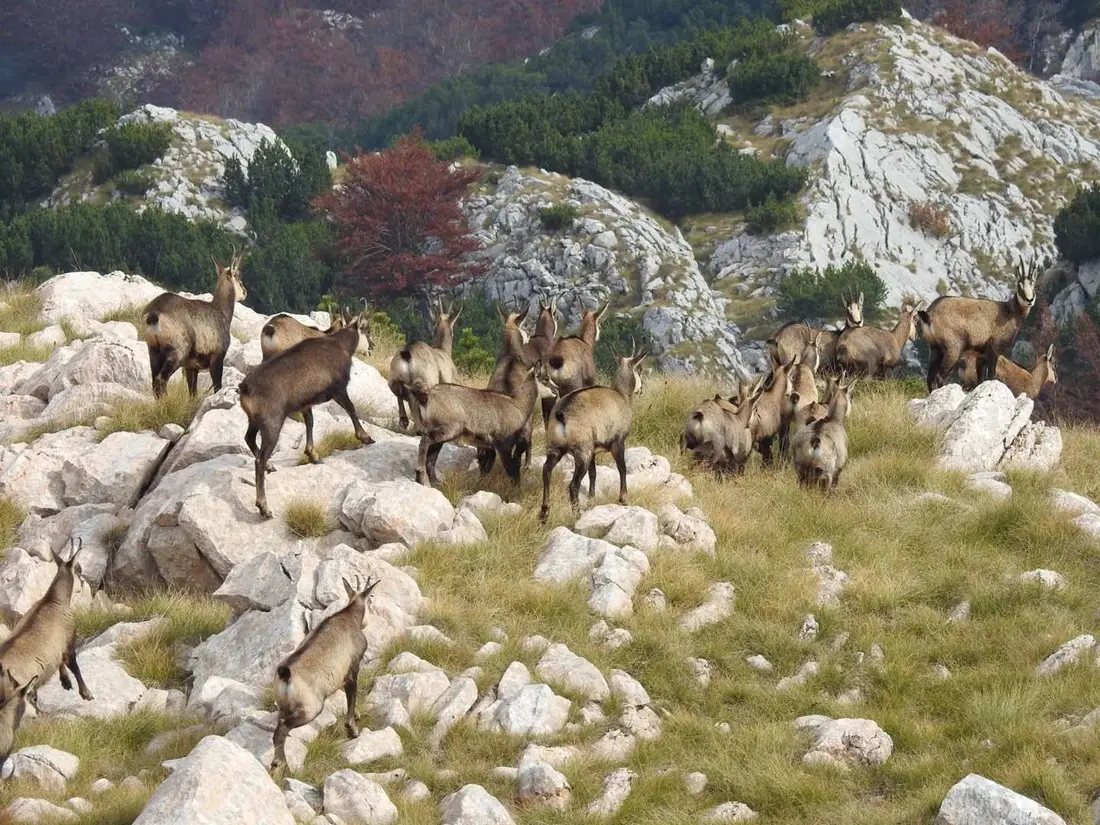
“You need good equipment, and many factors have to align in nature. It’s also important to know the habits and movement patterns of wildlife. In hunting, it’s different - you only need to shoot an animal when you partially see it through the bushes. Now, everything has to come together. I have more than 30,000 photographs of chamois. I’ve photographed wolves, bears, and western capercaillies that live at altitudes above 1,500 meters. Often, I stand completely still for hours, waiting for an animal,” Sekulić explains.
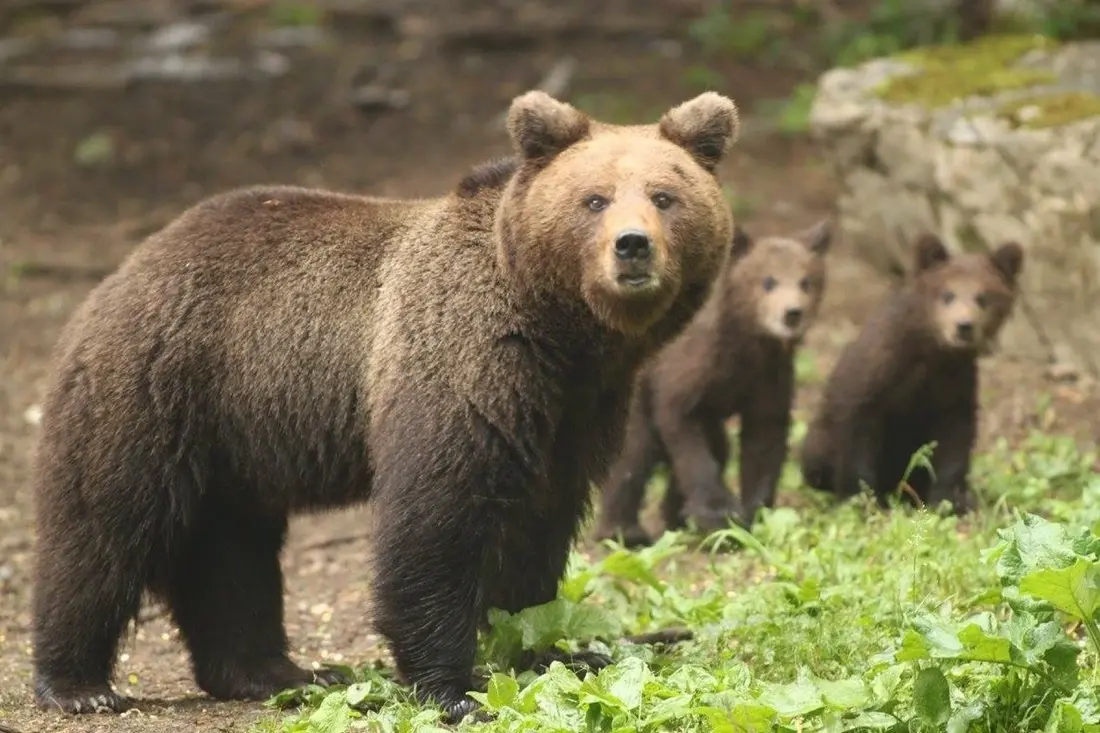
He says he feels elevated and privileged when he manages to capture an exceptional photograph during an encounter with wildlife, because he has had the opportunity to meet, in a wilderness unfamiliar to many people, an animal that is mysterious and rarely seen.
Sutjeska National Park is one of the jewels that make Bosnia and Herzegovina unavoidable on the travel maps of many tourists and world travelers. As the head of the park’s protection sector, Željko described what one of his working days looks like.
“I wake up very early. Although my job description suggests I should spend 98 percent of my time in an office, I am constantly in nature. It is my office. Encounters with bears have become part of my daily routine. Out of ten visits to the park, I see one at least five times. I also see wolves, though less often. I feel privileged to regularly visit the Perućica primeval forest. Only a limited number of people are allowed to enter it daily. There are two marked trails, and entering the forest without our guides is strictly forbidden. I truly believe it is a sin for the people of Bosnia and Herzegovina to go through life without visiting Perućica. There, you can literally walk from one fallen tree to another - you don’t have to walk on the ground, but on tree trunks. The three-toed woodpecker also lives there, an indicator of healthy, preserved, and clean nature,” our interlocutor says.
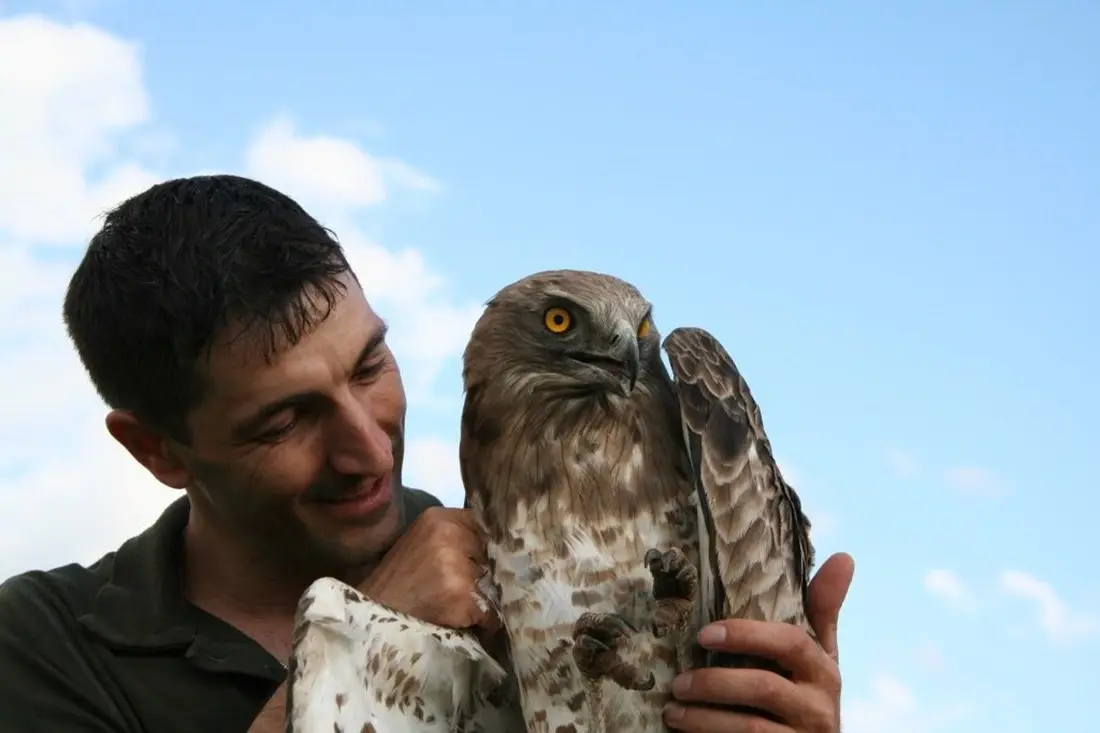
This reminded him of an unusual anecdote about an encounter with a mother bear and her cub.
“Some moments can be critical. A bear will rarely attack a human - only when it feels threatened or when a mother is with her cubs. At one spot where a massive beech tree had fallen, I encountered a mother bear with her cub. She crossed the log, but the cub couldn’t and stayed on my side. The mother came back to help it, and that’s when I found myself right there. I had a rifle with me and was torn about whether to fire in self-defense, as they were only a few steps away. But I managed to control myself and restrain that impulse. It all lasted about two minutes, but to me it felt like an eternity. Only after they left did I fully realize the seriousness of the situation and feel the rush of adrenaline,” Sekulić recalls.
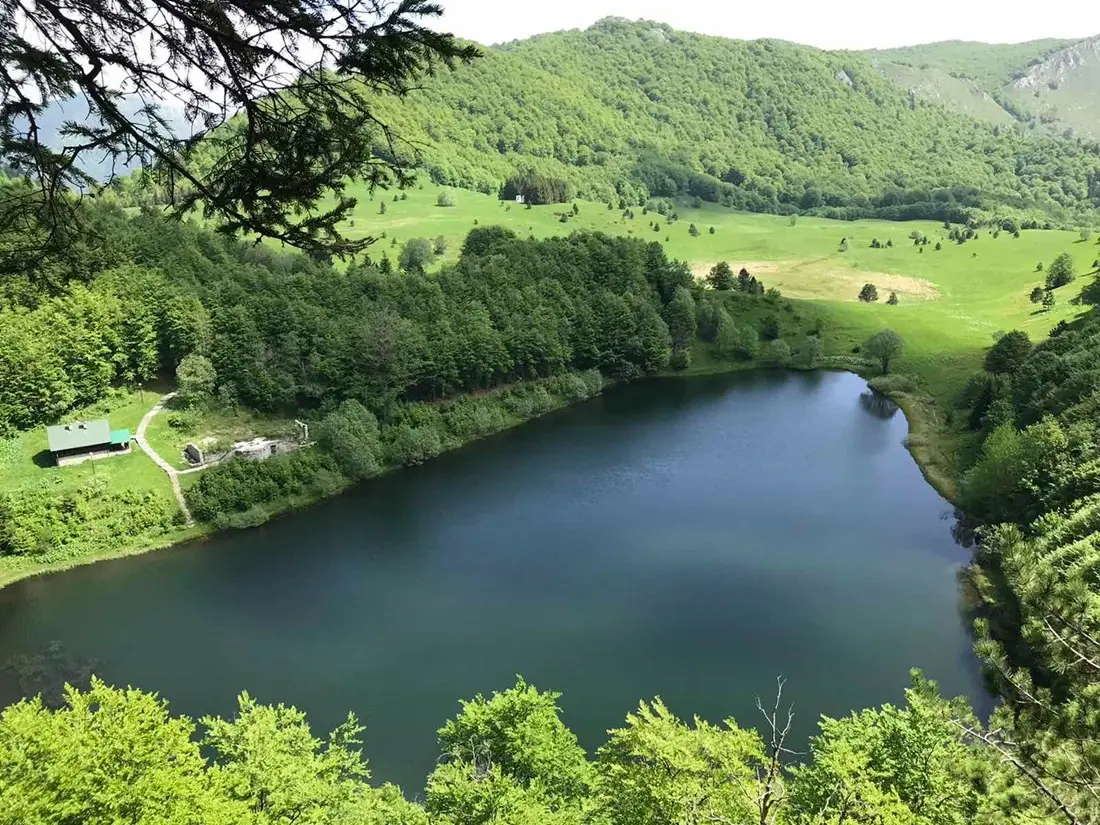
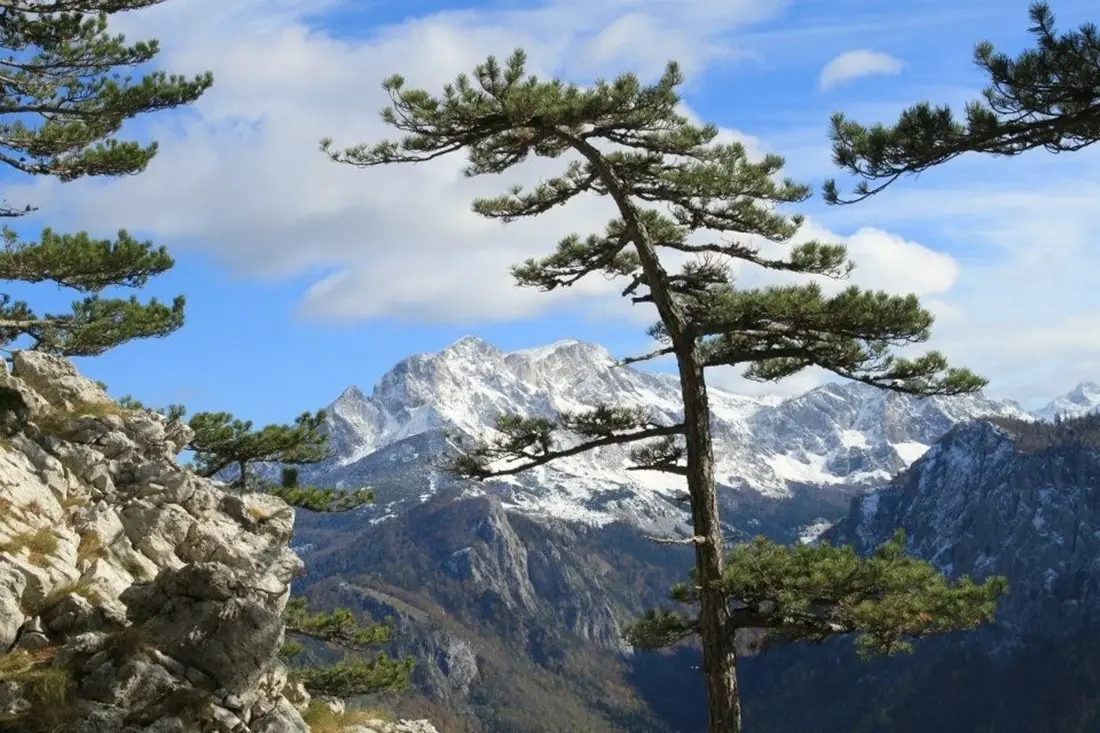
He emphasizes that he doesn’t know if there is a major mountain in Bosnia and Herzegovina he hasn’t visited - from Krajina to Klekovača, Šator, Kupres, Hrbljina, Vlašić, Zelengora, and Maglić.
“Many people don’t take mountains seriously. I always approach them with respect and take them very seriously. Our mountains can change all four seasons in less than 24 hours. The nature we have is indescribable. I’ve visited many national parks - the Alps, the Dolomites - but our nature is among the most beautiful, especially in the Balkans. Sutjeska, Zelengora, Maglić, Vučevo, the Sutjeska River canyon… Without diminishing other mountains, I would single out their beauty. Our nature also shelters permanently protected species such as the lynx, otter, capercaillie hen, squirrel, all eagles and falcons, beaver, and many others,” Sekulić notes.
I often stand still for hours, waiting for an animal.
Željko graduated from the Faculty of Hunting and Nature Protection in Karlovac. He is deeply disappointed by the lack of environmental awareness in our society.
“Unfortunately, we are not nearly environmentally conscious enough. Just look at rivers when you travel - they are full of plastic bottles, bags, and waste. My mind cannot comprehend that, in this day and age, a person throws garbage into a river that sustains them. I see rivers as the bloodstream of the planet. The human body itself is mostly made of water, and without it, life on Earth cannot exist. When we protect the nature we live in and depend on - when we treat it as our mother and take from it only what we truly need - life will be better. We must always keep in mind that we have borrowed nature from our children,” Sekulić says.
Surrendering to Nature
By allowing nature to shape his life path, Željko has learned to live fully in harmony with its laws and rhythms.
“I often go alone into the wilderness. I sit on a viewpoint with a beautiful view and completely disconnect from everything. I observe, listen to birds, watch animals, and absorb the moment. Some might call that solitude, but it’s not - it’s a wealth of peace and calm. Even when I walk through these areas, I try not to hear my own footsteps so as not to disturb nature. I always wear woolen clothing so I don’t hear any rustling,” Sekulić concludes.
- Written by: Nevena Reljić
- Originally published in HEDONIST magazine, Issue 05, 2021