Men’s Style

A Brief History of the Necktie: From Military Detail to Emblem of Style
Few garments have changed as much as the necktie while remaining so instantly recognizable. Four centuries after its first appearance, it still sits where it always has, between collar and lapel, though it no longer says what it said a hundred or three hundred years ago.

Why the White Shirt Is a Timeless Style Icon
The white shirt was never elegant because it was white. It was elegant because staying white was almost impossible - and a man who managed to keep it that way, day after day, was proving something worth far more than good taste: that someone else washed, starched, and pressed his linen for him, and that he himself never had to do work dirty enough to soil his collar.
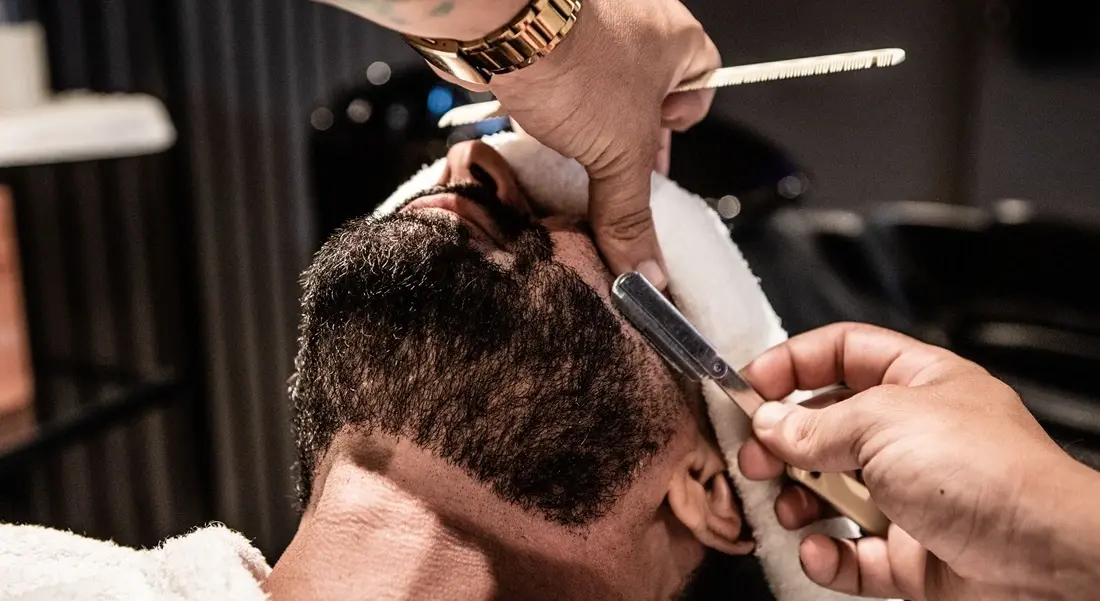
The Straight Razor: A Ritual That Outlived Us, Died, and Came Back
Outside almost every barbershop in the world, the same symbol still spins - a red-and-white spiral so familiar that almost no one looks at it twice. Few people know it was never decoration. It was an advertisement, and for something far less pleasant than a haircut.
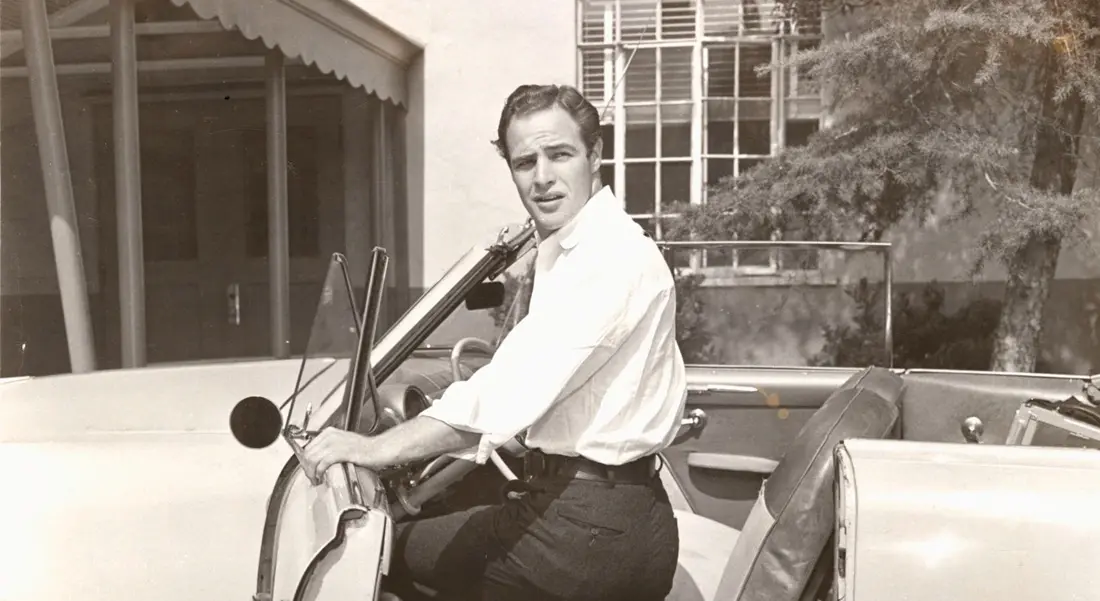
Seven Men Who Changed the Way Men Dress
The camera moves in. Cary Grant steps out of the car, buttons his jacket in a single motion, and walks into frame as though the suit were a second skin rather than something he'd put on that morning. The audience doesn't register it as style. They simply register it as him. That, in the end, is the difference between a man who wears fashion and a man who becomes it, without ever seeming to try.