

Why the White Shirt Is a Timeless Style Icon
![[object Object]](https://api.hedonistmagazine.net/storage/images/2026/09/d179c146-a6d2-4ca9-b174-2eb5152c4d33.webp)
The white shirt was never elegant because it was white. It was elegant because staying white was almost impossible - and a man who managed to keep it that way, day after day, was proving something worth far more than good taste: that someone else washed, starched, and pressed his linen for him, and that he himself never had to do work dirty enough to soil his collar.
Centuries before the white shirt became shorthand for timeless elegance, it was something blunter - an advertisement for leisure, woven into cloth.
The man who turned that hidden mechanism into a deliberate fashion philosophy was George Bryan Brummell, better known as Beau Brummell, the unofficial dictator of taste in early nineteenth-century London high society. While earlier generations of the aristocracy wore embroidered waistcoats, powdered wigs, and loud colours as proof of wealth, Brummell flipped the logic: true elegance, he argued, lay in flawless cleanliness and perfect cut, not ornament.
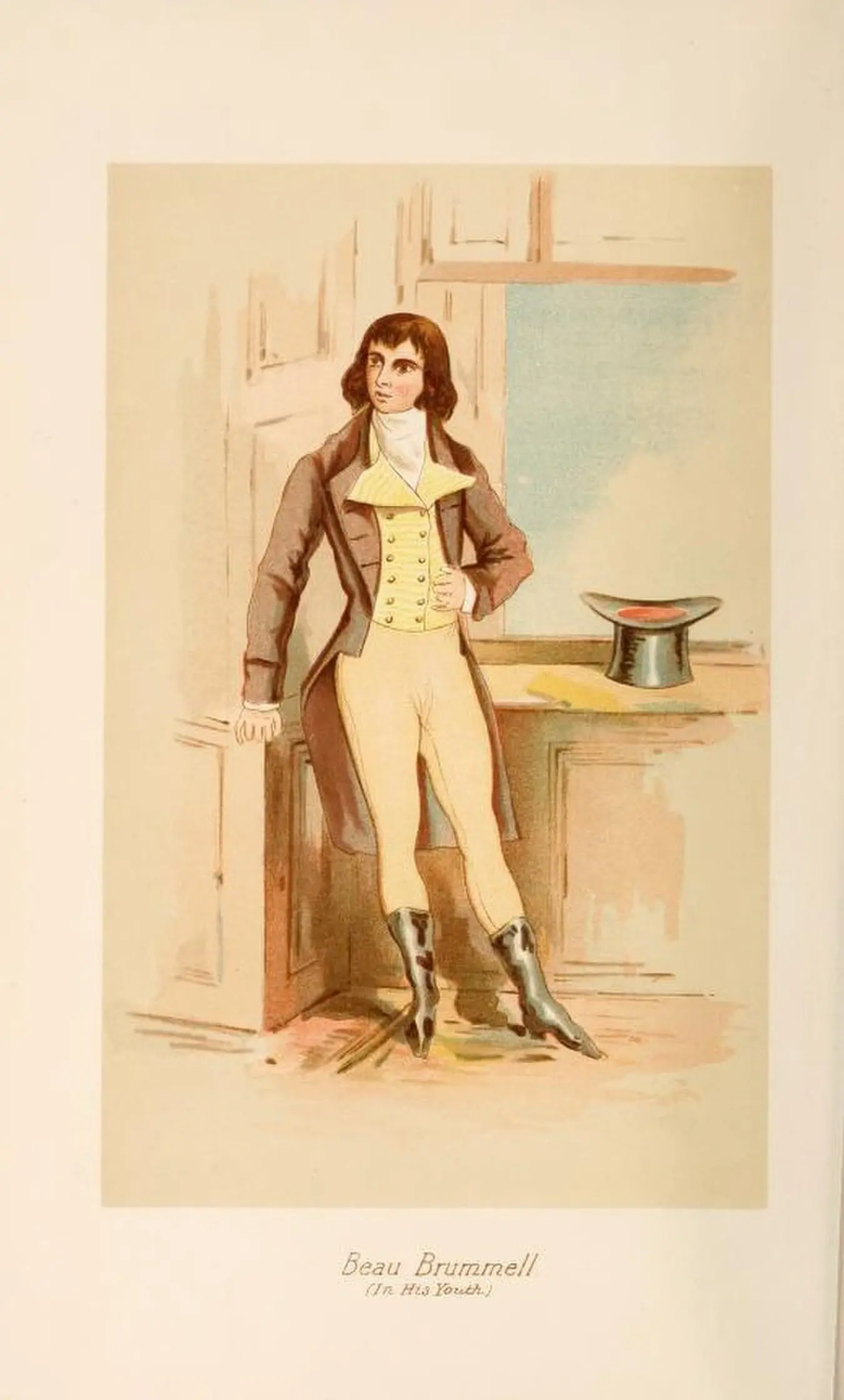
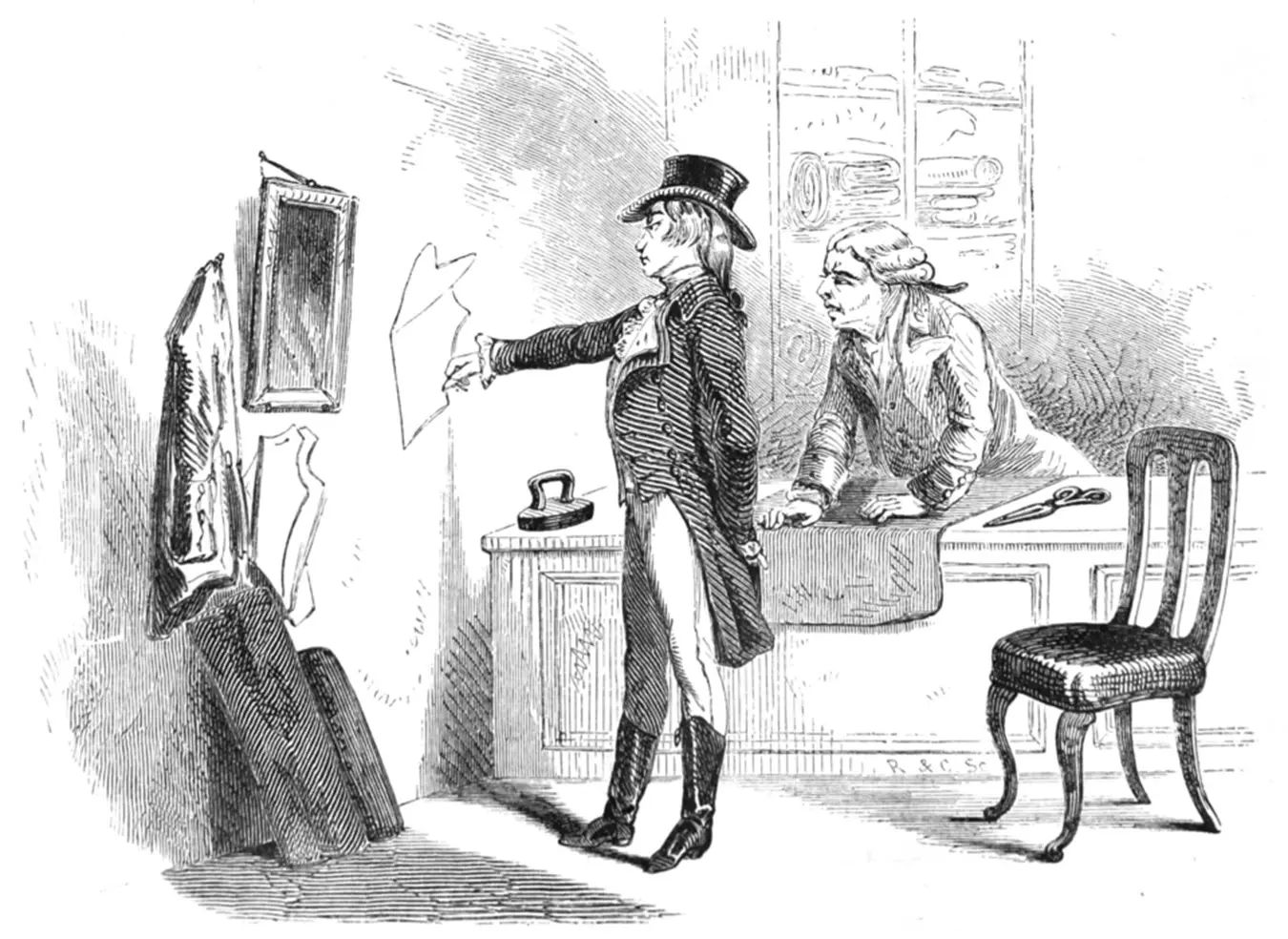
His daily uniform - a dark coat, slim trousers, and linen and cravat so relentlessly white they looked almost unnatural - took hours of preparation and an entire team to make it look as though it had come together without effort. Legend has it he polished his boots with champagne. When the Duke of Bedford once showed him a new coat looking for approval, Brummell looked him up and down and asked, with icy politeness, "Bedford, do you call that a coat?" Tailors on Savile Row all but competed to dress him, since his approval of a single garment was worth more than any advertisement.
Brummell's white shirt, however, was still a shirt someone else had to hand-wash for days on end to keep that relentlessly crisp. The fix that finally took the dirty side of that story out of the equation came, quite unexpectedly, from a housewife in provincial America. Hannah Montague, the wife of a blacksmith in Troy, New York, grew tired in 1827 of washing her husband Orlando's entire shirt every time only the collar got dirty. Her solution was simple to the point of genius: she cut the collar off and reattached it so it could be removed and washed separately from the rest of the shirt. The idea spread so fast that within a few decades Troy was producing ninety percent of all detachable collars in America, earning itself the nickname "Collar City."
That very detachable, starched white collar is where an entire social class got its name. Office workers who could afford a fresh, blindingly white collar every morning became known as "white-collar" workers - distinguished, quite literally by the colour of the fabric at their throat, from labourers who wore darker, tougher materials built to hide the dirt of physical work. The term "white-collar worker," still in use today for office jobs, isn't a metaphor. It's a fossil of a real, physical distinction that used to be visible from ten paces away.
By the middle of the twentieth century, the white shirt underwent a twist its creators could never have imagined. When Marlon Brando, in 1951's A Streetcar Named Desire, took off his jacket and stood in nothing but a white undershirt worn as outerwear rather than underwear, the white fabric that had spent centuries signalling membership in the elite suddenly started meaning something close to the opposite - raw, physical working-class masculinity. White, it seems, always came back to the same basic message - this body, this man, is confident enough to wear something that would show any stain immediately - only the audience that message was addressed to had completely changed.
Today, when someone puts on a flawlessly white shirt for a meeting or a dinner, the message they're sending is nearly identical to the one from the nineteenth century, just democratised. White fabric still shows the smallest stain, the tiniest coffee drop, the slightest mistake - and still demands more care in washing and ironing than any other colour in the closet. The difference is that today a laundry service, not a servant, and a washing machine, not a housewife with scissors, handle that invisible upkeep for us. What hasn't changed is the basic logic that makes the white shirt eternal: the more effortless and clean it looks, the more work had to go into making it look that way - and it's exactly that quiet, almost invisible exchange between ease and effort that still convinces us, two hundred years after Brummell, that we're looking at someone who knows exactly what they're doing.