
Ferruccio Lamborghini: The Farmer Who Decided to Build a Better Ferrari
![[object Object]](https://api.hedonistmagazine.net/storage/images/2026/09/1be25172-fd95-4c77-971e-ba709db26f0a.webp)
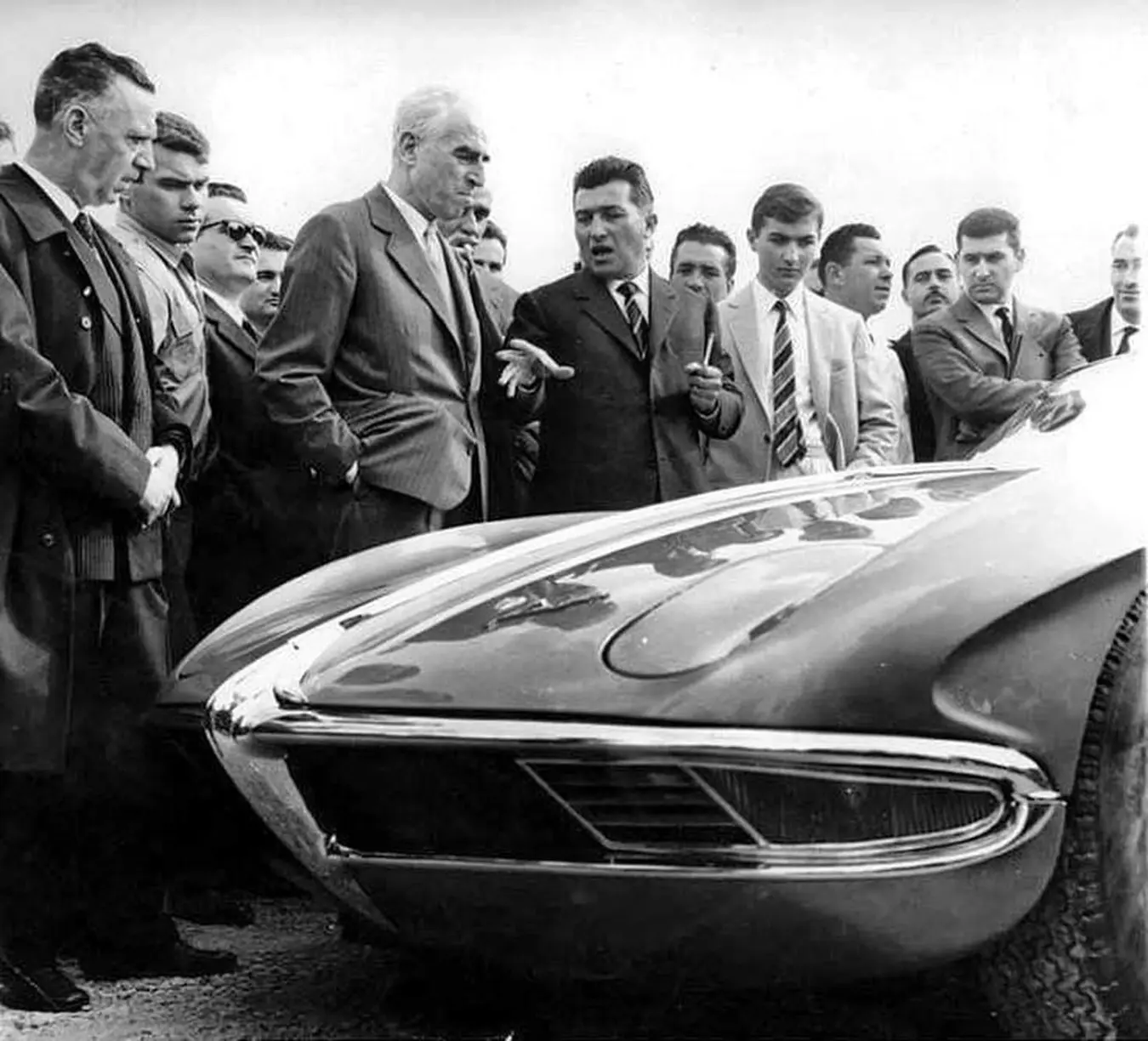
The year is 1963. A successful Italian industrialist and tractor factory owner drives up to Maranello in his Ferrari 250 GT and knocks on Enzo Ferrari's door. He hasn't come to buy a new car. He's come to complain - the clutch on his expensive sports car keeps failing, and as a man who has spent his whole life building tractors, he even has a concrete suggestion for how to fix it.
Enzo Ferrari, as famous for his temper as for his genius, won't even hear the suggestion out. According to the version Ferruccio himself told for decades afterwards, just six years before his death, Ferrari's reply was insultingly brief: "Lamborghini, you may know how to drive a tractor, but you'll never know how to handle a Ferrari properly."
That sentence, or some version of it - Ferruccio's longtime test driver Valentino Balboni remembers a somewhat differently worded insult, and isn't even certain the meeting took place in Ferrari's office rather than at some car show - became the founding myth of one of the most famous car companies in the world. The truth is probably somewhere between legend and biography: a man already unhappy with the quality of a car he'd paid a small fortune for was simply waiting for the right trigger to turn that frustration into a decision. But whatever the exact wording, the effect was the same. Less than four months later, at the Turin Motor Show, Lamborghini unveiled his first sports car.
From the Farm to the Front, From the Front to the Tractor
To understand just how unusual that decision really was, you have to go back much further, to 1916, when Ferruccio was born in the village of Renazzo, into a family of grape growers. While his parents expected him to carry on the family tradition in the vineyards, the boy was never interested in the land itself - he was interested in the machinery that worked it. He left primary school to enroll in a technical institute in Bologna, and in 1940 was drafted into the Italian Royal Air Force as a mechanic, serving on the island of Rhodes and, according to some sources, spending time as a prisoner of British forces after Italy's surrender.
When he returned home after the war, he found the Emilia-Romagna region devastated by the conflict, and farmers left without a single machine to work their land. Instead of tractors, he had something perhaps even more valuable: warehouses full of abandoned military equipment. Out of parts from British Morris trucks and other wartime leftovers, he assembled his first tractor and unveiled it at a village festival in 1948. He took more than ten orders that same day. His father, believing in his son's venture, put up the family farm as collateral to secure a loan and get serious production underway.
The factory, Lamborghini Trattori, quickly became one of the most successful in Italy, turning out sturdy, recognizable machines that were good enough for Ferruccio - entirely in character - to promote through public tractor-pulling contests against rival models. By the early 1960s, the factory employed nearly four hundred workers and was turning out as many as twenty-five tractors a day. In parallel, Ferruccio launched a company making heaters and air-conditioning units, spotting the growing demand for comfort in postwar Italy. By the time he knocked on Ferrari's door, he was long past being a poor farmer - he was one of the wealthiest men in Italy, someone who could afford to buy sports cars purely for pleasure.
The Bull That Became a Symbol of Revenge
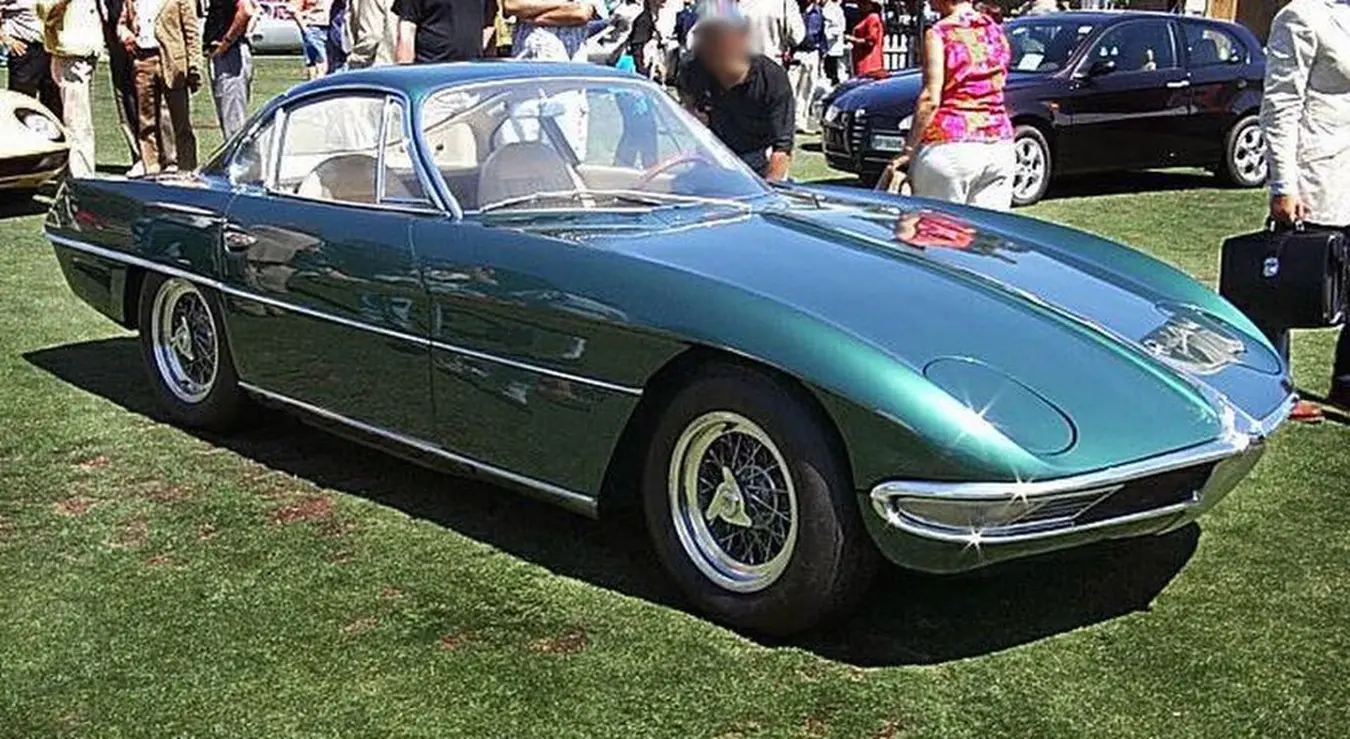
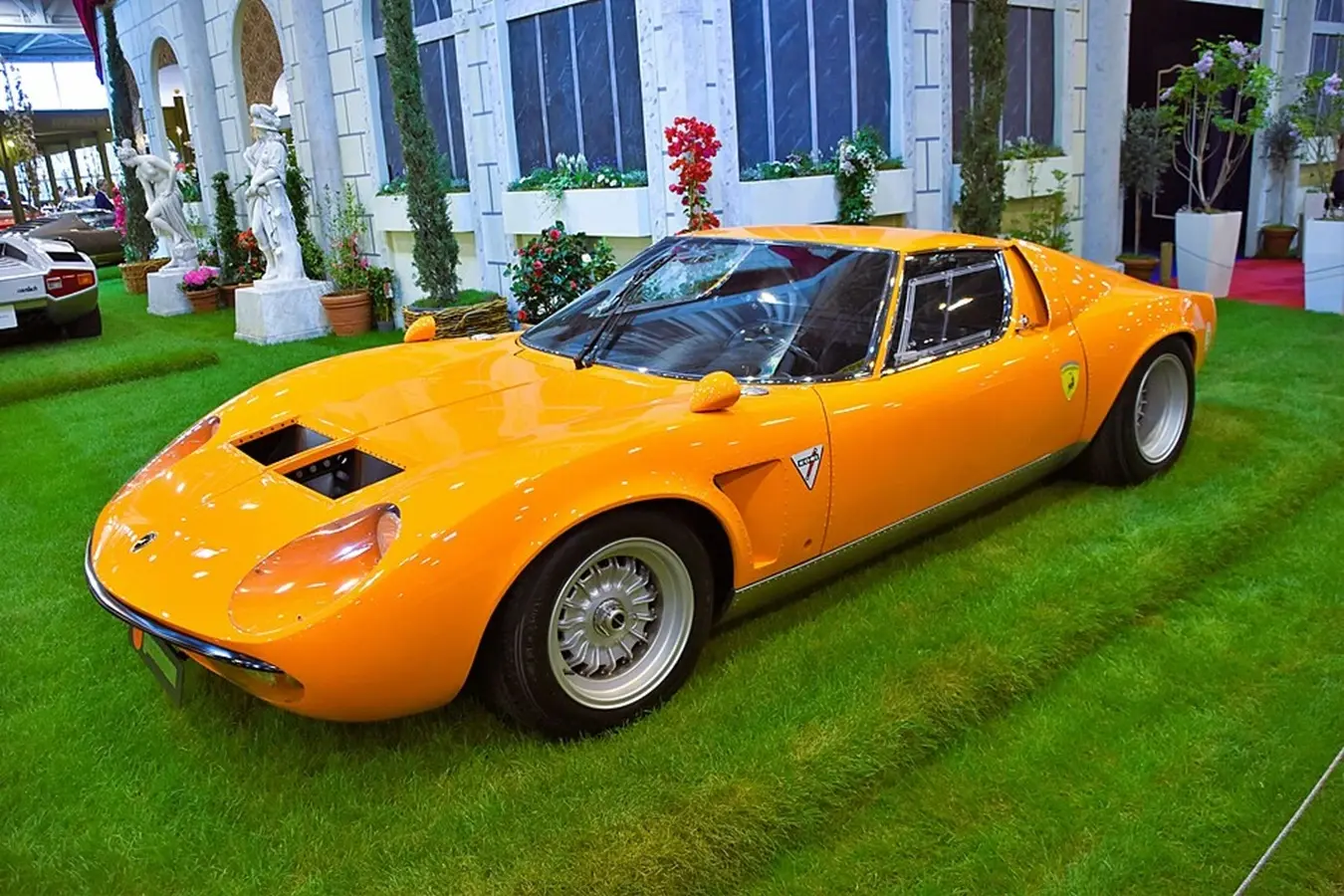
The first Lamborghini, the 350 GTV, was unveiled as early as October 1963, and by the end of the following year thirteen units of the production 350 GT had been sold. But the real moment the company rewrote the rules came in 1966, at the Geneva Motor Show, with a model that would forever change what people expected from a sports car: the Miura, the first production car with its engine mounted amidships, behind the driver rather than in front - an architecture that until then had been reserved strictly for racing cars.
The name Miura wasn't chosen by accident. A year earlier, during a trip to Spain, Ferruccio had visited the famous Miura ranch near Seville, where the world's most aggressive and prized fighting bulls are bred. Struck by their strength and pride, he decided the bull itself should become the company's emblem - a symbol that, quite fittingly, also matched his own zodiac sign, Taurus, having been born in late April 1916. From then on, almost every model the company built carried a name drawn from the world of bullfighting: the Islero, named for the bull that killed the famed matador Manolete in 1947; the Espada, Spanish for swordsman; the Urraco, named after yet another celebrated breed of fighting bull.
A Legacy Bigger Than One Insult
Ferruccio ran the company until the oil crisis of the 1970s, when a drop in car sales left many luxury manufacturers fighting for survival. He sold his stake in the firm in 1974 and retired to the family estate, where he took up, somewhat fittingly, growing grapevines - returning, at least in part, to the very thing his family had done before he decided to build something entirely different. He died in 1993, at seventy-six years of age.
Today it's almost impossible to verify whether the conversation in Maranello really happened exactly as Lamborghini described it in his own memoirs, or whether it was polished over time into a version that simply makes for a better founding myth. But whatever the exact wording of the insult, the heart of the story hasn't changed: a man who knew how to build a rugged machine for ploughing fields, insulted by a man who didn't think farm mechanics and sports cars had anything in common, went on to build a company that decades later remains Ferrari's one true rival in glamour, speed, and status. The irony is complete: the factory built to prove Ferrari wrong sits today, like Ferrari itself, in the very same region of Italy, barely twenty kilometres from Maranello - two rivals sharing the same sky, the same soil, and the same obsession with building something faster than whatever the neighbour just made.