film industry
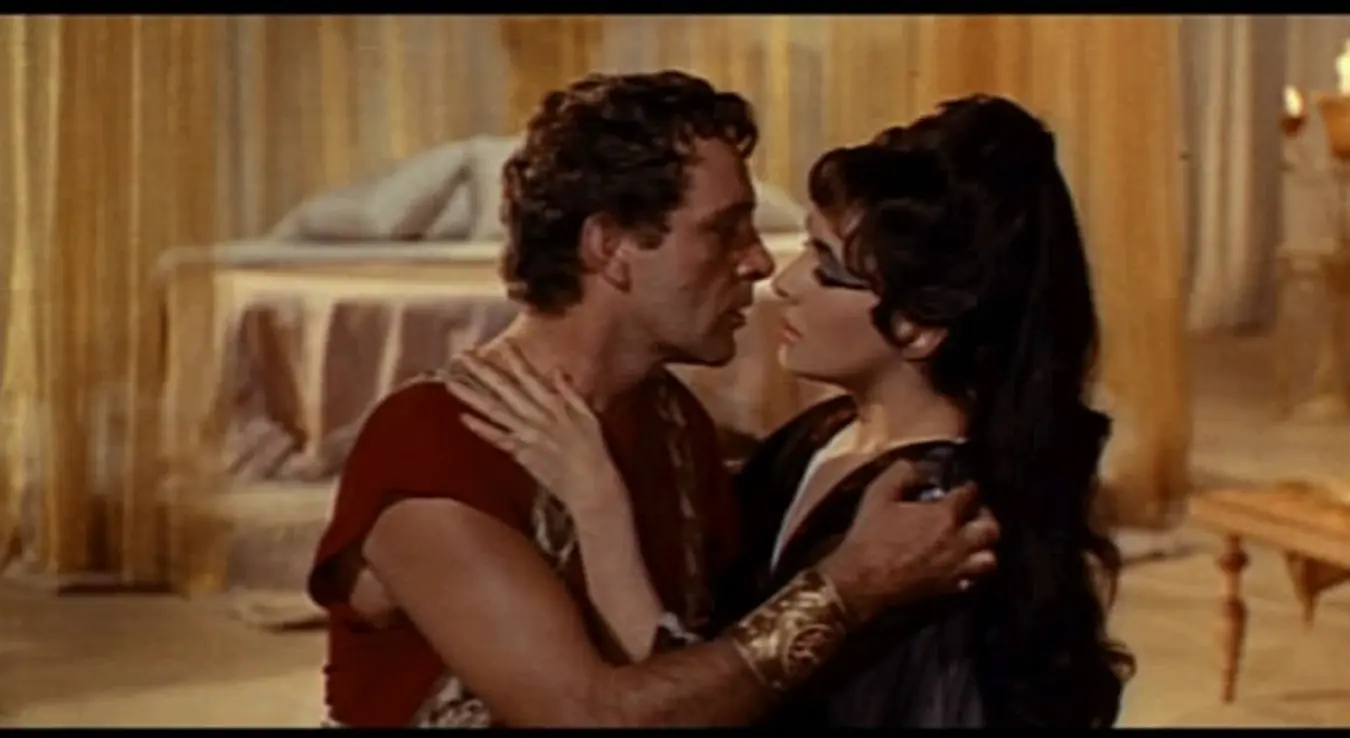
The Film That Nearly Destroyed Hollywood: How Cleopatra Became the Most Expensive Flop in Film History
When Elizabeth Taylor descended a staircase in 1963 playing the Egyptian queen, she was wearing a dress woven from twenty-four-karat gold - just one of sixty-five costumes made for her alone, part of a wardrobe that eventually totaled twenty-six thousand pieces across the entire production.
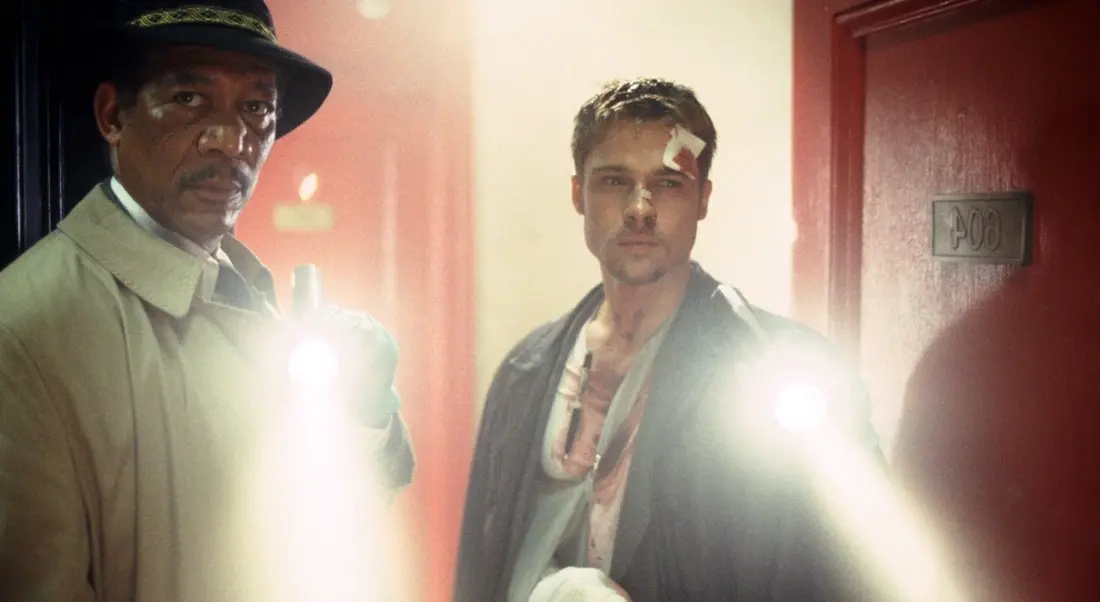
Se7en: The Masterpiece Nobody Planned to Make
The rain in this film doesn't fall because someone decided it would look atmospheric. It falls in nearly every outdoor scene, hour after hour, day after day, while a city that never gets a name rots in front of the camera like meat left out in the sun.
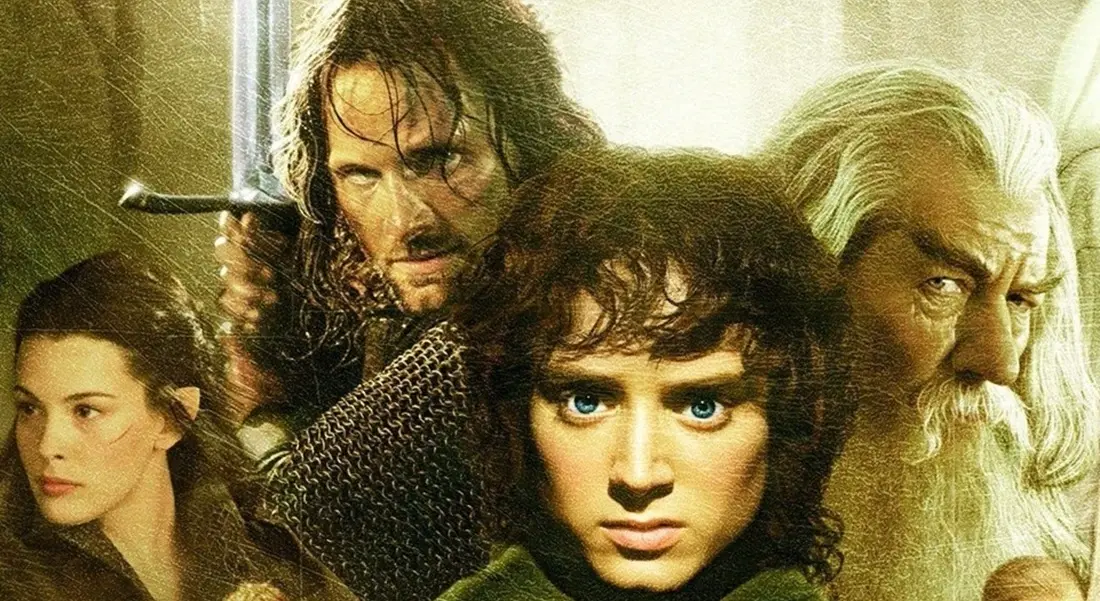
How Film Tastes Changed Through the Decades (3): From Disney to Superheroes
In the first two instalments of this series, we traced the journey from the gangsters of the Great Depression, through Hitchcock’s thrillers and the rebellion of the 1960s, to the moment when Spielberg and Lucas discovered that a film could become an event larger than the story itself - and Hollywood in the 1980s turned that idea into an industrial model.

"You Have to Let Everyone Shine": Lars von Trier's Cinematographer Shares the Secrets of the Craft with Filmmakers
Being a cinematographer, says Manuel Alberto Claro, is less a question of personal talent than one of balance. "You can be brilliant, but if you don't let your collaborators shine, the project will be bad," the Chilean-Danish artist told a packed room in Herceg Novi on the second day of the Montenegro Film Rendezvous. "This is, above all, about balancing different energies."
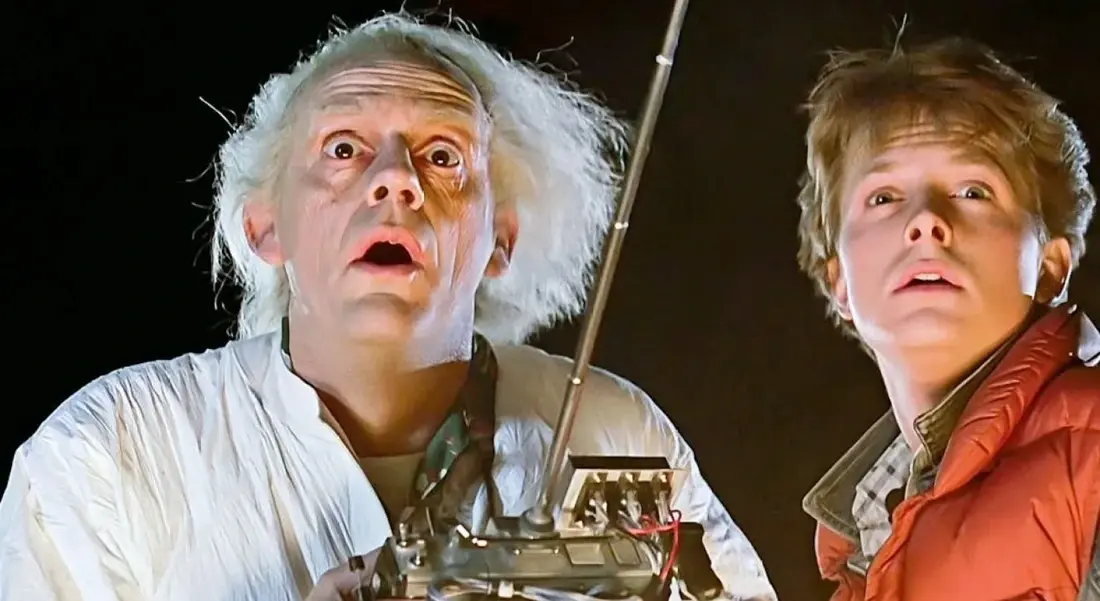
How Film Taste Has Changed Through the Decades (Part 2): From Rebellion to the Blockbuster
In the first part of this series, we traced Hollywood's path from the gangsters of the Great Depression, through the noir of the postwar years, to Hitchcock's psychological games with audiences in the 1950s - watching an entertainment system take shape into something we'd still recognize today. But that system, however stable it looked, already carried the seed of its own upheaval.
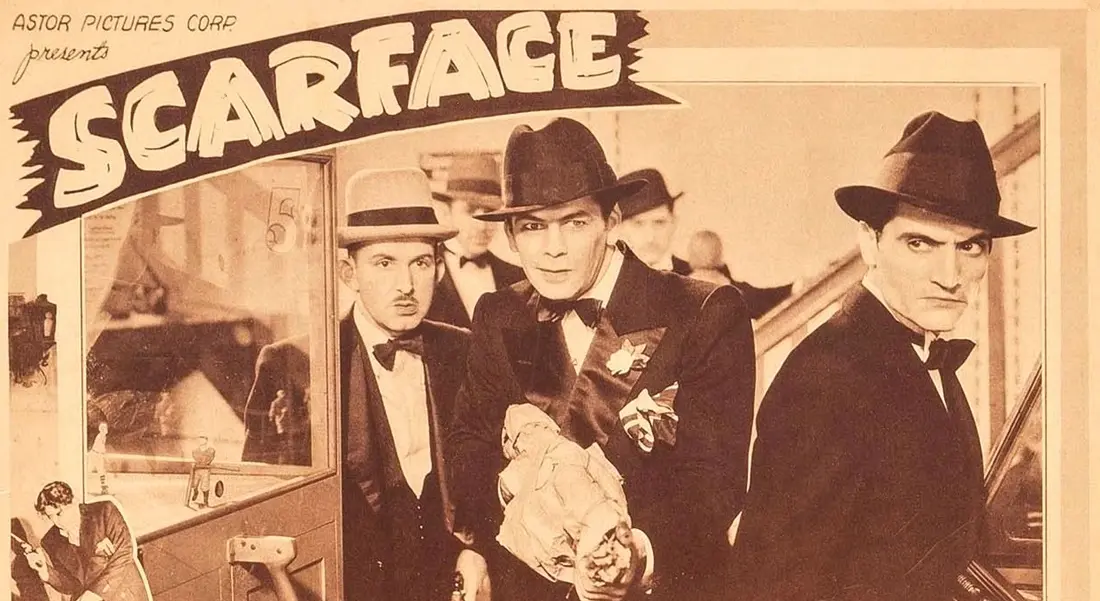
How Film Taste Has Changed Through the Decades (Part 1): From Gangsters to Hitchcock
Movies change alongside their audience. Look back at the history of popular film from the 1930s to today, and it becomes clear that genres don't rise and fall by accident. In times of crisis, audiences look for escape. In uncertain periods, they turn to darker stories. In eras of technological upheaval, they want spectacle. And whenever the way people watch films changes, what the film industry produces changes along with it.
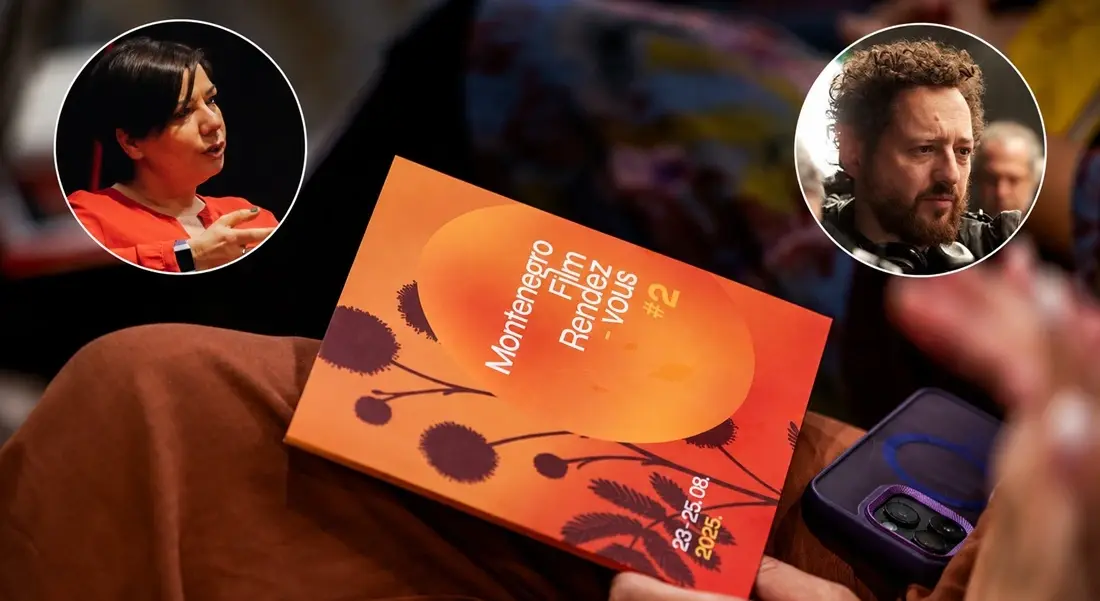
Oscar-Winning Sound Editor Nina Hartstone and Cinematographer Manuel Alberto Claro Head to Herceg Novi
The third edition of Montenegro Film Rendezvous, an industry programme organised by the Film Centre of Montenegro, will bring acclaimed filmmakers, producers and representatives of leading European film institutions, funds and professional networks to Herceg Novi from 22 to 28 August.

Herceg Novi Becomes a European Meeting Point for Cinema This Summer
What began as a three-day industry gathering has grown into a seven-day programme in just three editions - a change that says something about the growing international interest in Montenegro's film industry.

How Biljana Čekić Became Popular on Both Sides of the Atlantic at the Age of 13
At just thirteen years old, she became famous almost overnight on both sides of the Atlantic. With deep emotions written across her face and a steel determination to save her younger brother, she guided audiences through the horrors of an infamous concentration camp. Long before the public had the opportunity to watch Dara of Jasenovac, the controversy and debate surrounding the film had already made headlines in political and artistic circles.
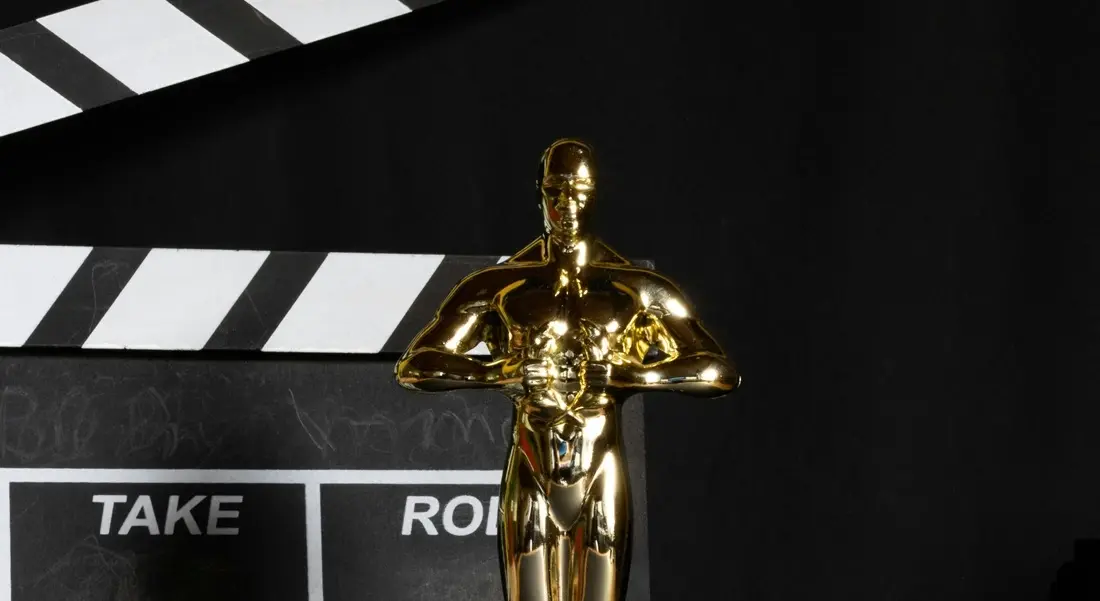
How Is an Oscar Won?
When choosing which film to watch, many people instinctively turn to movies that have won an Oscar. The assumption is simple: if a film has received the most prestigious award in cinema, it must be among the best and most artistically accomplished. But is that always the case? How does a film actually end up on the list of Oscar nominees? What qualities must it possess, and what requirements must it meet?