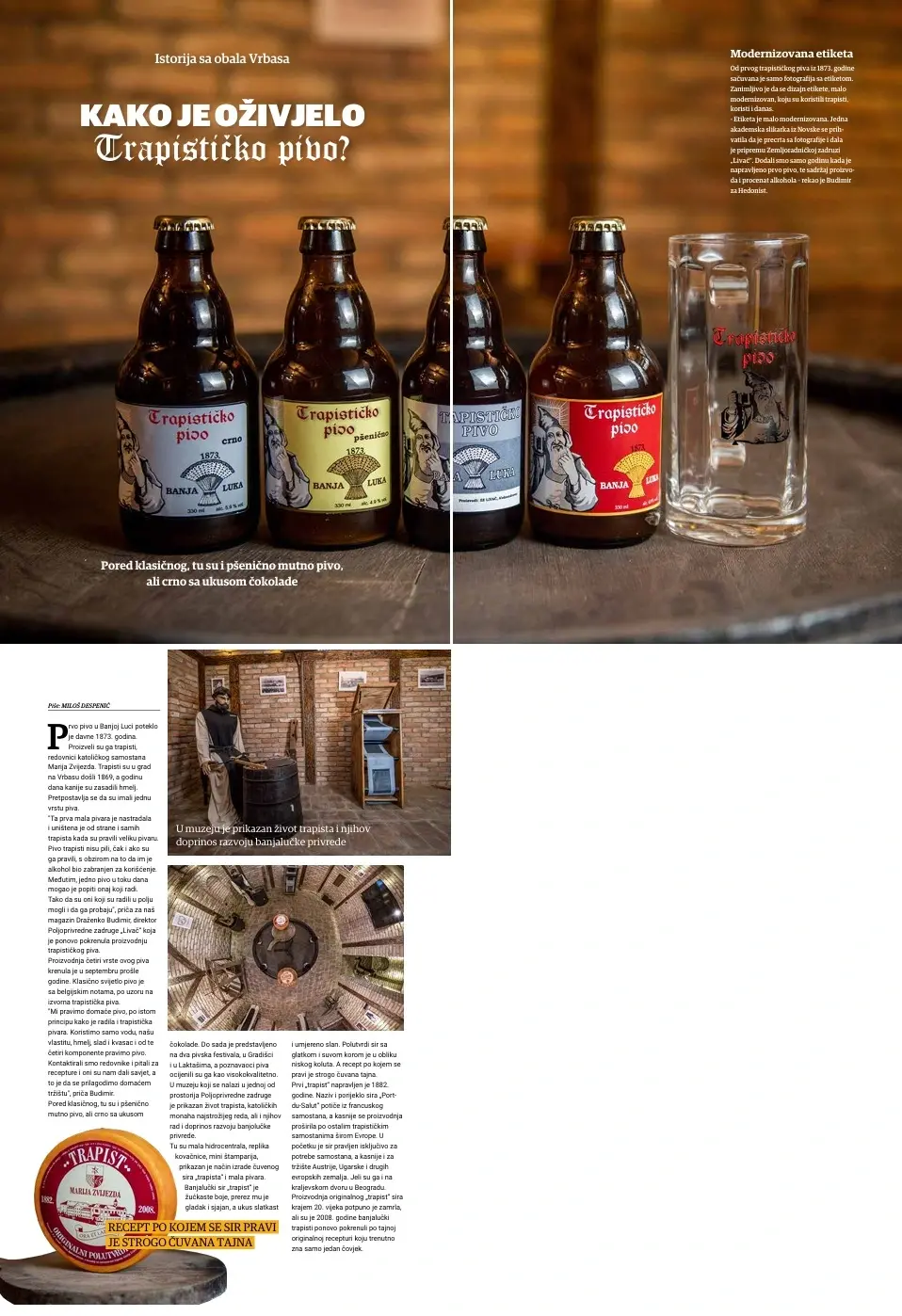
How Trappist Beer Was Brought Back to Life

The first beer in Banja Luka was brewed way back in 1873. The Trappists, monks of the Catholic monastery of Marija Zvijezda, brewed it. The Trappists arrived in the city on the Vrbas River in 1869, and a year later planted hops. It is believed that they produced just one variety of beer.
“The original small brewery was eventually dismantled and destroyed by the Trappists themselves when they built a much larger brewery. The monks did not drink beer, even though they made it, because alcohol was forbidden under their rules. However, those who worked were allowed one beer a day. So the people working in the fields were permitted to have a taste,” explains Draženko Budimir, director of the Livač Agricultural Cooperative, which has revived the production of Trappist beer.
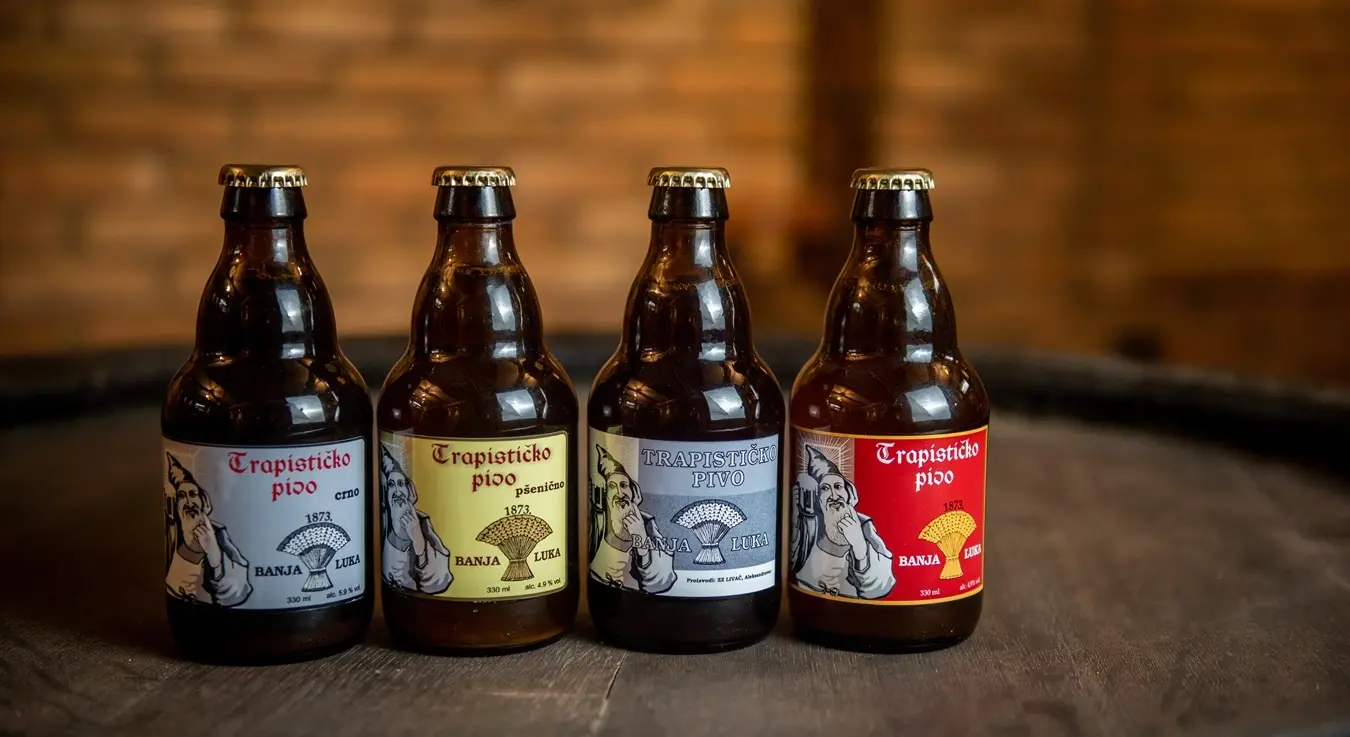
Production of four varieties of the beer began in September 2020. The classic pale beer features Belgian-inspired notes, following the tradition of original Trappist beers.
“We make a local beer, following the same principles used by the original Trappist brewery. We use only four ingredients: water from our own source, hops, malt, and yeast. These four components are all we need to make our beer. We contacted the monks and asked them about their recipes. They offered us one piece of advice: to adapt our product to the domestic market,” Budimir says.
Alongside the classic variety, the range includes a cloudy wheat beer and a dark beer with chocolate notes. The beer has so far been presented at two beer festivals, in Gradiška and Laktaši, where beer enthusiasts have praised its high quality.
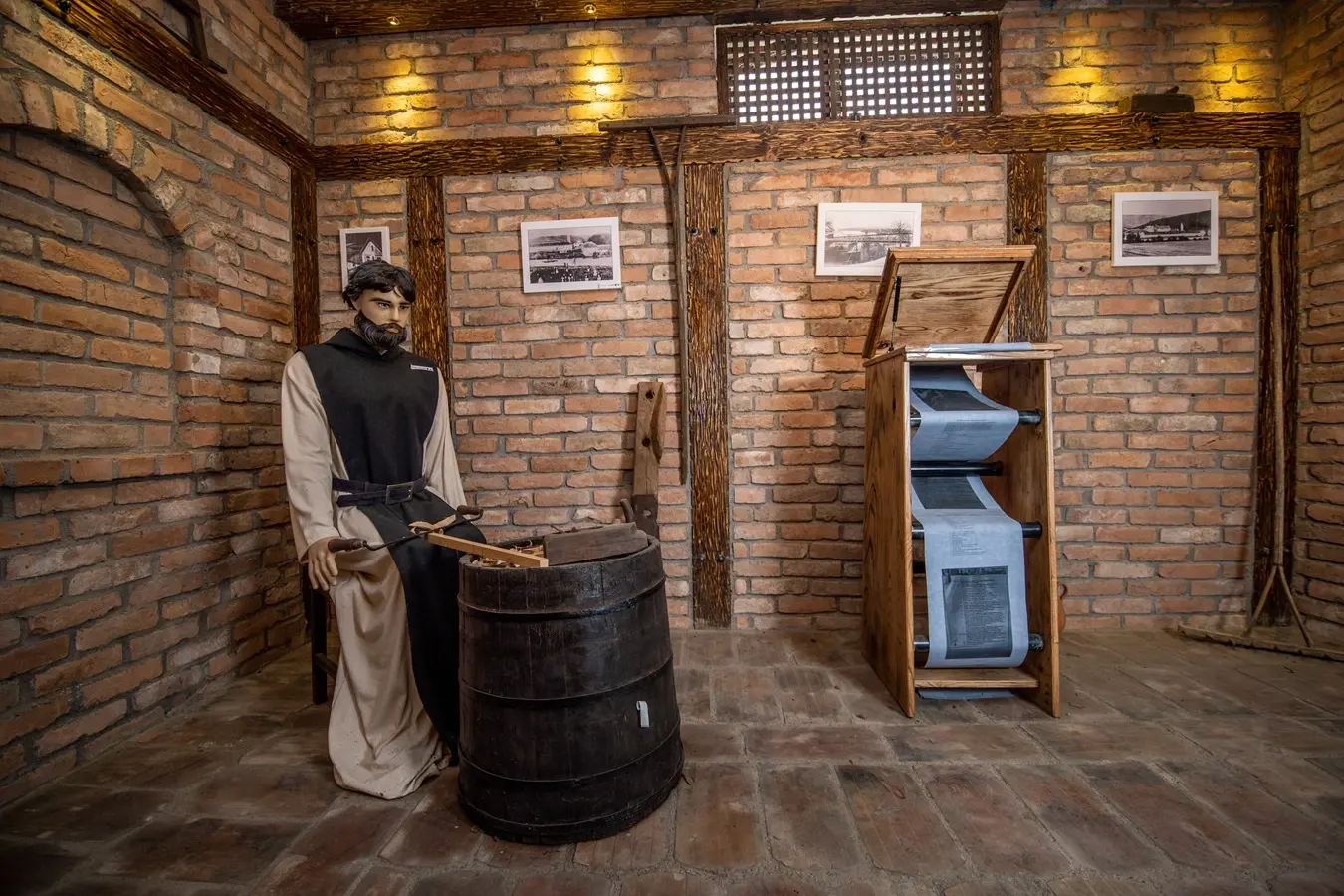
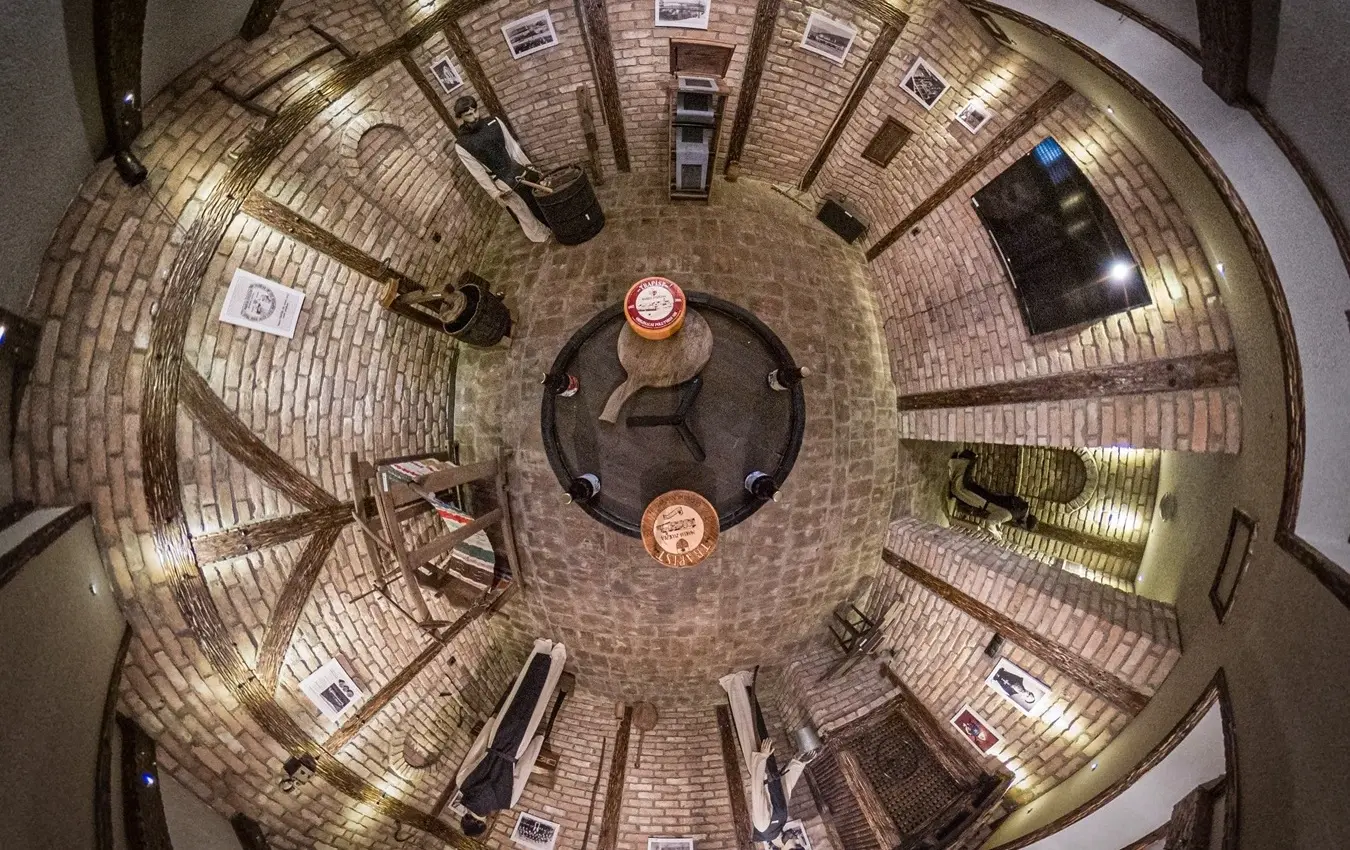
A museum housed in one of the buildings of the Agricultural Cooperative offers a glimpse into the lives of the Trappists, members of one of the strictest Catholic monastic orders, as well as their work and contribution to the development of Banja Luka's economy.
Exhibits include a small hydroelectric power plant, a replica blacksmith's workshop, a miniature printing press, displays explaining how the famous Trappist cheese was made, and a small brewery.
Banja Luka's Trappist cheese is yellowish in colour, with a smooth, glossy cut surface and a mildly sweet, moderately salty taste. This semi-hard cheese has a smooth, dry rind and is shaped like a low wheel. The recipe used to make it remains a closely guarded secret.
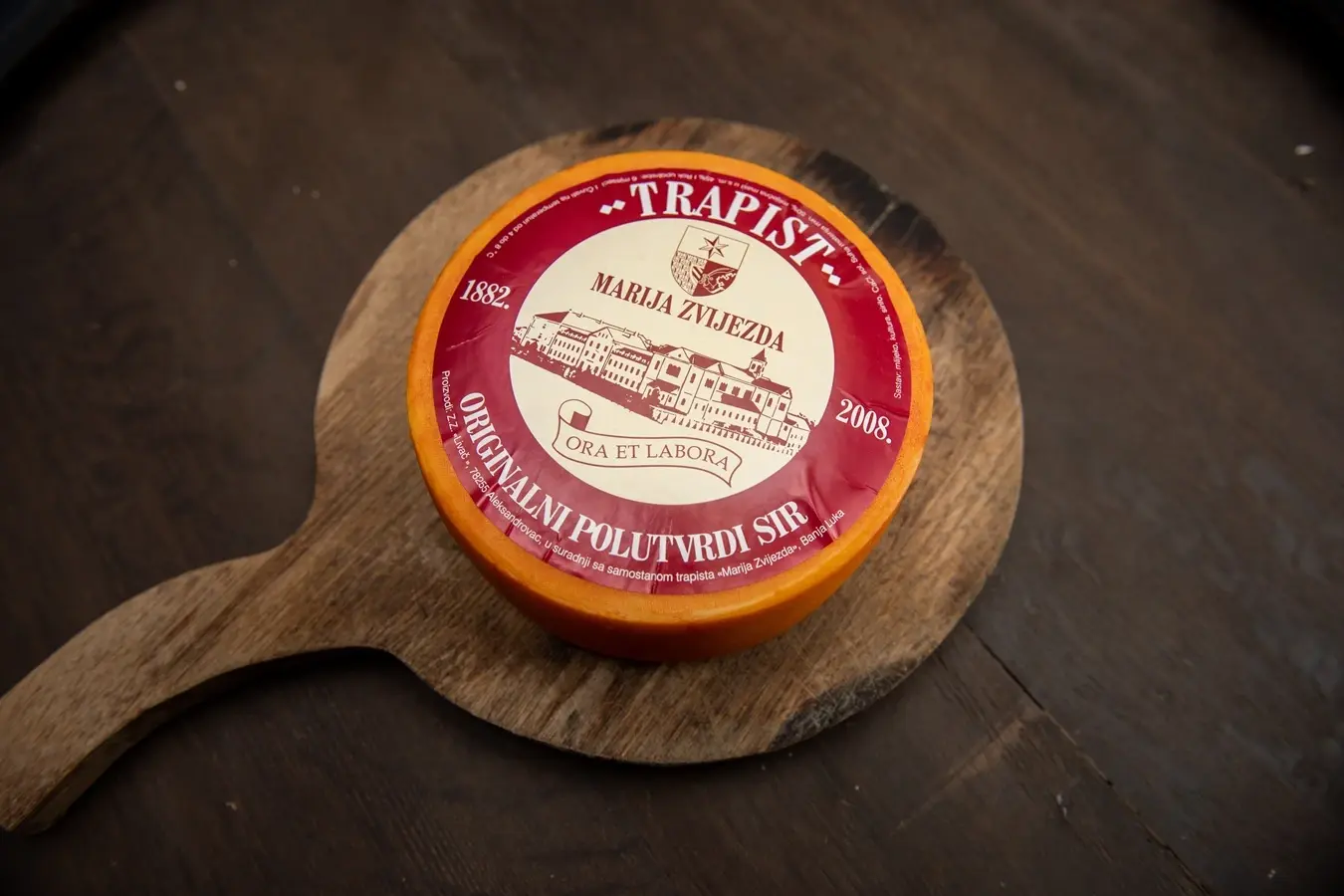
The first Trappist cheese was made in 1882. The name and origins of Port-du-Salut cheese can be traced to a French monastery, after which its production spread to other Trappist monasteries throughout Europe. Initially, the cheese was made exclusively for the monastery's own needs, but production later expanded to supply markets in Austria, Hungary, and other European countries. It was even served at the royal court in Belgrade.
Production of the original Trappist cheese had completely died out by the end of the 20th century. In 2008, however, the Banja Luka Trappists revived it using the original secret recipe, which is currently known to just one person.
All that remains of the first Trappist beer, brewed in 1873, is a photograph of its original label. Interestingly, a slightly modernised version of the label used by the Trappists is still in use today.
“The label has been modernised slightly. An academic painter from Novska took on the task of recreating it from the photograph and provided the finished artwork to the Livač Agricultural Cooperative. We only added the year the first beer was brewed, along with the product details and alcohol content,” Budimir told HEDONIST magazine.
- Text by: Miloš Despenić / HEDONIST
- Photography: Vladimir Tadić
- Originally published in HEDONIST magazine, Issue 04, 2021.