Five Things That Make the Difference Between a Good and a Great Barbecue

![[object Object]](https://api.hedonistmagazine.net/storage/images/2026/06/fa5802ba-8dda-4de3-8189-ef350522ab97.webp)
Barbecue is one of those dishes that almost everyone believes they know how to prepare. And indeed, grilling meat over fire is not particularly difficult. However, the difference between an average barbecue and an exceptional one often lies in the details that many people overlook.
Interestingly, neither the most expensive meat nor the most modern grill is a guarantee of success. What matters far more are the quality of the ingredients, the preparation process, and a few simple principles that true grill masters have followed for years.
Here are five factors that have the greatest impact on the final flavor.
1. It All Starts with Quality Meat
Even the best grill cannot save poor-quality meat.
That is why serious barbecue enthusiasts spend far more time choosing their meat than actually grilling it. Fresh meat, properly stored and with the right amount of fat, will always produce a better result than the most expensive marinades or spice blends.
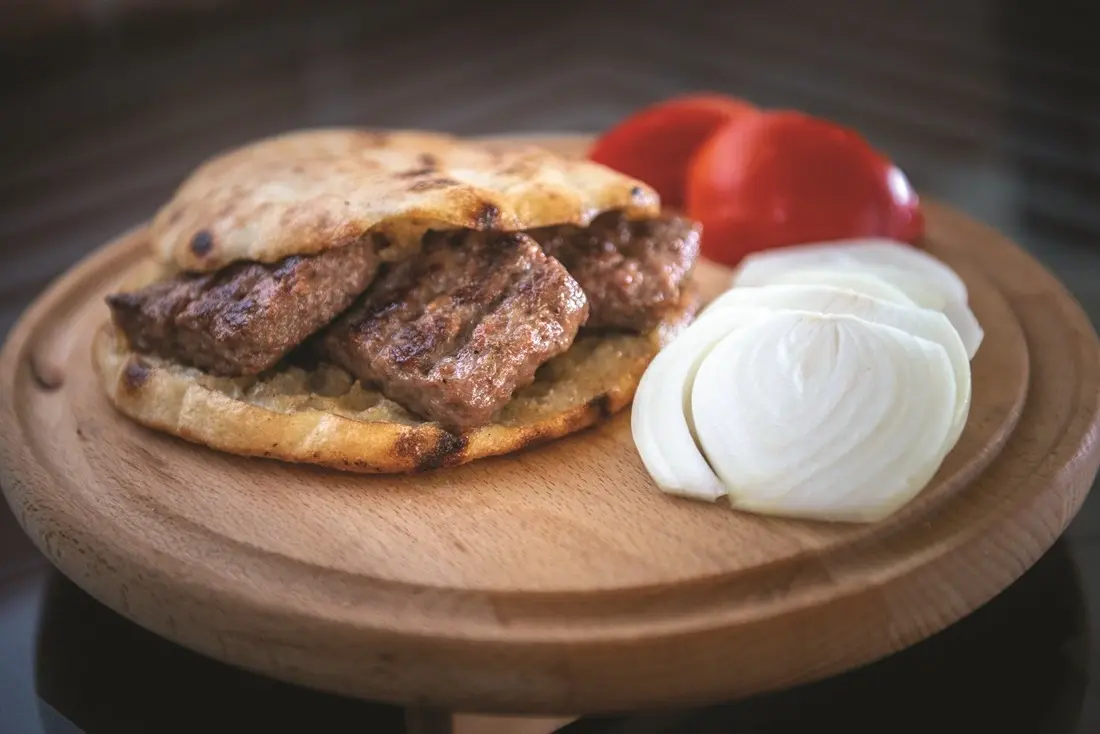
For ćevapi and burger patties, the ratio of meat to fat is crucial, while for steaks, marbling deserves special attention. Those fine streaks of fat melt during cooking, creating juiciness and depth of flavor.
If your starting ingredient is of high quality, half the job is already done.
2. Embers Matter More Than Flames
One of the most common mistakes is grilling meat over an open flame.
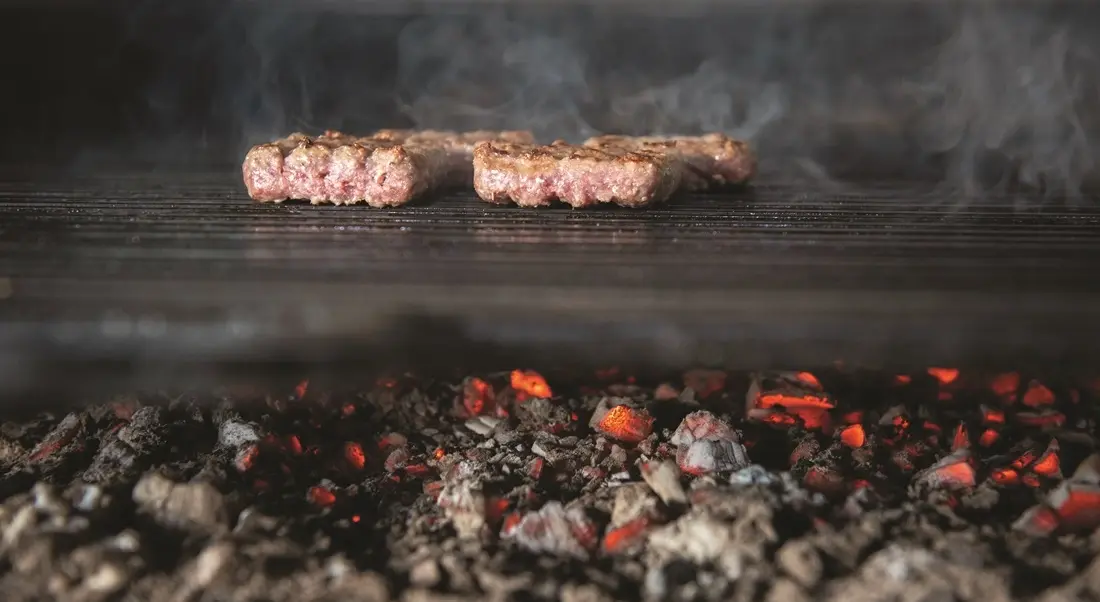
Great barbecue is created over glowing embers, not fire. When flames come into direct contact with the meat, the outside burns quickly while the inside remains undercooked.
Ideally, you should wait until the charcoal or wood forms an even layer of hot embers. At that point, the temperature becomes stable, and the meat cooks evenly.
Patience at this stage often makes a bigger difference than any secret recipe.
3. Meat Should Not Be Constantly Turned
Many people have a habit of flipping meat every few seconds.
In reality, this often produces the opposite effect. When meat is left on one side long enough, it develops a flavorful crust that helps retain its juices.
Constant moving, flipping, or pressing the meat with a fork or spatula causes it to lose moisture.
A good barbecue requires attention, but far fewer interventions than most people think.
4. Seasonings Cannot Replace the Flavor of Meat
In recent years, marinades, sauces, and complex spice blends have become increasingly popular.
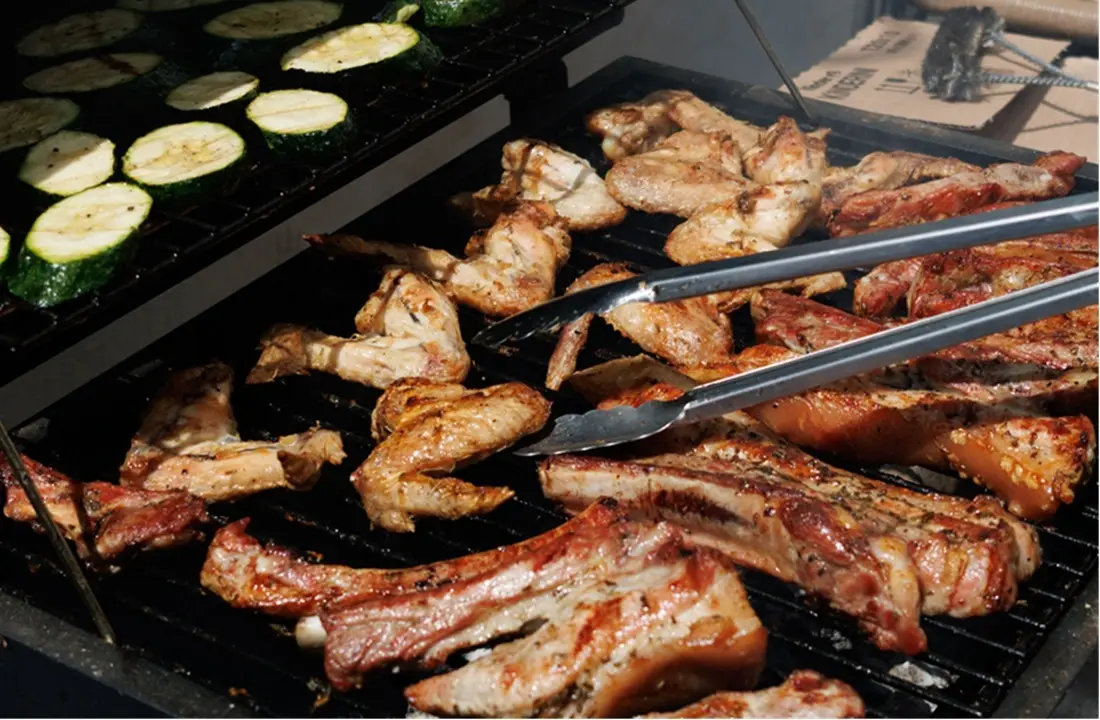
While they can be an interesting addition, great barbecue is usually built on simplicity. High-quality meat often needs nothing more than a little salt and perhaps a few carefully chosen seasonings.
When the ingredient list becomes too long, it is easy to lose the natural flavor of what should be the star of the plate.
That is why many of the world's most respected barbecue traditions embrace the principle that less is more.
5. The Most Important Step Comes After Grilling
Few people think about it, but meat should not be served immediately after it comes off the grill.
Allowing it to rest for a few minutes lets the juices redistribute evenly throughout the meat. If you cut into it right away, much of that moisture ends up on the plate instead of in every bite.
This is why professional chefs often let grilled meat rest before serving.
It is a small detail that makes a remarkably big difference.
The Secret of Great Barbecue Is No Secret at All
When it comes to barbecue, many people search for special recipes, expensive equipment, or exotic spices. The truth is much simpler.
Quality meat, properly prepared embers, a little patience, restraint with seasonings, and a few minutes of resting time after grilling are often all it takes to turn an ordinary meal into a true culinary experience.
And it is precisely this simplicity that explains why barbecue has remained one of the world's favorite dishes for generations.