

Lisbon – A City of Light, Flavor, and Endless Views
![[object Object]](https://api.hedonistmagazine.net/storage/images/2025/12/47b261a6-920d-4618-8242-e139d46b2a74.webp)
Lisbon is a city that wins you over slowly, layer by layer, much like the sunset that slides over the Tagus River and settles onto the pastel façades of the old town. Some call it the city of light. Others, a city of music and nostalgia. Hedonists will say — Lisbon is a feeling.
From the moment you step onto its cobblestones, it becomes clear: this is a place made for wandering, listening, tasting, and experiencing the city with every sense.
Alfama – Where Lisbon Is Most Honest
If you want to hear how the city breathes, go to Alfama — the oldest neighborhood, a maze of whitewashed houses, laundry-strewn windows, elderly ladies on balconies, and cats that rule the stairways.
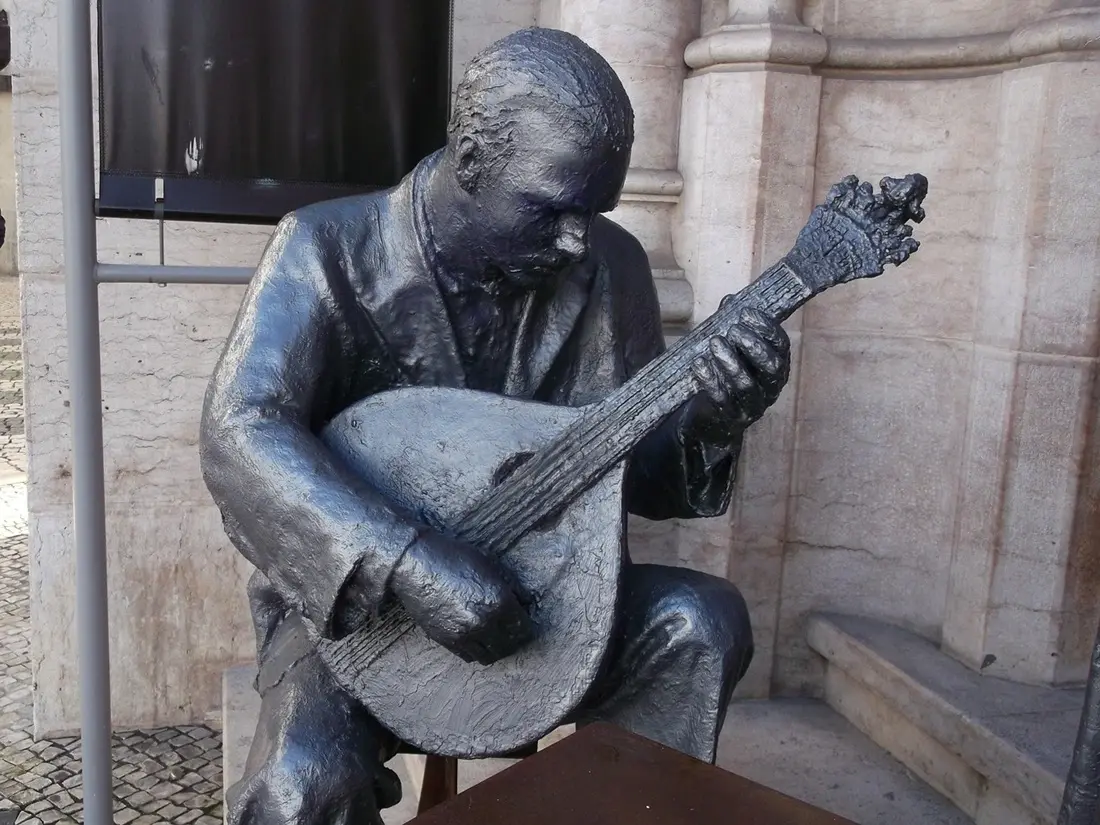
This is where fado was born, Portugal’s music of longing and tender breaks. In one of the small taverns, with a glass of red wine and the flicker of candlelight, you’ll realize that these melodies aren’t just songs — they are Lisbon in its purest form.
Baixa & Chiado – The Elegance of City Life
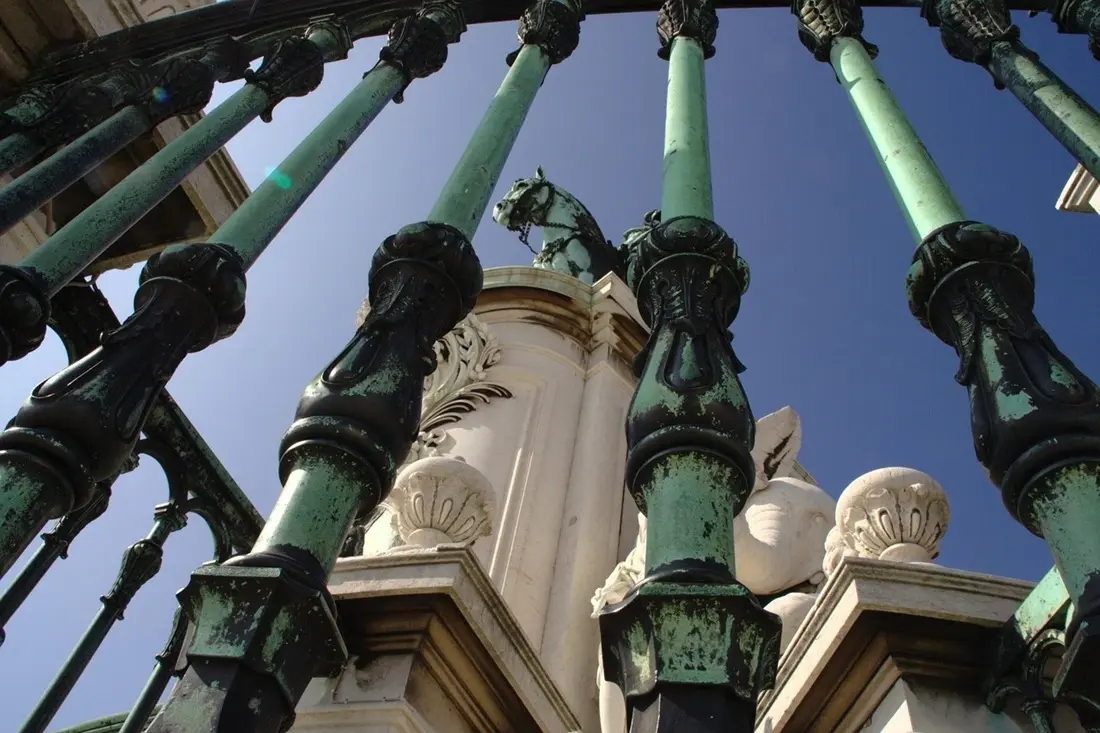
The heart of Lisbon is orderly, spacious, and filled with grand squares reminiscent of old European capitals.
Baixa shines with historic buildings and wide avenues, while Chiado brings a refined, artistic energy.
It is the perfect district for a slow morning coffee — the kind you sip without hurry, watching the city wake up to the aroma of warm pastries.
Belém – Glorious Stories on the Edge of the Atlantic
Belém is where Lisbon tells its tales of the Age of Discoveries.
Torre de Belém, one of Portugal’s most photographed landmarks, stands as a small guardian at the river’s edge. Not far away, the Jerónimos Monastery rises in all its ornate splendor, carrying the spirit of explorers and distant seas.
And then — the sweet finale. Pastéis de Belém, the original creamy pastries made from a 200-year-old secret recipe.
If Lisbon had a flavor, it would be this one.
Tram 28 – A Ride to Remember
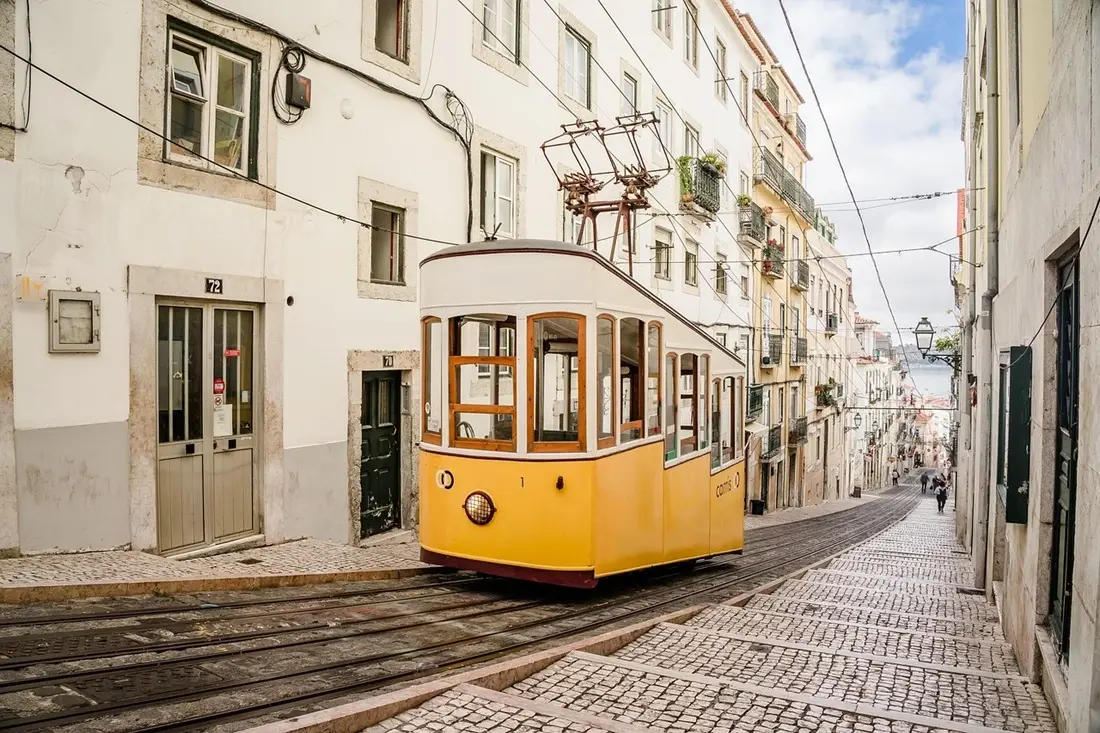
Some cities have subways. Others have gondolas. Lisbon has — Tram 28.
The iconic yellow tram buzzes through steep streets, weaving between buildings as if dancing, taking you through some of the city’s most beautiful quarters. The ride is nostalgic, slow, romantic — and simply unmissable.
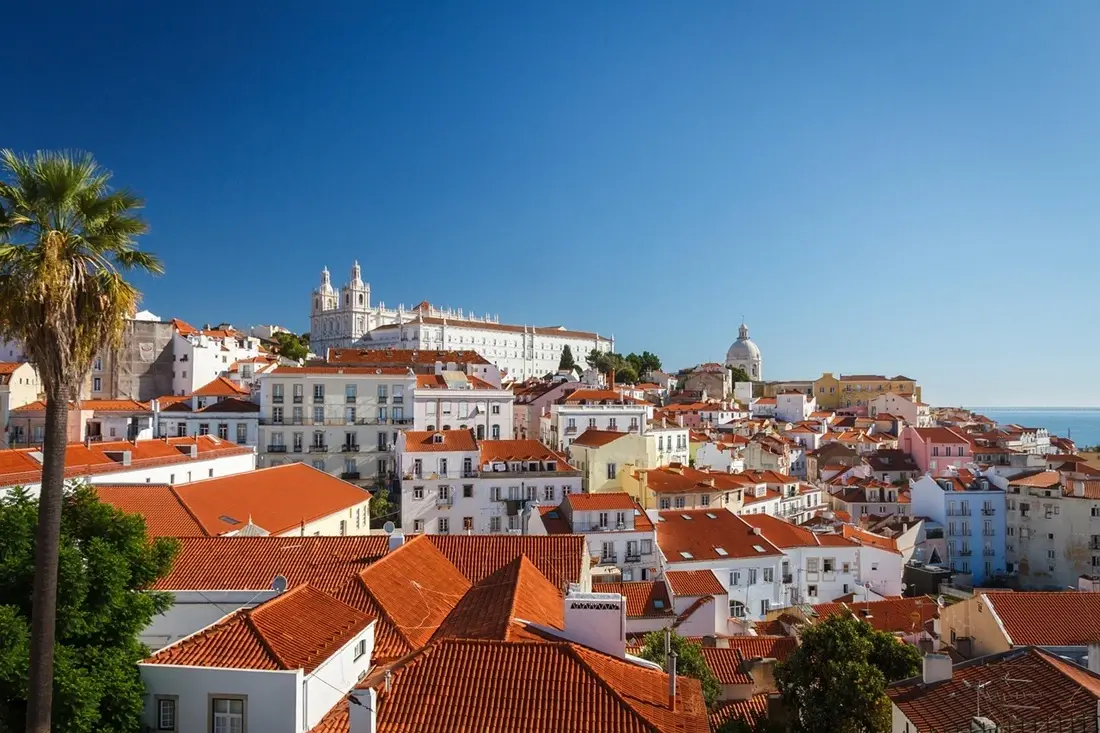
When the tram climbs a hilltop, the city opens before you: red rooftops, blue skies, and the Tagus shimmering like polished metal.
Lisbon’s Viewpoints – A City Best Seen from Above
In Lisbon, you don’t look for the view. The view finds you.
The city boasts more than a dozen miradouros, each offering a different angle and emotion. Among the most beloved:
Miradouro da Senhora do Monte – romantic, quiet, perfect for sunset
Miradouro de Santa Luzia – adorned with blue tiles, overlooking Alfama
Parque Eduardo VII – modern, open, with a breathtaking panorama of the city
Flavors of Portugal – Simple Yet Rich
Portuguese cuisine is intuitive — never complicated, yet full of personality.
What every hedonist should try:
Bacalhau – salted cod prepared in countless ways
Caldo verde – a comforting kale soup
Vinho verde – light and refreshing, ideal for warm evenings
Ginjinha – a cherry liqueur served “in one sip,” in a small glass
And then comes that moment when you sit in a tiny tavern, maybe in Graça or Mouraria, sipping wine as trams pass by. That is Lisbon — taste, calm, elegance, and life.
Why Lisbon Is a City for Hedonists
Sensual – colors, sounds, scents, and flavors fill every corner
Authentic – nothing is exaggerated, yet everything carries character
Perfectly paced – slow when you want it, lively when it counts
Photogenic – every step feels like a frame
Warm – the people, the light, the atmosphere