

An Experience That Transcends the Theme Park

![[object Object]](https://api.hedonistmagazine.net/storage/images/2026/02/fee3819a-7a4c-42df-a298-4a1791ec11ee.webp)
Orlando, the third-largest city in Florida, is not a typical tourist destination. It has no historic old town, no monumental squares, nor the kind of urban charm typically associated with major American cities. Distances are vast, public transportation is limited, and almost all relevant points are scattered along wide boulevards and highways. Here, a car is not a luxury - it is a necessity.
Entering a World That Needs No Explanation
Orlando, however, is not visited for the city itself, but for what has been built around it. Universal Studios Orlando and Walt Disney World are the primary reasons for its place on the global tourist map. Unlike Disney, which functions as a self-contained, almost isolated fairytale with its own rules and rhythm, Universal speaks to an audience seeking a more dynamic, urban, and cinematically direct experience.
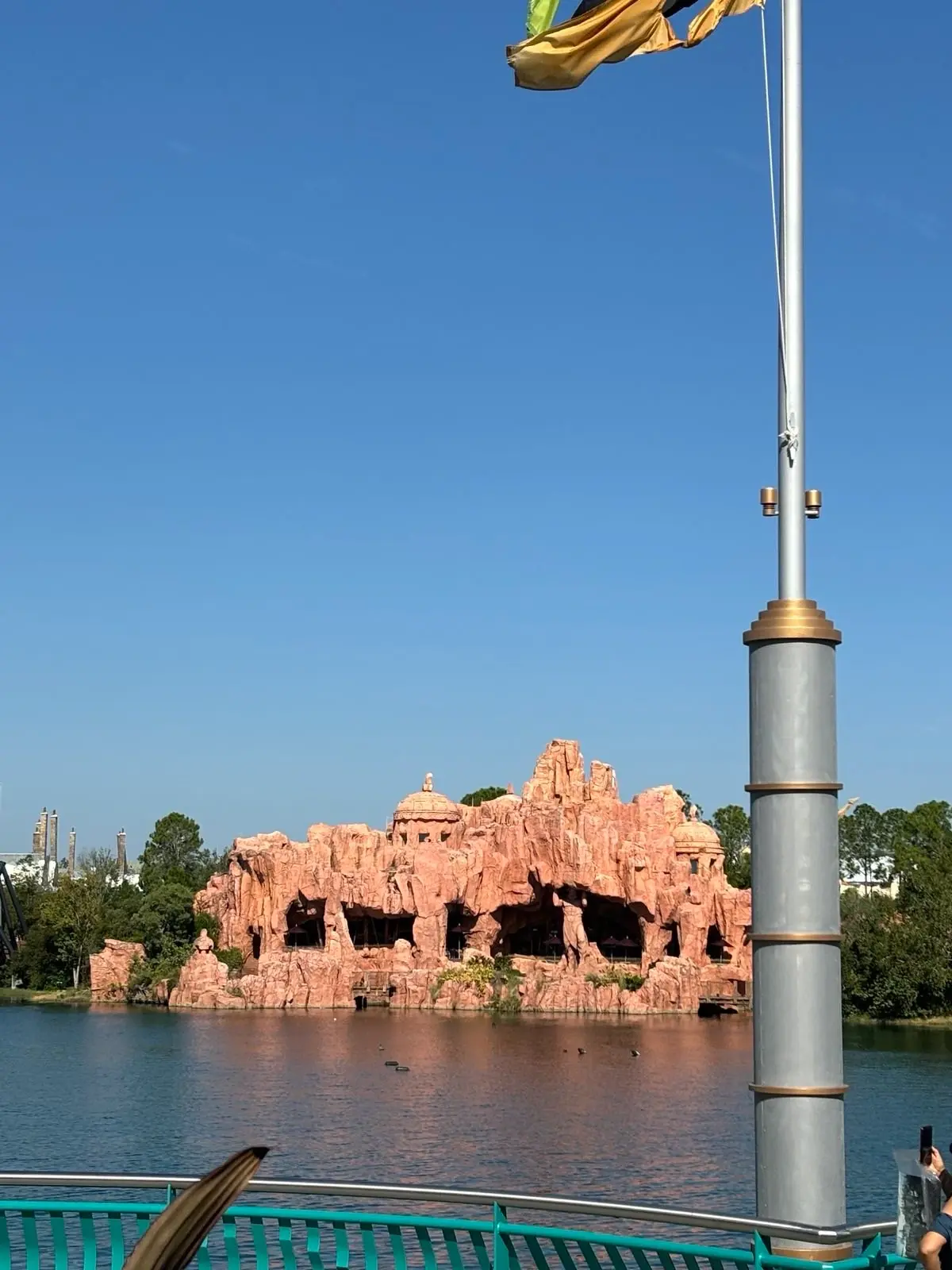
During our visit to Universal Studios Orlando, we had no intention of seeing everything - that would be impossible in a single day. Instead, we chose to truly experience the park: with pauses, a clear rhythm, and space for enjoyment. It is precisely in this approach that the difference lies between an exhausting day and a form of luxury that stays with you.
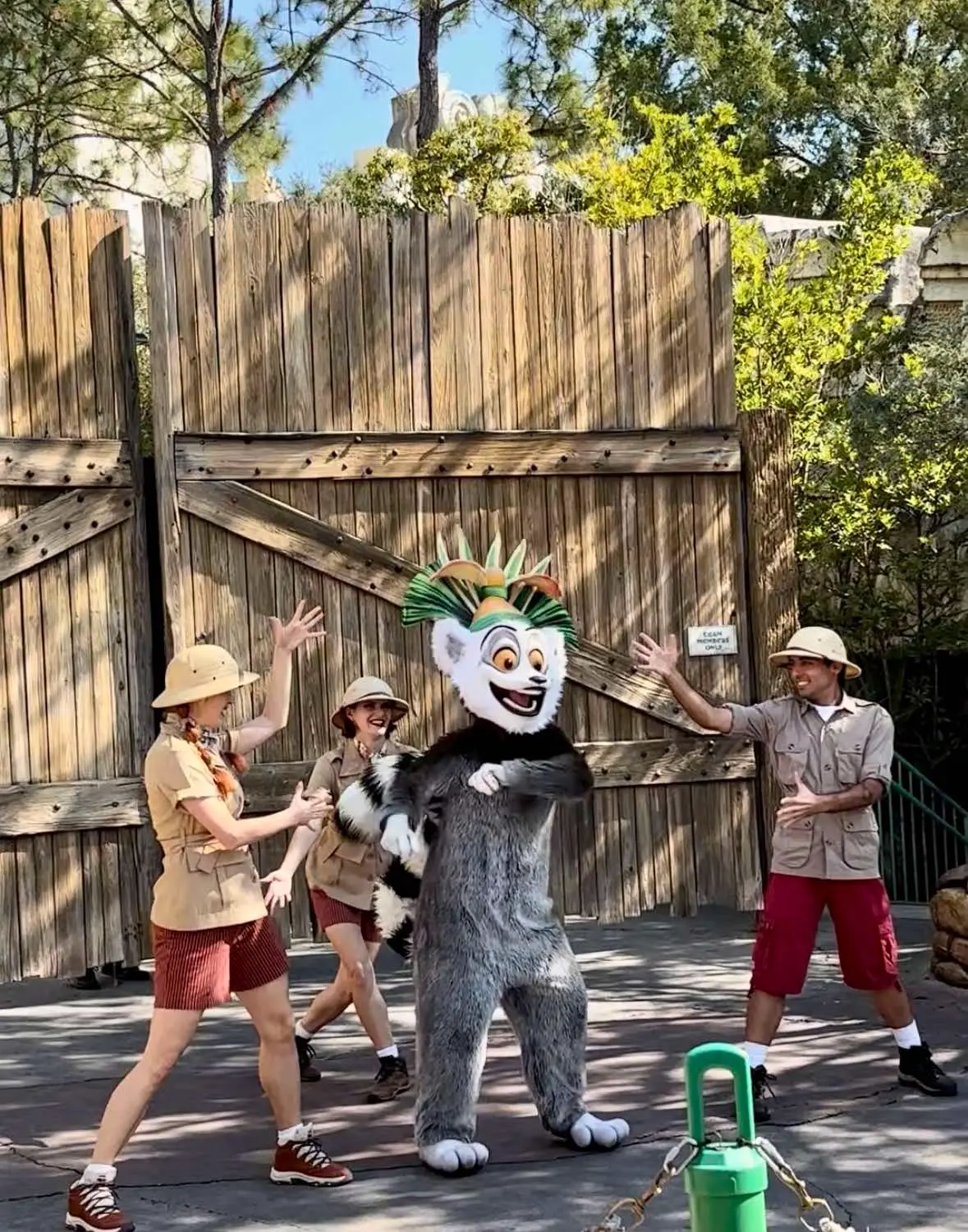
From the very entrance, it becomes clear that Universal does not operate on chaos. Everything is precisely choreographed - from the music that sets the atmosphere to the architecture that erases the line between set design and real space. What truly sets Universal apart is its attention to detail. Food is not merely a necessary break between attractions, but an integral part of the experience, while the environments are designed to make you feel as though you are “behind the scenes,” in a world that functions entirely on its own.
Adrenaline at Its Peak
Here, luxury is not found in glamour, but in the freedom of choice: whether to retreat to a quieter part of the park, extend a break with a drink, or simply observe people and scenery as if you were on a film set that never stops rolling.
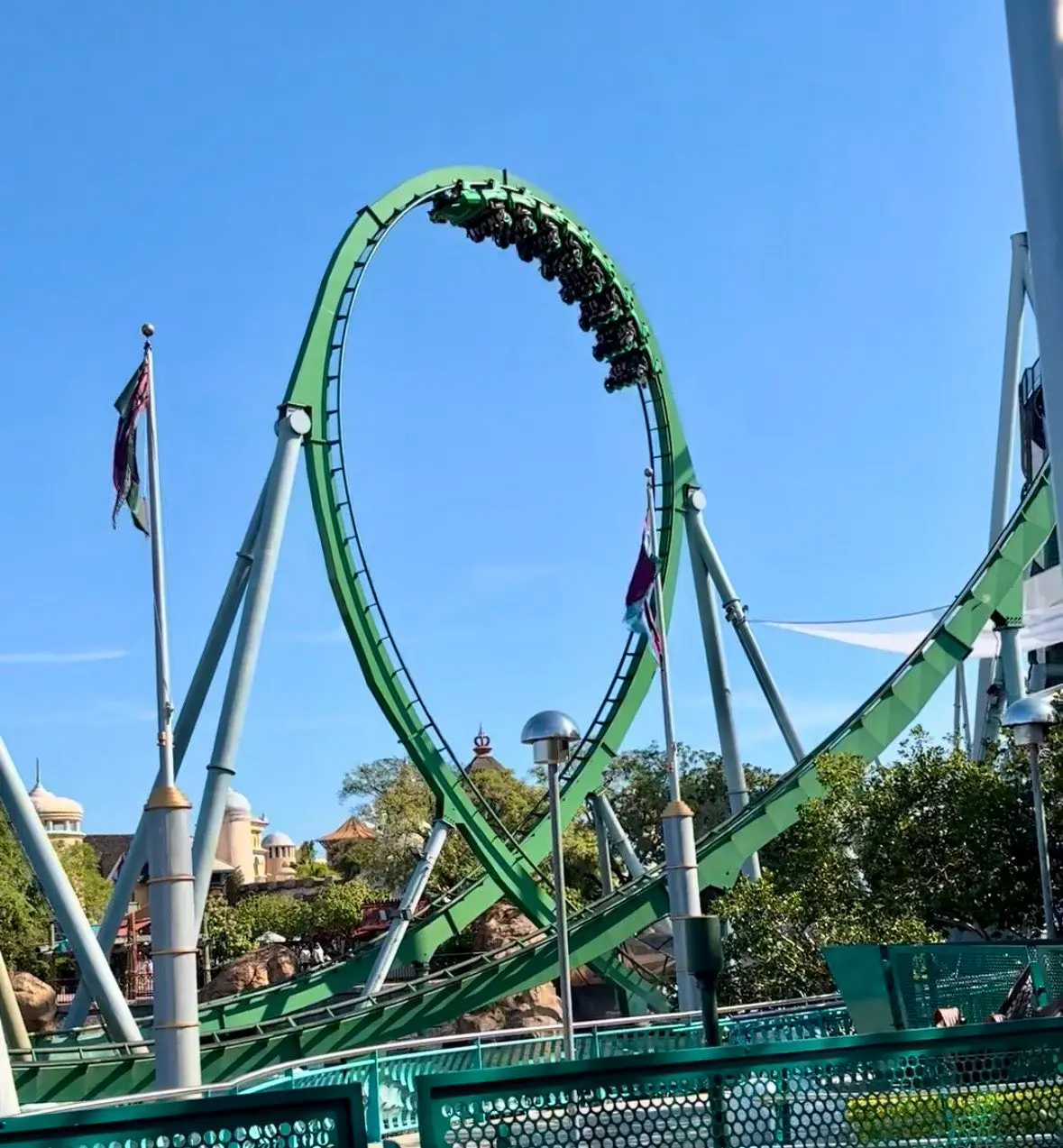
At the beginning, no one was seeking calm - we wanted adventure. Our first choice was the Incredible Hulk roller coaster. Even at the entrance, clear warnings indicate that the ride is not suitable for those with heart conditions or high blood pressure. And upon exiting, after being hurled upside down at speeds exceeding 100 kilometers per hour with Hulk-like force, even the healthiest feel as if their heart might burst from their chest. The adrenaline, however, is at its peak, and we are ready for the next challenge.
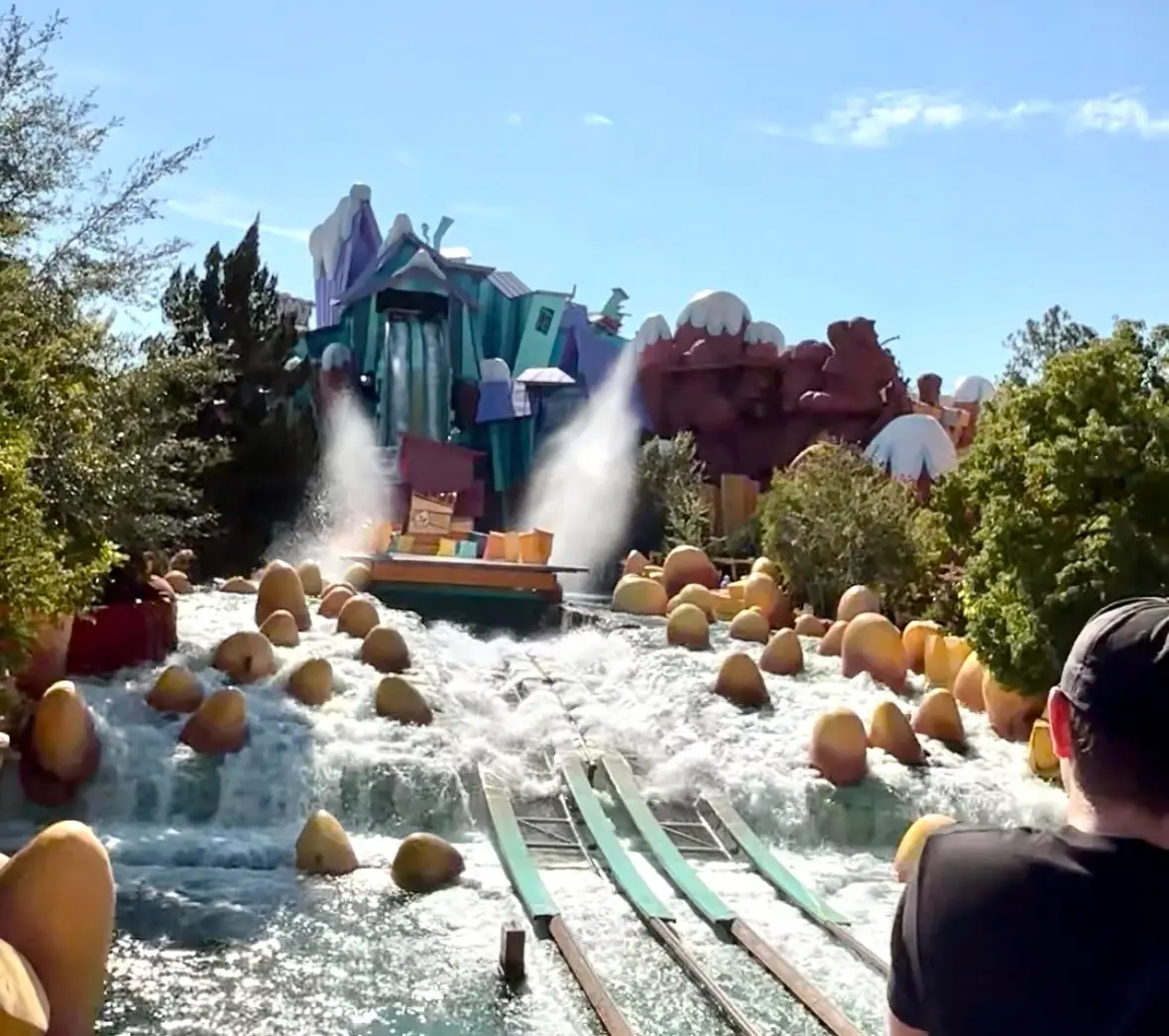
When illusion is crafted with intent, it stops being an escape and becomes an experience.
Jurassic Park River Adventure begins with a gentle float along an artificial river, only to confront you moments later with a roar and the sudden appearance of a massive dinosaur. Before you can fully process what has happened, you plunge nearly 30 meters downward into another surge of adrenaline. Already soaked to the skin, we continue the adventure at Dudley Do-Right’s Ripsaw Falls - part roller coaster, part water ride - blending the humor of classic cartoons with action that keeps you on the edge of your seat. As you approach the drop of nearly 23 meters, a rapid descent follows, along with a splash you won’t soon forget.
When Film Stops Being a Screen
Entering The Wizarding World of Harry Potter is not stepping into another themed zone - it is crossing into a parallel world. Regardless of how emotionally connected you are to the books or films, it is difficult to remain indifferent to the level of detail and seriousness with which this space has been constructed. Streets, shop windows, sounds, even the way people move - everything is designed to make you feel as though you are truly “inside,” not merely standing in front of a set.
Children and adults alike cast spells with “magic” wands, some browse shop windows, while others stroll calmly toward their chosen destination - Hogwarts Castle. In the world of Harry Potter, even waiting is not a waste of time. The queue to enter Hogwarts is designed as an extension of the narrative: a quieter, darker space filled with details you don’t notice at first glance. The walls tell a story, voices of familiar characters echo from within, and the space gradually narrows.
It is striking how differently people behave in this queue compared to elsewhere in the park: voices are softer, phones are taken out less often, and attention is fully focused on the surroundings. Waiting here does not feel like a necessary inconvenience, but rather part of the story. This is precisely where the difference between a simple attraction and a true experience becomes clear - Universal understands that luxury is not about eliminating queues, but about transforming them into part of the journey.
At the end of the path through Hogwarts awaits Harry Potter and the Forbidden Journey, a ride that erases the boundary between film and reality. The combination of physical movement, projections, and scenery creates a pleasant disorientation: you fly, fall, and suddenly change direction, yet never feel a loss of control. Everything is perfectly timed, from moments of silence to sudden twists and encounters with characters and creatures. What sets this ride apart is not adrenaline, but the convincing illusion of presence. You are not observing the world of Harry Potter from the outside - you are truly, unmistakably inside it.
Stepping Out of the Illusion: Cocoa Beach
Leaving this part of the park has a mildly disorienting effect. It takes a few minutes to return to the “real” Universal - and to the real world.
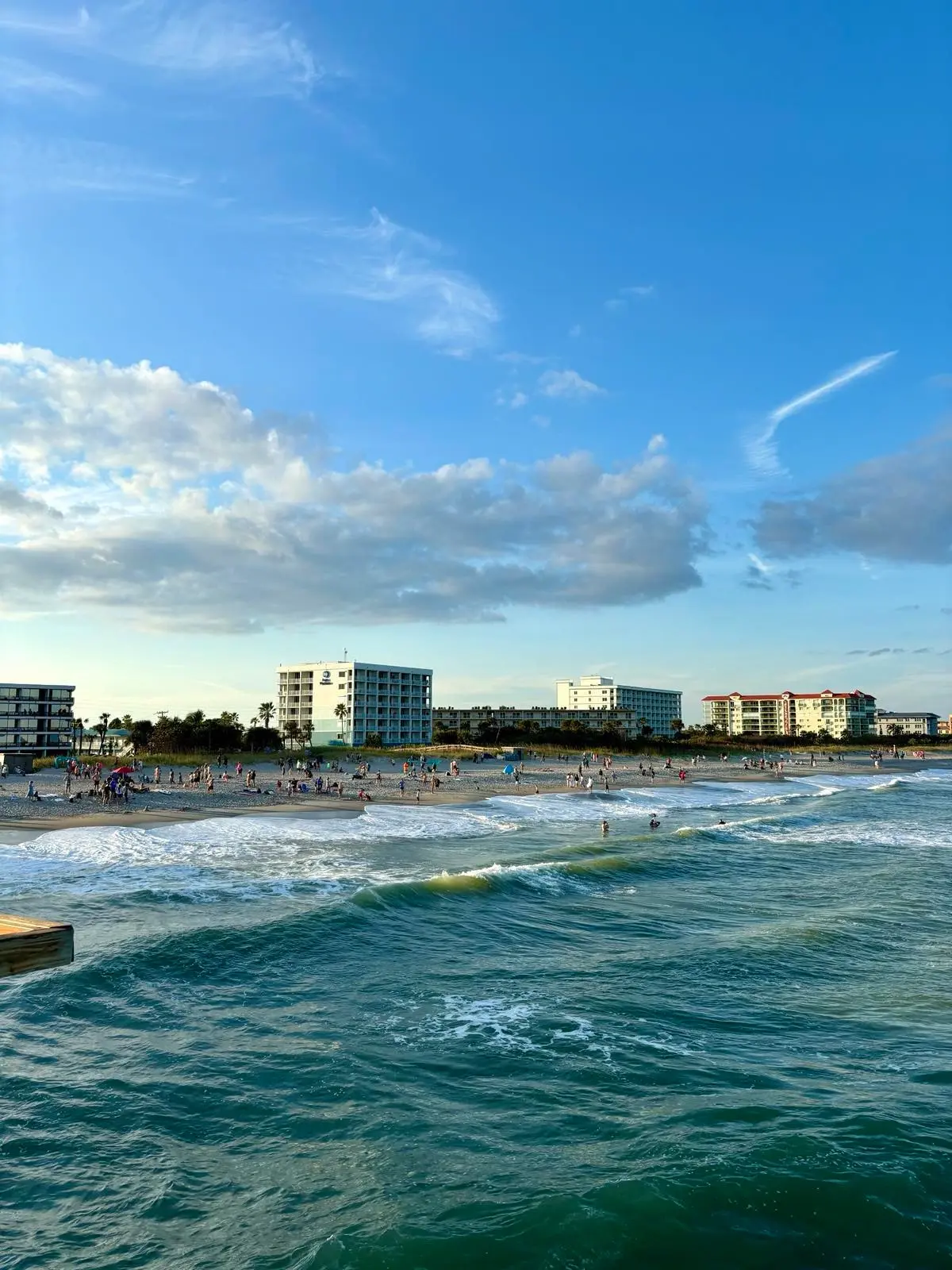
After a day filled with noise, color, and constant stimulation, the most fitting ending is along the ocean shore, where arrival feels almost therapeutic. As Orlando is a landlocked city, reaching the Atlantic coast - in our case, Cocoa Beach - takes about an hour and ten minutes by car.
Settle onto the sandy beach, grab a drink at one of the piers, watch the ocean in all its vastness, and sink into the sunset. It is the kind of moment where luxury has no price, and hedonism requires no justification.
- Written by: Anja Petrović/HEDONIST