film icons
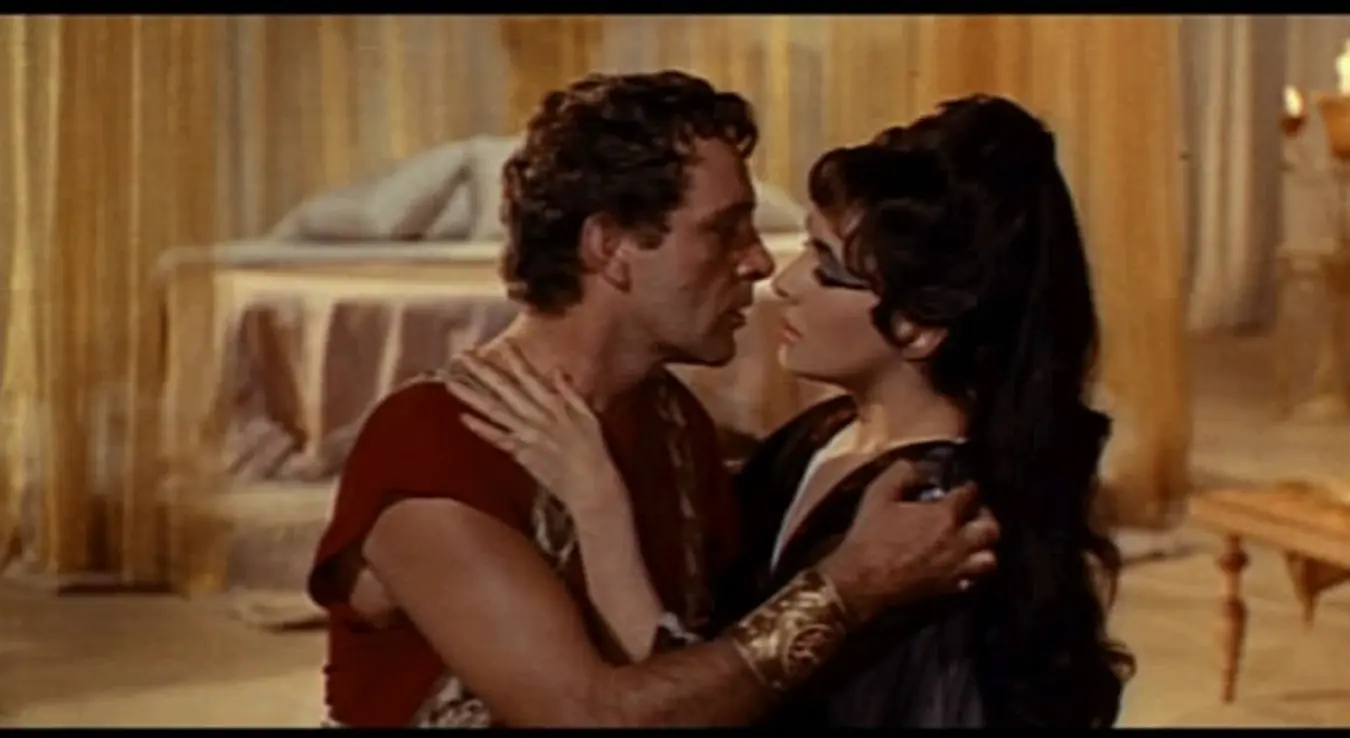
The Film That Nearly Destroyed Hollywood: How Cleopatra Became the Most Expensive Flop in Film History
When Elizabeth Taylor descended a staircase in 1963 playing the Egyptian queen, she was wearing a dress woven from twenty-four-karat gold - just one of sixty-five costumes made for her alone, part of a wardrobe that eventually totaled twenty-six thousand pieces across the entire production.
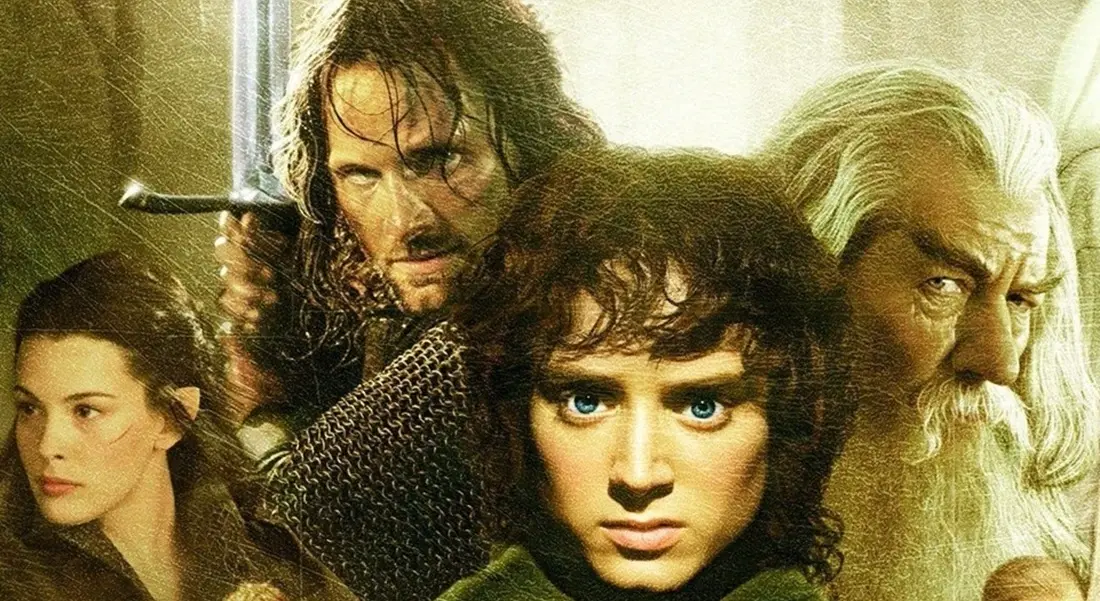
How Film Tastes Changed Through the Decades (3): From Disney to Superheroes
In the first two instalments of this series, we traced the journey from the gangsters of the Great Depression, through Hitchcock’s thrillers and the rebellion of the 1960s, to the moment when Spielberg and Lucas discovered that a film could become an event larger than the story itself - and Hollywood in the 1980s turned that idea into an industrial model.
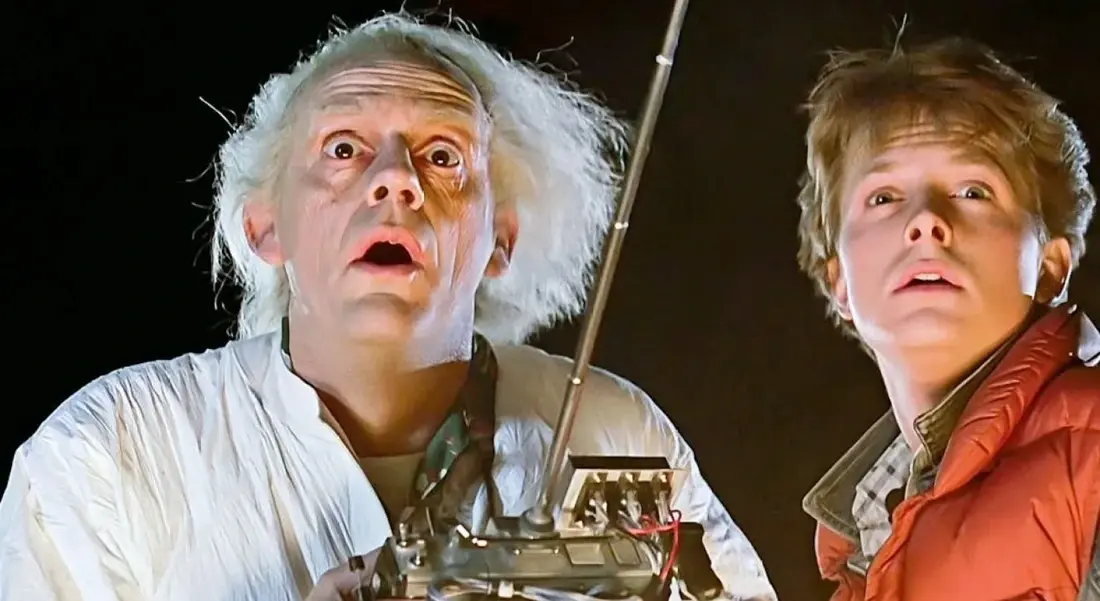
How Film Taste Has Changed Through the Decades (Part 2): From Rebellion to the Blockbuster
In the first part of this series, we traced Hollywood's path from the gangsters of the Great Depression, through the noir of the postwar years, to Hitchcock's psychological games with audiences in the 1950s - watching an entertainment system take shape into something we'd still recognize today. But that system, however stable it looked, already carried the seed of its own upheaval.
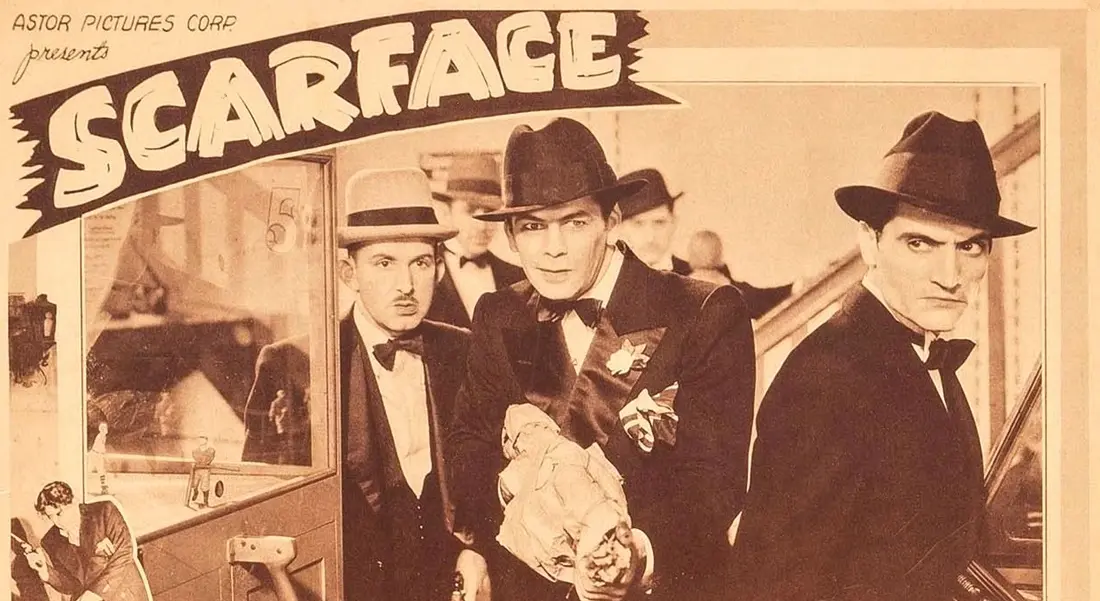
How Film Taste Has Changed Through the Decades (Part 1): From Gangsters to Hitchcock
Movies change alongside their audience. Look back at the history of popular film from the 1930s to today, and it becomes clear that genres don't rise and fall by accident. In times of crisis, audiences look for escape. In uncertain periods, they turn to darker stories. In eras of technological upheaval, they want spectacle. And whenever the way people watch films changes, what the film industry produces changes along with it.
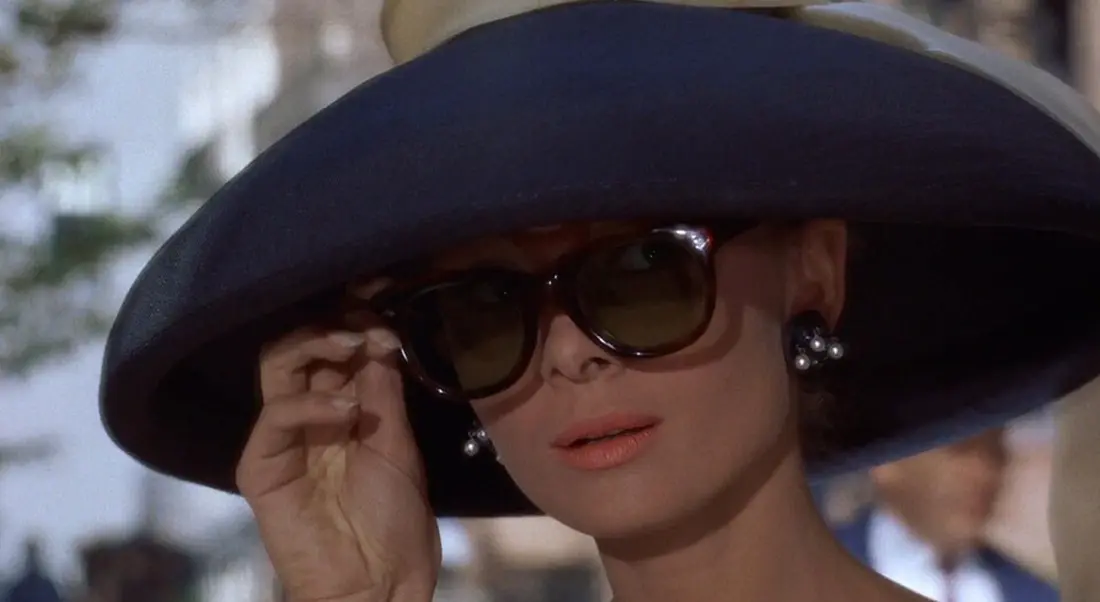
Women Who Redefined Elegance
Fashion changes faster than ever. Every season brings new colours, new silhouettes and new rules that often feel outdated only months later. True elegance, however, has never depended on trends. It is defined not by what we wear, but by the way we wear it.
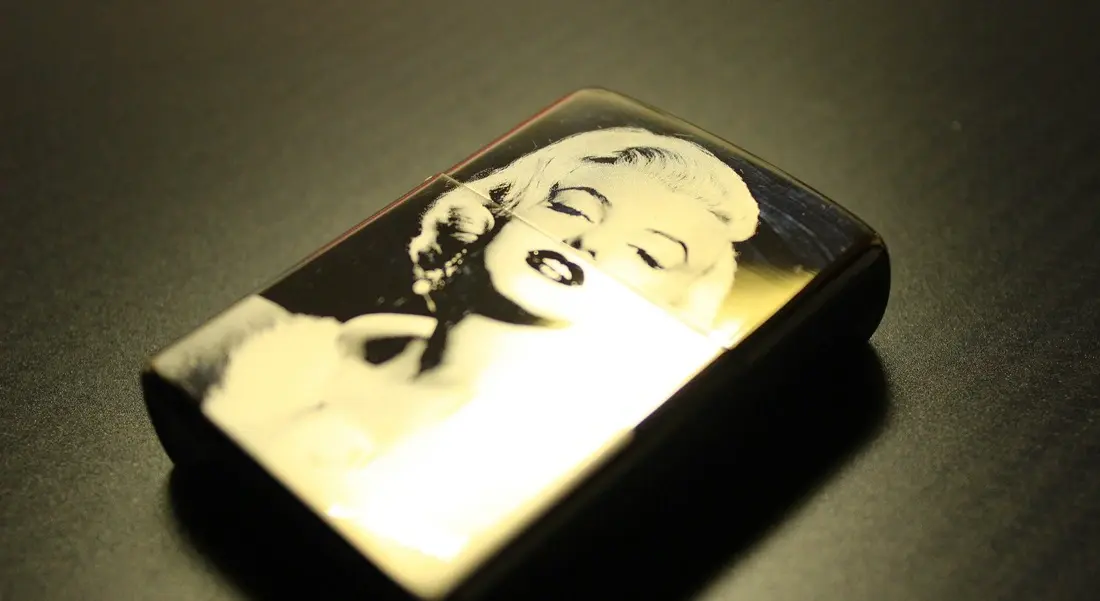
Marilyn Monroe: The Woman Who Became Bigger Than Her Own Life
There are very few people in the world whose names require no introduction. Marilyn Monroe is one of them. There is no need to mention that she was an actress. No need to list films, dates, or biographical details. A single photograph is enough. The white dress lifted by the wind above a New York subway grate. Red lipstick. Blonde hair. A smile that seems both seductive and vulnerable.

Marlon Brando and the Time When Hedonism Wasn’t Content for Social Media
There are people who have never had to perform charisma. The moment they entered a room, the atmosphere changed before they even spoke their first word. Marlon Brando was one of those people.

Branka Katić for HEDONIST: I Was Captivated by the Beauty and Fairytale Charm of Trebinje
“This is my first time in Trebinje, and I am completely captivated by the beauty and fairytale charm of this city. What makes it especially emotional for me is the fact that a young Nebojša Glogovac once ran through these very streets, growing up to become one of the greatest actors our region has ever known. It is a beautiful city - now I understand why Nebojša loved it so much, why he always spoke about it, and why he wanted to return here with his family”.
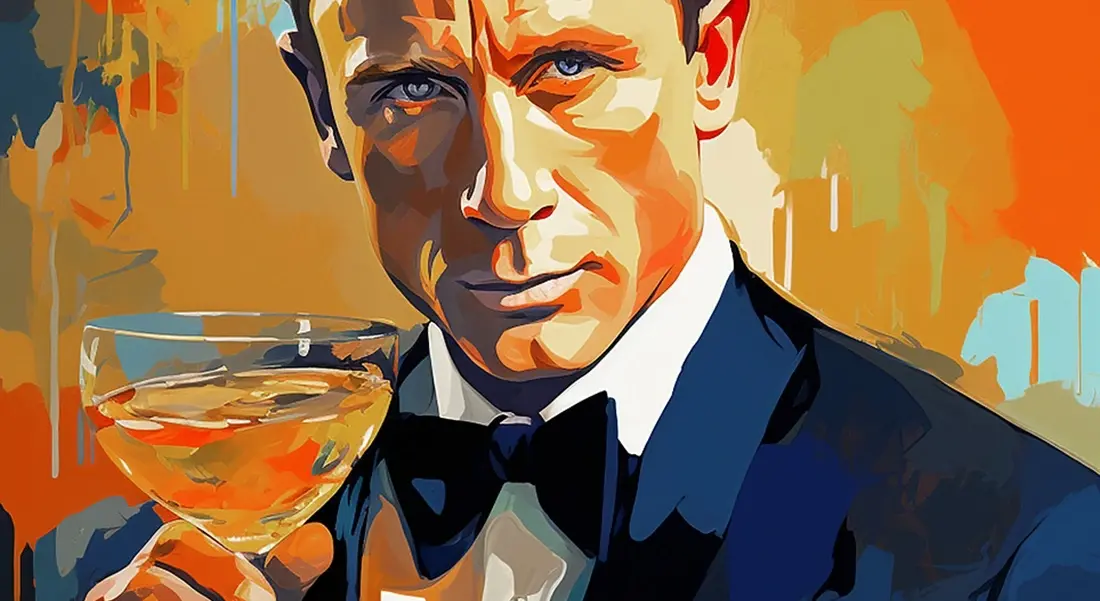
The Greatest Hedonists of the Silver Screen: Characters Who Truly Knew How to Enjoy Life
Hedonism in cinema is often mistakenly associated with excess and downfall. Yet the most compelling cinematic hedonists are not those who burn out in indulgence, but characters who understand how to enjoy life through food, drink, aesthetics, conversation, and the simple act of being present. Their hedonism is not an escape from reality, but a conscious lifestyle choice.