

How Ralph Lauren Sold the American Dream to the World

![[object Object]](https://api.hedonistmagazine.net/storage/images/2026/09/48f4f260-cf64-4d09-98eb-8295057e1309.webp)
In 1955, a sixteen-year-old boy from a working-class family in the Bronx decided to change his last name, and he didn't pick a neutral one. Ralph Lifshitz became Ralph Lauren - a name that sounded like it belonged to someone who had always owned a riding club, not to a boy whose father painted houses for a living and whose mother insisted the family keep strictly kosher.
What followed over the next seven decades is, at its core, that same gesture repeated on an enormous scale: a man who had never actually lived in the world he was selling built that world so convincingly that the entire planet came to believe in it.
The boy who was dressing other people's dreams before he had his own
Lauren grew up in a Jewish immigrant family from Pinsk, in Belarus, the youngest of four children. While his peers listened to Elvis Presley, he preferred Frank Sinatra. While other boys dreamed of being athletes or actors, he saved money from a department-store job to buy suits, captivated by the elegance of Cary Grant and Fred Astaire on screen. "I was always interested in the look of Cary Grant and Fred Astaire," he once said. "They were my inspiration."
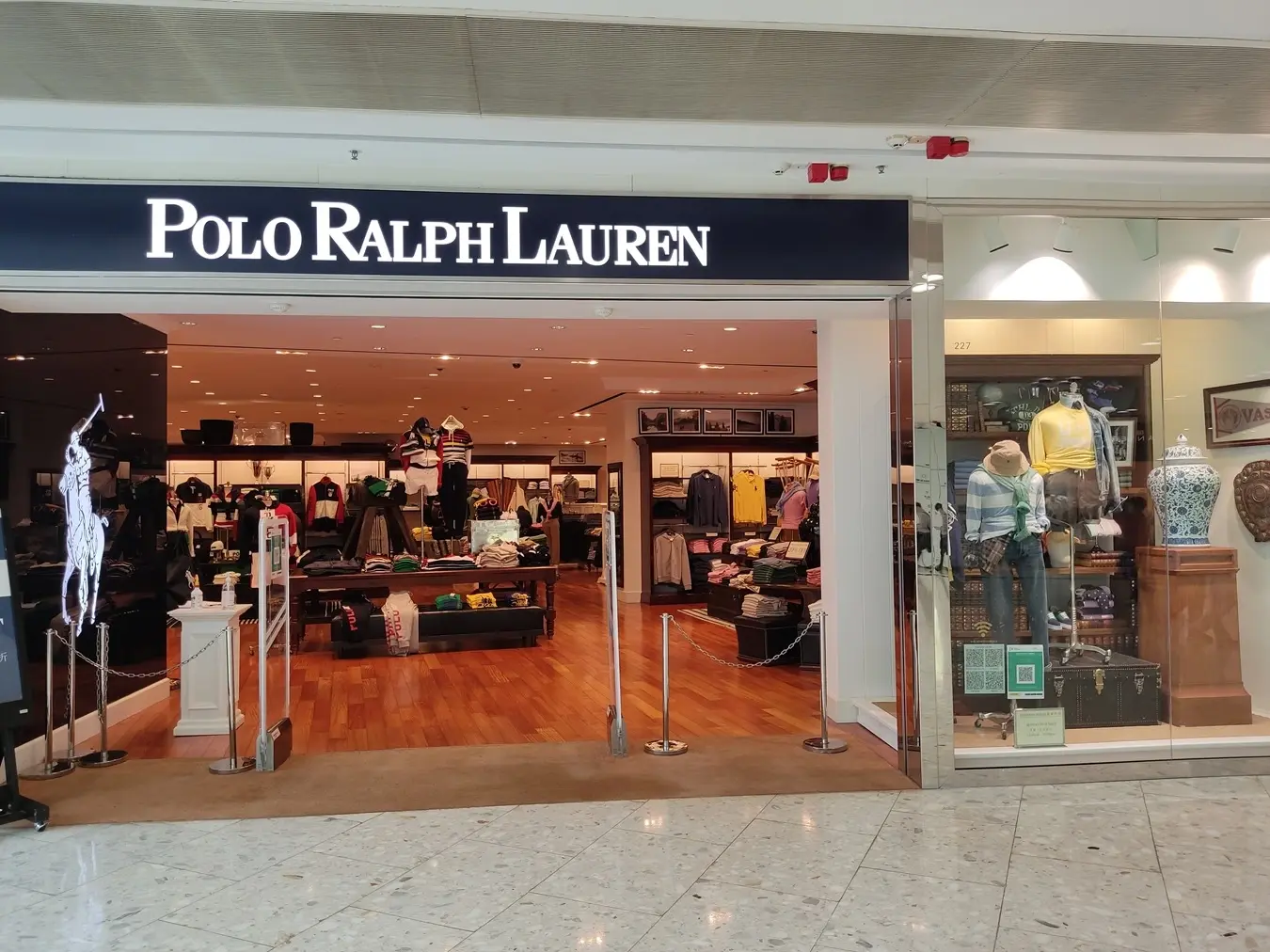
After a brief stint studying business, which he left after just two years, and a tour in the Army, Lauren took a job selling neckties for a company called Beau Brummell. There he noticed something nobody else in the room seemed to see: the narrow, conservative ties dominating American fashion in the 1960s didn't suit men who wanted to look more visible, more self-assured. In 1967, he began designing wider, more expressive ties himself and selling them under a name chosen for a sport that symbolized something he didn't remotely possess at the time - elegance, leisure, belonging to an elite. He called it Polo. Working out of a single drawer in a borrowed office, Lauren made half a million dollars that first year.
The horse that became the most valuable trinket in fashion history
The turning point arrived in 1972, with something deceptively modest: a short-sleeved cotton mesh shirt, available in twenty-four colors, with a small embroidered polo player on horseback stitched onto the chest. That tiny detail, barely bigger than a postage stamp, would become one of the most recognizable emblems in the history of clothing - a symbol nearly every human being on the planet can identify today, whether or not they've ever set foot near a polo field.
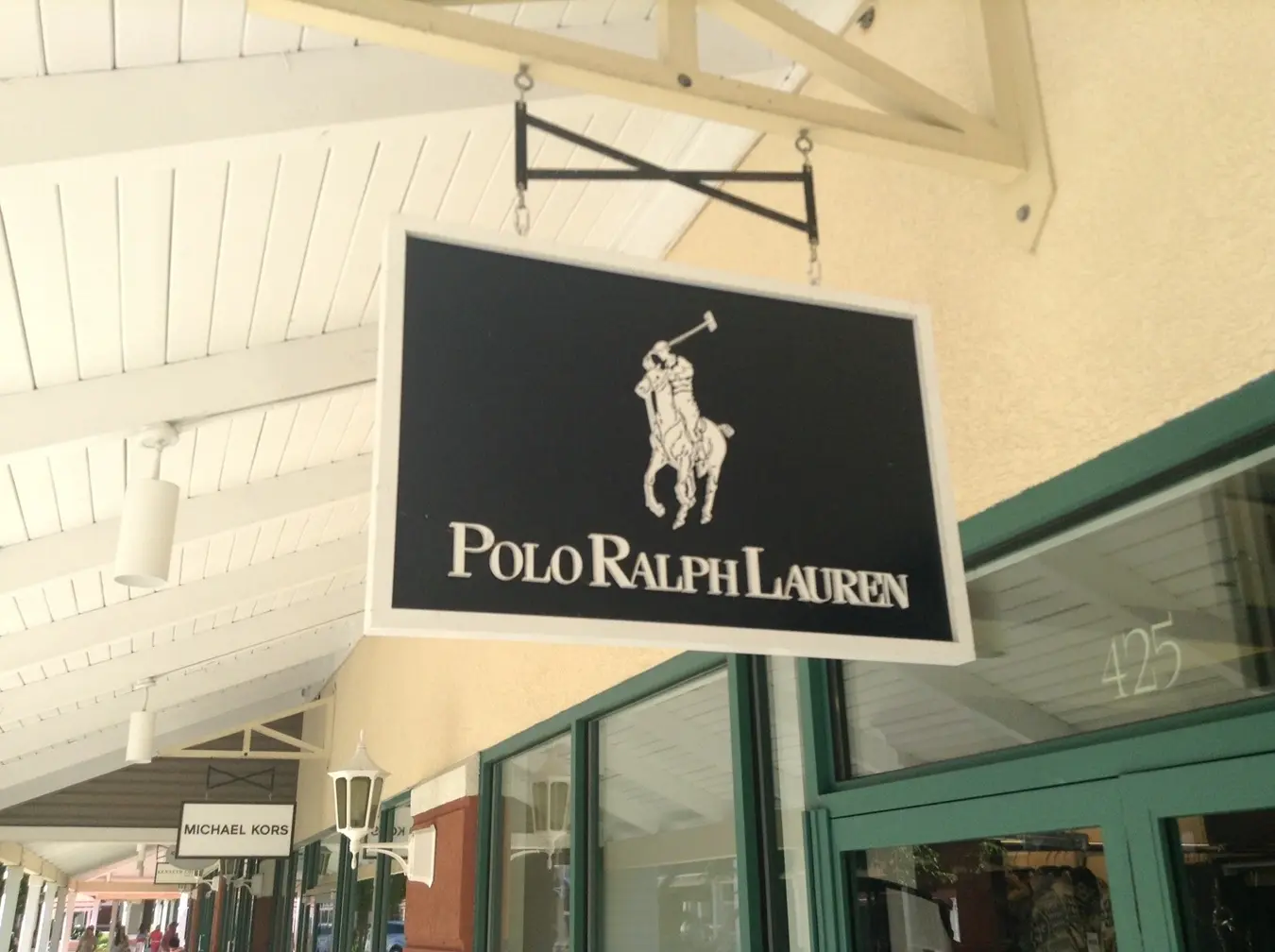
Lauren never hid the fact that his job wasn't designing clothes in the traditional sense. "I don't design clothes, I design dreams," he famously said - a line that today reads almost like the company's mission statement. His genius wasn't in the cut or the stitching. It was in understanding that he was selling belonging to a world, not fabric. The advertising campaigns he shot with photographer Bruce Weber didn't show products against a white backdrop, as was standard practice at the time. They showed entire scenes: families on horseback outside New England cottages, young men in team jerseys running through the autumn leaves of an Ivy League campus, women in velvet aboard yachts off Nantucket. The customer wasn't buying a shirt. They were buying a ticket into that frame.
The Gatsby who never stopped performing
There's an irony at the heart of Lauren's career: in 1974, he designed Robert Redford's costumes for the film adaptation of The Great Gatsby - the story of a man who invents his own origins to gain entry into a world of old, inherited elegance he never actually belonged to. Few people noticed at the time just how precise that parallel was. Three years later, Lauren designed Diane Keaton's wardrobe for Annie Hall, cementing his influence over how an entire generation of Americans pictured elegance.
His Paris boutique on Boulevard Saint-Germain, housed in a restored seventeenth-century mansion, and his New York flagship inside the Rhinelander Mansion on Madison Avenue, once home to a wealthy late-nineteenth-century family, were never ordinary stores. They were sets - proof that Lauren understood something deep about longing: people don't just want to buy a piece of old-elite clothing. They want to briefly step inside the space where that elite would have lived.
The collector who preserves the past better than those who actually lived it
That same obsession with the authenticity of a past that was never his own shows up in something few people associate with a fashion empire: Lauren's car collection, valued at over $600 million and considered one of the most valuable private collections in the world. It includes a 1938 Bugatti Type 57SC Atlantic - one of only three surviving examples on Earth - which Lauren restored so meticulously that it won Best of Show at the prestigious Pebble Beach Concours d'Elegance in 1990, and again at the Concorso d'Eleganza Villa d'Este in 2013. Alongside it sits a 1962 Ferrari 250 GTO, bought in the 1980s for a fraction of what a car of its kind now fetches - tens of millions of dollars today.
"A car is about its age and the period," Lauren once explained. "If you're going to restore it, you're restoring it so it's not just a monument but a fine-working machine - something that has the quality it had when it was new." The same philosophy he applied to his own image - not copying the past, but reviving it with a precision that ends up feeling more convincing than the original - guided his relationship with the cars he spent a lifetime collecting, restoring, and driving, rather than letting them gather dust in some museum's silence.
An America that never quite existed, and that everyone wants to walk into
Today, Ralph Lauren Corporation, a company publicly traded on the New York Stock Exchange, sells everything from perfume and home furnishings to hotel experiences and restaurants, with global revenue measured in the billions. In 2010, Lauren was awarded France's Legion of Honour - a fitting bit of irony for a designer whose entire aesthetic universe is almost exclusively American.
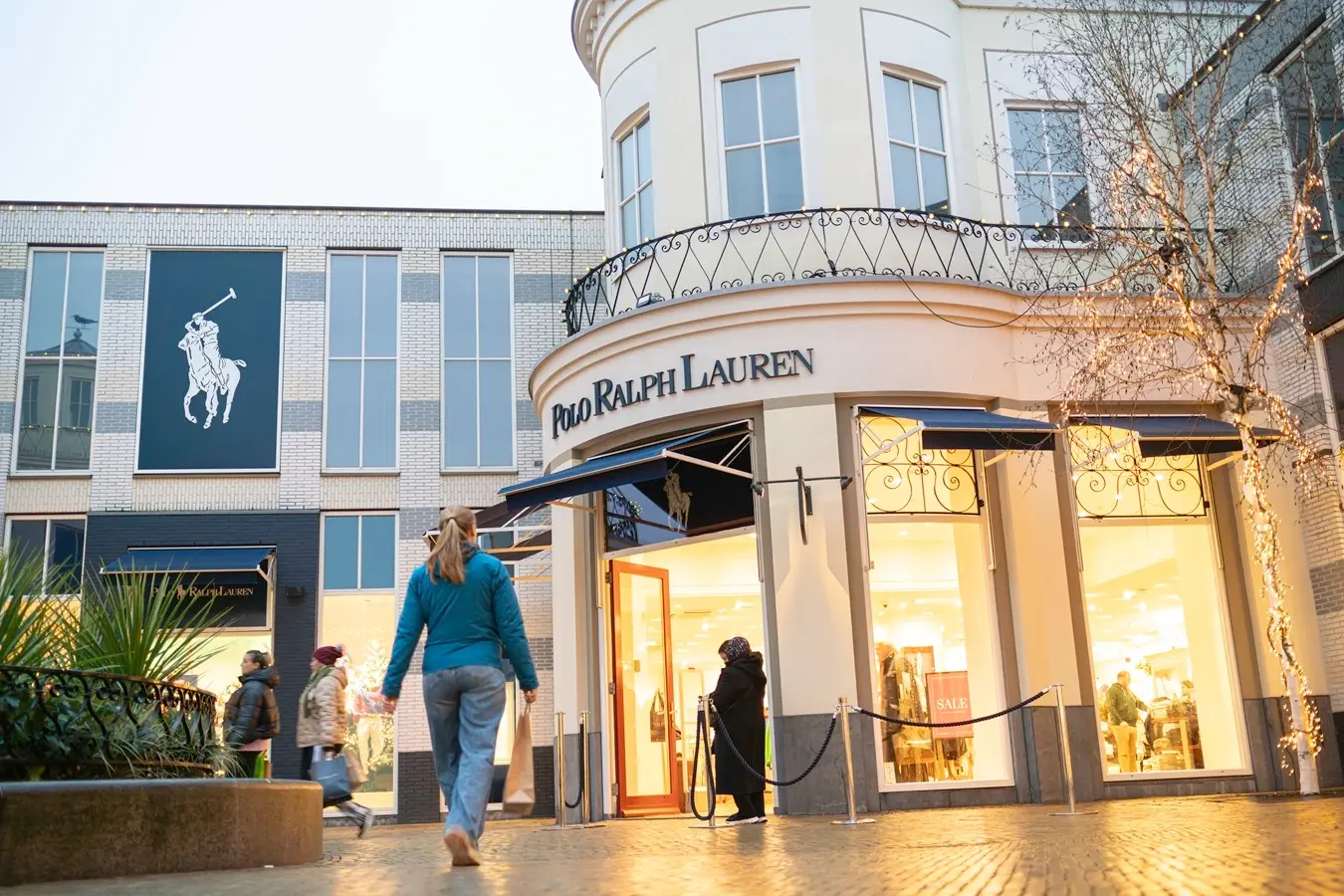
That, perhaps, is the real secret of his success. Lauren never sold the America that actually existed. He sold the America people around the world, Americans included, wished existed: a world where families are always elegant, autumns are always warm, and belonging to the elite is available to anyone willing to put on the right shirt. The boy from the Bronx who changed his last name so it would sound like it belonged somewhere else ended up selling that very feeling of belonging to the entire world - so convincingly that almost nobody bothers to ask anymore whether the place ever really existed at all.