

Bare Skin, Full Bill: What Makeup-Free Beauty Really Costs

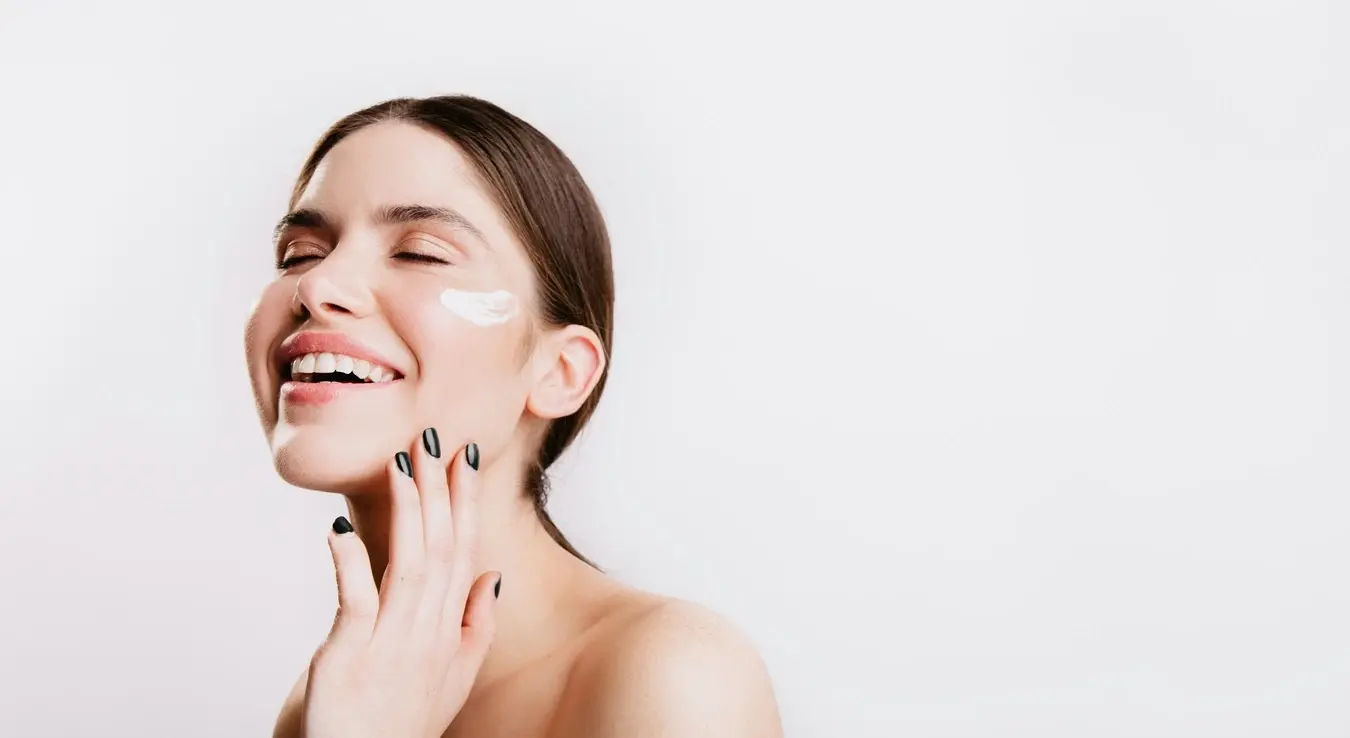
Skin instead of makeup: a luminous complexion, few products, a lot of care. What do the numbers say, what do dermatologists think, and is minimalism actually cheaper?
The trend called “less” is currently the fastest-growing part of the beauty market. According to Circana, prestige skincare sales in the US rose 9% in the first half of 2026, with double-digit growth in units sold. Makeup in the same segment grew 3%, while unit volume slipped slightly. In mass-market beauty, skincare also leads, while makeup grows only in dollars, not in volume.
In other words, we have never bought more to look like we haven’t bought anything.
How Skincare Swallowed Makeup
The idea is simple: instead of covering the skin, care for it until it looks good uncovered. The principle, also known as “skinimalism” or “skin-first,” took shape as a reaction to the multi-step Korean routines. According to NIQ, categories such as facial devices and cleansing masks were already declining in 2024.
But the market quickly turned it into a new product. According to Circana, prestige face makeup sales in Europe rose nine percent in the first half of 2026, driven by what the company calls the “skinification” of makeup: formulas that resemble skincare, a complexion that is merely tinted. Even without makeup, then, we are buying something designed to look as though it isn’t there.
Is Less Actually Cheaper?
Not necessarily.
First, the market figures point in the opposite direction from savings. If skincare sales are growing in the double digits by unit, people are not buying less than before, only differently. According to Circana’s first-quarter data, growth in prestige skincare is led by face creams, serums, and eye treatments.
Second, minimalism alone does not save money. A survey by the Hong Kong Consumer Council found that serums are the most expensive item in a routine, averaging around HK$395 apiece. Yet, they also have the lowest user satisfaction, at 64 percent. Price and satisfaction, the survey concluded, are not reliably linked. Nearly half of respondents were sitting on stockpiles of unused products.
Third, a multi-step routine was expensive even when filmed simply. A study published in Pediatrics in 2025 analyzed 100 of the most-viewed TikTok videos of skincare routines posted by girls aged 7 to 18. The average regimen had six products and cost $168 (the authors estimate it lasts about a month), and some exceeded $500. The study concerns children and teenagers, not adults, but the mechanism is the same.
There is no direct study comparing the cost of a minimal routine with a multi-step one. What is clear is that the savings do not come from the number of steps but from whether the products you drop are replaced by pricier ones. Someone who cuts five steps but buys the remaining three at premium prices is not saving much.
What Dermatologists Say
On the basics, they largely agree. Dr. Swati Kannan of the University of California, San Diego, says too many active ingredients at once can overwhelm the skin and cause redness, dryness, and damage to the protective barrier. According to Dr. Marisa Garshick, combining strong actives such as retinol and chemical exfoliants can cause irritation and even chemical burns.
The Pediatrics study identified specific mechanisms. The most-viewed videos contained an average of 11 potentially irritating active ingredients, and lead author Dr. Molly Hales pointed to two problems: combining several actives at the same time, and unknowingly repeating the same ingredient across three, four, or five products. The risks, she says, are irritation, sun sensitivity, and allergic contact dermatitis, which can permanently limit the choice of soaps, shampoos, and cosmetics.
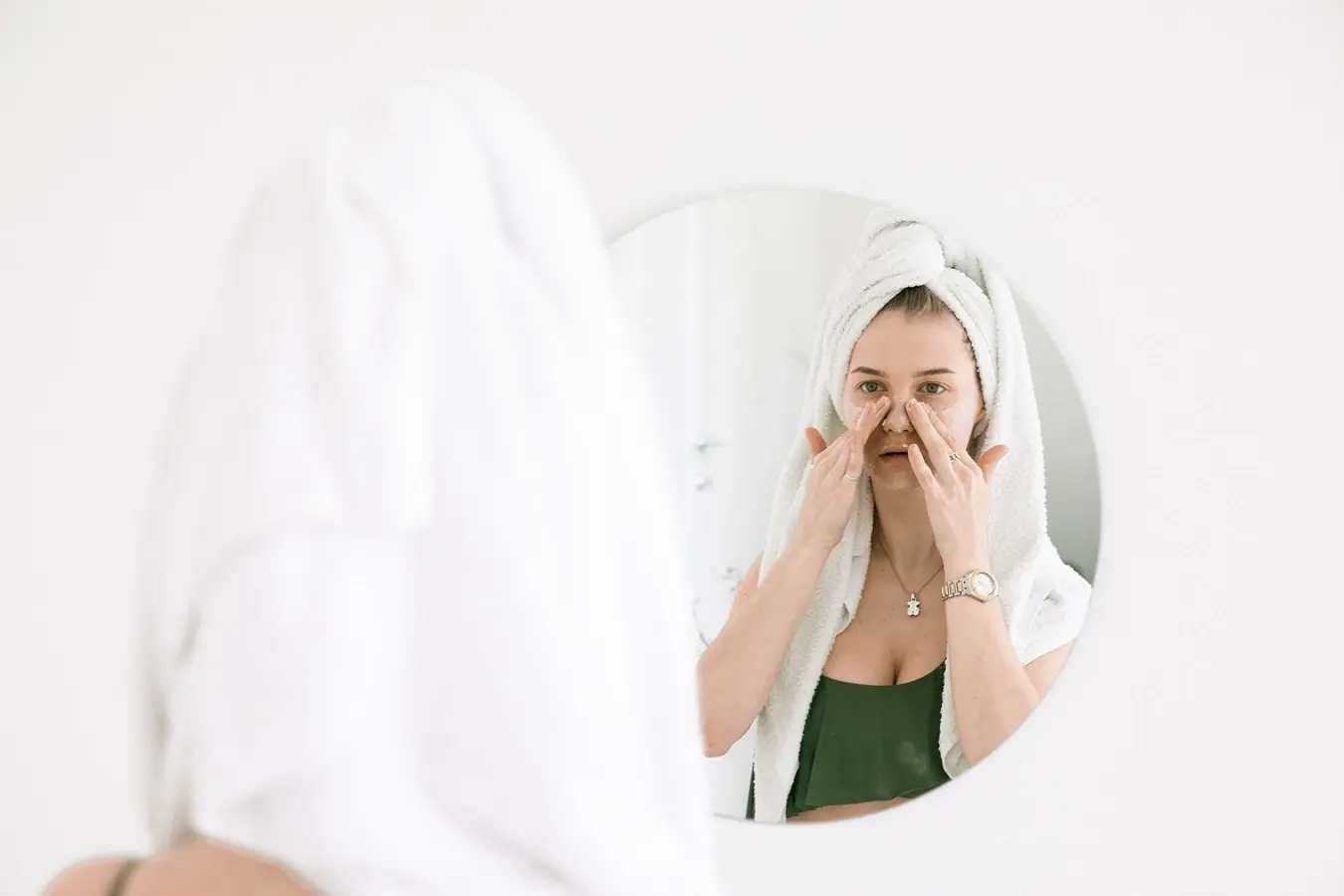
One figure here is the most telling: only 26 percent of daytime routines in those videos included sun protection. Dermatologists consistently list it, alongside a gentle cleanser and a moisturizer, as the foundation. The American Academy of Dermatology recommends SPF 30 or higher.
That does not mean dermatologists offer “nothing.” Dr. Evan Rieder and Dr. Shari Lipner recommend adding well-evidenced ingredients, such as antioxidants (vitamin C) and retinoids, gradually and one at a time. The problem is not any single ingredient but the pile.
A Luminous Complexion, Simple Arithmetic
For “skin without makeup,” dermatologists essentially offer a formula that is duller than any campaign: a gentle cleanser, a moisturizer, sun protection every day, and at most one active ingredient introduced slowly. Anything beyond that should have a reason, not a trend. For acne, rosacea, or pigmentation, which cosmetics and trends do not solve, you need a dermatologist.
The most expensive product in a routine is often not the one with the highest price. It is the one that ruins all the others, because a compromised skin barrier sets off a cycle in which new products are bought to repair the damage the previous ones caused.