

What the 2026 Winter Tyre Test Revealed

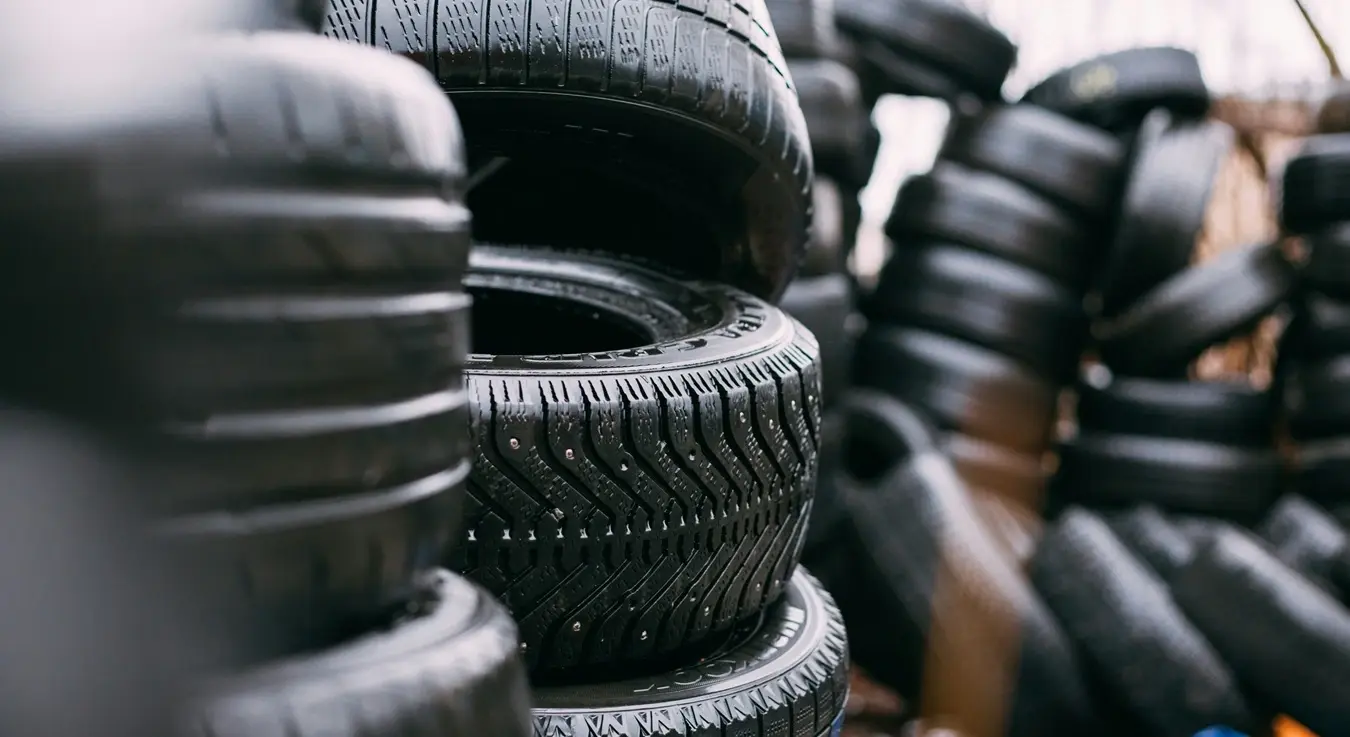
Three European motoring organisations tested 32 winter tyres. ADAC cannot recommend 15 of them. What does that mean for your wallet, your car and your next stop on a wet road?
Imagine two identical cars on wet asphalt. Both are travelling at 80 km/h and both brake hard. The first comes to a stop after 33.5 metres. The second is still moving at that point, travelling at approximately 47 km/h. The difference isn't the driver or the car, but the tyres: 17.9 metres. The Swiss motoring organisation TCS published the findings of a test on 22 September 2026.
A Test Many Tyres Failed
The same week, Germany's ADAC and Austria's ÖAMTC published their results. The tyres were tested in two sizes: 185/65 R15, commonly fitted to cars such as the Volkswagen Polo, Škoda Fabia, Renault Clio and Toyota Yaris, and 225/50 R17, found on models such as the Audi A4, Škoda Octavia and Peugeot 3008. Each size category included 16 models, assessed against 19 criteria. Driving safety - on dry and wet roads, snow and ice - accounted for 70 per cent of the overall score, while environmental performance, including mileage, wear, fuel consumption and noise, made up the remaining 30 per cent.
The verdict was sobering: ADAC could not recommend 15 of the 32 tyres tested - nine out of 16 in the smaller size and six out of 16 in the larger one. In the smaller category, only two tyres earned a “good” rating. Mileage was another concern. Tyres for smaller cars wear out after an average of around 31,000 kilometres, while larger tyres last more than 45,000. The Bridgestone Blizzak LM 005 performs exceptionally well on wet roads, but its tread is worn down after just around 22,000 kilometres.
The most expensive option is not necessarily the best. In the larger size, ADAC named the Pirelli Cinturato Winter 3 the overall winner, with a score of 2.2 and a price of around €149 per tyre. The Michelin Alpin 7 scored 2.5 and costs approximately €165. Nor is a familiar brand name a guarantee of quality: among others, TCS does not recommend the Falken Eurowinter HS02 Pro or the Toyo Observe EWS1, both of which showed significant weaknesses on winter roads.
The Tyres That Made the Grade
- Smaller cars (185/65 R15): Continental WinterContact TS 870 (ADAC score: 2.2, the best result in the entire test, approximately €80) and Michelin Alpin 7 (2.5). TCS rated both “highly recommended”.
- Larger cars (225/50 R17): Pirelli Cinturato Winter 3 (2.2), Continental WinterContact TS 870 (2.3), Goodyear UltraGrip Performance 3 (2.4) and Michelin Alpin 7 (2.5). The Continental and Pirelli brought the car to a halt from 80 km/h on wet asphalt in 34.7 metres. The worst-performing tyre needed 46.3 metres - meaning that when the better-equipped car had already stopped, the other was still travelling at around 40 km/h.
One important qualification: these results apply to the specific tyre sizes tested. TCS warns that the performance of the same tyre model can vary considerably depending on its size. So if your car uses, for example, 205/55 R16 tyres, these results are a useful guide, not a guarantee.
What the Law Requires - and What It Doesn't Guarantee
- Bosnia and Herzegovina: From 1 November to 1 April, winter equipment is compulsory regardless of weather conditions. Drivers must have winter tyres on all wheels; winter tyres on the driven wheels together with snow chains; or summer tyres with at least 4 mm of tread, accompanied by chains.
- Serbia: From 1 November to 1 April, winter tyres are compulsory on all four wheels whenever there is snow, ice or black ice on the road. Tread depth must be at least 4 mm. Outside built-up areas, drivers must also carry snow chains or other traction devices.
- Montenegro: From 15 November to 1 April, winter equipment is compulsory regardless of weather conditions. Tyres must have at least 4 mm of tread, and chains must be carried.
- Croatia: Winter equipment is compulsory on designated roads from 15 November to 15 April. Slovenia: From 15 November to 15 March.
- Germany: Since October 2024, the M+S marking alone has no longer been sufficient. Tyres must carry the three-peak mountain snowflake symbol (3PMSF). Fines range from €60 to €120.
If you travel across borders, make sure your tyres carry the 3PMSF symbol.
Five Things to Check in Five Minutes
- Temperature, not snow. ADAC says winter tyres offer greater safety than summer tyres once temperatures fall below seven degrees Celsius. The familiar rule is “from October to Easter”, while Serbia's AMSS also advises using winter tyres even when there is no snow, since low temperatures can create icy conditions.
- Four millimetres. Serbian law already requires a minimum tread depth of 4 mm. ADAC and TCS recommend the same threshold: below it, winter grip deteriorates sharply.
- Age. Look for the DOT code on the tyre sidewall and check its final four digits. The first two indicate the week of manufacture, the last two the year. For example, 2523 means the 25th week of 2023. TCS advises buying tyres no more than three years old, while ADAC recommends replacing them after eight years at the latest. There is no statutory age limit.
- Pressure. Cold weather lowers tyre pressure by approximately 0.1 bar for every 10°C drop in temperature. So if you inflated your tyres in October at 15°C, by January, when temperatures have fallen to −5°C, they may be around 0.2 bar below the intended pressure. Always check pressure when the tyres are cold and follow the vehicle manufacturer's recommended figures.
- Four matching tyres. TCS advises using four tyres of the same model and type. Modern vehicle safety systems cannot compensate for inadequate tyres.
What About All-Season Tyres?
On 15 September, TCS tested 16 all-season tyres in size 185/65 R15. Only one - the Continental AllSeasonContact 2 - received a “highly recommended” rating. Seven were rated “recommended”, while TCS advised against five of the models tested.
In wet braking from 80 km/h, the best tyre stopped after 32.4 metres, while the worst needed 38.3 metres. At that point, the latter was still travelling at around 31 km/h. TCS concludes that all-season tyres are a sensible option for people who drive relatively little, mostly around town. Those who regularly use motorways, drive in hot weather or head to the mountains with a fully loaded car for a skiing holiday are better off sticking with separate summer and winter tyres.
The test is over, but the real test begins on the first wet November morning. Tyres are the only part of your car in direct contact with the road. Any money saved by choosing the wrong ones may seem insignificant - until the moment you have to brake.