

Slow Is the New Luxury: A Story of Pottery
![[object Object]](https://api.hedonistmagazine.net/storage/images/2026/03/6ef663b8-656c-4562-931d-0eebad79738a.webp)
In an era of accelerated living, where everything is measured by speed and efficiency, there are places where time slows down, and creation takes on a completely new significance. Pottery is exactly such a space - a blend of craft and art that embodies both discipline and freedom.
For HEDONIST magazine, Lazar Rančić, who runs a ceramics school in Belgrade, takes us back to the essentials - working with our hands, embracing silence, and engaging in a process that does not tolerate haste. On the potter’s wheel, he says, something deeply authentic emerges: a form that cannot be rushed or forced.
Pottery, as a traditional craft, is closely tied to the wheel and the precision of movement, while artistic ceramics open space for experimentation - new techniques, different types of clay, and freedom of expression. In practice, however, these two dimensions are not separated; they naturally intertwine, creating a balance between the learned and the intuitive, between rules and personal imprint.
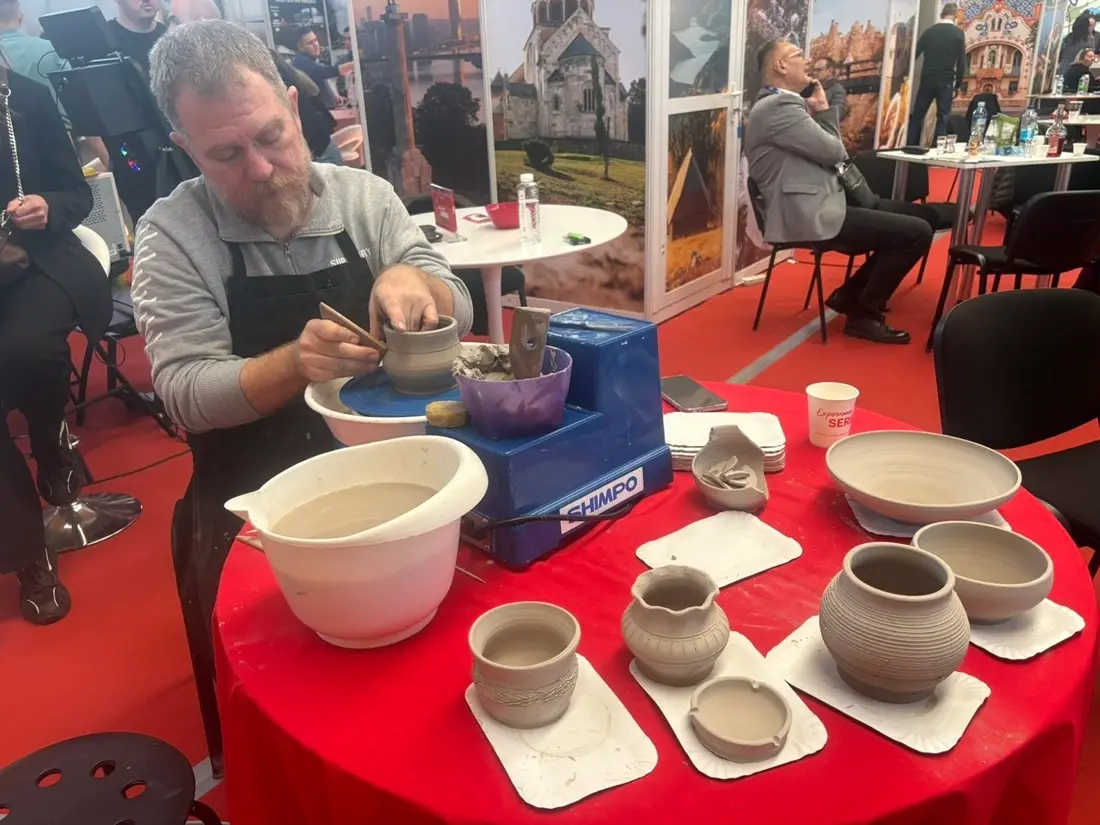
“In this process, there is no rush, no pressure. Everything is done slowly,” Lazar explains.
It is precisely in that slowness that its unique value lies - the moment when hands, material, and attention become fully aligned.
Interestingly, most people who come to his school have no ambition to turn ceramics into a profession. They come for the feeling - to create something with their own hands, to step away from everyday life, and to find peace. And perhaps the most important thing Lazar emphasizes is that talent is not the most crucial factor.
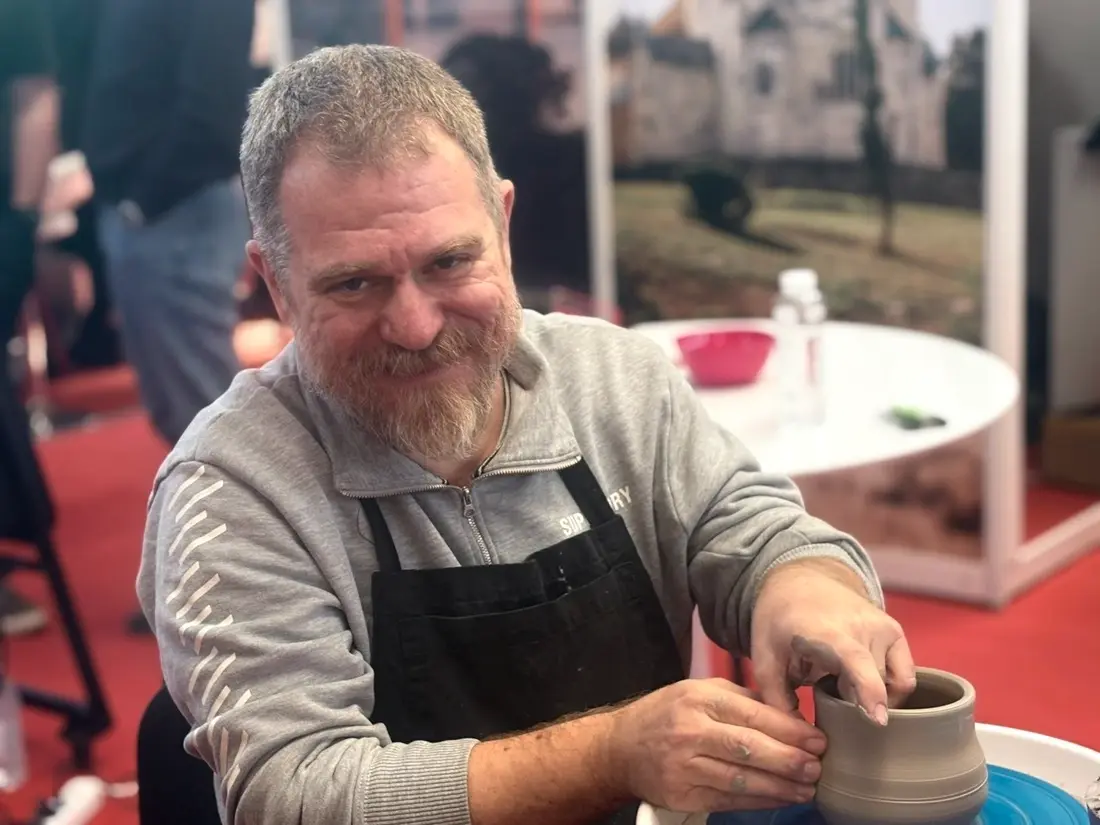
“Anyone can learn this,” our interlocutor says.
It’s not about talent, but about desire, patience, and the willingness to surrender to the process.”
The making process itself further confirms this philosophy. Wet clay is first shaped, then the piece is left to dry for several days - usually between four and seven, depending on external conditions. This is followed by firing at around 900 degrees, then glazing, and finally a second firing that gives the object its final form and durability.
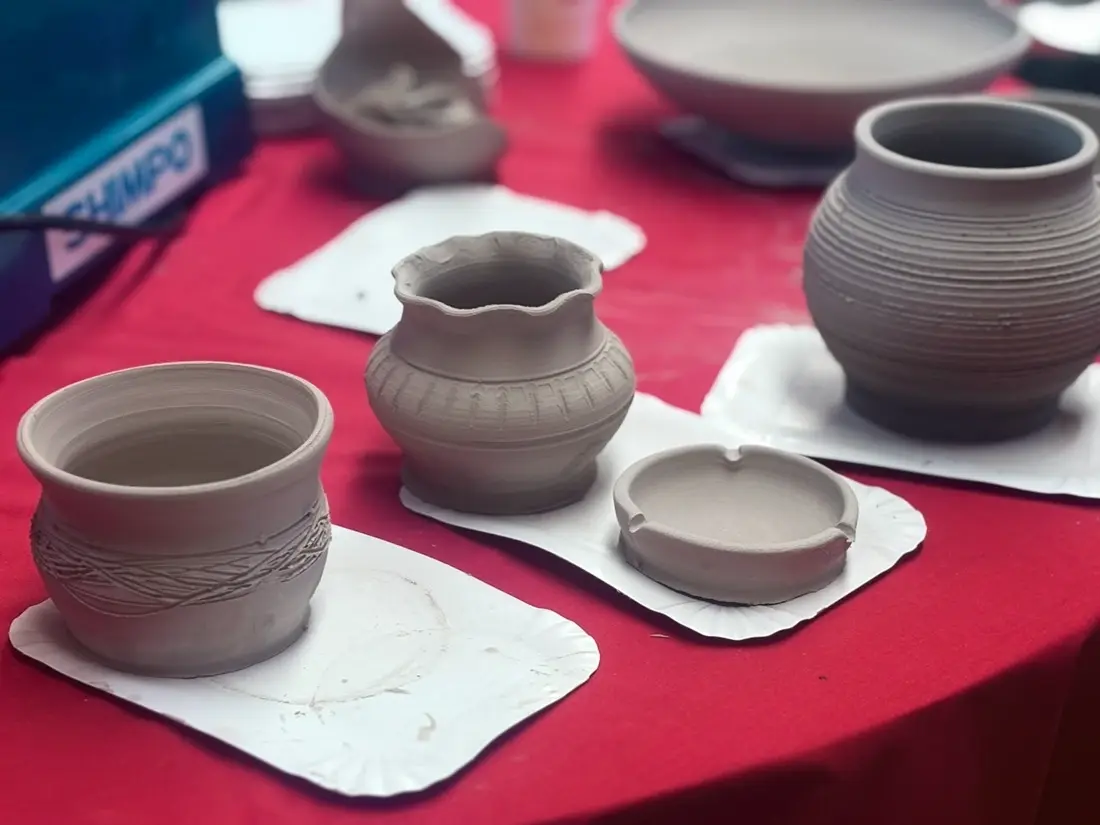
In this seemingly simple yet deeply thoughtful process, pottery becomes much more than a craft. It becomes a space of encounter - between human and material, between control and freedom, between what we know and what we are yet to discover.
And perhaps that is its greatest beauty - the fact that it brings us back to ourselves.
- Written by: Anđelka Marković / HEDONIST