The Soul of a City Is Discovered in Taverns
![[object Object]](https://api.hedonistmagazine.net/storage/images/2026/03/862be6f4-bb88-4177-8ad3-233be3b5a816.webp)
Serbian poet Đorđe Nešić once told me about his student days in Osijek. The day, he said, would begin with an espresso at “Super,” and continue with a drink at the “IPK” restaurant on the promenade.
Editorial note: This text is part of the HEDONIST archive and was originally published in 2020, in the second issue of the print edition.
People would leave their workplace during a break that often lasted until the end of the working day. Štok, “Badel” cognac, and “Rubin” brandy were the drinks of that era. Evening outings continued in the “Tufna” and “Medison” discotheques, while the more persistent would scatter across the taverns of Baranja - “Uranak,” “Košuta,” “Studenac.” The hopeless cases would end up at Ljubo Trovač’s place in Dubrovacka Street. Among truck drivers and other shipwrecked souls, and with frequent police raids, one could greet the morning there.
Nešić’s generation knew what ours knows as well: the soul of a city is best discovered in taverns, in that half-world of the failed and the gifted. Stories about libraries and museums were mere incidents at family gatherings, while tales, fables, and legends about taverns, tavern people, and the tavern mindset were “the appetizer, the main course, and the dessert.” Banja Luka, too, has something to be proud of. Or at least it once did - like most cities in the Balkans - because the fast pace of modern life does not tolerate the calm and ceremonial atmosphere of the tavern.
The oldest tavern in Banja Luka, according to records, was “Sing-sing.” It stood on that invisible border separating the urban zone from Lauš. Older residents recall it as a true dive bar where rum and Vlahov were consumed. It belonged to Bora Šmit, whose grandfather Bernard had moved from Germany to the city on the Vrbas River more than a century ago. Over time, the wealthy German family built several houses at the beginning of Karađorđeva Street, housing the “Sing-sing” tavern and a few shops. The tavern has long since closed, but there are still those who remember the brandy served from small glass bottles at Bora Šmit’s place.
Among the last Banja Luka taverns was the famous “Snek,” which, many say, lost its soul after renovation. Milutin’s tavern, located in the Banski Dvor, was also closed - like “Snek,” a regular haunt for journalists and writers. “Tehnika,” located in one of the small shacks at Paskulina Ciglana, has also disappeared. Many believed it would become something like the popular “limara” at the bus station - the last chance for those with tired feet and their last few coins.
Fortunately, some places have survived. “Brtan” in Petrićevac, although occasionally closed, remains the only tavern in the city where you can enjoy a proper bean stew with sausage while watching a Champions League semi-final. It is also a refuge for the last card players, who spend their days and nights playing raub, bela, and remi.
For those who prefer the Vrbas riverside, there is “Tihe noći,” a tavern that was “refreshed” a few years ago but lost none of its original charm. A few hundred meters away is “Mala Skadarlija,” which, with its perfect mućkalica and divine wine, brought the spirit of bohemian Belgrade to Banja Luka. Initially a meeting place for snobs who broke their first glass to tamburica music in their forties, “Mala Skadarlija” eventually became what such a place should be—a haven for sensitive palates, throats, and ears.
The inn “Staro ćoše,” known to everyone as “Kod Jure,” is located in Rosulje and serves as a “home” for Banja Luka’s taxi drivers, journalists, and traders. Legend has it that the best smoked pork knuckles are prepared there, always served with horseradish, though you won’t go wrong if you opt for goulash or beans instead.
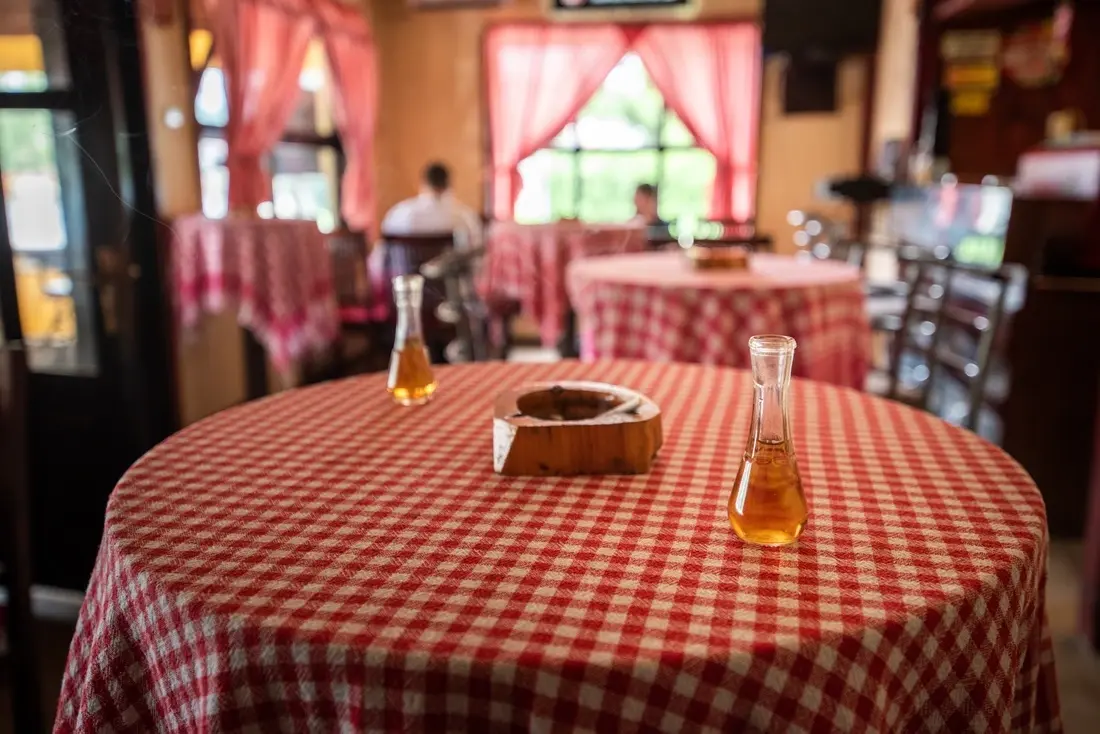
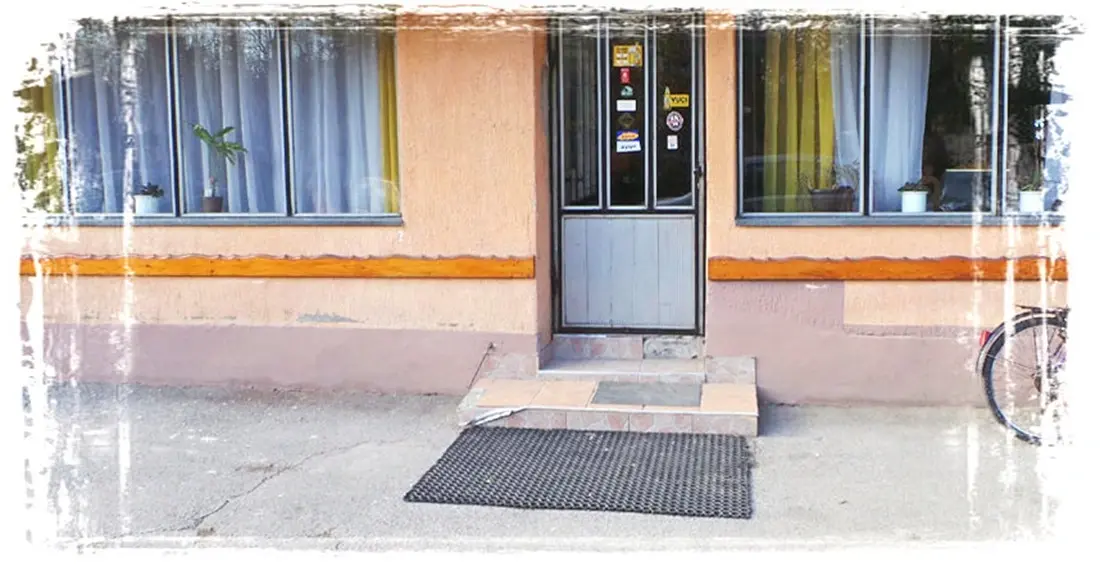
In Petra Kočića Street, at number 17, behind the National Assembly of Republika Srpska and across from the Tobacco Factory, stands the last Banja Luka tavern—“Krajišnik.” It has stood there for nearly half a century, now solitary, the last among many that have disappeared, closed, or live only in the memories of older residents.
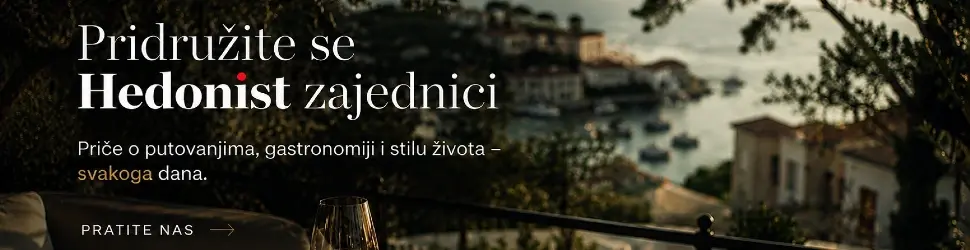
For most, this tavern is called “Kod Ruže,” and regardless of everything, that remains its true name. Ružica Kerkez, known as Ruža, is the owner and the undisputed “guardian of the tavern penalty area.” Drunken guests and overzealous inspectors have tried for years to break through her defense, but none succeeded. Neither ball nor player could pass “the Mother.” She was and remains the perfect defender, serving the best brandy in Banja Luka’s taverns—the famous “yellow”—which still draws both locals and passersby.
Bohemia
Poet Ranko Preradović, better known as Deda, has been writing for years a book about Banja Luka’s bohemian life - and, by extension, its taverns.
“Out of about ten taverns, only ‘Krajišnik’ has survived. First, there was ‘Snek Bar,’ or ‘Zora,’ as it was formerly known. In front of it stood a dead willow where we used to sit. Then there was the ‘Mostar’ tavern, the Theatre Club, and the Cultural Center Club. Bohemians also gathered in parts of the ‘Bosna’ and ‘Palas’ hotels, even though they were considered ‘modern taverns,’” says Deda Preradović.
- Written by: Goran Dakić / HEDONIST
- Published in HEDONIST Magazine 02, 2020