

The Smell of Mandarins

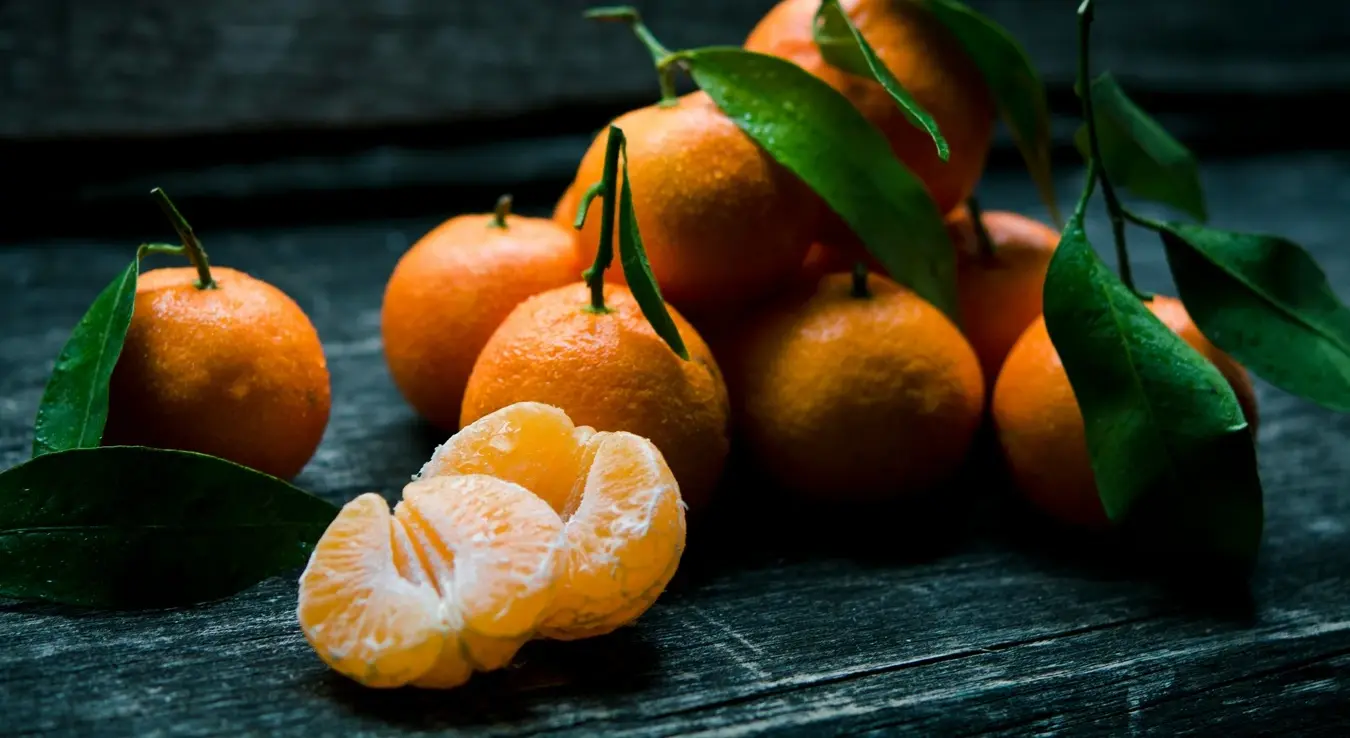
How one small fruit became the scent of winter, and why we remember it before we even see it
Winter doesn't begin with the first snow. It begins with a sound: the soft crackle of peel coming away from the fruit, followed by a scent that spreads through the whole room in a second. All it takes is someone in the next room peeling a single mandarin, and we all know, no matter how old we are, what time of year it is.
Scent has this strange power. Unlike the other senses, it travels almost straight to the part of the brain where memories are kept, with no questions and no middlemen. That is why we don't eat a mandarin only with our mouths. As we peel it, a radiator that is just starting to warm up comes back to us, along with wet boots in the hallway and a television murmuring in the background, playing the same program as every year.
From the South, in Crates
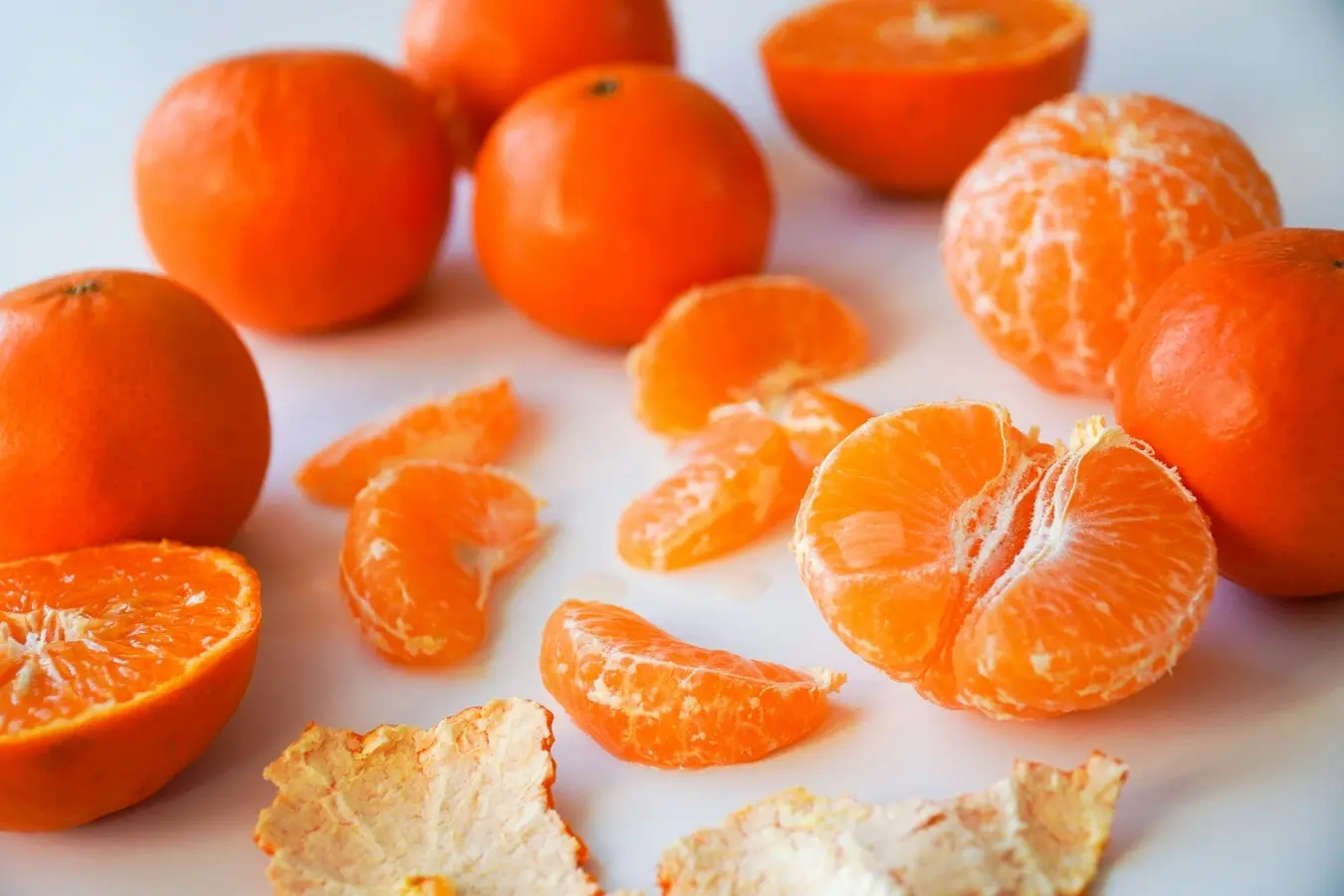
Its story doesn't begin in the kitchen but far away from it, in the Neretva River valley. There, near the sea, on plains sheltered from the worst of the wind, mandarins are picked just as winter sets in. They were gathered on cold mornings, packed into wooden crates and carried north by truck, over the mountains, to markets and shops. There they were stacked into orange pyramids, and all that brightness looked a little unreal beside the gray November streets.
If we go back even further, to China, where it originates, the name is said to come from the orange robes of high officials, the mandarins. That story has been passed down for a long time, and we accepted it without checking, because we like it: a fruit that carries a title.
For a long time, in our homes, southern fruit in the middle of winter was not something to be taken for granted. A mandarin wasn't a foodstuff. It was an event.
The Box Under the Tree
That is why it ended up where events are kept: under the tree. Beneath the branches sat a box or a small parcel, and in it, between a chocolate bar and a few candies, a mandarin or two. Each one somehow carried the weight of a gift. We didn't eat it right away. We held it in our hands, smelled it, weighed how long we could make it last.
Every household also had its own small ritual. Grandma would put the peel on the stove or on the radiator, and within half an hour the room would fill with a scent that no air freshener has ever managed to match. You could say it was the first aromatherapy in the history of the household, except that it wasn't called that. It was called: don't throw that away.
Why That One
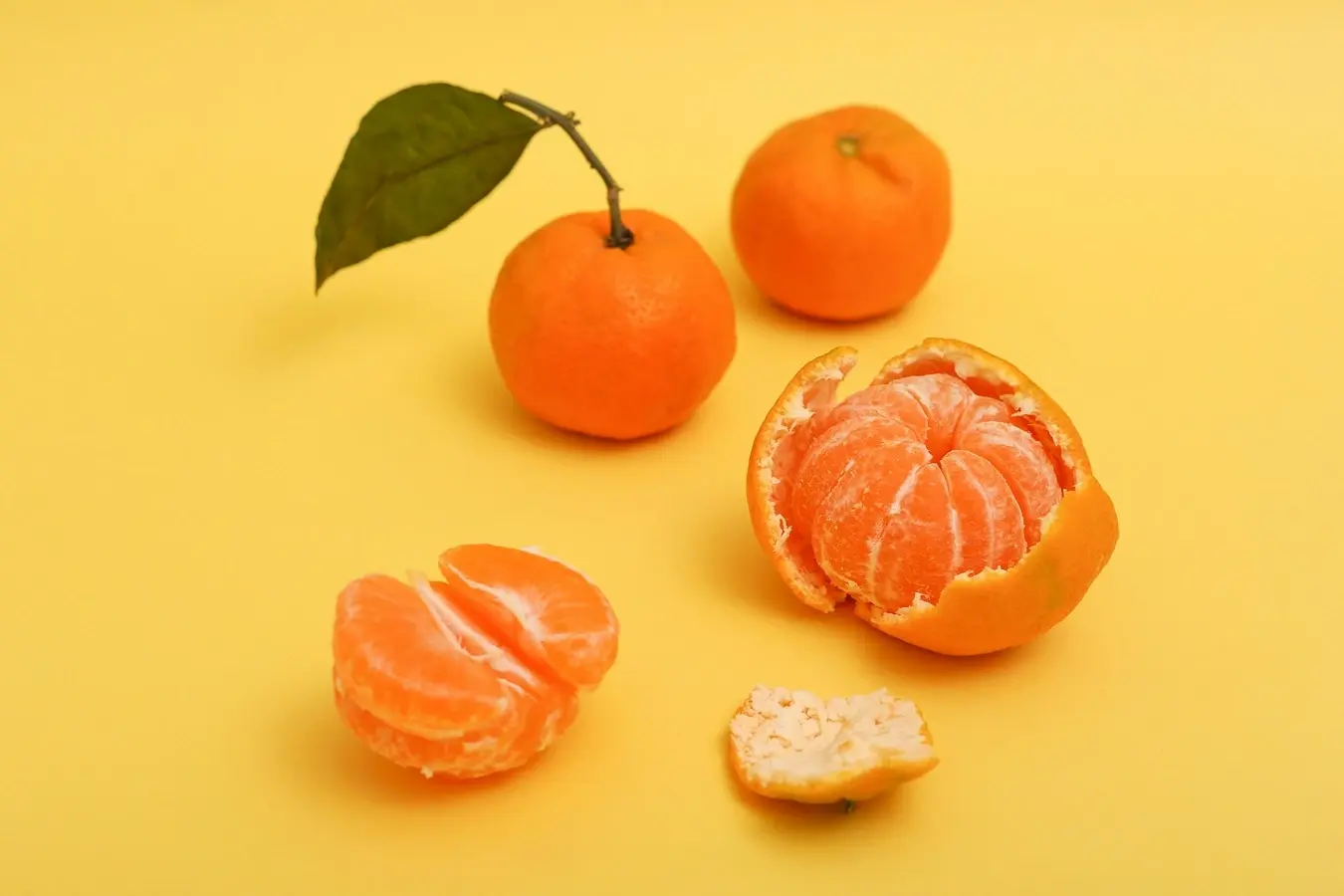
The fragrance comes from what is released when we press the peel: it holds tiny glands full of essential oil, so it is enough to bend it slightly and the scent bursts into the air. That is why nothing else smells so quickly and so clearly. We open it with our hands, and the scent is ours before the first segment has reached our mouths.
And then there is the timing. The mandarin arrives exactly when we need it: when the days grow short, when we gather in warm rooms, when we pull back from everything we ran after all year. It comes neither too early nor too late. There is no summer or spring to remind us of it.
What Remains
So when we come across a crate of mandarins in a shop and someone in passing picks one up, we aren't buying just fruit. We are buying fifteen seconds of childhood. We are buying the hallway, the tree, grandma's stove, and a voice from another room telling us to come and eat.
Every winter brings something new. The mandarin is the only one that always brings the same thing, and that is why we forgive it for being so small.