

Scents That Changed History
![[object Object]](https://api.hedonistmagazine.net/storage/images/2026/05/4de4b58a-c4ca-45e6-ab10-68efbcafde6c.webp)
Today, spices are simply something that sits on the shelf between salt and sugar. A small detail we add almost automatically, without much thought. Yet for centuries, these tiny powders, seeds, and bark fragments were among the most valuable things in the world. Expeditions were launched because of them, new continents were discovered, trade routes were built, and wars were fought.
Europe did not seek new routes solely for gold. It searched for pepper, cinnamon, nutmeg, and other exotic aromas arriving from the East. At one point in history, spices were so valuable that they served as currency, gifts for kings, and symbols of wealth. What today fits inside a small glass jar once changed the course of the world.
And perhaps that is why the story of spices has never been just about food. It is a story of travel, luxury, trade, culture, and humanity’s obsession with flavors coming from distant lands.
Saffron - Red Gold
If there is one spice that still feels luxurious today, it is saffron. Often called the most expensive spice in the world, the reason is almost unbelievable: producing one kilogram requires tens of thousands of flowers to be picked by hand.
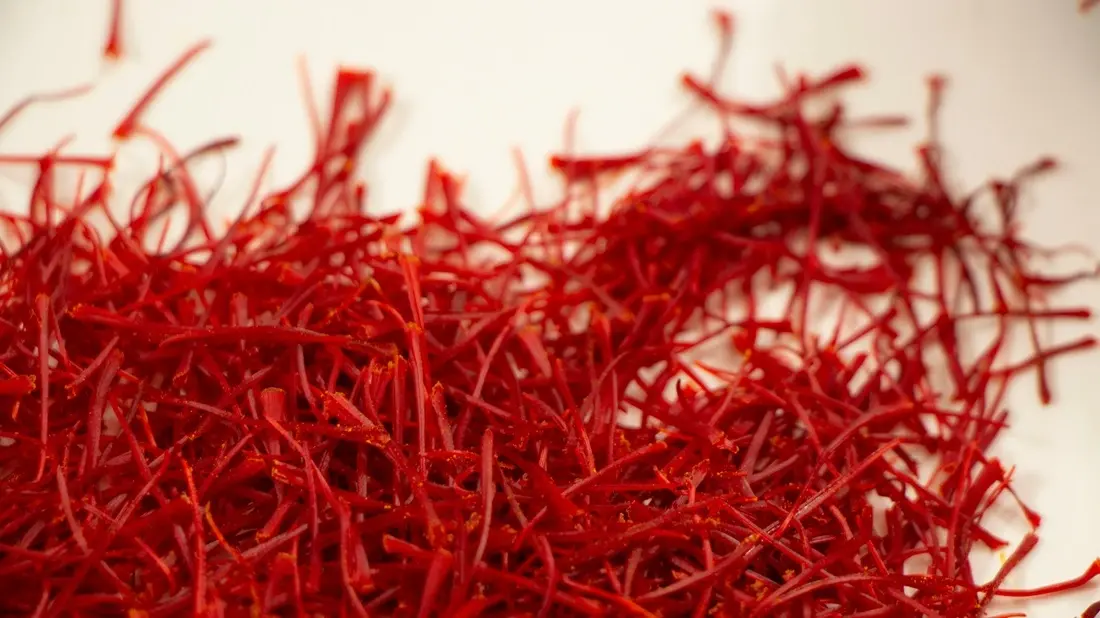
Saffron comes from the Crocus sativus flower, and only its delicate red stigmas are used. The harvest lasts only a short time, is done entirely by hand, and demands extraordinary precision. That is why saffron continues to command such respect.
But its value has never been only about rarity. For centuries, saffron symbolized power and luxury. Persian emperors, Roman nobles, and medieval European elites all used it. It was added to food, perfumes, and even baths.
Its aroma is not overpowering, yet it lingers long - earthy, warm, and slightly sweet, with a color that instantly transforms any dish into something special.
Vanilla - Much More Than an “Ordinary” Scent
Vanilla is probably the most underestimated luxury in the world.
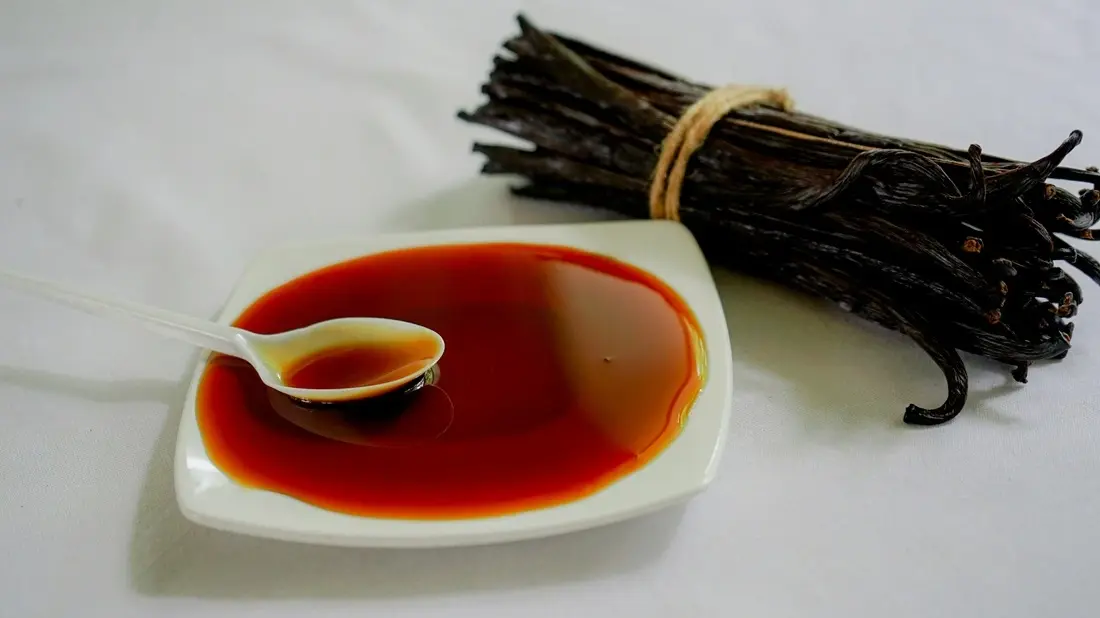
Today, we associate it with ice cream, cakes, and scented candles, but real vanilla is incredibly complex and, for a long time, was one of the most expensive ingredients on the planet. Natural vanilla originates from Mexico, where the Aztecs used it mainly in chocolate drinks.
What makes it so special is the production process. Vanilla pods must be pollinated by hand, then fermented and dried for months before developing their recognizable aroma.
That is why real vanilla does not have a simple flavor. It carries notes of smoke, wood, caramel, flowers, and something almost impossible to describe - a deep warmth.
Only after tasting natural vanilla do you realize how successfully the industry convinced us that imitation was enough.
Pepper - The Spice That Moved the World
Today, we sprinkle it over food almost automatically, but black pepper was once a status symbol of European aristocracy.
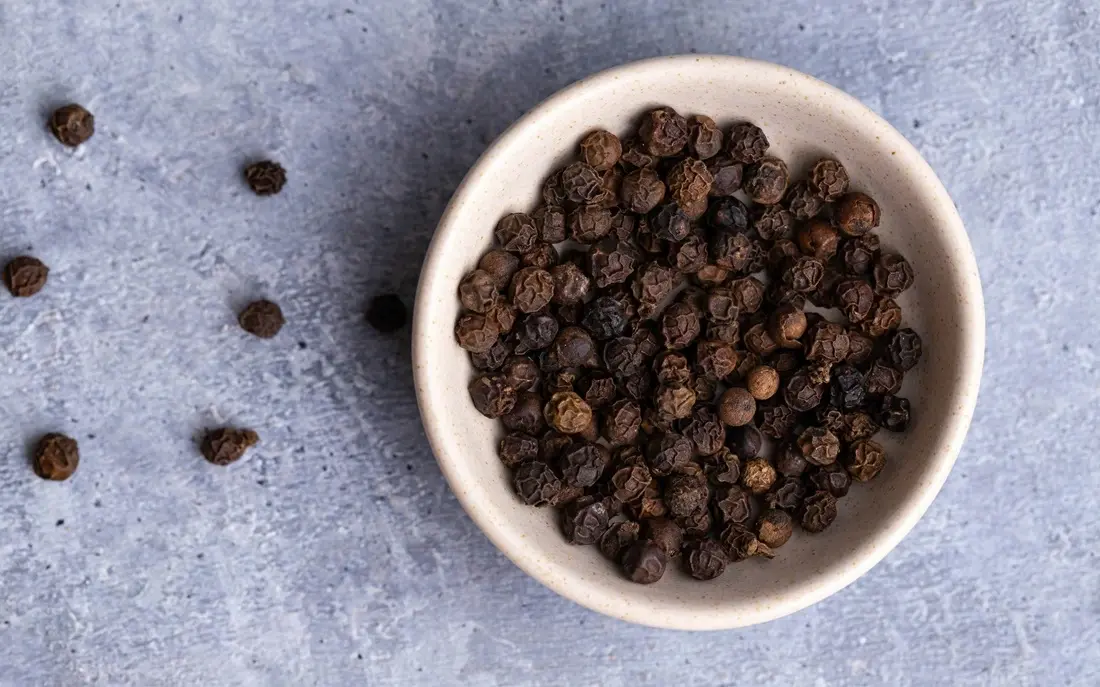
In the Middle Ages, it was so valuable that it was called “black gold.” Taxes were paid in pepper, merchants became rich because of it, and naval powers fought to control the trade routes bringing it from India.
The search for spices, including pepper, directly led to great geographical discoveries and the opening of new sea routes.
Its importance was not only culinary. Pepper represented prestige. If you could afford to use it daily, it meant you belonged to the wealthy class.
Even today, despite how ordinary it seems, freshly ground pepper can completely transform a dish.
Cinnamon - The Scent of Luxury
Few aromas create a sense of warmth as quickly as cinnamon.
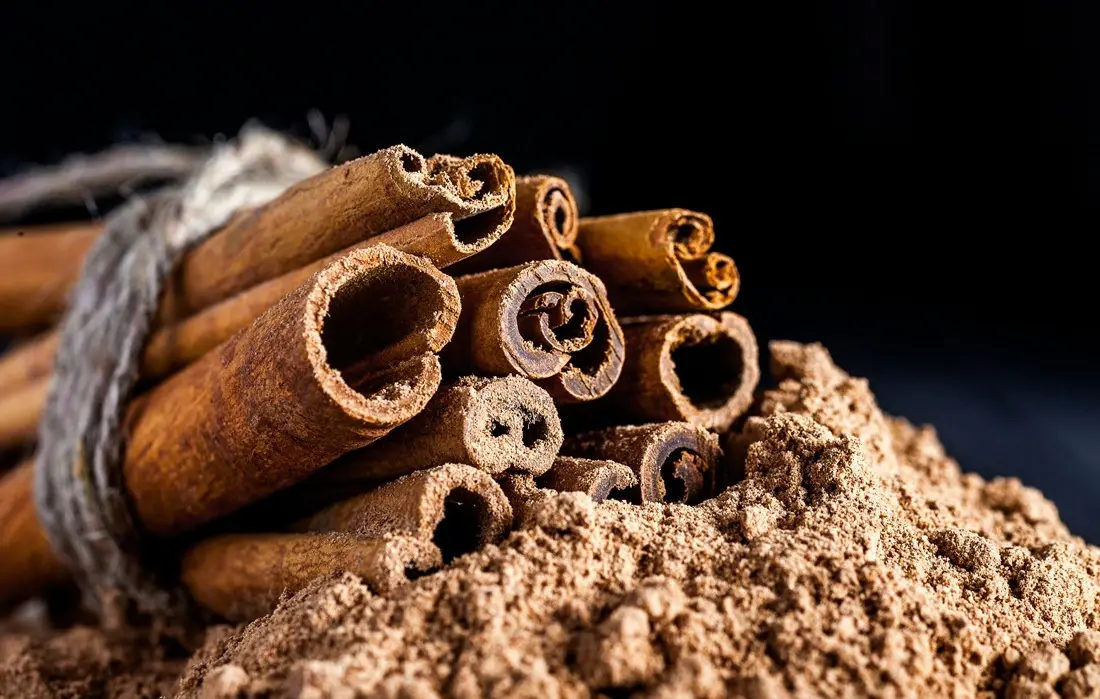
But behind that comforting scent lies a serious history of trade and power. For centuries, cinnamon was one of the most desired commodities in the world. Arab traders carefully hid their true origin in order to maintain monopolies and increase their value.
Later, European colonial powers fought over control of the cinnamon trade, especially in what is now Sri Lanka.
Cinnamon was not merely a dessert ingredient. In Europe, it long represented luxury and exoticism. It smelled like distant lands, wealth, and sophistication.
Even today, there is a significant difference between true Ceylon cinnamon and the cheaper industrial varieties most people use.
Cardamom - The King of Arabic Coffee
In the Middle East, cardamom is not just a spice. It is part of the culture of hospitality.
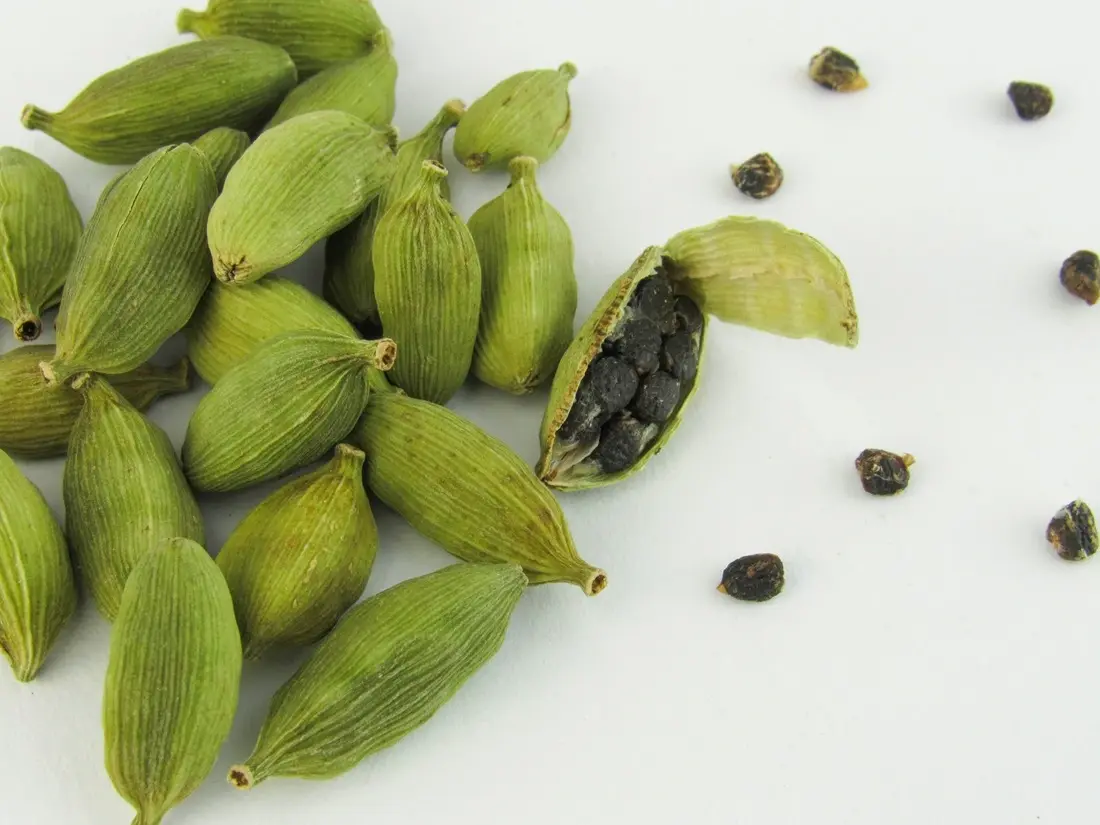
Its intense, fresh, almost citrus-like aroma has for centuries been associated with the coffee served to guests across the Arab world. In many cultures, the scent of cardamom itself means you are welcome.
It is also used in desserts, teas, and meat dishes, but coffee remains its most iconic role.
Cardamom feels luxurious even in tiny amounts. Just a few pods are enough to completely change the character of a drink.
It is no coincidence that many consider it one of the most elegant spices in the world.
Sumac - The Sourness of the Middle East
While Europe often uses lemon for freshness, Middle Eastern cuisine has sumac.
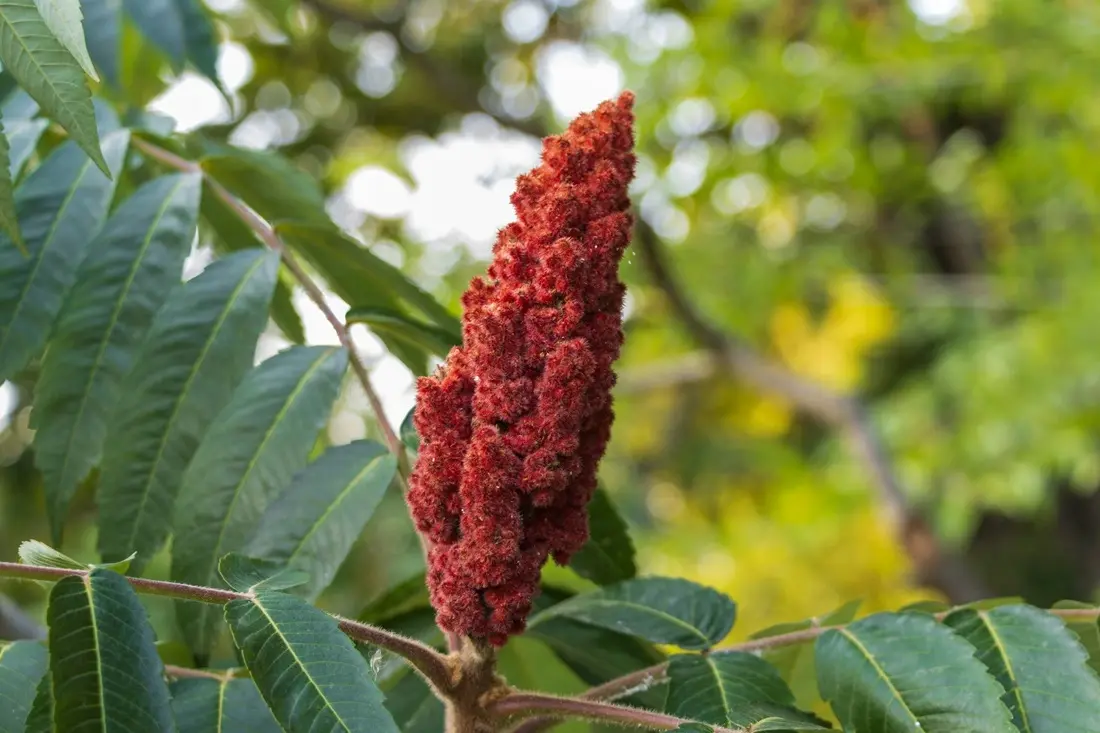
Made from dried berries of the sumac plant, it is recognized by its deep red color and mild, fruity acidity. It is used in salads, meat dishes, marinades, and famous spice blends such as za’atar.
Sumac lacks the sharpness of vinegar and the direct acidity of lemon. Its flavor is softer, warmer, and more refined.
That is exactly why it has become increasingly popular outside the Middle East in recent years.
Wasabi - Japan’s Obsession With Precision
Most people have never tasted real wasabi.
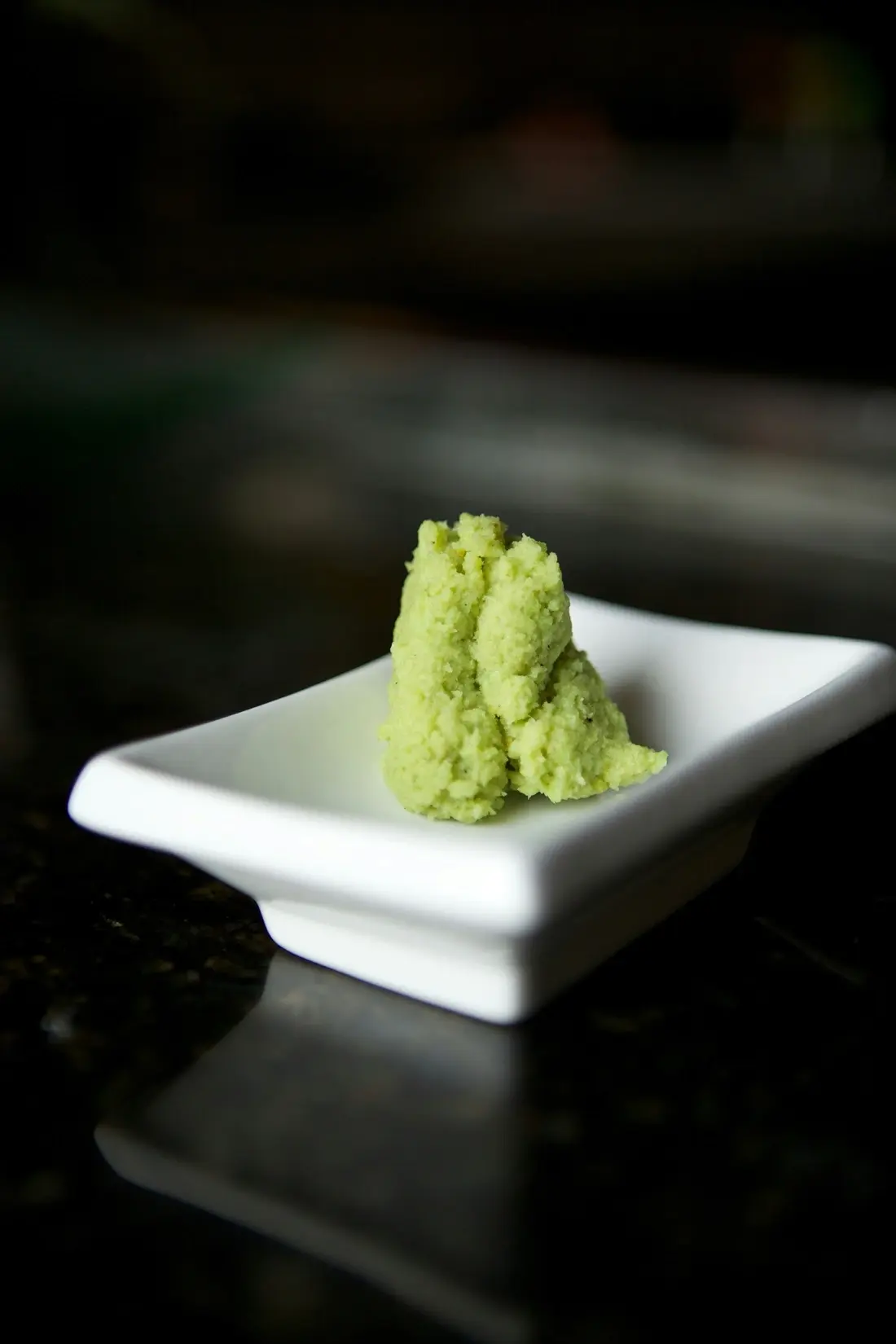
The green paste commonly served with sushi is usually a mixture of horseradish, mustard, and coloring. Authentic Japanese wasabi is far more expensive, delicate, and complex.
It grows only under very specific conditions, in cold and clean mountain water, and cultivating it is extremely demanding. Its heat is not heavy and aggressive like chili peppers. It arrives quickly, fades quickly, and clears the nose more than it burns the tongue.
True wasabi perfectly reflects the Japanese philosophy of food: precision, balance, and respect for ingredients.
Tonka Bean - The Forbidden Aroma
The tonka bean may look unremarkable, but its aroma is almost hypnotic.
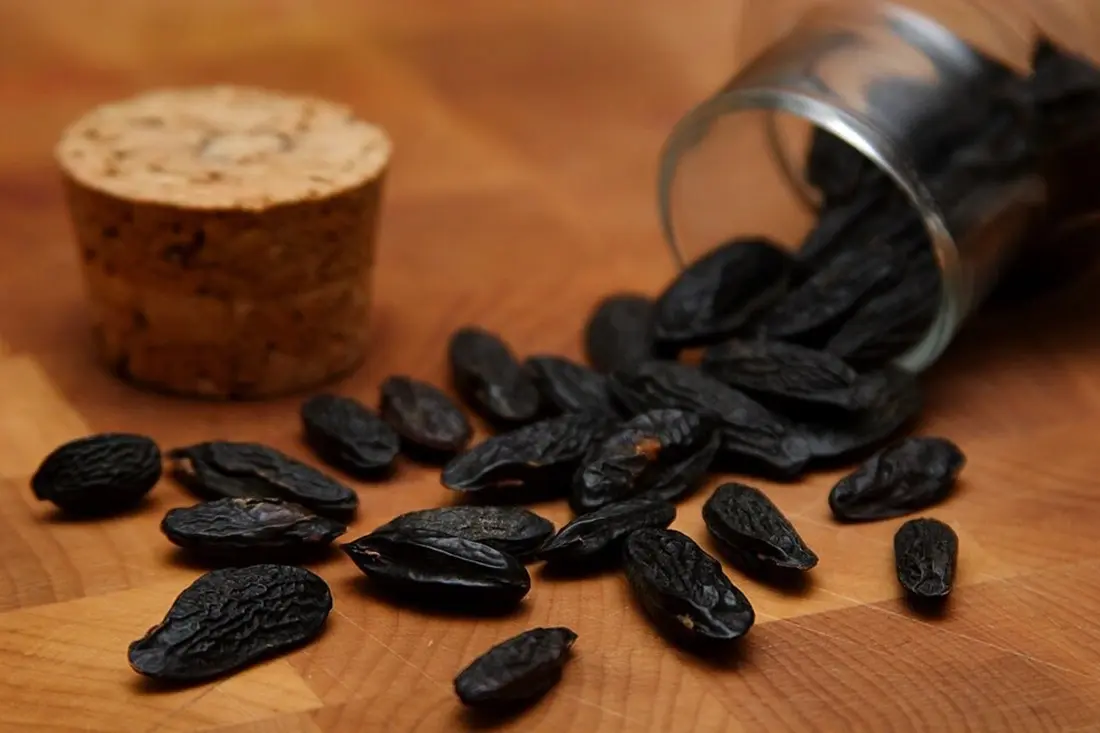
Photo: Dinkum / Wikimedia Commons / CC BY-SA 3.0
It carries notes of vanilla, almond, cinnamon, and caramel all at once. That is why it became highly popular in fine dining and the perfume industry.
However, tonka beans were banned for years in certain countries, including the United States, because of their high coumarin content - a substance that can be harmful in large quantities.
That very combination of luxury, mystery, and prohibition only strengthened its cult status among chefs.
Flavors That Discovered Worlds
Today, when we open a jar of cinnamon or grind pepper over food, we rarely think about how much history those aromas carry.
Yet spices were among the few things capable of connecting continents long before the internet, airplanes, and modern tourism. They traveled by ships, caravans, and secret trade routes, transforming economies, cuisines, and cultures.
Perhaps that is why spices still hold something special within them - something capable of turning an ordinary meal into a journey.
Because behind every great spice lies much more than flavor. There is the story of a world that spent centuries searching for scents.