

A Tent at the Edge of the World: Greenland and the Luxury of Emptiness

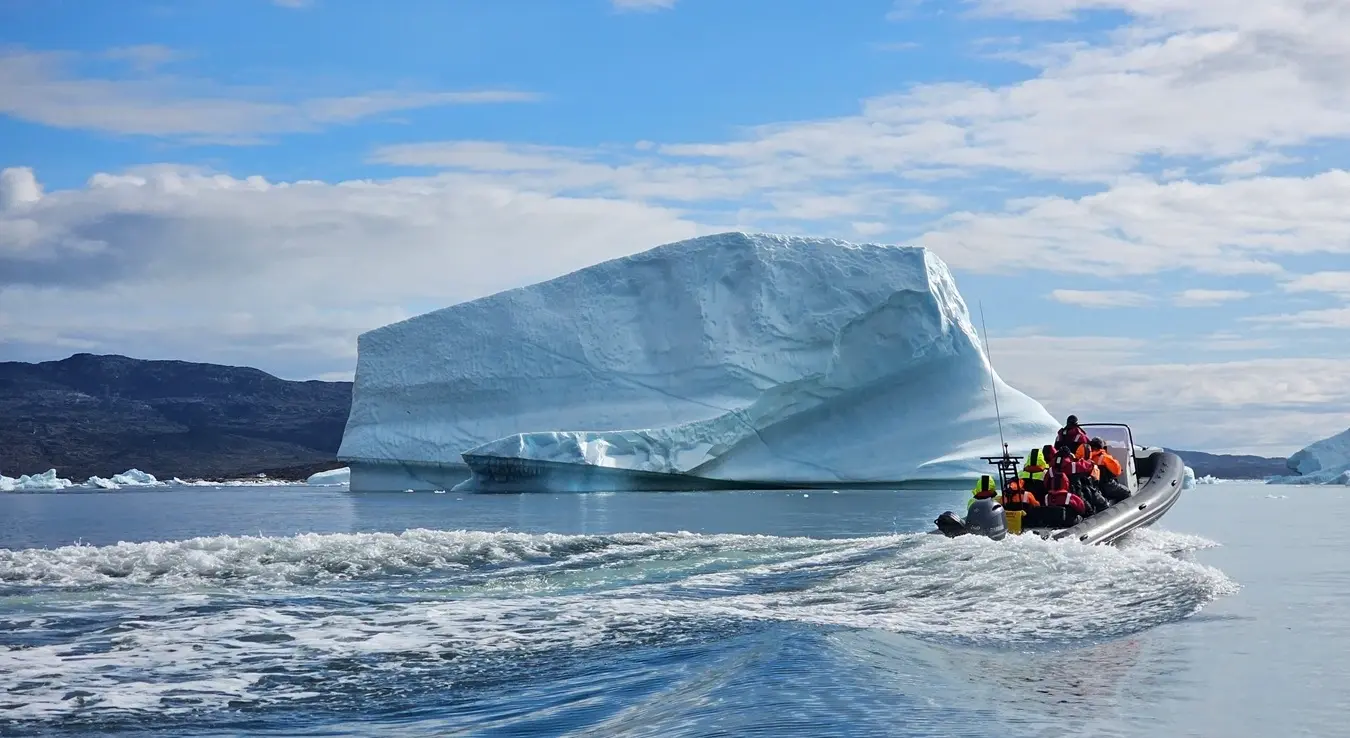
Around 80 per cent of the world’s largest island lies beneath ice. It has a legendary hiking trail with no shops along the way, and an eastern coastline where venturing out without an armed guide is strongly discouraged. Here is what camping looks like in a place where the greatest attraction is everything that is missing.
In Greenland, you can buy a rifle powerful enough to stop a polar bear at a supermarket without a permit. The country’s official tourism organisation states this openly, then adds a helpful reminder: if you don't know how to handle a firearm, don't even consider trying. Hire a guide instead.
That warning captures something essential about a country where camping follows a different set of rules from anywhere else in Europe.
Know the Rules
The good news is that wild camping is generally permitted outside settlements, and Greenland’s best-known hiking trail doesn't require a permit. The word generally matters, however. Greenland introduced its first tourism legislation on 1 January 2025, making it wise to check the latest regulations before setting out. If something goes wrong, search-and-rescue operations fall under the Joint Arctic Command of the Danish Armed Forces, a reminder of just how vast and remote this landscape can be.
A Trail Few People Ever Walk
The Arctic Circle Trail links Kangerlussuaq and Sisimiut on Greenland’s west coast. Stretching approximately 160 kilometres, it crosses one of the country’s largest ice-free regions. Most hikers take between seven and ten days to complete it. The landscape unfolds through tundra, lakes and reindeer country, with the occasional Arctic fox if luck is on your side. According to figures cited by Lonely Planet, the trail typically attracts no more than 1,500 hikers in a season.
Eight basic huts stand along the route, each with four to six sleeping places, available free of charge on a first-come, first-served basis. They cannot be reserved, which makes a tent less a luxury than a safeguard against arriving to find every bunk occupied. Fresh water is plentiful, with lakes and streams scattered throughout the landscape, but shops are found only at either end of the trail.
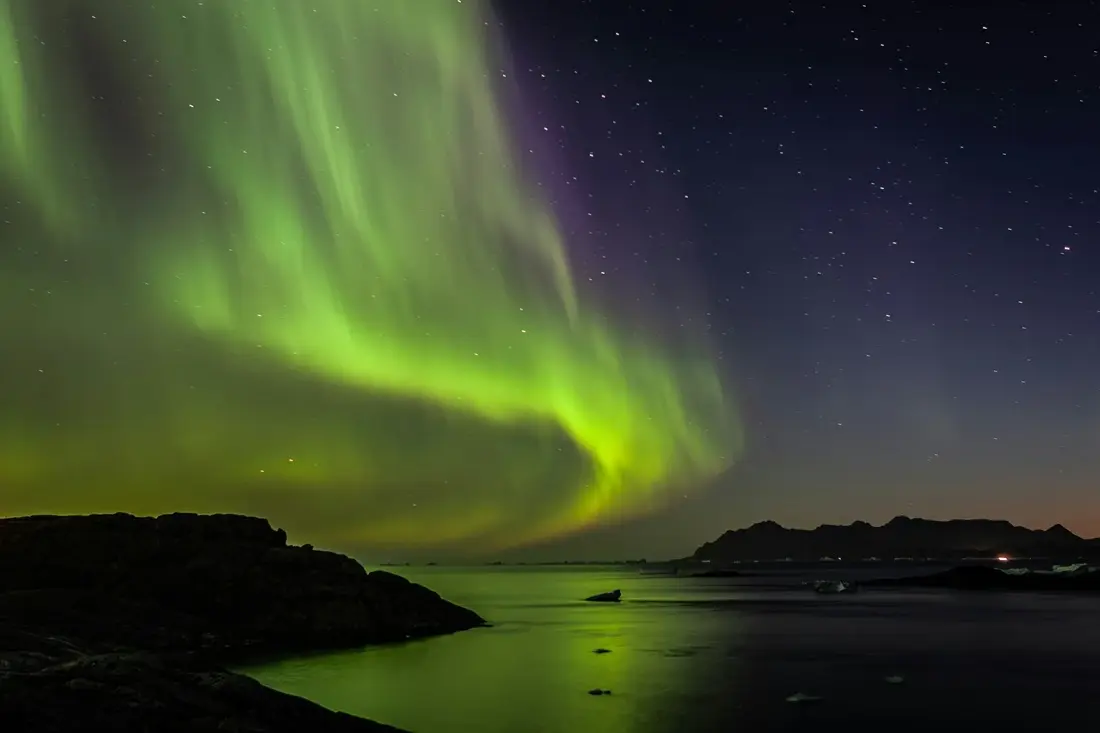
The hiking season runs from mid-June to mid-September. In midsummer, mosquitoes are often the main adversary, making a head net an essential piece of equipment. At least they do not transmit disease. By early September, they begin to disappear, while the northern lights return to the night sky.
The Details That Make the Difference
- Fuel
Gas canisters cannot be taken on aircraft, so they must be bought locally. They are sold in both towns, but the connection must match your stove. Hikers have found themselves without a hot meal after discovering that their canister and stove were incompatible. A multifuel or alcohol stove makes a sensible backup. Empty canisters should never be left behind in the huts.
- Navigation
Greenland’s tourism authorities recommend carrying a paper map alongside your GPS, since technology can fail in the Arctic. Anyone venturing beyond established trails should also consider a satellite communicator such as the Garmin inReach. It is worth informing the police in Kangerlussuaq or Sisimiut of your intended route before departure.
- Weather
Summer temperatures can climb above 20°C, but unpredictability is the defining feature of Greenland’s climate. In winter, transport to remote settlements can be delayed for days or even weeks. Return journeys should therefore be planned with plenty of flexibility.
- Polar bears
On much of the west coast, the likelihood of encountering a polar bear is negligible. Around Kulusuk and Tasiilaq, however, the east coast becomes bear country. Visitors need a firearm or someone who carries one and knows how to use it; the tourism authorities advise hiring a guide. The government recommends a rifle of at least .30-06 calibre and says someone should always remain on watch at camp. The risk is also greater farther north, from Upernavik onwards, and along the eastern coastline.
- Money
Greenland is expensive. Chartering a boat can cost between DKK 2,000 and 5,000 per hour, while a helicopter may cost around DKK 21,000 for up to five passengers. Against those figures, pitching your own tent is one of the most affordable decisions you can make.
Getting There - and Why Now Is the Time
Greenland’s travel infrastructure is changing rapidly. Nuuk opened its new international airport in November 2024, followed by Qaqortoq in April 2026. From 29 October, Ilulissat is due to gain a direct connection from Copenhagen, with a flight time of around five hours. Between June and September, flights from Iceland take approximately three and a half hours. Kangerlussuaq still has seasonal direct flights from Copenhagen, although its role as a major transport hub is gradually diminishing. Anyone planning to hike the Arctic Circle Trail has good reason to check flight options well in advance.
For citizens of Serbia, Bosnia and Herzegovina and Montenegro, the good news is that a visa is not required when travelling with a biometric passport. Greenland is not part of the Schengen Area, however, so a Schengen visa alone does not grant entry. Travellers whose nationalities require a visa must apply for the appropriate Greenland entry permission separately.
Visitor numbers are rising. Tourist arrivals increased from 92,637 in 2022 to 131,767 in 2023, and Visit Greenland has warned that accommodation shortages could become an issue in the coming years. In that context, a tent offers one advantage no hotel can guarantee: it cannot be fully booked.
When to Go
Visit Greenland describes September as an ideal month for hiking. The mosquitoes have largely disappeared, and the northern lights return as the nights grow darker. Average temperatures range from around –2°C to 6°C.
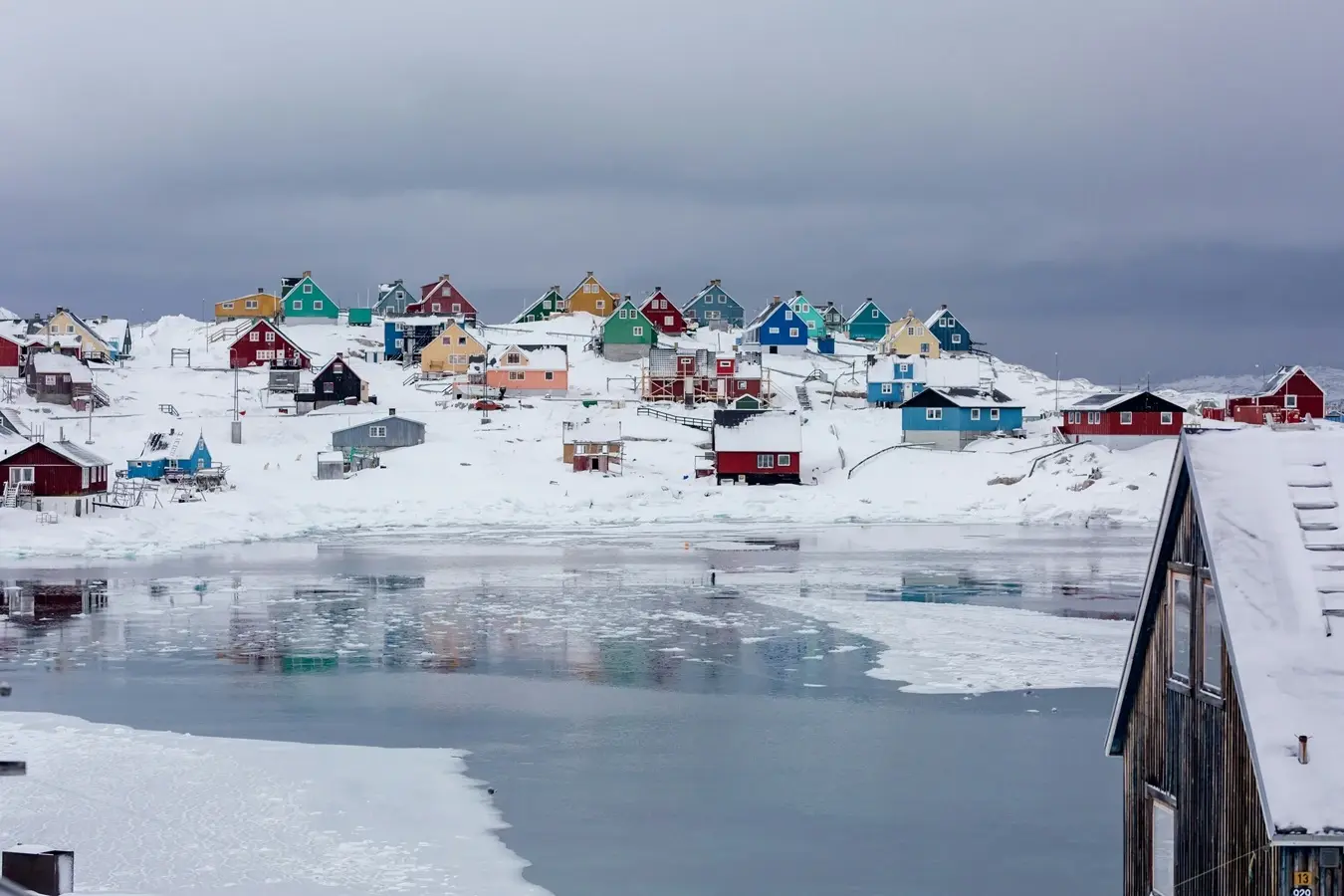
Summer is the season for long daylight hours and, in the north, the midnight sun. Spring - particularly March and April - belongs to dogs and sledges, when the same immense wilderness can be crossed by a dog team over the course of several nights. Winter camping is possible with a guide, and in November, Nuuk even offers the chance to spend the night in suspended tents beneath the northern lights. In January, temperatures can plunge to –24°C.
Greenland rewards those willing to travel beyond the familiar comforts of organised tourism. Here, the distances are vast, the weather sets the terms, and even the simplest plans require preparation. Yet that is precisely the appeal: a landscape where silence is not curated, solitude is not a selling point, and the tent becomes a small shelter in a world that remains gloriously indifferent to human presence.