

The City Where the Workday Ends on a Mountaintop: Bergen Named the Best Place to Live in Europe
![[object Object]](https://api.hedonistmagazine.net/storage/images/2026/09/bd9e5237-a4d4-46db-b838-08142cea6ed7.webp)
Picture a workday that doesn't end with a stressful commute home, but with a hike up a mountain trail overlooking an entire fjord, sunlight still hanging high over the water even though it's already past five in the afternoon. That's not a travel agency's marketing fantasy - it's everyday life in the city that has just been named the best place to live in Europe.
Every year, the consultancy Oxford Economics analyzes the world's 1,000 largest cities through its Global Cities Index, scoring them across five broad categories: Economics, Human Capital, Quality of Life, Environment, and Governance. Narrow the focus down to quality of life alone - a category measuring income equality, income per person, housing costs, life expectancy, crime rates, and access to culture and recreation - and the city that climbed to the top of the European ranking for 2026 is Norway's Bergen, followed by France's Grenoble, with Switzerland's Bern rounding out the top three.
Bergen: the city where the mountains are always closer than the office
Bergen, tucked against the Byfjorden fjord and ringed by seven surrounding mountains, took second place in the global quality-of-life ranking - trailing only Australia's Canberra and ahead of every other city on the planet. That makes it, by a wide margin, the best-performing European city in this category.
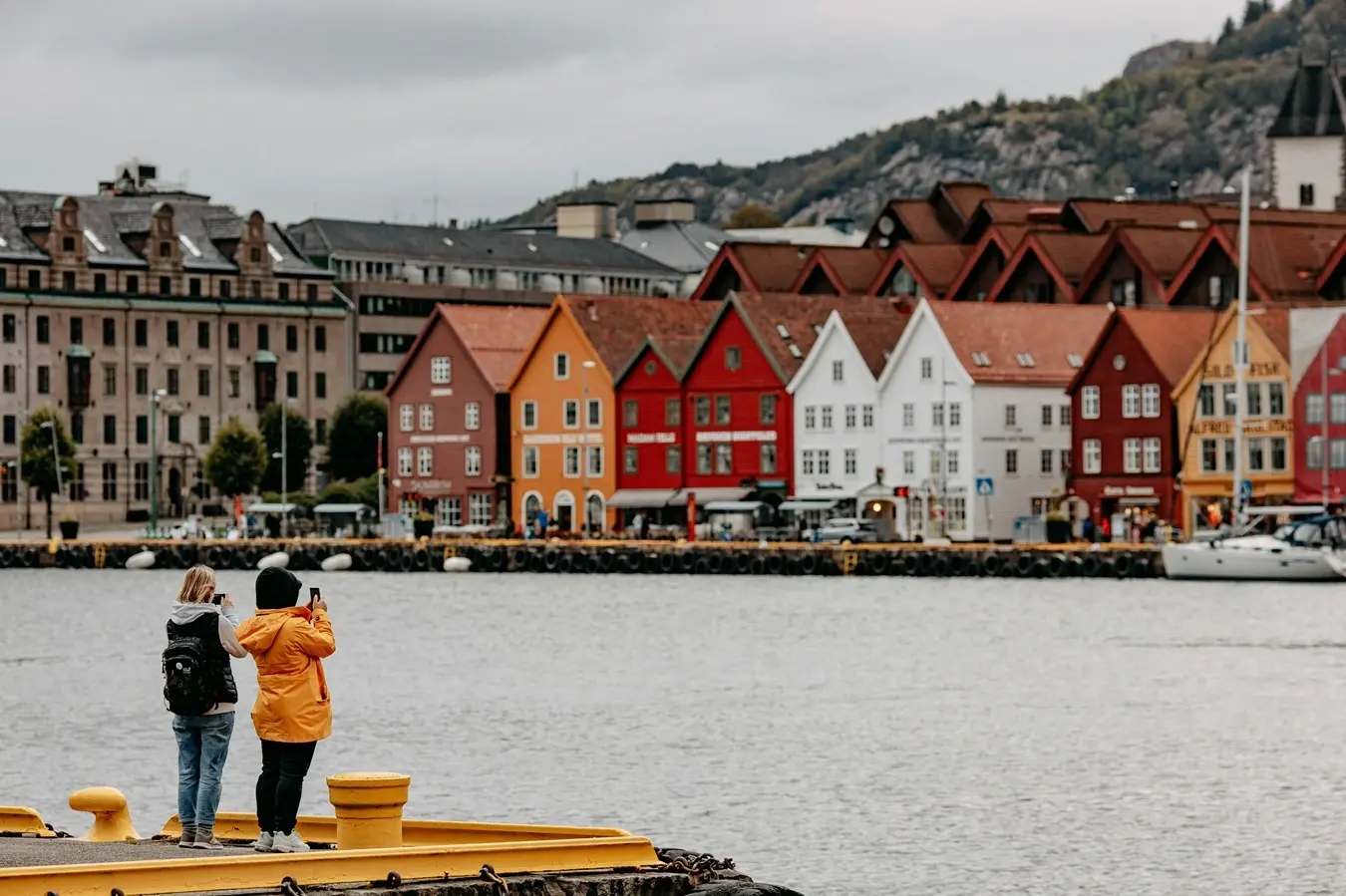
Founded back in 1070, when King Olav Kyrre established a settlement along the bay of Vågen, the city today combines high wages, remarkably low income inequality, and top-tier healthcare through Haukeland University Hospital, one of Norway's leading medical institutions. That combination shows up directly in life expectancy figures that rank among the highest on the continent. But what truly sets the city apart is how close nature sits to everyday life - hiking trails begin practically at your doorstep. At the same time, Bryggen, the historic wooden wharf district and a UNESCO World Heritage Site since 1979, still bears witness to the era when Bergen served as one of the main headquarters of the Hanseatic trading league for nearly four hundred years during the Middle Ages. The colorful wooden buildings lining the harbor, rebuilt after several major fires - including one in 1955 - have always been faithfully reconstructed to their original blueprints, preserving a look Bryggen has carried since the twelfth century.
Grenoble: France's laboratory city, ringed by the Alps
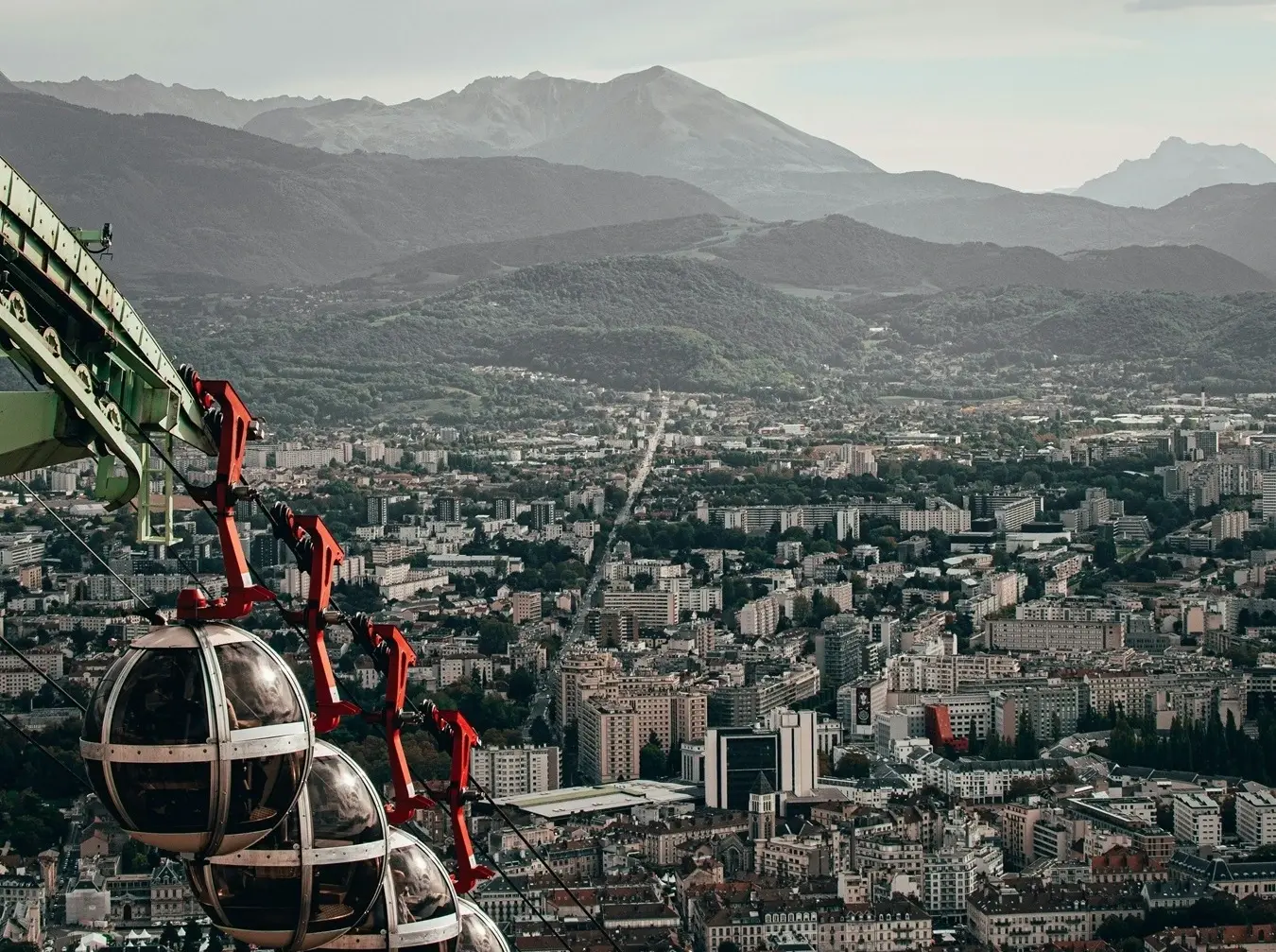
France's Grenoble, which topped this entire ranking outright back in 2024, took fourth place globally and second in Europe, thanks to an unusual pairing that rarely goes together: a serious scientific and technology sector, anchored by institutions like the French Alternative Energies and Atomic Energy Commission, and world-class ski slopes right at the city's edge.
For residents, that means a workday spent in a research lab or tech company can naturally turn, that same evening or the following morning, into a run down a black run in the French Alps. That balance between a serious career and easy access to nature is precisely why Grenoble reliably lands near the very top of Europe's quality-of-life rankings year after year, despite being considerably less famous internationally than cities like Paris or Lyon.
Bern: a calm capital without the rush of a major metropolis
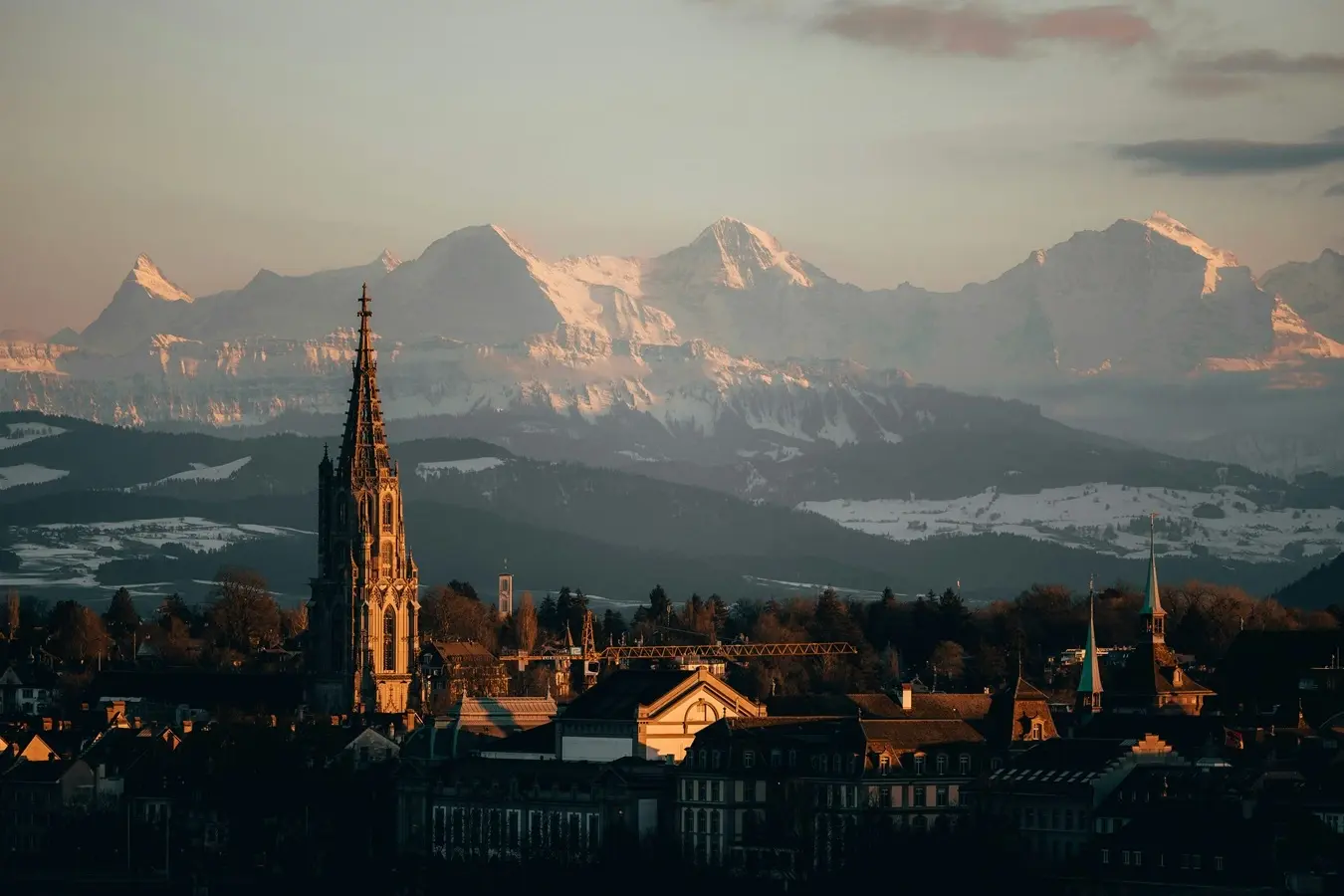
Third place went to the Swiss capital, Bern - a city considerably smaller and quieter than most European capitals, and it's precisely that trait that seems to give it an edge. High purchasing power among residents, remarkably functional public services, and an urban design that deliberately avoids the chaotic rush of bigger cities together allow residents a high standard of living without the stress that typically comes with much larger capitals.
Bern's old town center, itself a UNESCO World Heritage Site, is also known for a rather unusual detail - a pit of live bears along the Aare River, a tradition that has followed the city for centuries and remains one of its most recognizable symbols, even as the rest of the Swiss capital has modernized around it.
The rest of Europe's top tier
The complete list of Europe's ten best cities for quality of life reads as follows: Bergen (2nd globally), Grenoble (4th), Bern (5th), Oslo (6th), Luxembourg (7th), Dresden (8th), Ghent (9th), Paris (10th), Basel (11th), and Linz (12th). It's worth noting that Norway and Switzerland are the only countries with two representatives in the top ten - Oslo joins Bergen, while Basel rounds out Bern's success - confirming a pattern in which smaller but exceptionally well-run Northern European and Alpine cities consistently outperform bigger, louder capitals when the question is purely about day-to-day quality of life, rather than economic power or global influence.
It's worth noting that this reflects only the quality-of-life category within the broader index - factor in economic strength, human capital, and governance, and the global top spots still belong to New York, London, and Paris. But if the question is where the average resident would spend their free time, their after-work afternoons, and the years of their life most comfortably, the answer for 2026 is: somewhere between a Norwegian fjord, the French Alps, and a Swiss bear pit.