
A Town Where Hospitality Tastes Like Wine
![[object Object]](https://api.hedonistmagazine.net/storage/images/2026/02/95851424-d077-4fcd-accc-d5318bb958fa.webp)
In a world constantly searching for new destinations, it is rare for a place to captivate travelers not through spectacle but through its emotional resonance. That is exactly what happened to Montepulciano, a small town nestled among the hills of southern Tuscany, which was recently named one of the most welcoming destinations in the world by the Booking.com platform.
But Montepulciano cannot be explained through awards. It must be experienced.
A Town Meant to Be Discovered Slowly
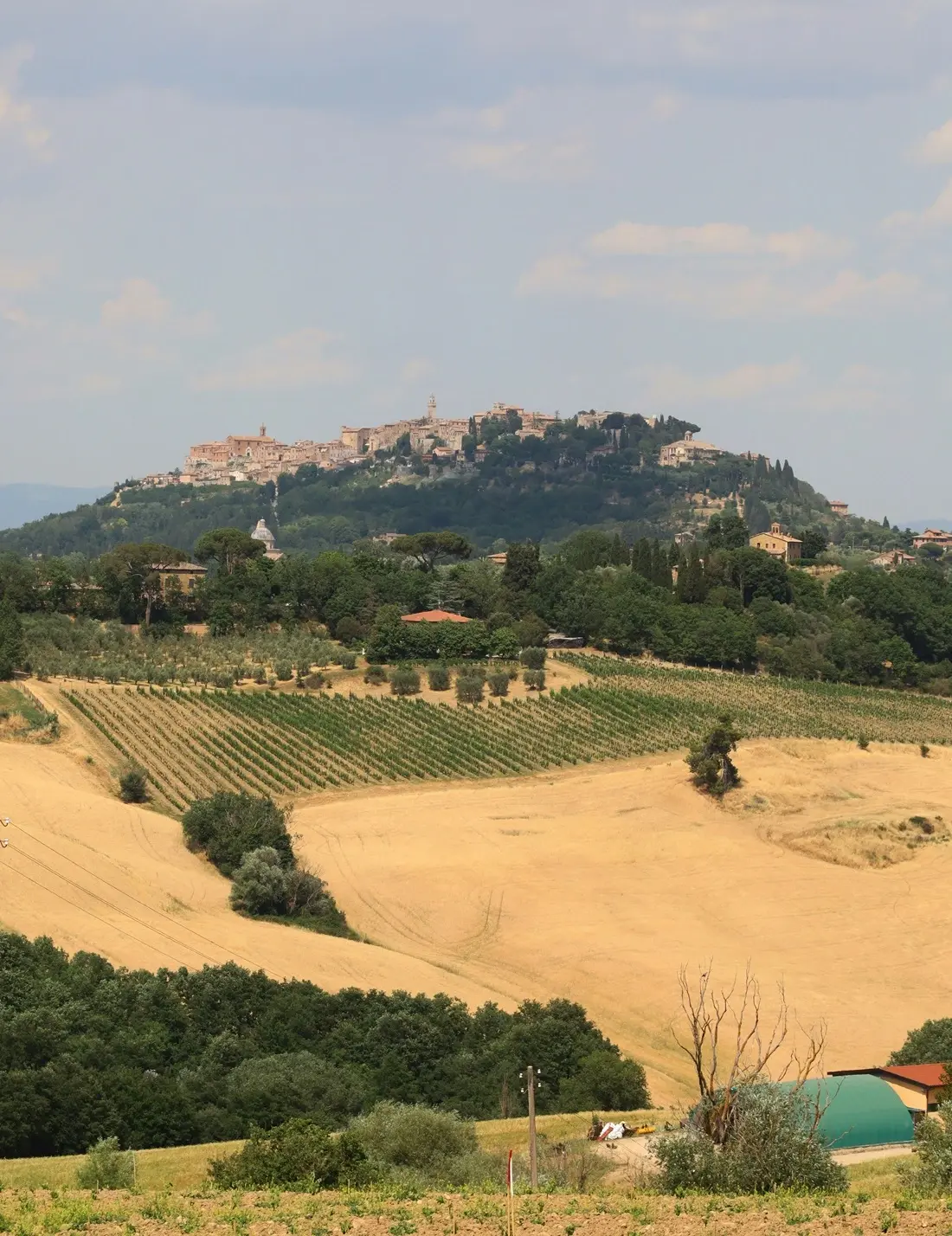
You don’t arrive in Montepulciano by accident. The road winds through vineyards, olive groves, and landscapes that seem lifted from a Renaissance painting. The town appears atop a hill - stone-built, dignified, and quiet.
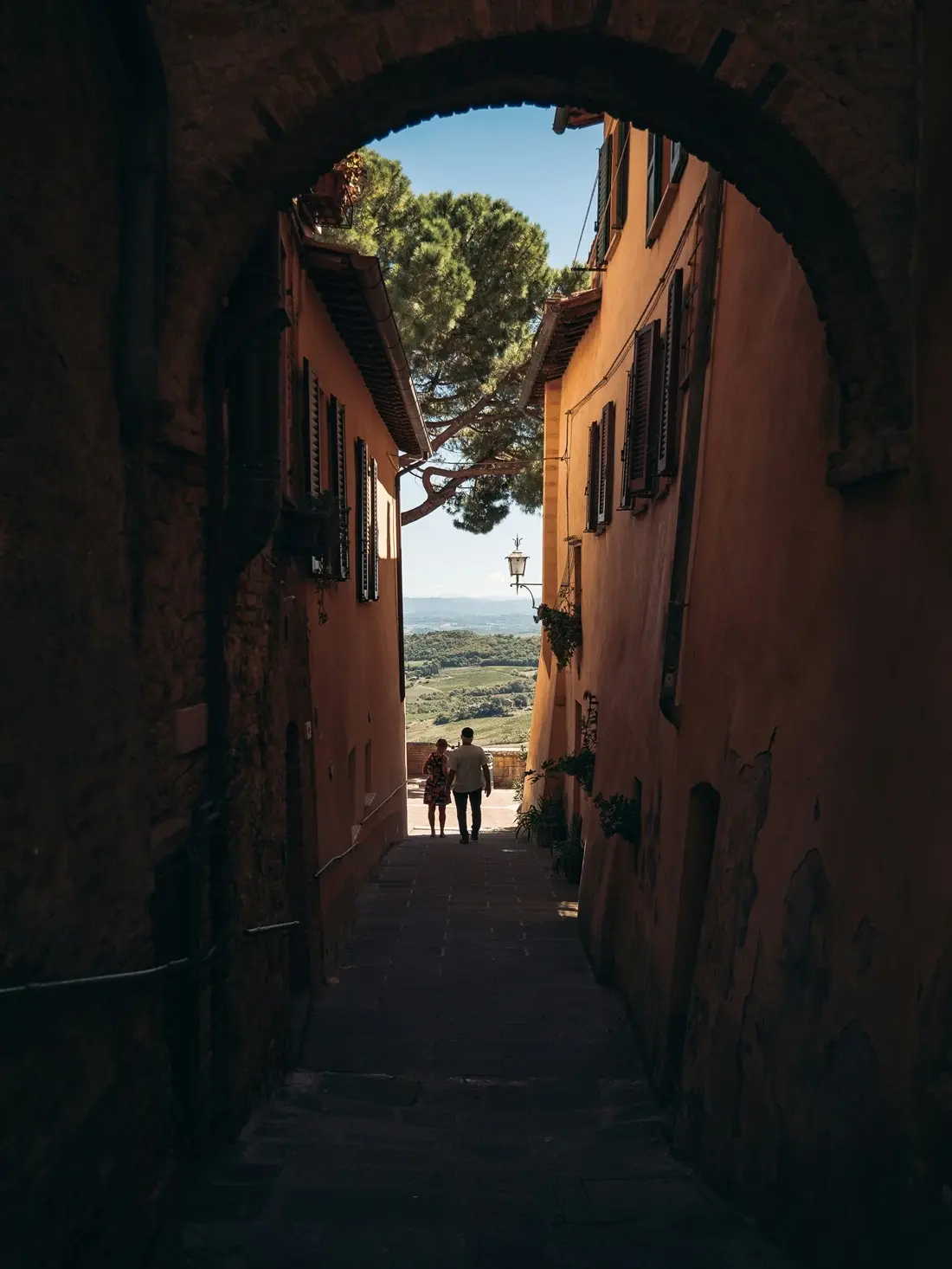
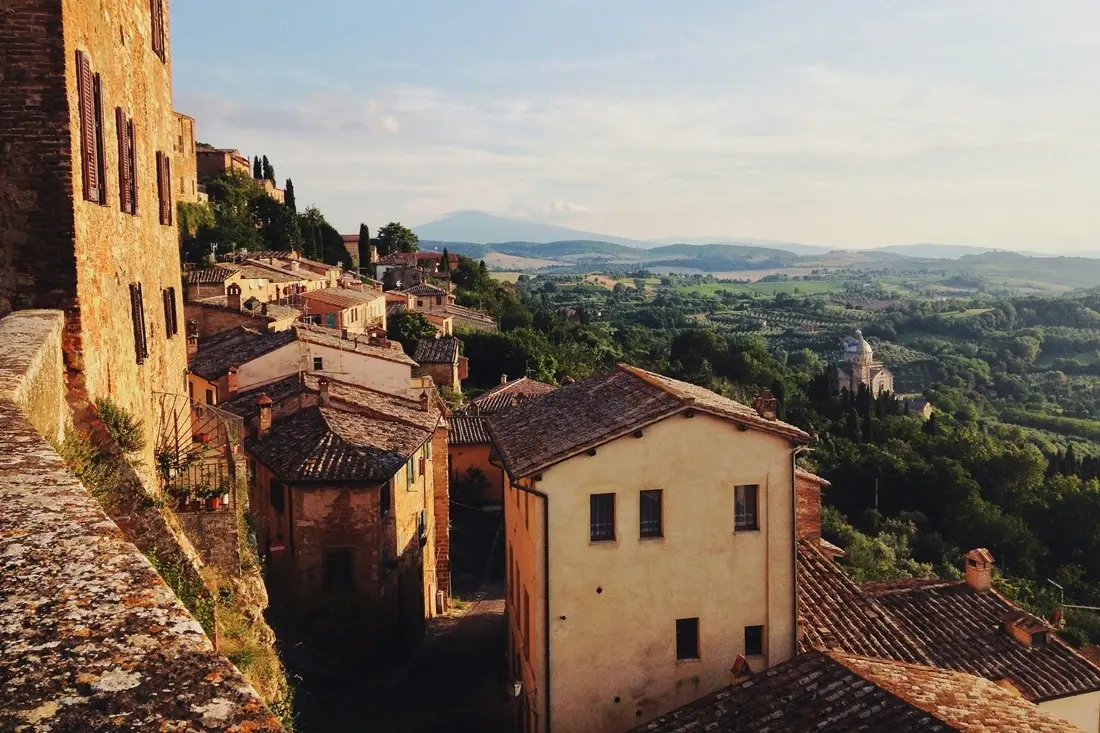
There is no rush here. The streets are narrow and paved with history, and every step reveals a new view that invites you to pause. What matters is not where you are going, but how willing you are to slow down.
Montepulciano rewards those who walk without a plan.
Hospitality as a Way of Life
The reason visitors return is not only architecture or scenery. It is the people.
A small wine shop owner pours you a glass before you even order. A waiter recommends a dish as if he had known you for years. Elderly locals converse in the town squares as though time itself has decided to linger.
Here, hospitality is not a service - it is culture.
A Town of Wine and Unhurried Conversations
Montepulciano is home to the renowned Vino Nobile di Montepulciano, one of Tuscany’s most celebrated wines. Cellars carved into stone hide centuries of tradition, while tastings feel more like conversations than tourist experiences.
A glass of wine lasts longer here than anywhere else. Not because you drink more slowly, but because no one is in a hurry to finish it.
With local cheeses, fresh pasta, and the scent of olive oil in the air, it becomes clear that hedonism in Tuscany is not luxury - it is everyday life.
Beauty Without Pretension
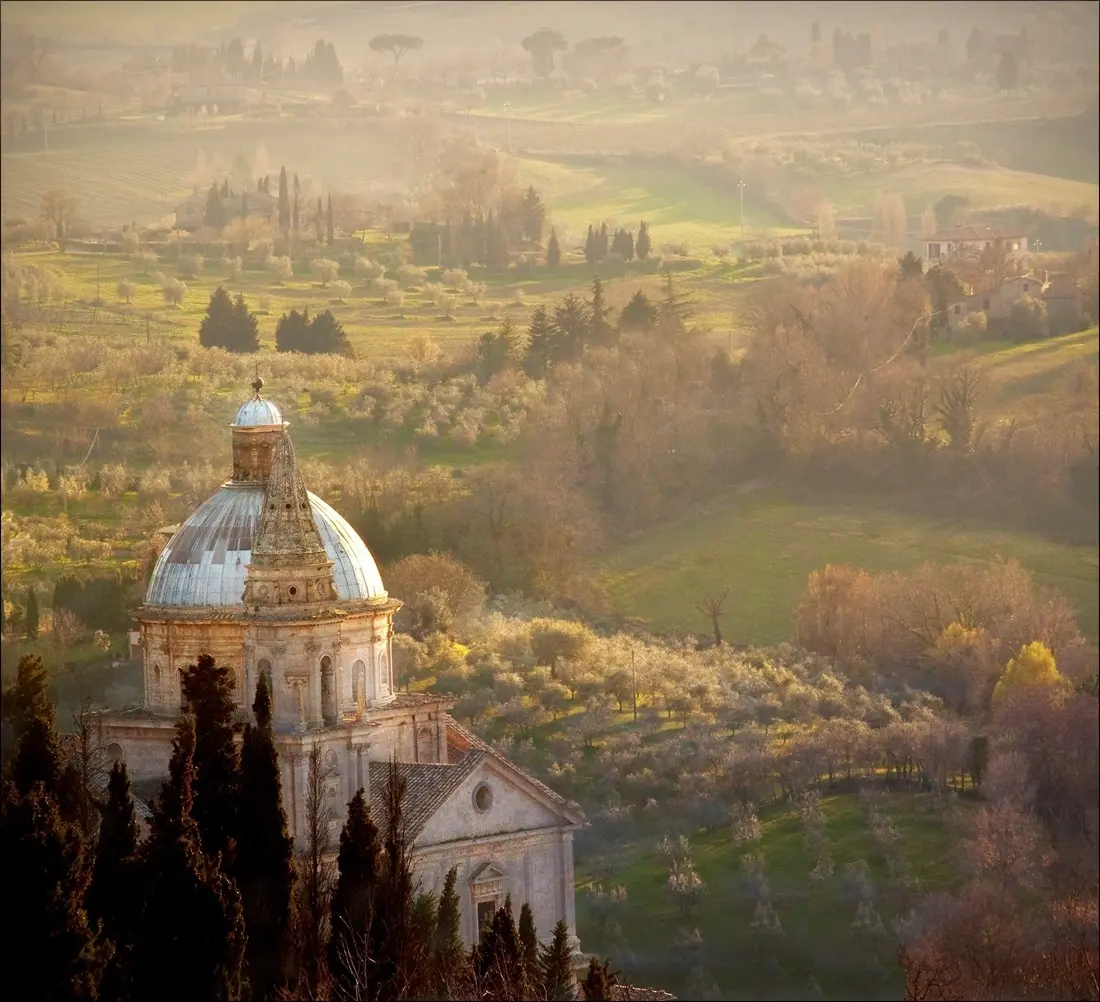
Unlike many overcrowded Italian destinations, Montepulciano has preserved its authenticity. There is no aggressive tourist scene, no sense that the town has adapted itself to visitors. Instead, visitors adapt to the town.
Montepulciano is not just a destination - it is an experience of slow living, wine, and Tuscan elegance, proving that true hedonism begins where time slows down.
And that is precisely where its charm lies.
Here, the day is measured by sunlight falling on stone facades, footsteps echoing across squares, and moments of silence between conversations.
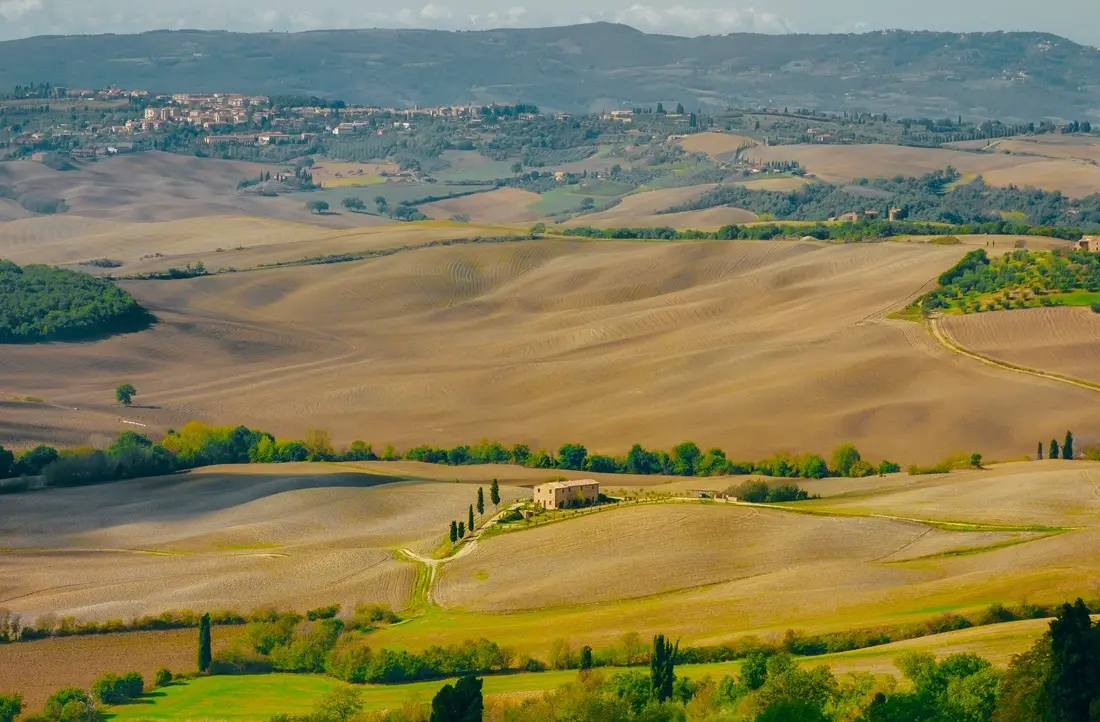
A Place You Don’t Visit Just Once
Perhaps that is why Montepulciano has been recognized as a symbol of hospitality. Not because it tries to impress, but because it allows people to feel welcome effortlessly.
When you leave, you carry more than photographs of vineyards and piazzas. You take with you a rhythm that reminds you that travel does not have to be fast to be unforgettable.
In Montepulciano, hospitality has no definition - only atmosphere.
List
To conclude, it is worth noting that the list of the world’s most welcoming tourist regions was published by Booking.com, and as reported by SeeSrpska, Montepulciano was followed by: Sigiriya (Sri Lanka), the Uruguayan Riviera (Uruguay), Kjalarnes (Iceland), the Lofoten Islands (Norway), Piedmont (Italy), Upper Bavaria (Germany), Girona (Spain), Hakone (Japan), and Otago (New Zealand).
- Written by: Ognjen Tešić / HEDONIST