

Why We Return to Small Cafés

![[object Object]](https://api.hedonistmagazine.net/storage/images/2026/02/b640d583-d29c-42e3-82fc-f80f31a8be64.webp)
There was a time when big chains felt like comfort. Familiar menus. Predictable interiors. The same taste in every city. We knew exactly what to expect - and that was the point.
But somewhere along the way, that predictability became tiring.
Today, more than ever, we find ourselves returning to small cafés. To places without standardized furniture, without identical playlists, without corporate slogans on the walls. We return to places that feel human.
Atmosphere Cannot Be Franchised.
Small cafés do not try to impress with scale. They win you over with detail.
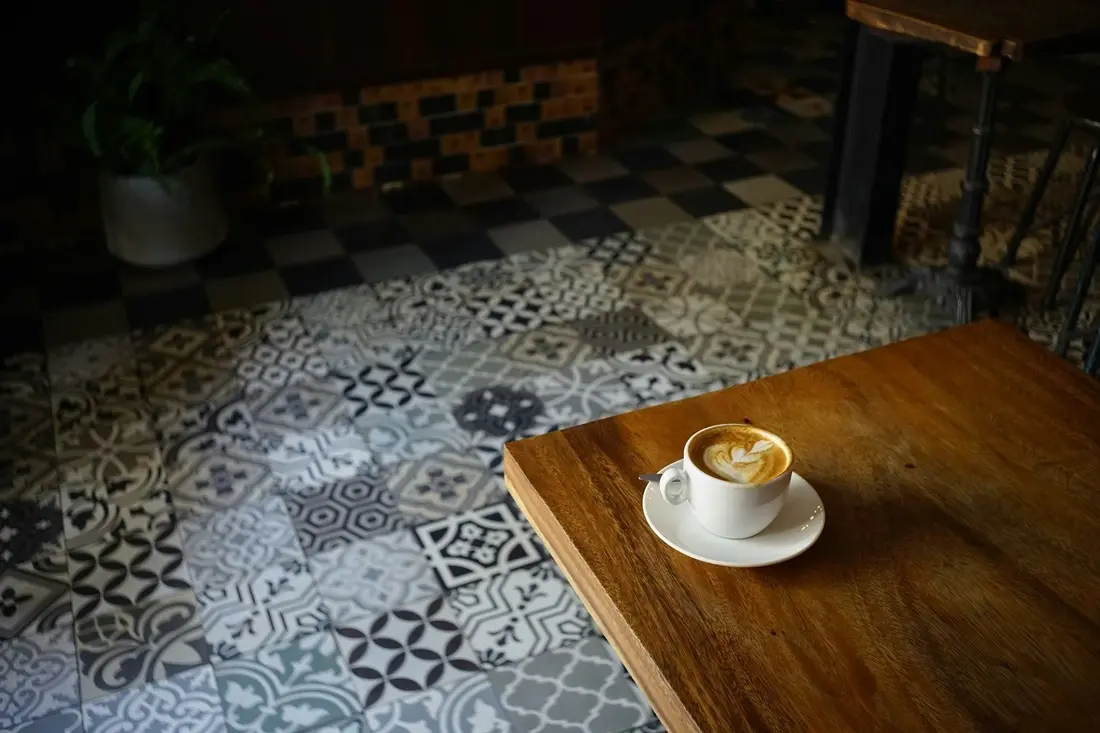
A slightly worn wooden table. Cups that are not part of a mass-produced collection. A chalkboard menu written by hand. Soft light that falls differently each afternoon. These places are not designed to look perfect - they are designed to feel real.
Atmosphere is not something that can be copied or multiplied across hundreds of locations. It is created through presence, through attention, through people who care.
The People Behind the Counter
In small cafés, you are not an order number.
You are remembered.
They know how you take your coffee. They notice when you haven’t been there for a while. They ask about your day and genuinely wait for the answer.
That subtle recognition creates belonging. And belonging is something no global brand can manufacture.
The Ritual of Coffee
In large chains, coffee is often consumed quickly - between meetings, on the way somewhere else, as fuel.
In small cafés, coffee becomes a ritual again.
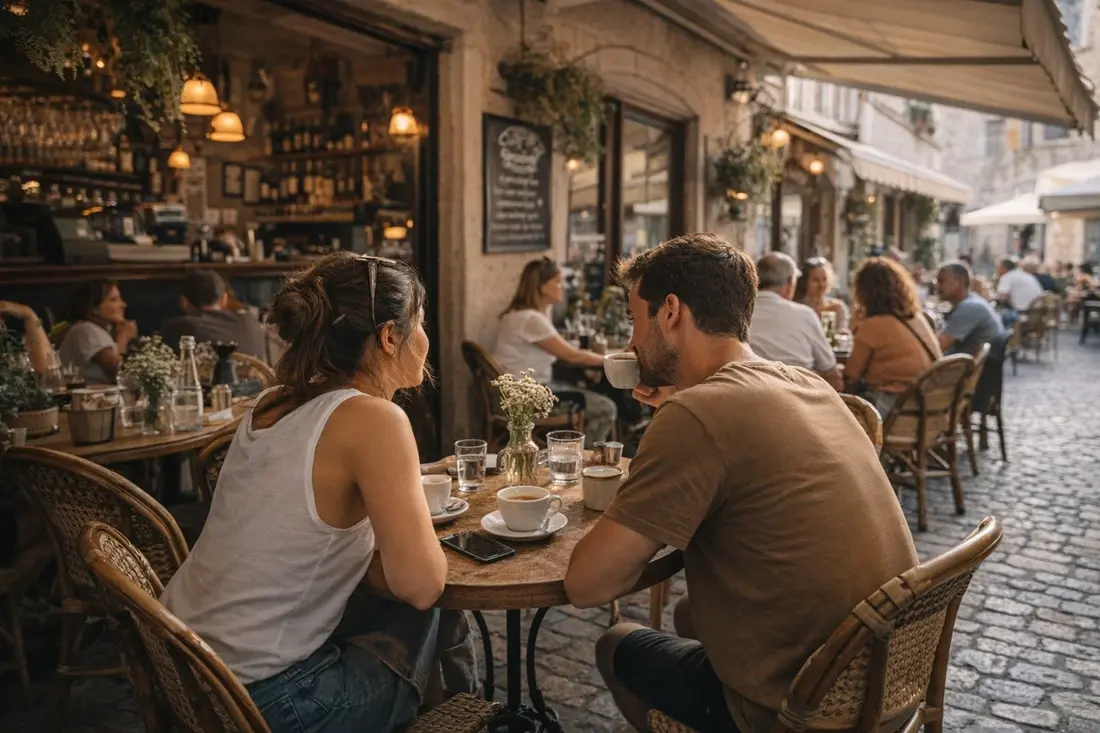
You sit. You pause. You look around. You listen to conversations. You allow yourself to be present. The cup is no longer just caffeine; it is a moment carved out of the day.
And in a world that constantly pushes us forward, that pause feels almost rebellious.
The Identity of a City
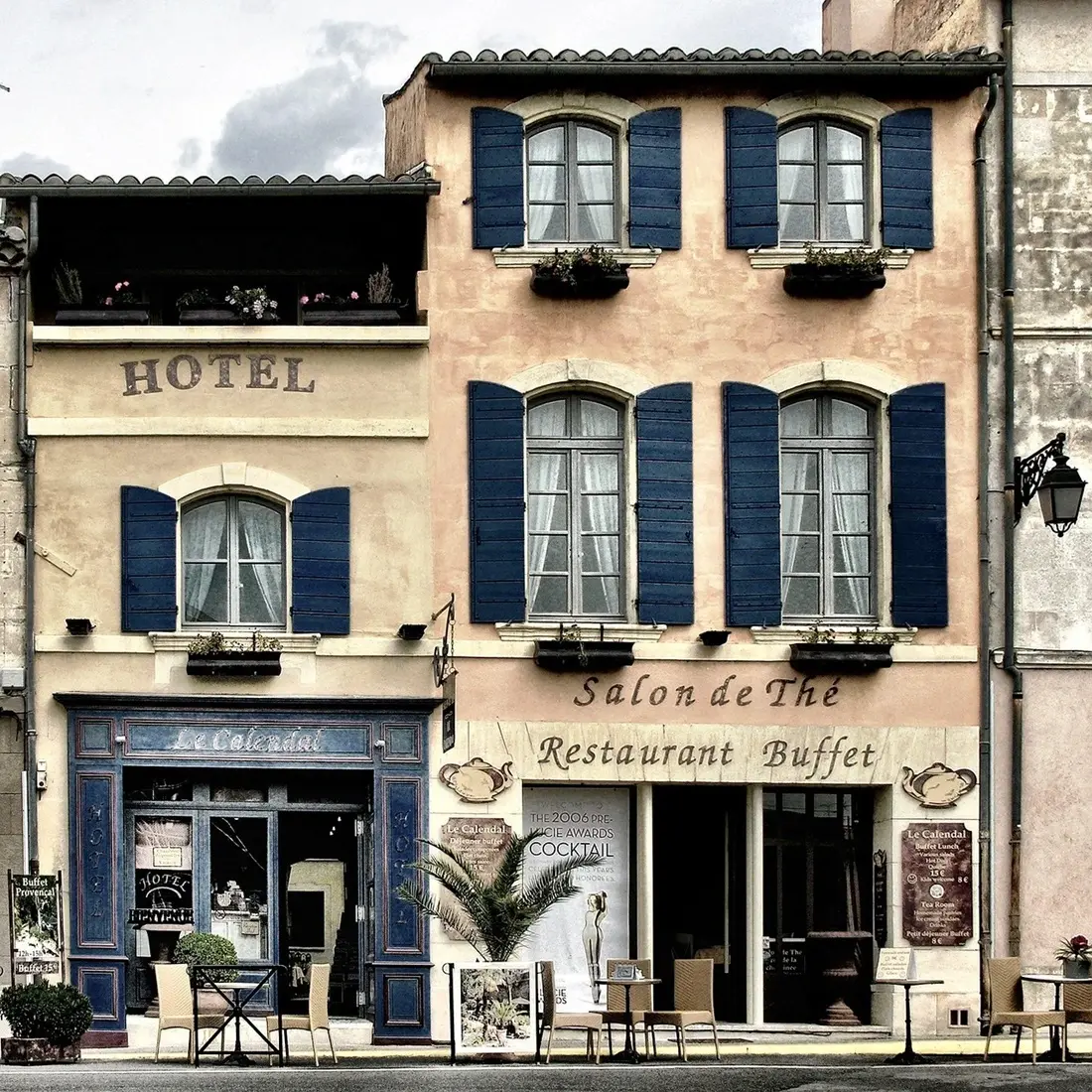
Small cafés are part of a city’s soul. They carry its rhythm, its humor, its dialect, its stories. Remove them, and cities begin to resemble one another. Keep them, and each place retains its character.
When we choose a local café instead of a chain, we are not just choosing coffee - we are choosing identity. We are supporting individuality over uniformity.
A Quiet Return to Authenticity
Perhaps this return to small cafés is not about coffee at all. Perhaps it is about our need for authenticity in a world that feels increasingly polished, filtered, and replicated.
We are tired of spaces designed for photographs. We want spaces designed for conversations. We are tired of efficiency. We want meaning.
Small cafés offer something simple yet rare: a sense of being somewhere specific, somewhere real. And maybe that is why we keep going back. Because sometimes, what we truly crave is not a new flavor - but a familiar chair, warm light, and a cup of coffee that tastes like presence.
- Written by: Hedonist Magazine