

Mikijev zabavnik: Childhood Between the Pages
![[object Object]](https://api.hedonistmagazine.net/storage/images/2026/04/cd1026d3-a481-40dc-989d-c644c2ffe736.webp)
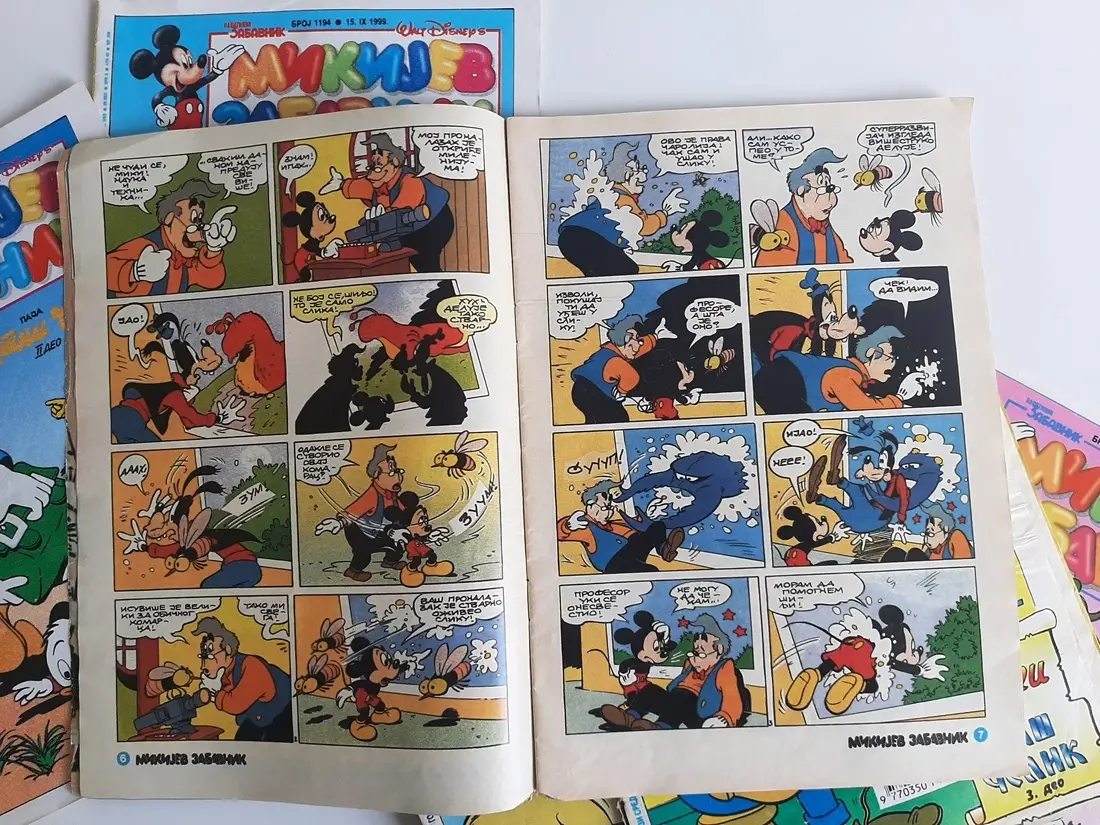
There are things that never truly disappear, even when they’ve long vanished from newsstands. They no longer carry the scent of fresh print, nor do they wait for us on shelves next to sweets and stickers, yet they live somewhere deeper – in memory. One of those things is Mikijev zabavnik, the magazine generations grew up with.
In a time before the internet, smartphones, and endless scrolling, it was a window to the world. Every new issue felt like a small event - bought with excitement, read slowly, and kept with care. It wasn’t just a comic magazine. It was a world of its own, comprising stories, illustrations, curiosities, and characters that became an integral part of our everyday lives.
The Magic of Reading Slowly
Within its pages, beloved characters like Mickey Mouse, Donald Duck, and Goofy came to life, alongside many other comic heroes who expanded our imagination and taught us early lessons about courage, friendship, and resourcefulness.
Reading was never rushed. One story today, another tomorrow. Some pages were revisited time and again, favorite parts almost memorized. In that slow reading lay the true magic, the feeling that time wasn’t a limit, but a space to be enjoyed.
More Than Entertainment
Despite its name, which suggested play and fun, Mikijev zabavnik was much more than that. It taught children how to read, think, and ask questions. It brought interesting facts from around the world, small encyclopedic insights, educational stories, and humor that resonated with both children and adults.
It was one of the rare media that managed to connect generations. Parents recommended it to their children, and children embraced it as something truly their own. That quiet continuity created a special kind of trust – the feeling that what you held in your hands truly mattered.
The Scent of Paper and a Sense of Belonging
Today, when content is consumed quickly and often superficially, memories of Mikijev zabavnik take us back to simpler times. Times when it was enough to sit down, open a magazine, and get lost in its pages.
Every new issue felt like a small event - bought with excitement, read slowly, and kept with care.
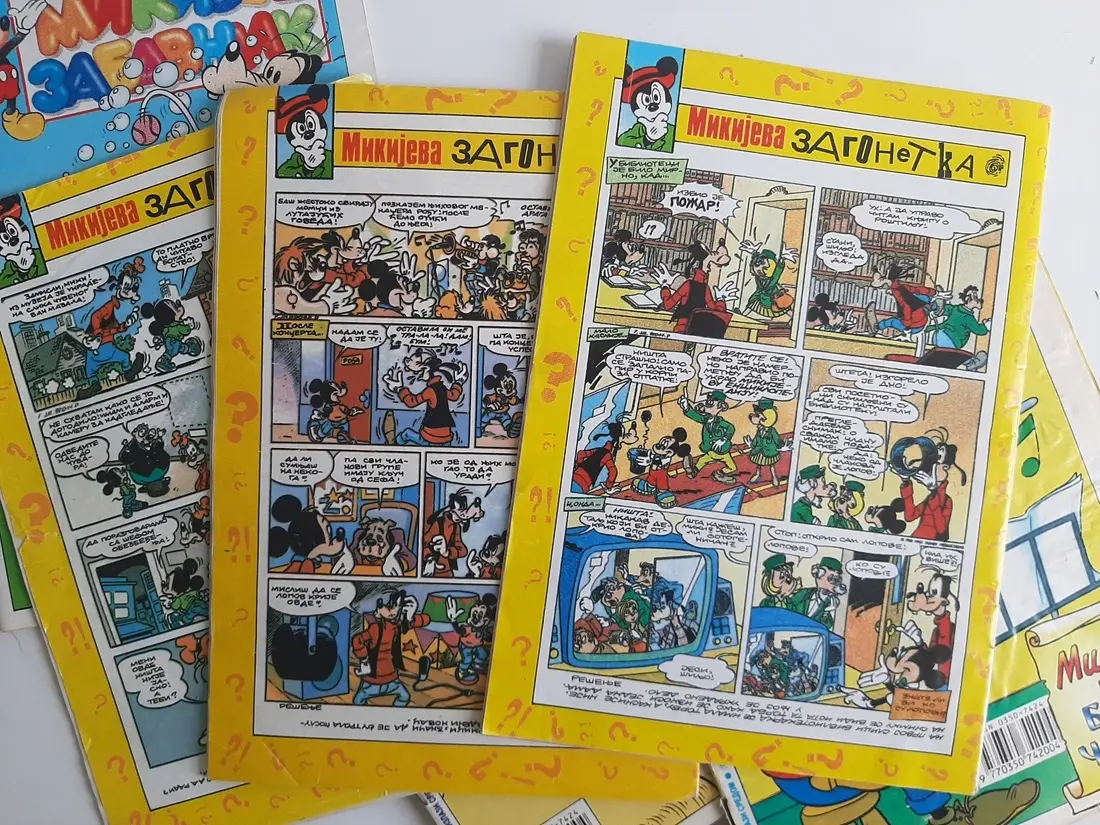
That feeling wasn’t just about the content, but also about the ritual - going to the kiosk, the rustle of paper, the first illustrations greeting you from the cover. These were the moments that shaped childhood in a way that’s hard to recreate today.
A Legacy That Endures
Even though the world has changed, the value of Mikijev zabavnik remains the same. It reminds us how small things can actually be the most meaningful - a comic strip, a story, an afternoon spent in quiet enjoyment.
For many, it wasn’t just a magazine. It was a first encounter with reading, a first lesson in imagination, and perhaps most importantly, the first proof that very little is needed to feel truly fulfilled.
Because some stories never grow old. They simply wait to be remembered again.
Related articles
Banja Luka Comic Shop: A Reminder of Childhood
Mister No is a New Yorker, a World War II veteran, and a pilot who, in the late 1950s, leaves everything behind to seek a different life in South America - settling in the Brazilian town of Manaus. He is a man running from the pressures of modern life, a charming drifter who skillfully avoids the trap of marriage. However, “Mister No” is also the name of a comic shop in Banja Luka, which was recently opened in the Nova Varoš neighborhood.
When Comics Smelled Like Adventure: Childhood with Zlatna Serija
Some childhoods are remembered for games in the yard, first bicycles, or long summer evenings. Others are remembered for their thin, colorful comic book issues, which smelled of fresh printing ink and promised adventure on every page.