
Five Drinks True Hedonists Order in Summer
![[object Object]](https://api.hedonistmagazine.net/storage/images/2026/06/4e5ed641-a4d1-4856-a3d5-12073d8a4e4f.webp)
There are drinks we order out of habit, and there are drinks we order because of the feeling they evoke. In summer, that difference becomes even more apparent. A single glass can transport us, if only for a moment, to an Italian seaside promenade, a Mediterranean harbor, or the shade of a city café where the day ends far more beautifully than it began.
This is not a story about trends or recipes. It is about drinks that have become symbols of a certain lifestyle, summer cities, Mediterranean squares, and carefree evenings. Here are five timeless classics that return year after year to the tables of true hedonists.
Aperol Spritz - The Taste of an Italian Sunset
Few drinks have become as closely associated with summer in recent years as the Aperol Spritz.
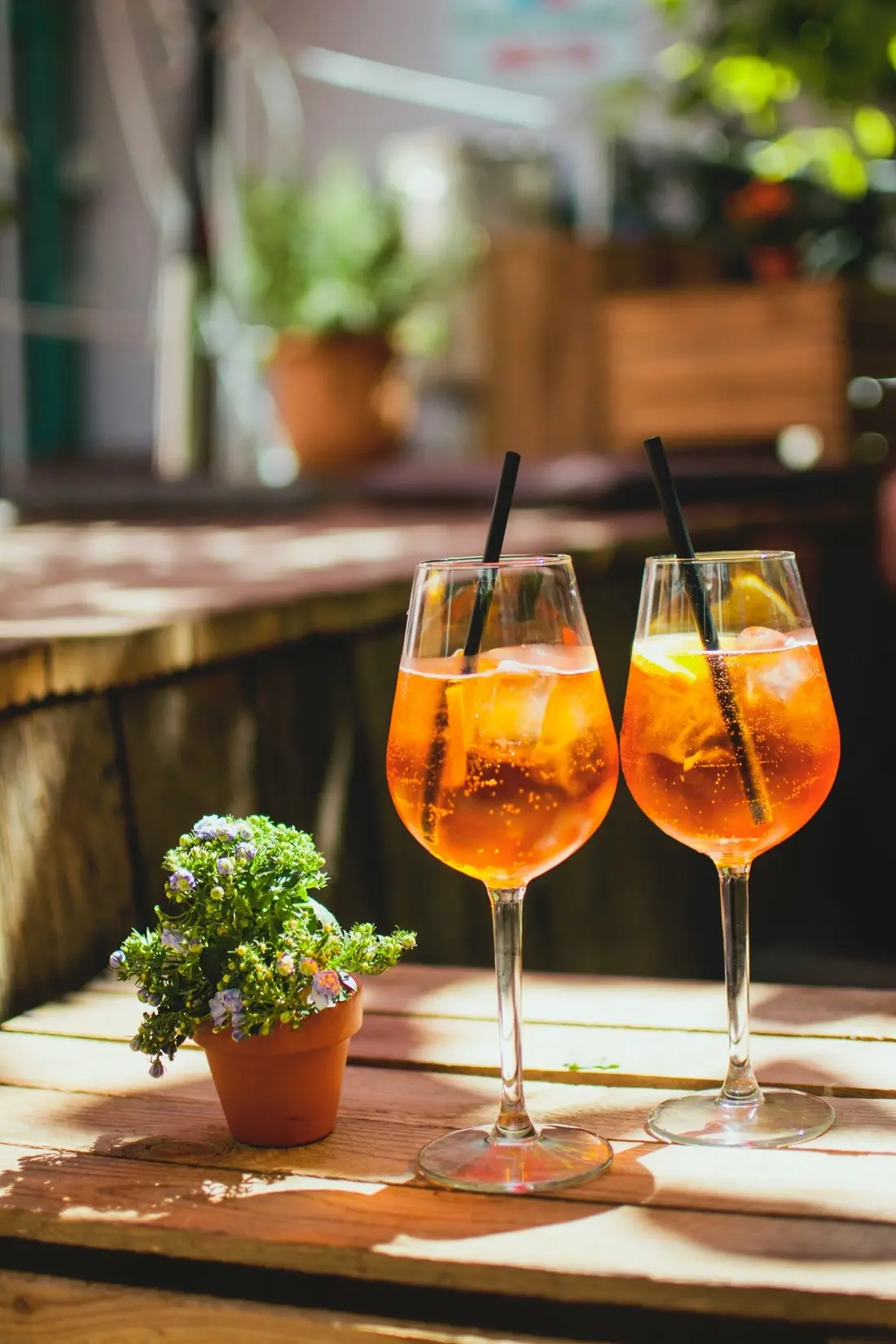
Its story begins in northern Italy, where the residents of Venice and Padua were searching for a lighter way to enjoy aperitifs more than a century ago. Today, it is almost impossible to imagine a summer afternoon in Venice, Trieste, or Verona without an orange-colored glass sitting on the table.
An Aperol Spritz is not a drink to be consumed in a hurry. It belongs to long conversations, stone-paved squares, and those hours when the sun slowly disappears behind the rooftops of old cities. That is precisely why it has become a symbol of the Mediterranean way of life.
Gin and Tonic - The Gentleman of Summer Drinks
Some trends come and go, but the gin and tonic has remained synonymous with elegance for decades.
Its popularity dates back to the days of the British Empire, and today it can be found just as often in London clubs as on yachts in Monaco or in restaurants along the Adriatic coast.
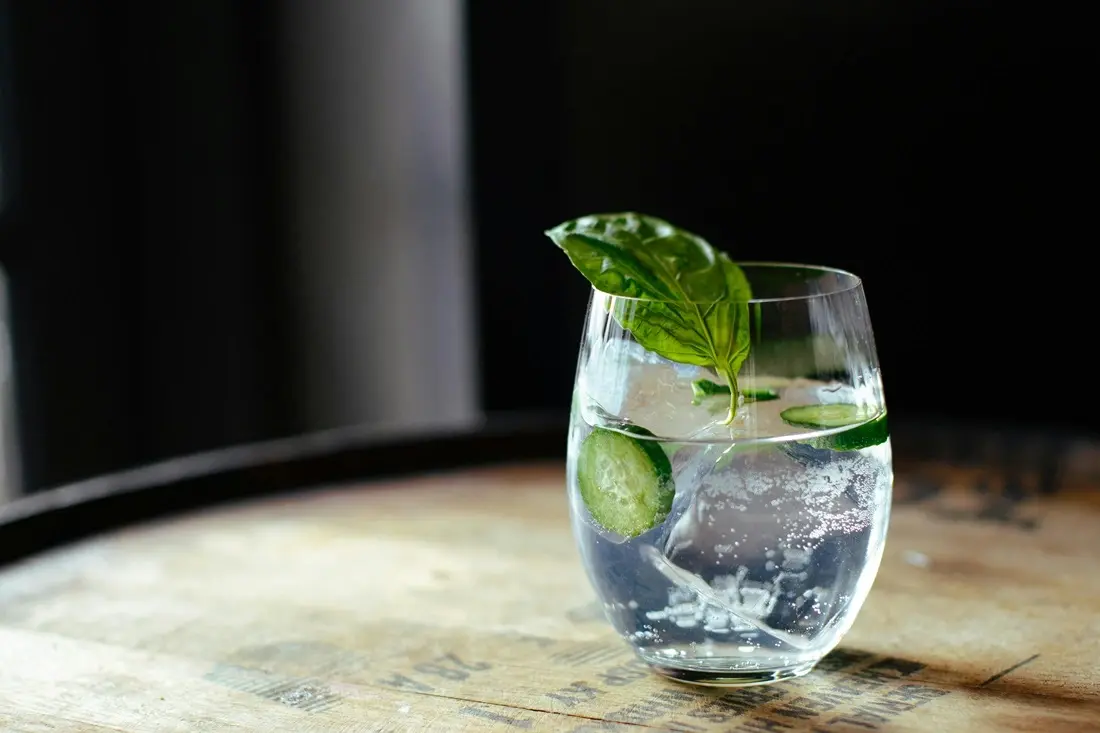
Its refreshing taste and simplicity have made it one of the most beloved summer choices. A gin and tonic does not require a special occasion. A good terrace, a few friends, and an evening with nowhere to rush are more than enough.
Negroni Sbagliato - The Italian Mistake That Became a Legend
Some of the best discoveries happen by accident.
That is exactly how the Negroni Sbagliato was born. Its name literally means “mistaken Negroni.” According to the story, a bartender in Milan accidentally used sparkling wine instead of gin while preparing a classic Negroni. The result was so successful that the new version quickly achieved cult status.
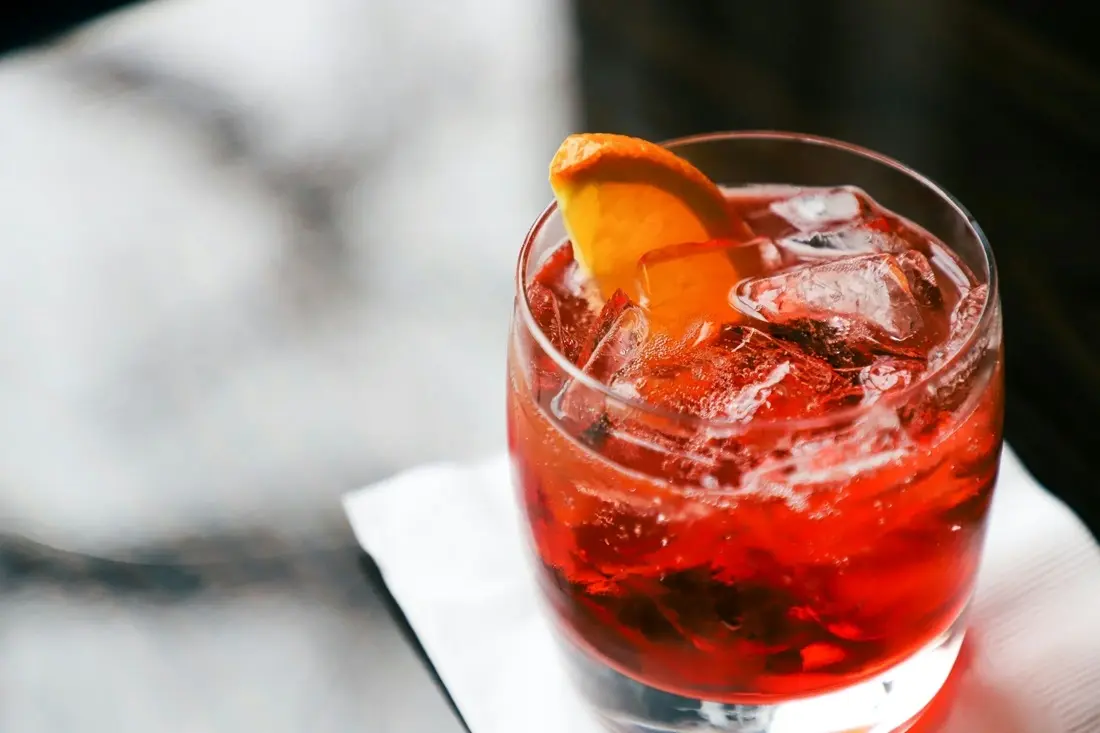
Today, the Negroni Sbagliato is a favorite among those who appreciate sophisticated flavors but prefer something lighter than a traditional cocktail. It has enough character to be intriguing and enough freshness to fit perfectly into a summer evening.
Iced Coffee - The Fuel of Summer Cities
While the Mediterranean has its aperitifs, cities have their iced coffee.
From Athens to Barcelona, from Vienna to Banja Luka, it is difficult to find a summer café terrace where some version of this drink is not served. Iced coffee has become much more than a source of energy. It is part of a daily ritual.
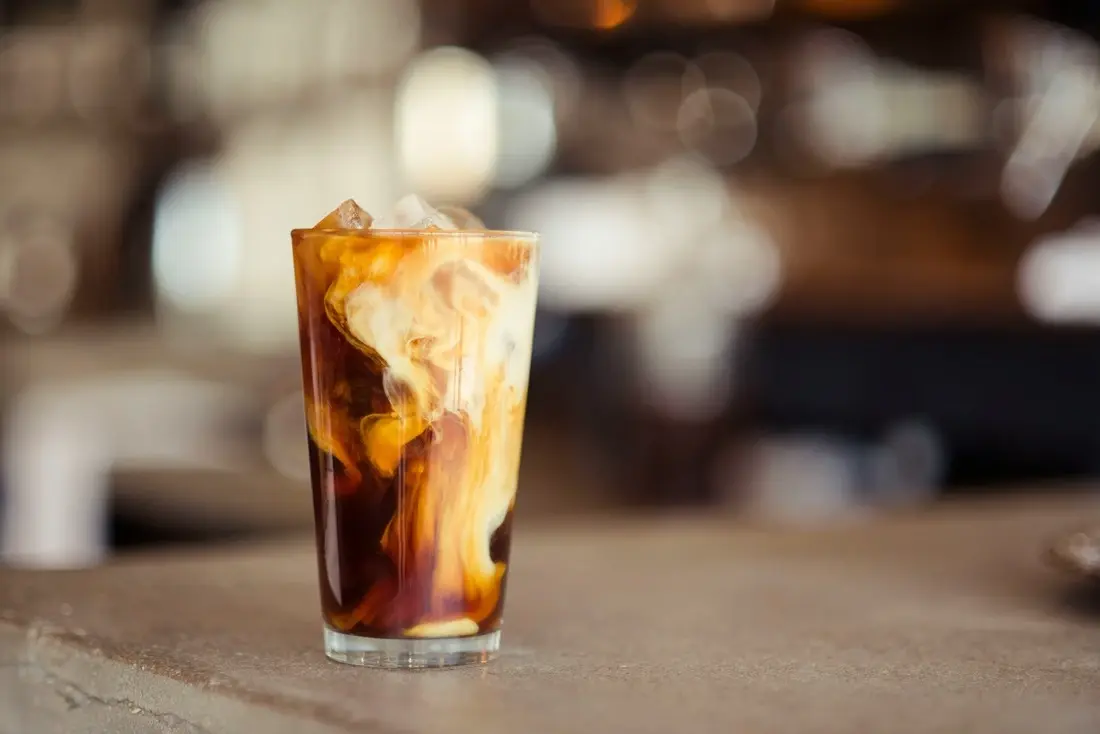
Books are read over it, messages are answered, travel plans are made, and passersby are observed. Few drinks fit so naturally into the morning, midday, and late afternoon alike.
Homemade Lemonade - Simplicity That Never Goes Out of Style
At a time when every summer seems to bring a new beverage trend, homemade lemonade remains what it has always been: a symbol of simple enjoyment.
It may not have the luxury image of cocktails served in world-famous bars or the glamour of Italian aperitifs. Yet that is exactly where its strength lies.
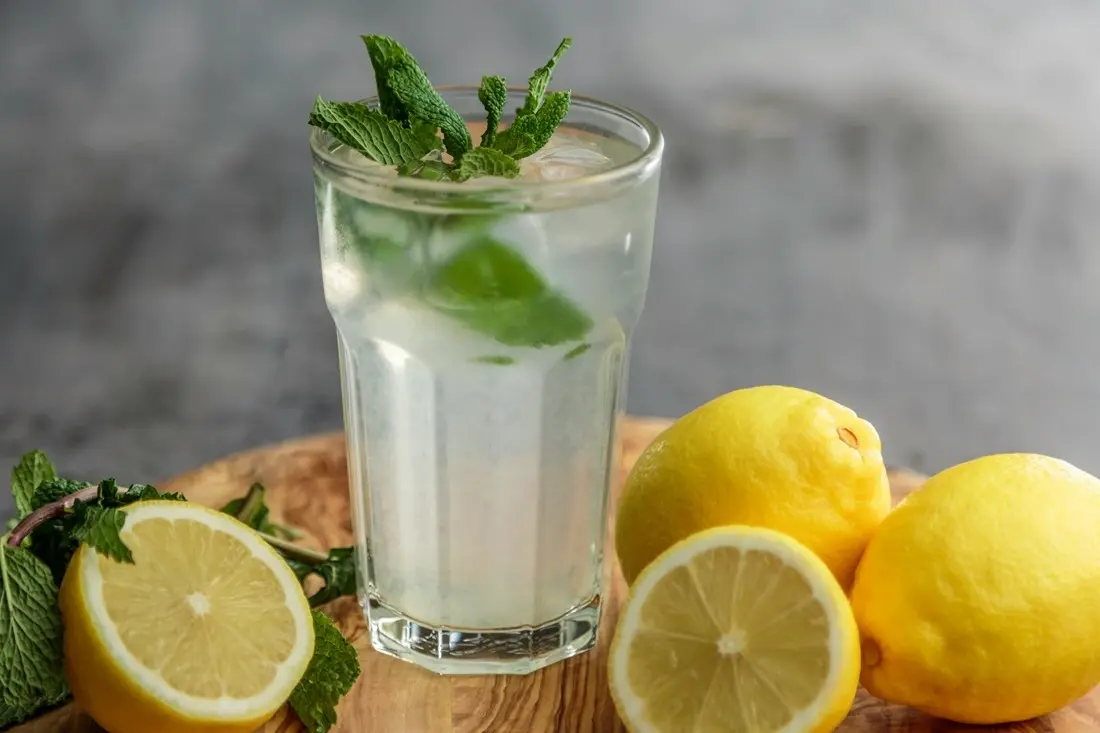
A glass of well-chilled lemonade evokes memories of childhood, family vacations, summer gardens, and days when happiness seemed much simpler than we often try to make it today.
More Than Just a Drink
Interestingly, our favorite summer memories are rarely tied to what we were drinking. We remember the people we sat with, the cities we explored, and the evenings that lasted long after sunset.
Yet almost every one of those memories has a flavor attached to it.
Sometimes it is an Aperol Spritz on an Italian square. Sometimes it is an iced coffee in a city we are visiting for the first time. And sometimes it is nothing more than a simple lemonade enjoyed in the shade while summer drifts by a little more slowly than the rest of the year. And that is exactly why some drinks never go out of style. They are not merely refreshments. They are part of the experience.