

You See Less, Experience More: What Happens When You Stop Planning Your Vacation

![[object Object]](https://api.hedonistmagazine.net/storage/images/2026/02/22336efa-a192-42d4-bcd8-39b8c1230642.webp)
There’s a moment on a trip when you realize that the plan is getting in your way more than it’s helping. You don’t know exactly when you’ll arrive, where you’ll sleep tomorrow, or what’s “next on the list.” And suddenly, you start to rest.
People who stop planning their vacations don’t do it out of irresponsibility, but out of fatigue. From itineraries, reservations, schedules, and the constant pressure to “make the most of it.” What happens next often surprises even them.
First, the sense of urgency disappears
Without a pre-planned schedule, the day no longer begins with what you have to fit in, but with what you actually feel like doing.
Mornings stretch out. Coffee is sipped slowly. If you stay an extra hour somewhere, no one is late - because no one is waiting for anything.
Time behaves differently when you stop giving it orders.
You start staying longer where it feels right
Planned vacations often force you to leave just when a place feels best - because “that’s what the plan says.”
Without a plan, you stay as long as it makes sense. Sometimes it’s one afternoon. Sometimes it takes three days longer than you expected. Sometimes you realize you spent the entire trip in one small place you never intended to visit.
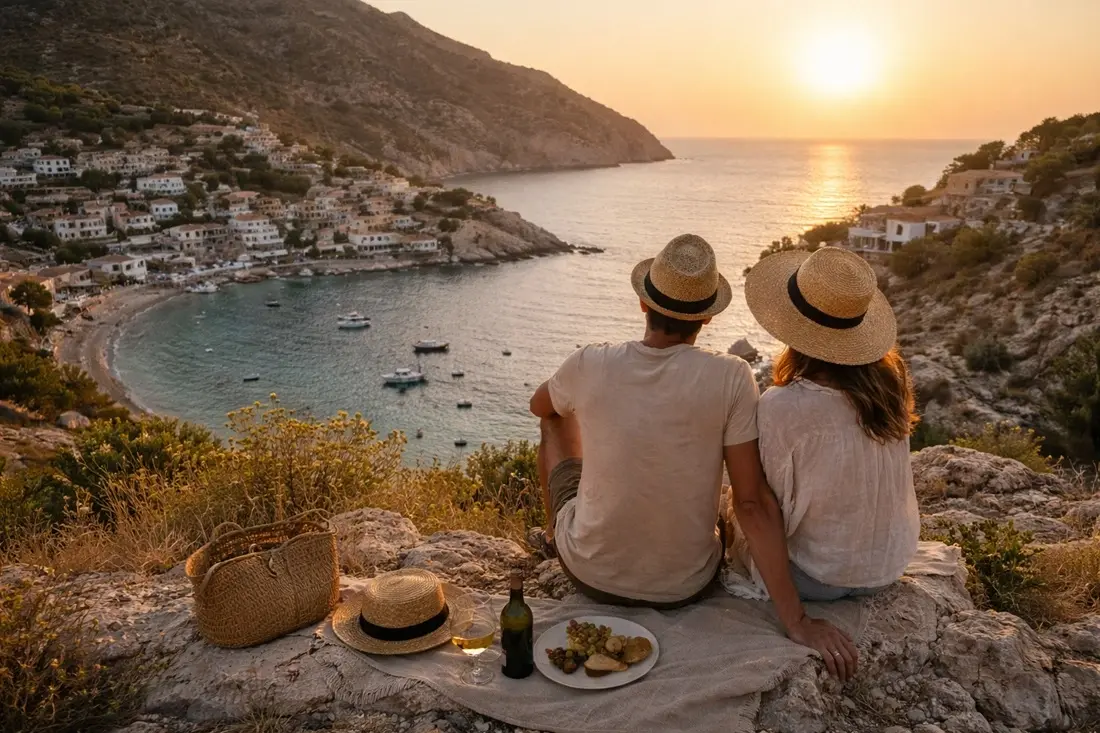
You see less, but you experience more
The paradox of unplanned travel is simple: You see fewer places, but you remember them more deeply.
You don’t chase landmarks. You sit. You watch. You strike up conversations. You return to the same spot the next day. You begin to recognize faces.
The vacation stops being content and becomes an experience.
Meeting people becomes easier
When you don’t have a plan, you’re open to suggestions.
Stay tonight.” “Come here tomorrow.” “Take this path, not the one everyone uses.”
An unplanned trip is always partly someone else’s - shaped by the advice of people who actually live there.
You learn how little you really need
Without constantly checking reservations, times, and schedules, you realize how little is enough: a good night’s sleep, something warm to eat, a place where you can walk without a goal.
Everything else is a bonus.
It’s not for everyone - and that’s okay
Unplanned travel requires trust. In yourself, in the place, in the idea that you won’t be left without options if you let go of control.
For some, that creates anxiety. For others, a kind of calm they haven’t felt in a long time.
Time behaves differently when you stop giving it orders.
But one thing is certain: When you stop planning your vacation, you start actually living it.
You don’t have to disappear for a month. A few days without a plan are enough to remind you why you set off in the first place.
And to return more rested than you expected.
- Written by: Hedonist Magazine