
Miami: The City That Swallowed Its Own Past

![[object Object]](https://api.hedonistmagazine.net/storage/images/2026/08/ed484450-3dd2-4cb6-b92e-bd7ce03e83ca.webp)
In 1896, no city stood on Florida's southeastern coast. There was heat. A swamp lay thick and green, where mosquitoes ruled more mercilessly than any mayor who would come later. On that stretch of land, between Biscayne Bay and the wilderness of the Everglades, lived a little over three hundred people. So few that today, one decent Brickell high-rise could house them all, elevator working, bay view included.
Julia Tuttle, a woman who grew citrus and believed in land no one else believed in, convinced railroad tycoon Henry Flagler to extend his line down into that backwater. Legend has it she sent him an orange blossom, blooming in the dead of winter, while the north of Florida lay frozen - proof that here, in the south, the sun knew no limits. Flagler came. The railroad arrived. And on July 28, 1896, at a gathering where only men could vote, the small settlement officially became a city. Three hundred souls, one train station, and a promise that the sun here would always shine harder than anywhere else in America.
It would take only about thirty years for that bet to pay off in ways no one could have predicted.
A City That Chose Pleasure as Religion
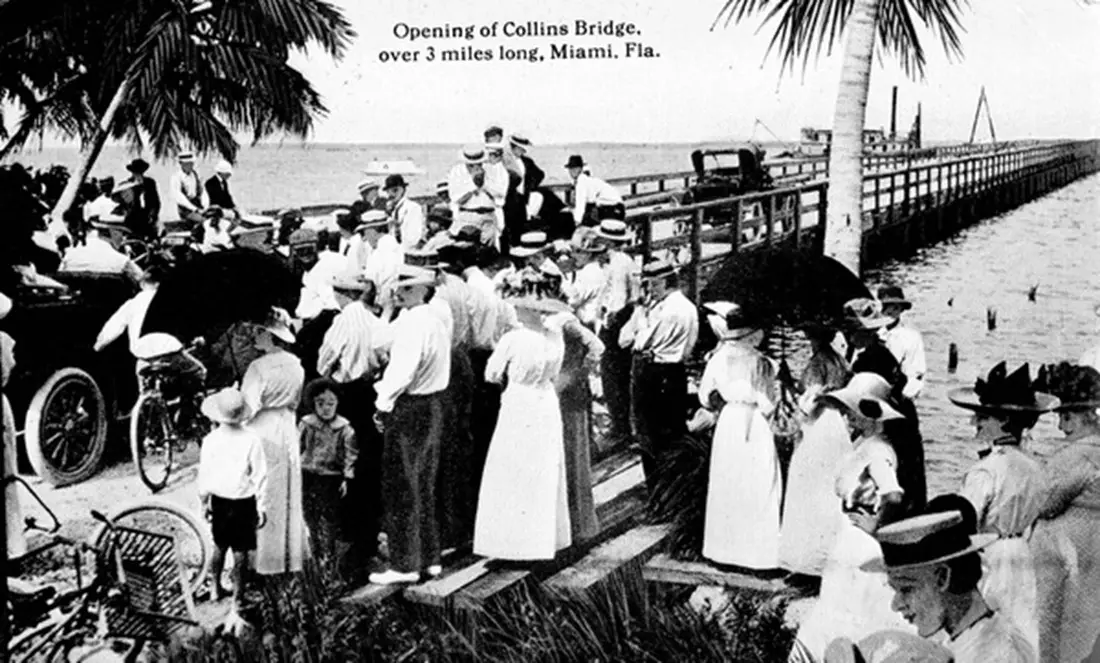
While other American cities built factories and cathedrals of seriousness, Miami built hotels with palm trees in the lobby and casinos along the shore. The 1920s brought what historians dryly call the "Florida Land Boom," but which was really a collective fever of greed and sunshine - people bought lots before lunch and sold them by dusk, growing rich at the speed tropical plants grow. The city expanded as if it were drinking in the humid air itself and turning it into concrete and neon.
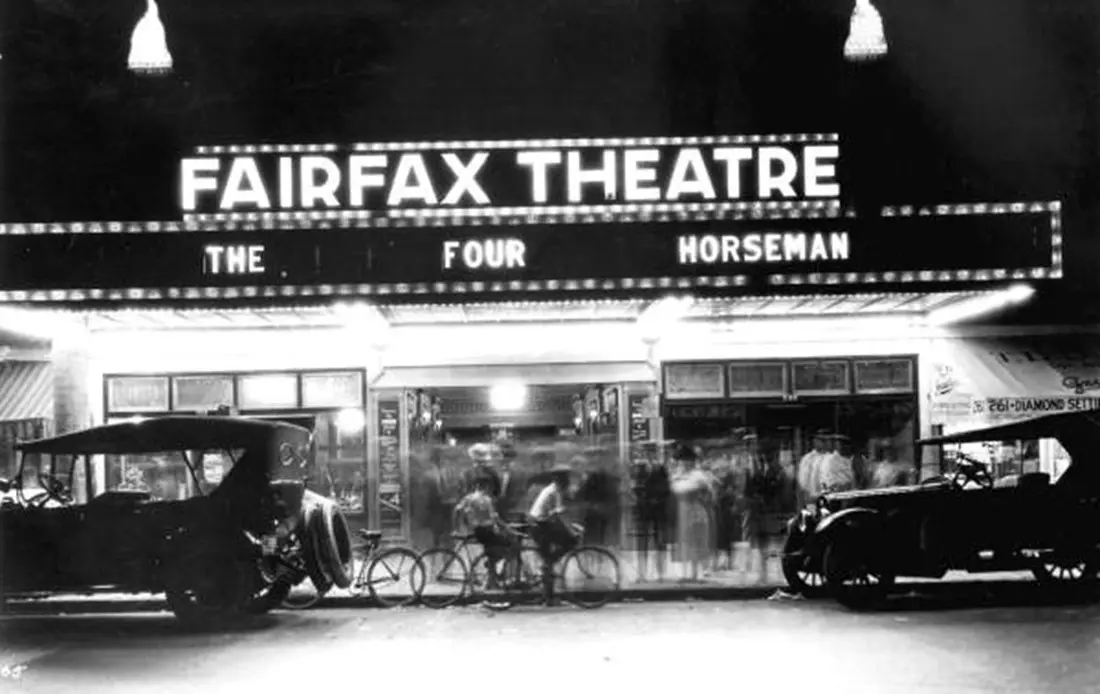
Then came the storms - 1926, then 1928 - and the Great Depression flattened the dream along with them. But Miami was never a city that dwelled long on defeat. That is its essence, its greatest hedonistic gift: the ability to forget yesterday's catastrophe the moment the sun reappears over the bay.
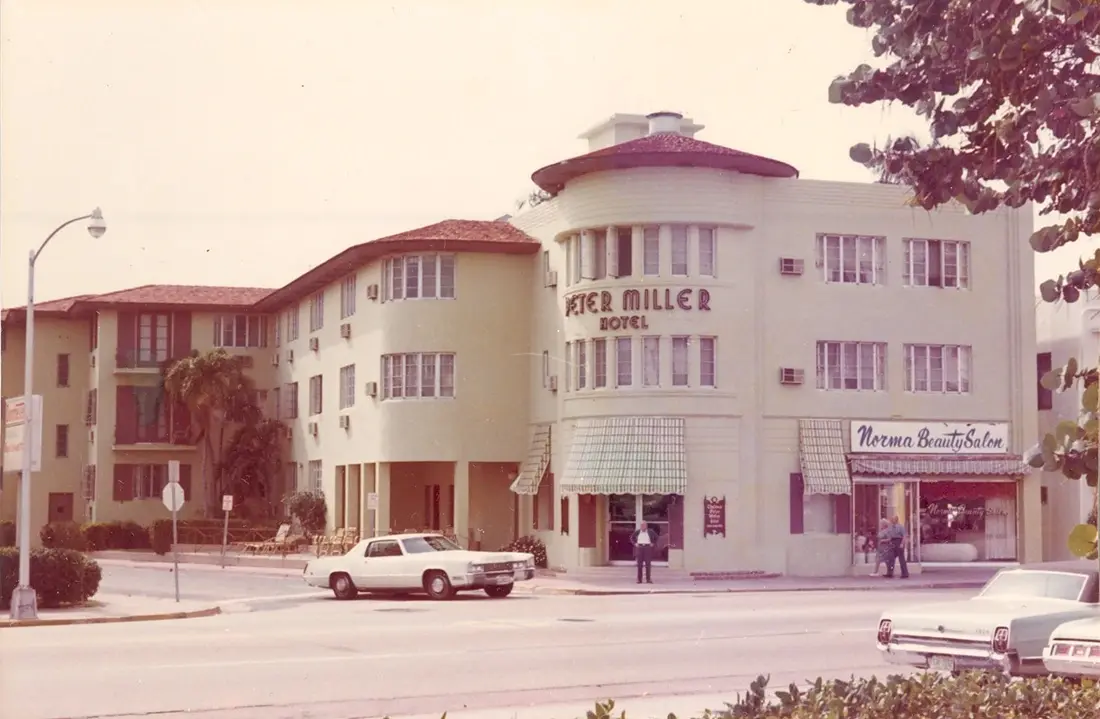
After World War II, the city grew to nearly half a million, fed by soldiers who trained here to fight German submarines and, as if enchanted, fell in love with the climate and stayed. In the sixties came Cuban refugees, bringing with them rhythm, coffee thick as tar, and a stubborn will to rebuild life from scratch - and it was they who gave Miami the Latin-Caribbean pulse that still beats through its streets, its music, its food today.
From 300 to 400,000 - and the Appetite Keeps Growing
By the mid-twentieth century, the city had already passed half a million. By the 2000s, it counted over 362,000 residents, and sometime in the early 2010s it crossed the magic threshold of 400,000 - today the city proper is home to nearly 450,000 people, while the wider metropolitan area around Biscayne Bay pulses with more than six million.
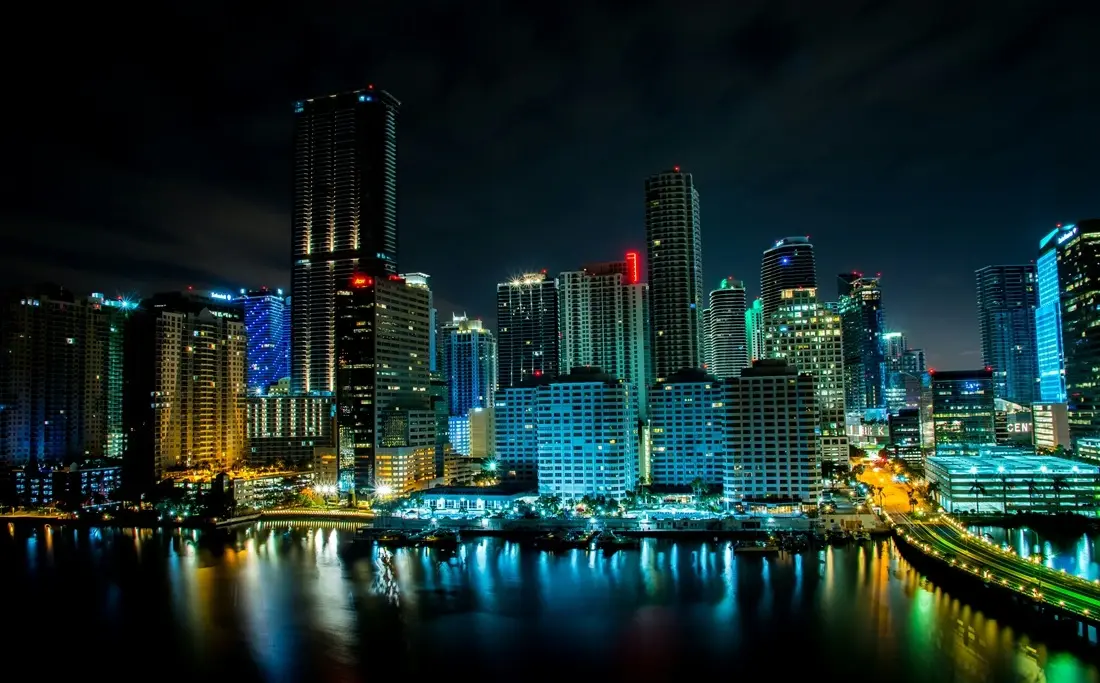
But the numbers were never really the story. The real story is that a village of three hundred souls, woven from mosquitoes and citrus groves, transformed into a city that offered the world an entirely different way of existing: that heat is not an obstacle but an invitation to unwind, that the night need not end, that seriousness can be left somewhere further north, along with the snow.
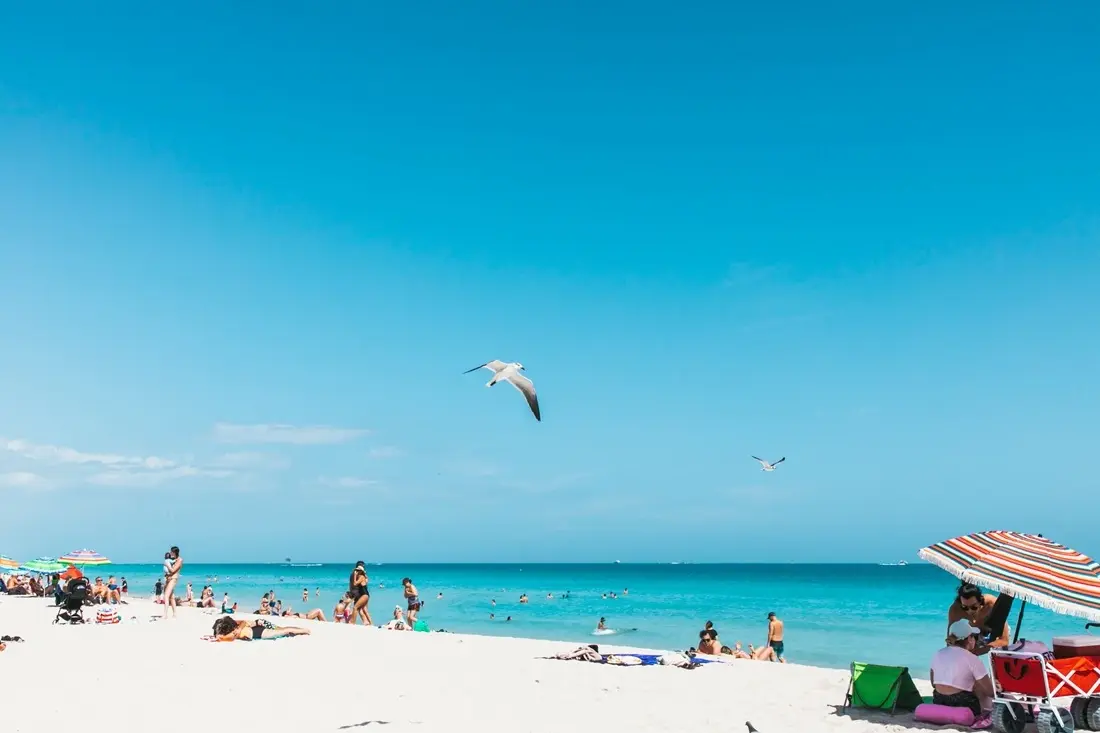
Today Miami stands as proof that a city, much like a person, can choose its own character. New York chose ambition. Boston chose history. Miami, ever since that orange blossom in the snow, chose pleasure - and has never stopped chasing it since, street by street, beach by beach, night after night.