Classic Films
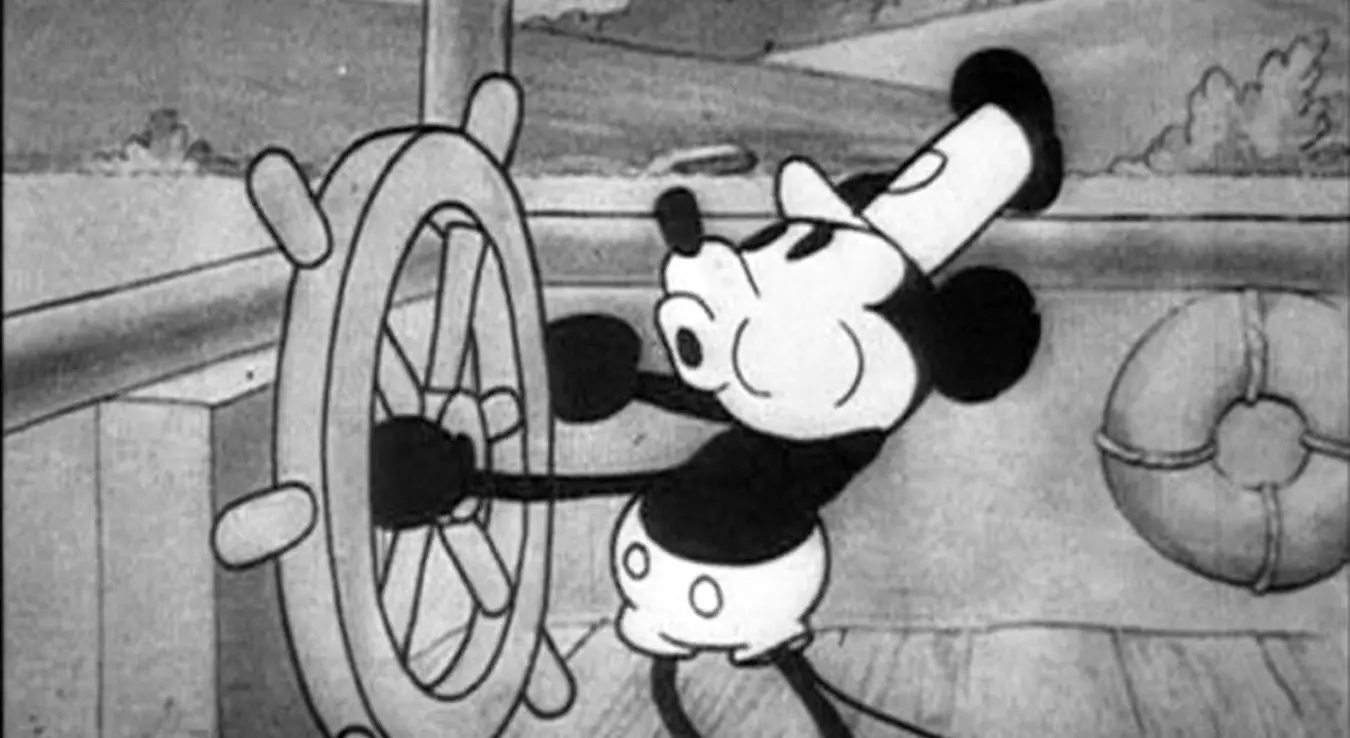
The Mouse Who Taught the World to Whistle
New York, Sunday, November 18, 1928. It is cold outside, and in the Colony Theatre on Broadway the smell of damp overcoats mixes with cigarette smoke and poster paint. The audience has come for the feature film. Before it comes a short cartoon, seven and a half minutes that most viewers will forget by the time they reach the coat check.
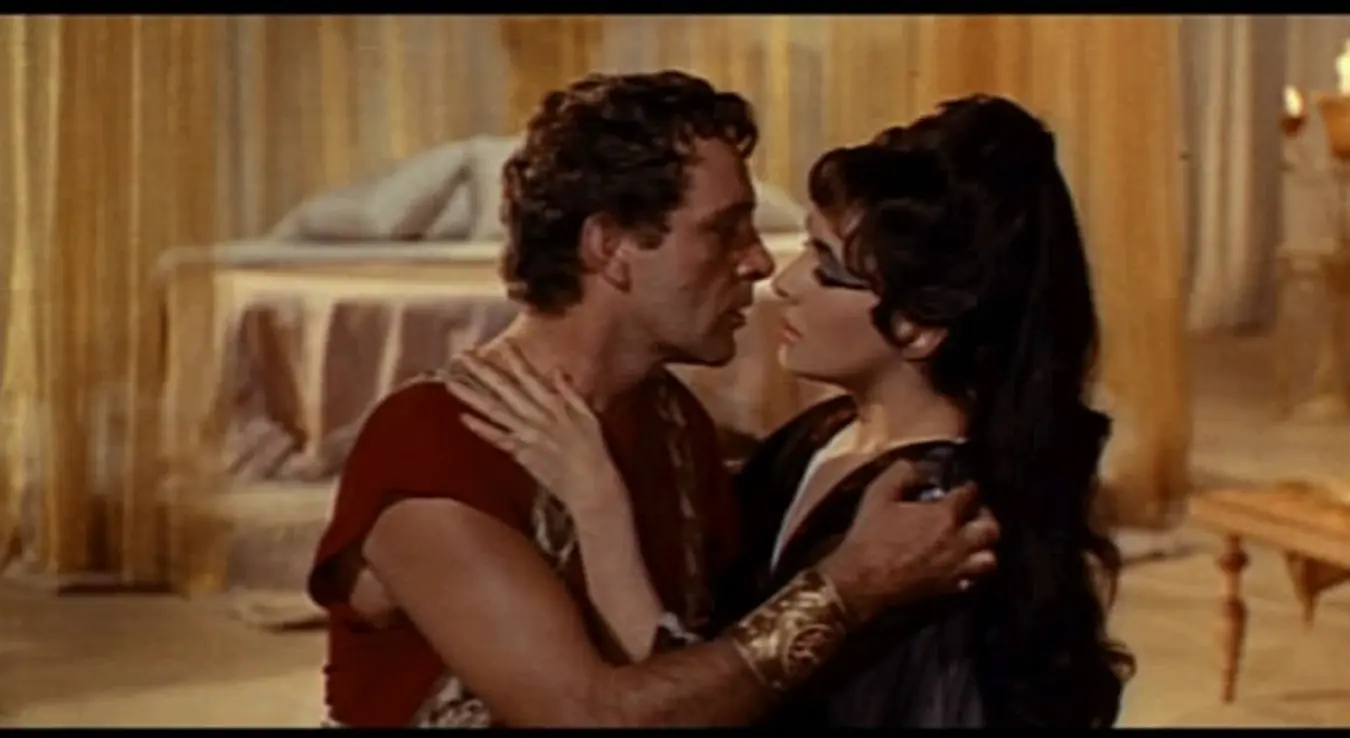
The Film That Nearly Destroyed Hollywood: How Cleopatra Became the Most Expensive Flop in Film History
When Elizabeth Taylor descended a staircase in 1963 playing the Egyptian queen, she was wearing a dress woven from twenty-four-karat gold - just one of sixty-five costumes made for her alone, part of a wardrobe that eventually totaled twenty-six thousand pieces across the entire production.
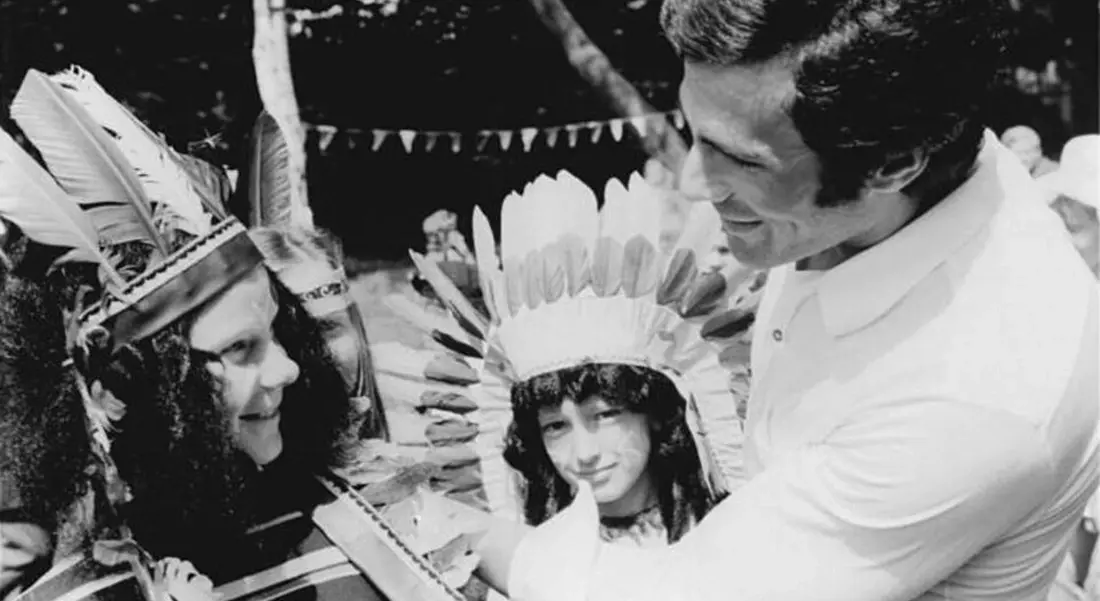
When Hollywood Came to Trebinje: The Story of a City That Became a Film Set
It began in 1935. That autumn, a crew from the German film company UFA arrived in the small Herzegovinian town of Trebinje, then home to barely more than a few thousand people. At the time, UFA was Europe’s most prestigious counterpart to Hollywood. The crew had come to shoot The Gypsy Baron, an adaptation of Johann Strauss II’s operetta.
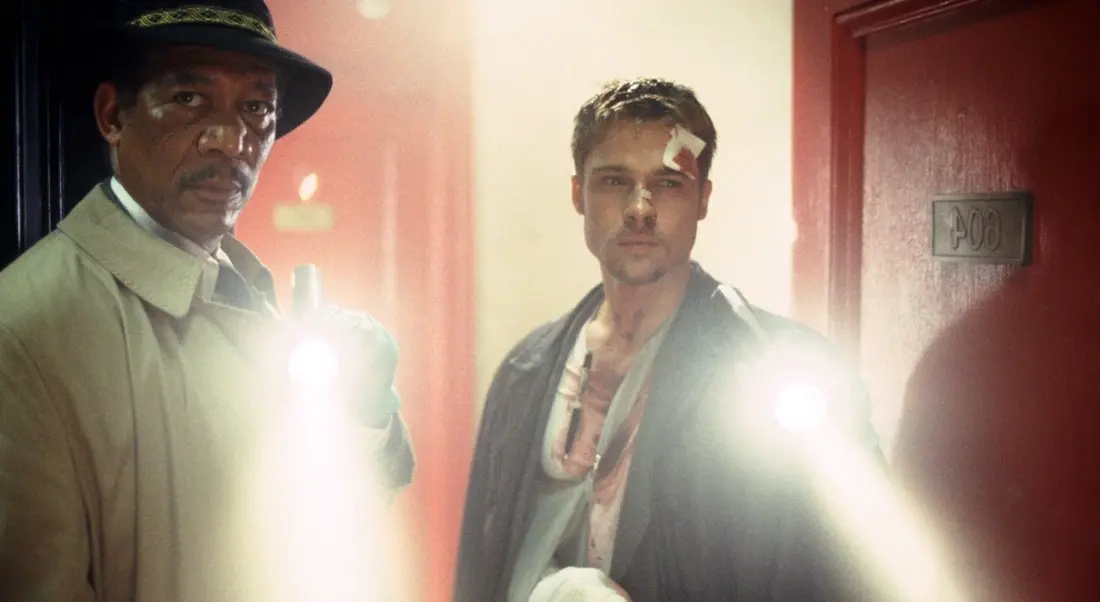
Se7en: The Masterpiece Nobody Planned to Make
The rain in this film doesn't fall because someone decided it would look atmospheric. It falls in nearly every outdoor scene, hour after hour, day after day, while a city that never gets a name rots in front of the camera like meat left out in the sun.
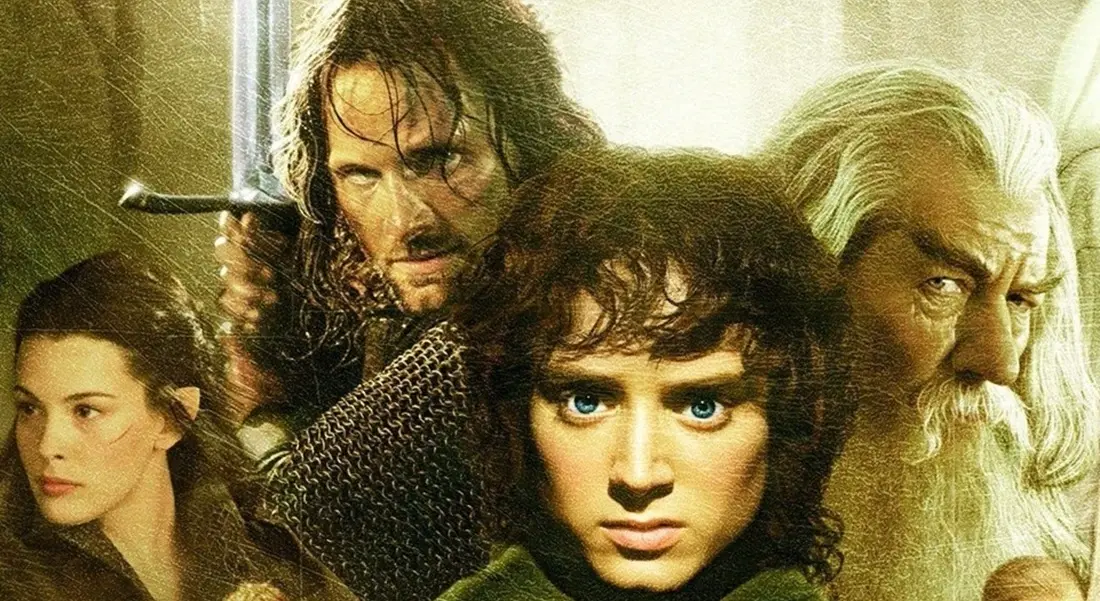
How Film Tastes Changed Through the Decades (3): From Disney to Superheroes
In the first two instalments of this series, we traced the journey from the gangsters of the Great Depression, through Hitchcock’s thrillers and the rebellion of the 1960s, to the moment when Spielberg and Lucas discovered that a film could become an event larger than the story itself - and Hollywood in the 1980s turned that idea into an industrial model.
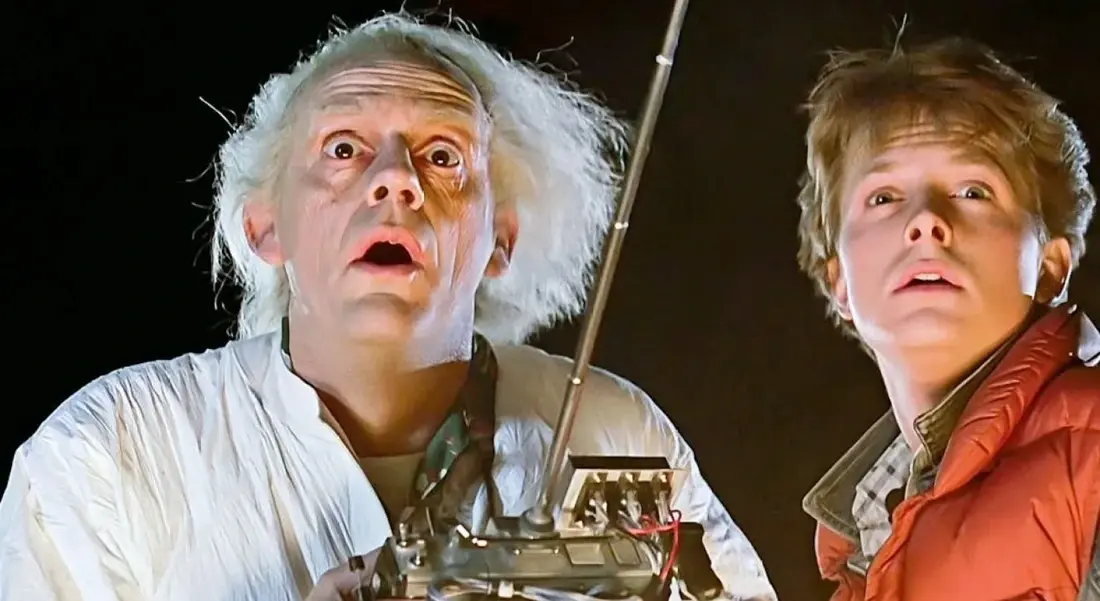
How Film Taste Has Changed Through the Decades (Part 2): From Rebellion to the Blockbuster
In the first part of this series, we traced Hollywood's path from the gangsters of the Great Depression, through the noir of the postwar years, to Hitchcock's psychological games with audiences in the 1950s - watching an entertainment system take shape into something we'd still recognize today. But that system, however stable it looked, already carried the seed of its own upheaval.
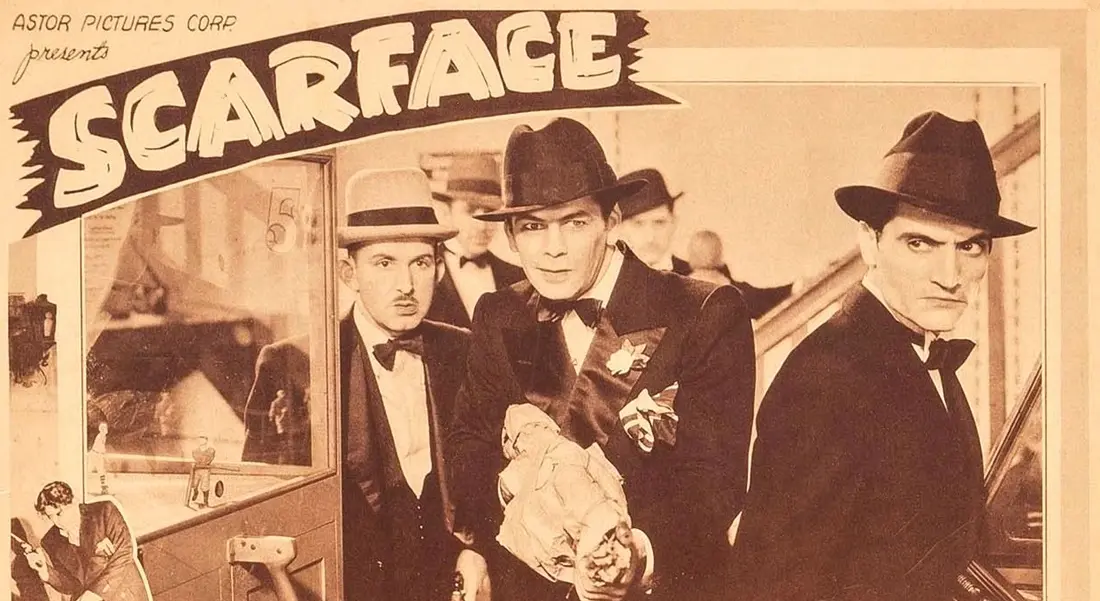
How Film Taste Has Changed Through the Decades (Part 1): From Gangsters to Hitchcock
Movies change alongside their audience. Look back at the history of popular film from the 1930s to today, and it becomes clear that genres don't rise and fall by accident. In times of crisis, audiences look for escape. In uncertain periods, they turn to darker stories. In eras of technological upheaval, they want spectacle. And whenever the way people watch films changes, what the film industry produces changes along with it.
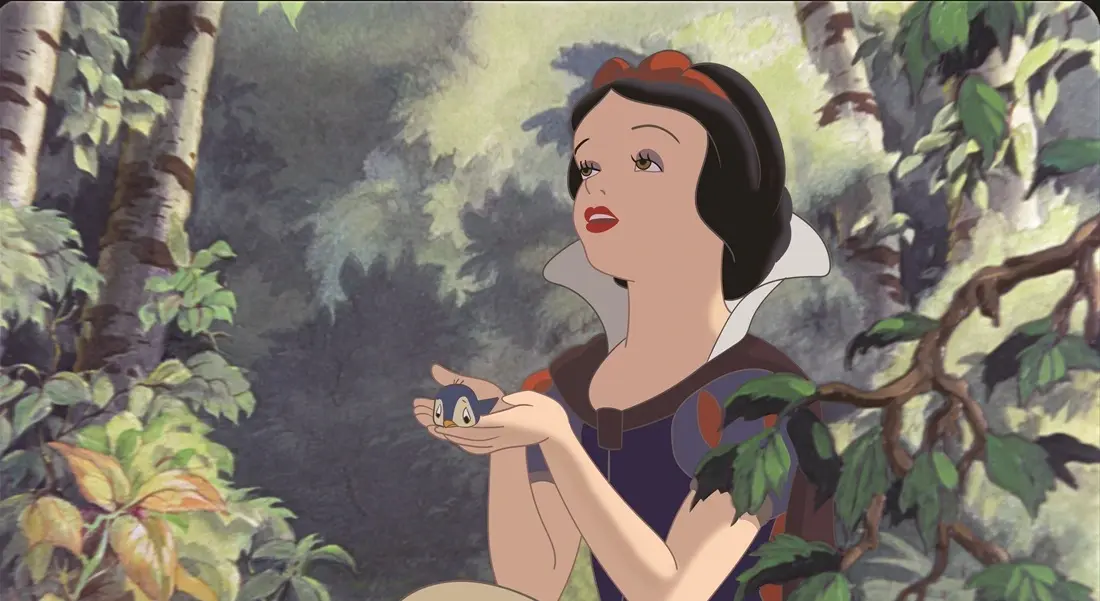
The Five Disney Animated Films That Changed the World
For more than a century, The Walt Disney Company has created far more than animated films. Its stories have shaped generations, influenced popular culture, transformed filmmaking, and redefined what animation could achieve. While dozens of Disney classics have become beloved worldwide, only a handful have fundamentally changed the history of cinema.