

When the Photograph Became Proof We Had Lived: From the Family Album to Instagram
![[object Object]](https://api.hedonistmagazine.net/storage/images/2026/09/1e75f9e7-3b89-4184-b388-ac00ce59baa9.webp)
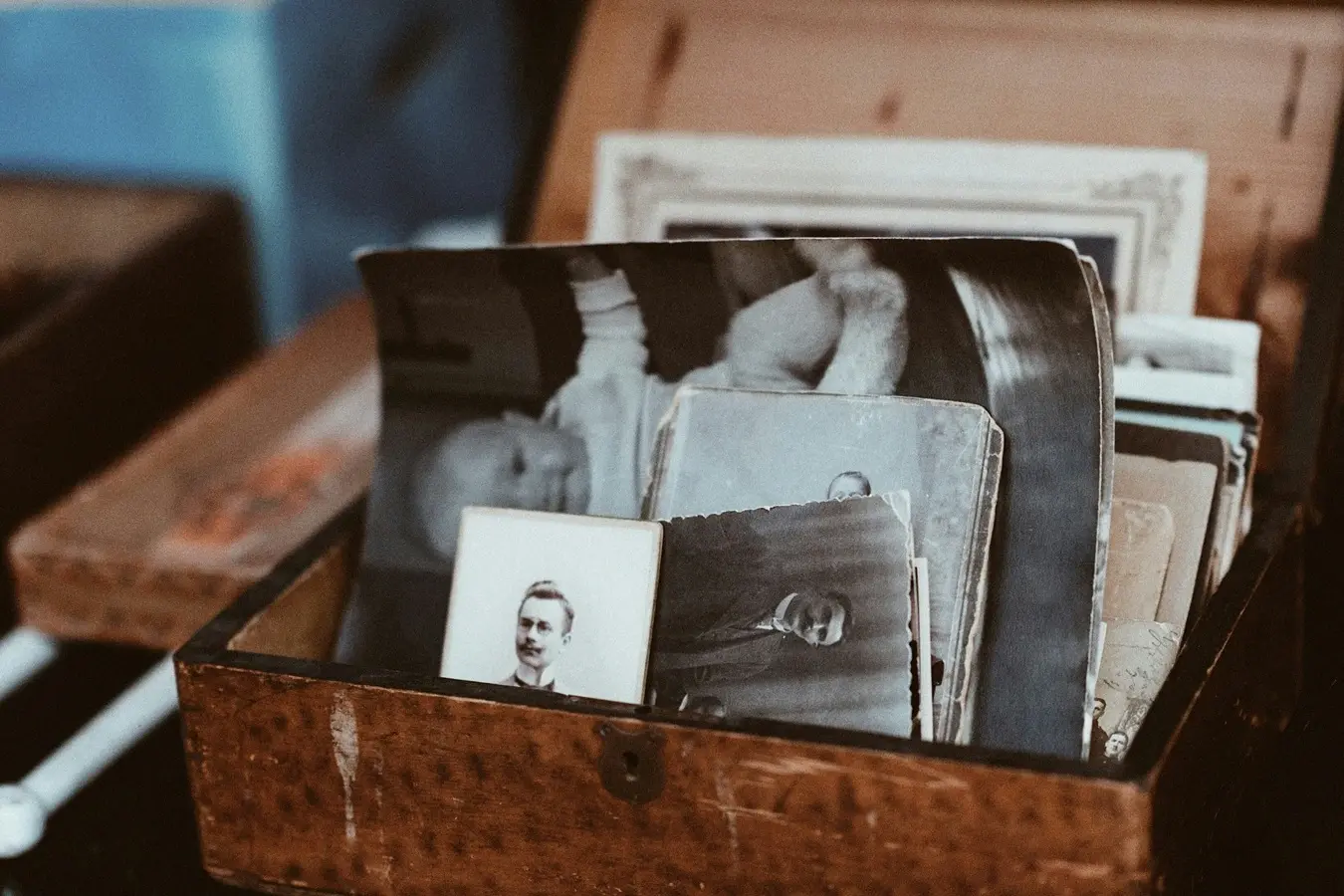
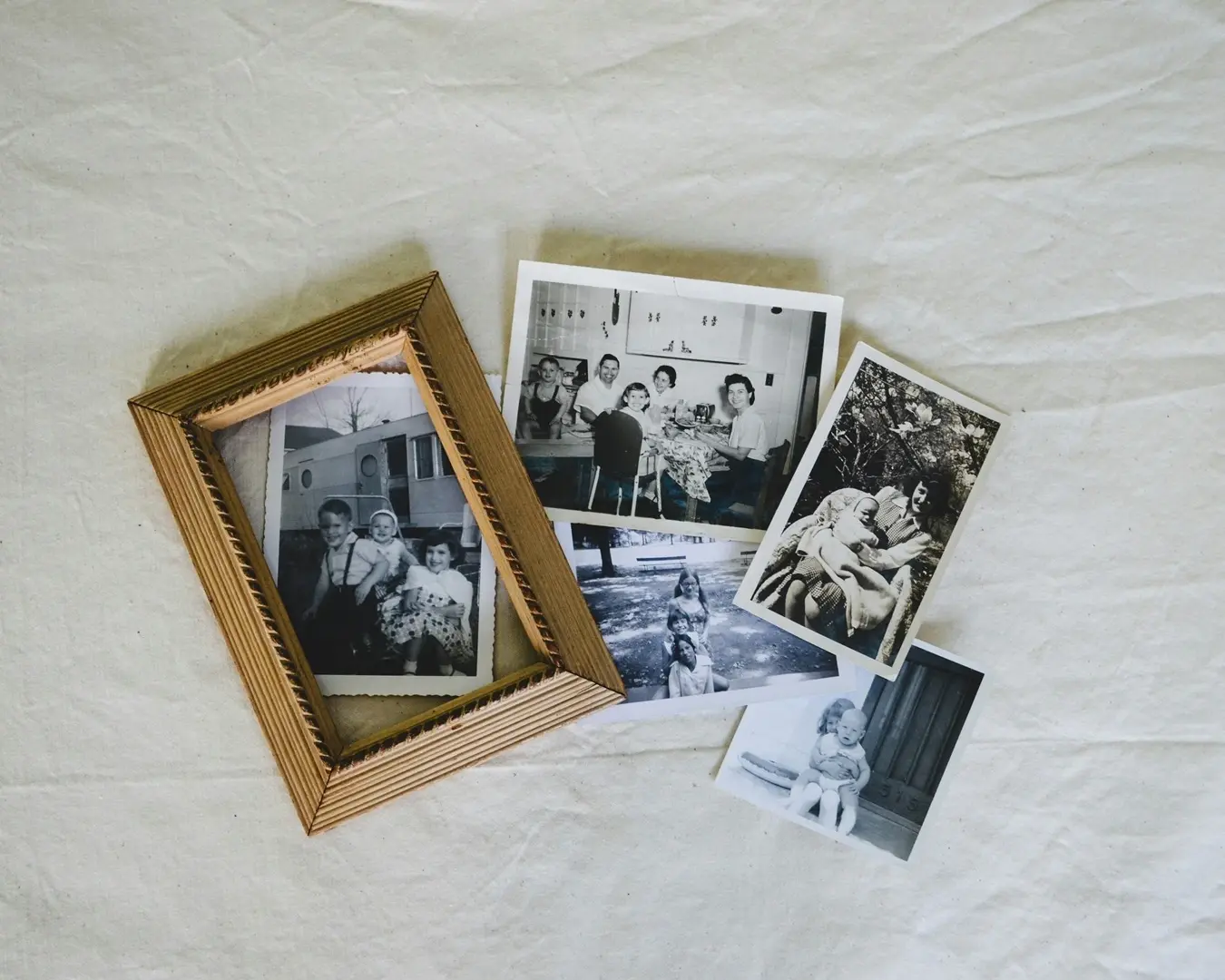
There's a heavy, leather-bound album that sits on the same shelf in every older family home - black-and-white photographs glued at the corners onto cardboard pages, just a handful of images for an entire year, each one carefully chosen to represent something worth remembering: a wedding, a birth, a summer holiday, the first day of school.
Today, that same moment, that same day at the beach, exists as three hundred nearly identical photos locked away in a phone, most of which their owner will never look at again. Between those two images - the album and the endless camera roll - lies an entire shift in what a photograph even means, and why we take one at all.
The Moment Anyone Could Become a Witness to Their Own Life
Before 1888, photography was a profession, not a right. It required bulky equipment, chemicals, technical expertise, and, almost always, money an ordinary family could scarcely spare. That year, the Kodak company rewrote the rules with a single sentence that remains one of the most influential advertising slogans in history: "You press the button, we do the rest." Company founder George Eastman offered a camera preloaded with film for a hundred exposures - once the film ran out, the customer mailed the whole device back to the factory for developing and received finished photographs along with a freshly reloaded camera.
The real turning point came in 1900 with the Brownie, a camera so cheap and simple that Kodak's advertising openly targeted children and women - two groups who, until then, had seldom operated photographic equipment themselves. Photography stopped being the privilege of professionals and wealthy families who could afford a portrait painter. It became something an ordinary person could do alone, at their own expense, about their own life.
Photography as a Defence Against Forgetting
American writer Susan Sontag, in her 1977 book On Photography, described this new relationship with the image as a "defense against anxiety" - taking photographs, she argued, had become a mechanism for coping with impermanence, a way for a person to possess a moment that would otherwise vanish irretrievably. "To collect photographs is to collect the world," she wrote, adding that images, unlike memories, become objects - something that can be physically held, kept in a box, passed down from one generation to the next.
But Sontag also warned about the price of that security. The entire philosophy Kodak built its advertising campaign around - that a photograph preserves what human memory would otherwise lose - implicitly suggested that an image could replace memory, not merely supplement it. Sontag believed this was no innocent substitution: once we start experiencing the history of our own lives as a series of photographs, our own memories turn into static, frozen moments, instead of remaining what they are by nature - something alive, imperfect, and subject to constant change.
The Science That Confirmed Sontag's Hunch
What Sontag had intuited, psychologist Linda Henkel confirmed decades later with an experiment. In a study published in 2014, Henkel led a group of students through a museum, asking them to simply observe some exhibits and photograph others. The result was named the "photo-taking-impairment effect": objects the students had photographed were remembered worse, with fewer details, than the ones they had only looked at. The moment someone raised a phone to photograph an exhibit, the brain, it seems, unconsciously handed the job of remembering over to the camera and stopped paying full attention to what was right in front of it.
Interestingly, Henkel also found an exception: when students photographed only a specific detail of an object, zooming in, memory wasn't impaired at all - it held up just as well even for parts of the object that weren't in the frame. The conclusion was clear: it isn't the act of photographing itself that damages memory, but the act of photographing without attention, quickly and automatically, the way we photograph most of our daily lives today.
From a Hundred Shots a Year to Five Billion a Day
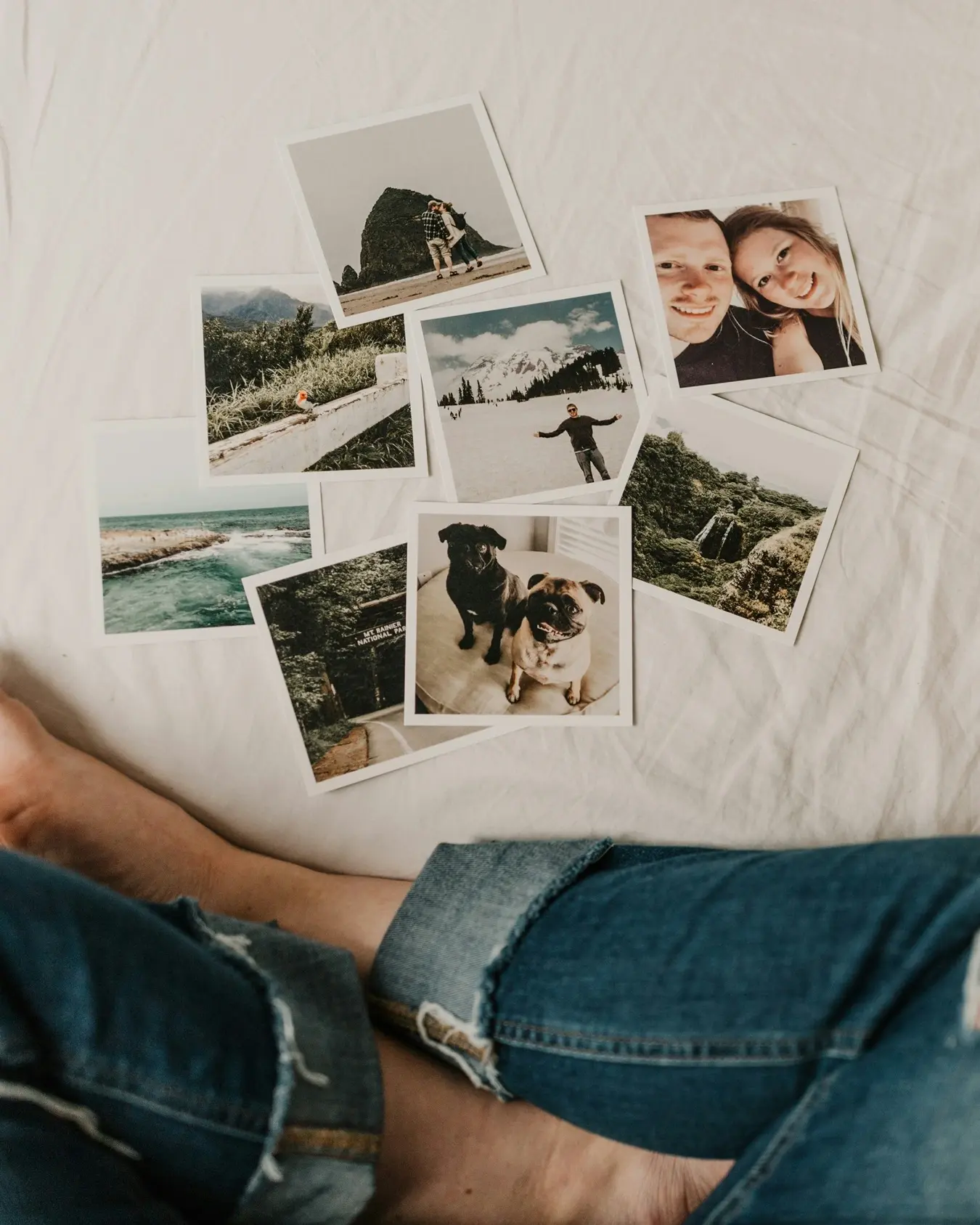
The scale of this shift is hard to grasp without numbers. The average family in the mid-twentieth century might have taken a few dozen photographs a year - film was expensive, developing even more so, so every shot was chosen deliberately. Today, roughly five billion photographs are taken worldwide every single day, and over the course of 2026, according to estimates from research firm Rise Above Research, that number will pass nearly two trillion in total. Ninety-two million of those daily photos are selfies alone.
That volume isn't just a statistical curiosity. It changes the very purpose of taking a photograph. When every shot was expensive and limited, photography served to single out and preserve a rare, carefully chosen moment. Once photography became free and limitless, as it is today with a smartphone, taking a picture stopped being an act of choice and became an act of reflex - something we do automatically, often before we've even managed to experience the moment we're documenting.

Proof for Others, Not Memory for Ourselves
The arrival of Instagram in 2010 added a final, perhaps most important layer to this story: photography stopped being a purely private matter. A family album existed so the family could look at it again one day. A social media post exists primarily to be seen by someone else, in that moment, while the experience is still unfolding. A phrase that has since become almost universal - "if there's no photo, it didn't happen" - reveals just how deeply the very function of photography has changed. We no longer document primarily so we can remember later. We document so we can prove, in real time, to others - and maybe a little to ourselves - that something worth noticing really was there.
The leather-bound album on the shelf of an old house and the endless camera roll on our phone, in the end, do completely different jobs. One kept proof that we had lived, for ourselves, for some future day when we'd want to remember. The other proves, almost the instant something happens, that we're alive - to someone watching right now, who'll scroll on in a few seconds, and who'll just as easily forget by tomorrow that they ever saw the photo at all.